
Understanding the operating hours of financial markets is a fundamental piece of knowledge for any investor, whether seasoned or just starting. Among the myriad of global indices, the Dow Jones Industrial Average (DJIA), often simply referred to as “the Dow,” holds a prominent place as a key barometer of the U.S. stock market’s health. For those engaging in personal finance, investment strategies, or simply tracking economic trends, knowing precisely when the Dow market closes is not merely a logistical detail—it’s crucial for making timely decisions, managing risk, and interpreting market movements.
This article will delve into the specifics of the Dow market’s closing times, exploring not just the standard trading sessions but also the nuances of extended hours, market holidays, and the broader implications for investors. By understanding these dynamics, you can better position your investment strategy and navigate the ebb and flow of the financial world with greater confidence.
The Standard Trading Hours Explained
The heart of U.S. stock market activity revolves around clearly defined standard trading hours. These hours dictate when the vast majority of transactions occur, prices are discovered, and market liquidity is at its peak. For the Dow Jones Industrial Average, its “closing time” refers to the closing of the exchanges where its constituent stocks are traded.
Regular Market Sessions
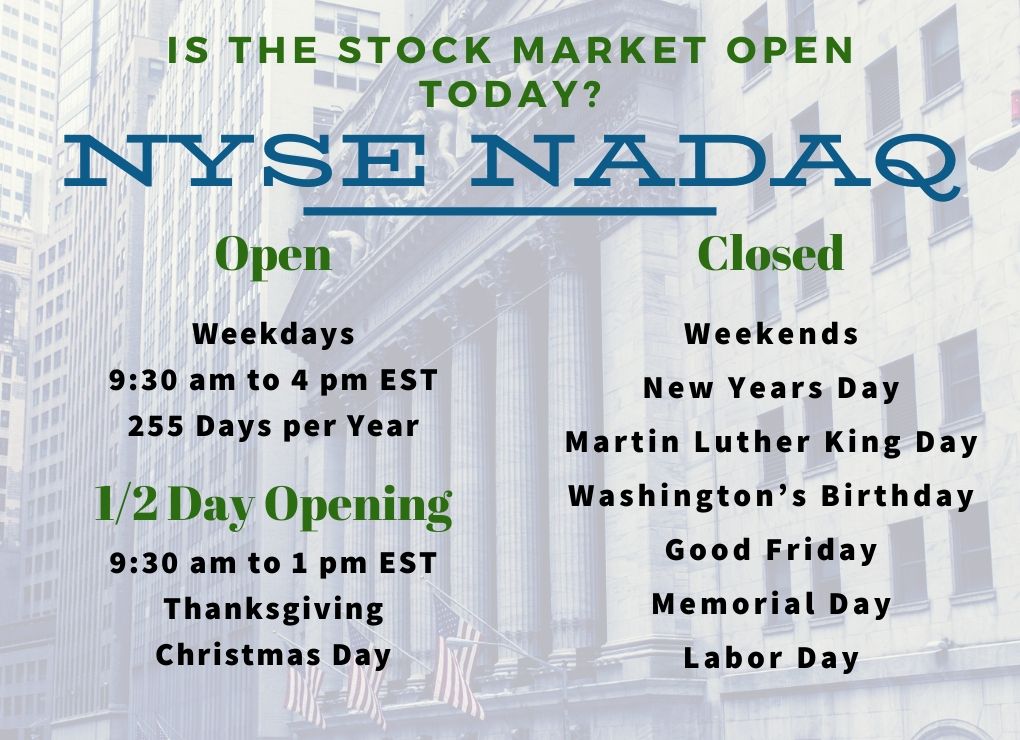
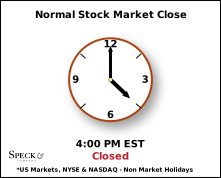
The primary U.S. stock exchanges, including the New York Stock Exchange (NYSE) and the Nasdaq Stock Market, operate on a consistent schedule. For the Dow, which is composed of 30 large, publicly traded American companies, its performance is tracked during these hours. The standard trading session runs from 9:30 AM Eastern Time (ET) to 4:00 PM ET, Monday through Friday. This six-and-a-half-hour window is when the market is most active, offering the highest liquidity and typically the tightest bid-ask spreads. During these hours, millions of buy and sell orders are executed, constantly adjusting the prices of individual stocks and, by extension, the value of indices like the Dow.
It’s important to emphasize that this schedule applies to regular business days. Weekends and designated holidays see the market completely closed, meaning no official trading occurs and the Dow’s value remains static from Friday’s close until Monday’s open (or the next trading day).
Time Zone Considerations
While the trading hours are fixed to Eastern Time, investors operate in various time zones across the United States and globally. For an investor on the West Coast, the market opens at 6:30 AM Pacific Time (PT) and closes at 1:00 PM PT. In London, the market opens at 2:30 PM GMT and closes at 9:00 PM GMT, often overlapping with the end of their business day. This geographical diversity necessitates that investors always translate the 9:30 AM to 4:00 PM ET window into their local time to accurately track market movements and plan their trading activities. Furthermore, the semi-annual shift to and from Daylight Saving Time can add another layer of complexity for international investors, though the ET designation remains constant for the exchanges themselves. Awareness of these time differences is critical for timely information processing and trade execution, ensuring that opportunities are not missed and risks are adequately managed due to simple temporal miscalculation.
Understanding the Dow Jones Industrial Average (DJIA)
To fully appreciate why understanding market closing times for “the Dow” is important, one must first grasp what the Dow Jones Industrial Average truly represents. It’s more than just a number; it’s a historical benchmark and a crucial indicator of U.S. economic and corporate health.
What is the Dow?
The Dow Jones Industrial Average is a price-weighted stock market index comprising 30 significant companies listed on U.S. stock exchanges. Unlike other indices that might include hundreds or thousands of companies, the DJIA’s selectivity gives it a unique focus on well-established, “blue-chip” corporations that are leaders in their respective industries. These companies range across various sectors, including technology, finance, healthcare, manufacturing, and consumer goods, making the Dow a broad, albeit concentrated, reflection of the American industrial and economic landscape. Because it’s a price-weighted index, stocks with higher share prices exert a greater influence on the index’s value than those with lower prices, regardless of their market capitalization. This characteristic means that significant price movements in even one of its higher-priced components can noticeably shift the entire index. Its longevity and historical significance, dating back to 1896, have cemented its role as one of the most widely cited and followed stock market indices globally.
How the Dow Reflects Market Activity
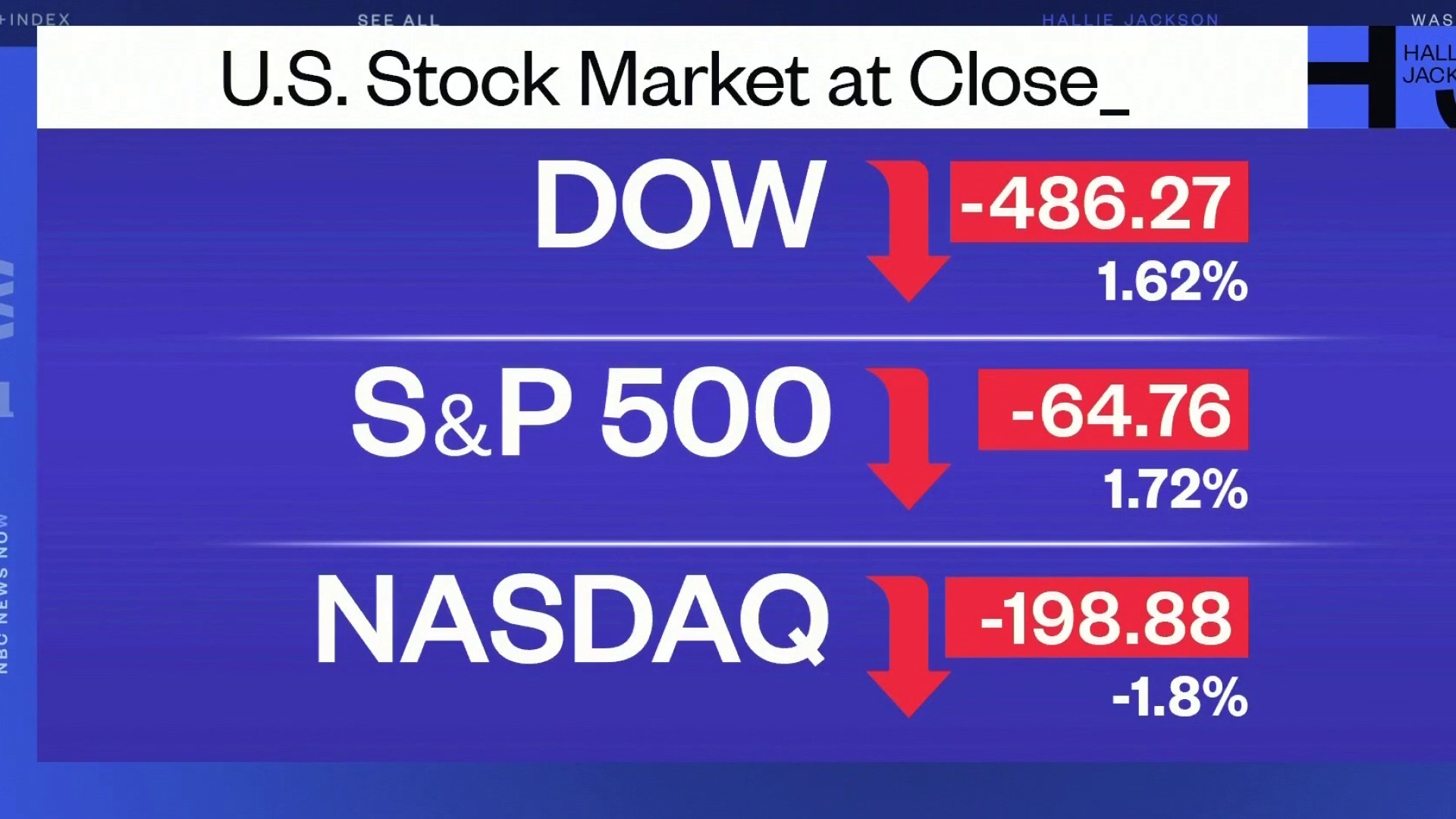
When people speak of “the Dow market closing,” they are referring to the point at which trading ceases for the day on the exchanges where the 30 constituent stocks of the DJIA are bought and sold. The daily movements of the Dow—whether it finishes up or down, and by how much—are interpreted as a summary of the day’s sentiment regarding these major corporations and, by extension, the broader U.S. economy. A strong positive close for the Dow can signal investor confidence and economic optimism, while a significant negative close might indicate concerns about corporate earnings, economic data, or geopolitical events.
Investors, analysts, and policymakers closely monitor the Dow’s performance because its components are bellwethers. Their collective performance provides insight into corporate profitability, consumer spending, and the general direction of economic growth. Therefore, the closing value of the Dow is not just a final number; it’s a snapshot of the market’s assessment of current conditions and future prospects, serving as a critical data point for financial news, economic analysis, and investment planning until the next trading day begins.
Beyond Standard Hours: Extended Trading
While the regular 9:30 AM to 4:00 PM ET session defines the core trading day, the financial markets don’t completely shut down once the closing bell rings. A significant portion of trading activity, particularly for active investors and institutional players, occurs during extended hours. These periods, known as pre-market and after-hours trading, offer opportunities and present unique challenges.
Pre-Market Trading
Pre-market trading typically commences as early as 4:00 AM ET and runs until the market officially opens at 9:30 AM ET. This period allows investors to react to news that breaks overnight or early in the morning before the regular session begins. Key drivers of pre-market activity often include earnings reports released by companies, economic data from global markets, analyst upgrades or downgrades, and significant geopolitical developments. For instance, if a Dow component announces unexpectedly strong earnings at 7:00 AM ET, its stock price (and consequently, the potential opening trajectory of the Dow itself) might start moving higher in pre-market trading.
However, pre-market trading is characterized by significantly lower liquidity compared to regular hours. Fewer participants mean that trade volumes are lower, and bid-ask spreads can be wider. This diminished liquidity often translates into higher volatility, as even relatively small orders can cause disproportionately large price swings. Investors engaging in pre-market trading must be acutely aware of these conditions, as rapid price changes and difficulty in executing large orders at desired prices are common risks.
After-Hours Trading
After-hours trading picks up immediately after the regular session concludes at 4:00 PM ET and can extend as late as 8:00 PM ET. Similar to pre-market, this period allows market participants to react to news released after the market close. Many companies schedule their earnings calls and significant announcements for after the 4:00 PM ET bell to allow the market to digest the information without disrupting ongoing trading. For example, a major announcement from a Dow stock at 4:30 PM ET could lead to significant price movement in after-hours trading, setting the stage for how that stock might perform at the next day’s open.
Like pre-market, after-hours trading shares the characteristics of lower liquidity and higher volatility. Institutional investors and active traders often use these sessions to adjust their portfolios or capitalize on immediate news reactions. Retail investors who participate must use limit orders to control the price at which their trades are executed, mitigating the risk of unfavorable fills due to wide spreads or sudden price shifts. The ability to trade outside standard hours provides flexibility but demands a heightened level of vigilance and understanding of market microstructure.
The Role of Electronic Communication Networks (ECNs)
Extended-hours trading is primarily facilitated by Electronic Communication Networks (ECNs). These automated systems match buy and sell orders directly, bypassing traditional market makers. ECNs allow trading to continue seamlessly outside the physical trading floors’ operating hours. They aggregate orders from various participants, providing a continuous, albeit less liquid, market environment. Without ECNs, the concept of widespread pre-market and after-hours trading as we know it would not be possible. Their existence has democratized access to extended trading sessions, making it available to individual investors through their brokerage accounts, though the caveats of liquidity and volatility remain paramount.
Why Trading Hours Matter for Investors
Understanding the nuances of market closing times and extended hours goes far beyond mere scheduling. It deeply influences investment strategies, risk management, and how effectively one can capitalize on or react to market-moving information. For those involved in personal finance and investing, this knowledge is a cornerstone of informed decision-making.
Strategic Implications
The defined trading hours directly impact when investors can enter or exit positions. Strategic investors often plan their trades around these times. For instance, some may prefer to place orders during regular hours when liquidity is highest, ensuring better execution prices. Others might strategically use pre-market or after-hours sessions to react immediately to news, potentially getting ahead of the broader market, though with increased risk. Knowing the closing time is also vital for day traders who aim to close all positions before the bell to avoid overnight risk. Furthermore, options traders must be acutely aware of expiration times, which often coincide with the market close, as this determines the final value of their contracts. A delay or misunderstanding of these timings could lead to significant financial consequences or missed opportunities in portfolio management.
Volatility and Liquidity
Market dynamics, particularly volatility and liquidity, are intrinsically linked to trading hours. During regular market sessions, a high volume of transactions creates robust liquidity, making it easier to buy or sell stocks without significantly impacting their prices. Bid-ask spreads are generally tighter, reflecting the efficiency of price discovery. However, during pre-market and after-hours trading, liquidity dramatically decreases. Fewer participants mean that even smaller trades can cause significant price fluctuations, leading to wider bid-ask spreads and increased volatility.
This difference has critical implications for risk management. Investors attempting to trade outside regular hours might find it challenging to execute large orders at desired prices, and sudden news can lead to rapid, unchecked price movements. Conversely, opportunistic traders might seek to exploit this volatility, but it requires a sophisticated understanding of market orders, limit orders, and the inherent risks. For long-term investors, understanding these periods helps contextualize short-term price swings and avoid reactive decisions based on low-liquidity movements.
Information Flow and Market Reactions
A substantial amount of market-moving information is released outside standard trading hours. Corporate earnings reports, economic data announcements (such as GDP figures or unemployment rates), Federal Reserve policy statements, and significant geopolitical news often occur before the market opens or after it closes. The financial community, therefore, digests and reacts to this information during extended hours.
These reactions can lead to “gap” openings—where a stock’s price, or even the Dow’s overall trajectory, opens significantly higher or lower than its previous day’s close. This “gapping” reflects the collective reaction of investors to new information accumulated during the off-hours. For example, a Dow component reporting disappointing earnings after market close on Tuesday could see its stock price tumble in after-hours trading, likely leading to a lower open on Wednesday, potentially dragging the entire Dow index down at the open. Being aware of these information release schedules and their potential impact on extended-hours trading is crucial for anticipating market sentiment and adjusting strategies before the next regular session begins.
Navigating Market Closures and Holidays
Beyond the daily schedule, investors must also account for specific days when the U.S. stock markets, including those trading Dow components, are completely closed. These closures, primarily for national holidays, have practical implications for financial planning, trade settlements, and overall market awareness.
U.S. Stock Market Holidays
The major U.S. stock exchanges observe a set schedule of national holidays, during which trading ceases entirely. These include:
- New Year’s Day (January 1)
- Martin Luther King, Jr. Day (Third Monday in January)
- Presidents’ Day/Washington’s Birthday (Third Monday in February)
- Good Friday (Varies, typically March or April)
- Memorial Day (Last Monday in May)
- Juneteenth National Independence Day (June 19)
- Independence Day (July 4)
- Labor Day (First Monday in September)
- Thanksgiving Day (Fourth Thursday in November)
- Christmas Day (December 25)
It’s also worth noting that on occasion, the market may have partial closures, such as an early close on the day before Thanksgiving or Christmas Eve, though these are less frequent and usually announced well in advance. These holidays mean that for an entire day, or sometimes longer if a holiday falls on a Friday or Monday, there is no official market activity, and the Dow’s value remains unchanged from its last close. Investors need to be aware of these dates to plan their transactions and manage liquidity, especially if they have immediate financial needs or deadlines related to their investments.
Impact of Global Markets
While U.S. markets close for holidays, global markets may remain open. For instance, if U.S. markets are closed for Memorial Day, but European and Asian markets are trading, significant global economic news or geopolitical events could still unfold. These events, while not directly impacting the Dow’s value on a closed day, can set the tone for when the U.S. market reopens. A major positive or negative development in international markets during a U.S. holiday could lead to a significant gap up or down for the Dow when it resumes trading, influencing investor sentiment and strategies from the moment the opening bell rings. This interconnectedness highlights the importance of staying informed about global financial news, even when local markets are shut.
Planning Around Closures
For investors, planning around market closures involves several considerations. Firstly, it affects the settlement of trades. Stock trades typically settle in two business days (T+2), meaning the actual transfer of shares and funds takes two days. A market holiday can extend this settlement period. Secondly, it can impact access to funds; if you sell shares just before a long weekend, the cash may not be available until after the market reopens and settlement occurs. Thirdly, it’s a period where unforeseen events can create “weekend risk” or “holiday risk,” as investors have no immediate means to react to news until the market reopens. Therefore, some active traders may choose to reduce their exposure or close positions before extended market closures to mitigate this risk. Awareness of the market holiday schedule is a basic yet critical component of sound financial planning and risk management in the investment world.
Conclusion
The question “when does the Dow market close?” opens the door to a broader understanding of how financial markets operate and how vital this knowledge is for every investor. The standard trading hours of 9:30 AM to 4:00 PM ET define the core activity, but the dynamics of pre-market and after-hours trading, facilitated by ECNs, extend the market’s reach, offering opportunities alongside heightened risks due to lower liquidity and increased volatility.
Moreover, the Dow Jones Industrial Average itself, as a venerable barometer of U.S. economic health, derives its significance from these trading periods, reflecting investor sentiment and corporate performance. Navigating market closures for holidays further emphasizes the need for diligent planning, as these breaks can influence trade settlements, fund access, and introduce unforeseen risks from global events.
Ultimately, mastering the rhythms of the financial markets—from the daily closing bell to the annual holiday schedule—is an indispensable skill for informed investment decisions. It empowers investors to strategically manage their portfolios, interpret market movements accurately, and confidently navigate the complex yet rewarding world of personal finance and investing. By staying informed and adaptable, investors can leverage these crucial timeframes to their advantage, ensuring they are always prepared for the market’s next move.
aViewFromTheCave is a participant in the Amazon Services LLC Associates Program, an affiliate advertising program designed to provide a means for sites to earn advertising fees by advertising and linking to Amazon.com. Amazon, the Amazon logo, AmazonSupply, and the AmazonSupply logo are trademarks of Amazon.com, Inc. or its affiliates. As an Amazon Associate we earn affiliate commissions from qualifying purchases.