
To the casual observer, the stock market is often viewed as a chaotic ticker tape of flashing green and red numbers, a high-stakes casino, or a cryptic barometer of the national economy. However, for the seasoned investor and the curious newcomer alike, understanding what the stock market is “right now” requires looking beyond the daily fluctuations. In the current financial epoch, the market is a complex intersection of aggressive technological disruption, shifting monetary policies, and a fundamental transition in how value is perceived and captured.
To answer “what is the stock market right now,” one must recognize it as a forward-looking mechanism. It is not necessarily a reflection of today’s economic health, but rather a collective consensus on what the world will look like six to eighteen months from today. Currently, we are witnessing a market defined by high concentration, sensitivity to interest rate cycles, and a cautious optimism balanced against geopolitical fragility.
The Current State of Market Volatility and Macroeconomic Drivers
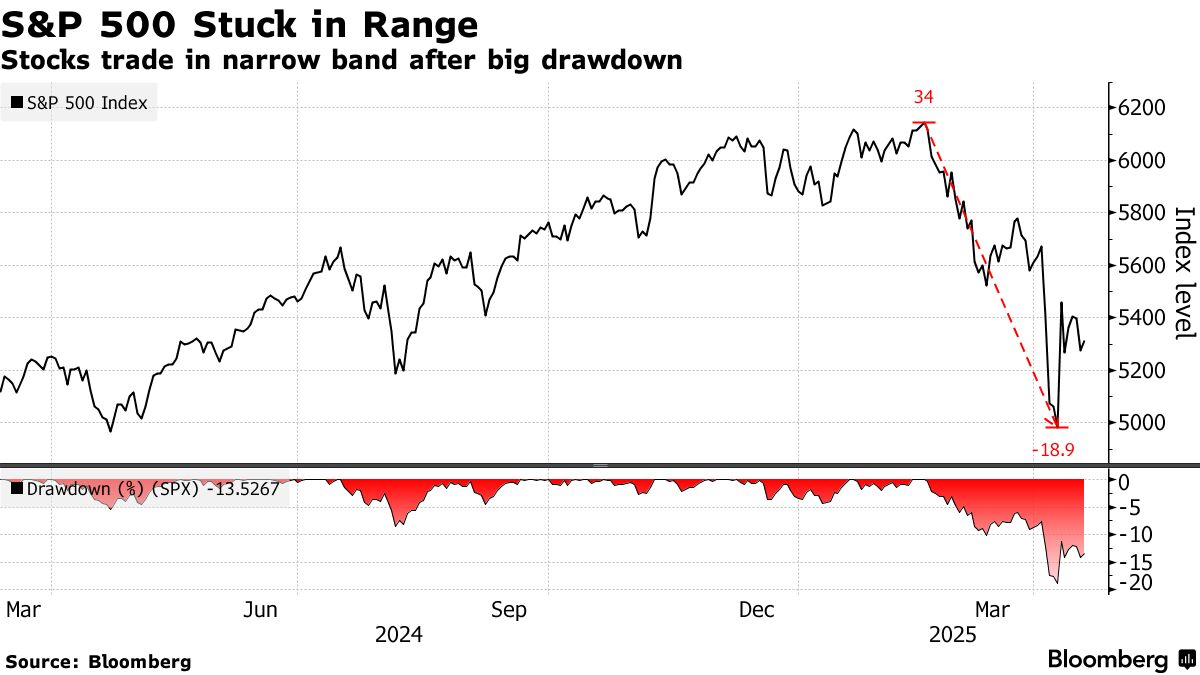
The primary force defining the stock market right now is the “macro” environment. For over a decade, investors enjoyed a period of historically low interest rates, which fueled a “risk-on” appetite. Today, the market is recalibrating to a “higher-for-longer” interest rate reality, which has fundamentally changed the math behind stock valuations.
Interest Rates and the Federal Reserve’s Pivot
The Federal Reserve remains the most influential protagonist in the market narrative. As the central bank maneuvers to control inflation without triggering a deep recession—the proverbial “soft landing”—every economic data point, from Non-Farm Payrolls to Consumer Price Index (CPI) reports, sends shockwaves through the market. Right now, the market is in a state of hyper-sensitivity to the Fed’s trajectory. Investors are constantly weighing the possibility of rate cuts against the risk of persistent inflation, making the bond market a significant competitor for equity capital. When “risk-free” Treasury yields are high, the stock market must work harder to justify its inherent risks.
Inflationary Pressures and Consumer Spending
While top-line inflation has cooled from its 2022 peaks, the cumulative effect on the consumer is a major theme in the current market. The stock market is currently evaluating “earnings quality.” Companies that can pass on costs to consumers without losing volume—those with “pricing power”—are thriving. Conversely, companies catering to lower-income demographics are beginning to show signs of strain. This creates a bifurcated market where certain sectors show extreme resilience while others struggle under the weight of a stretched consumer base.
Sector Performance and the Rise of Concentrated Growth
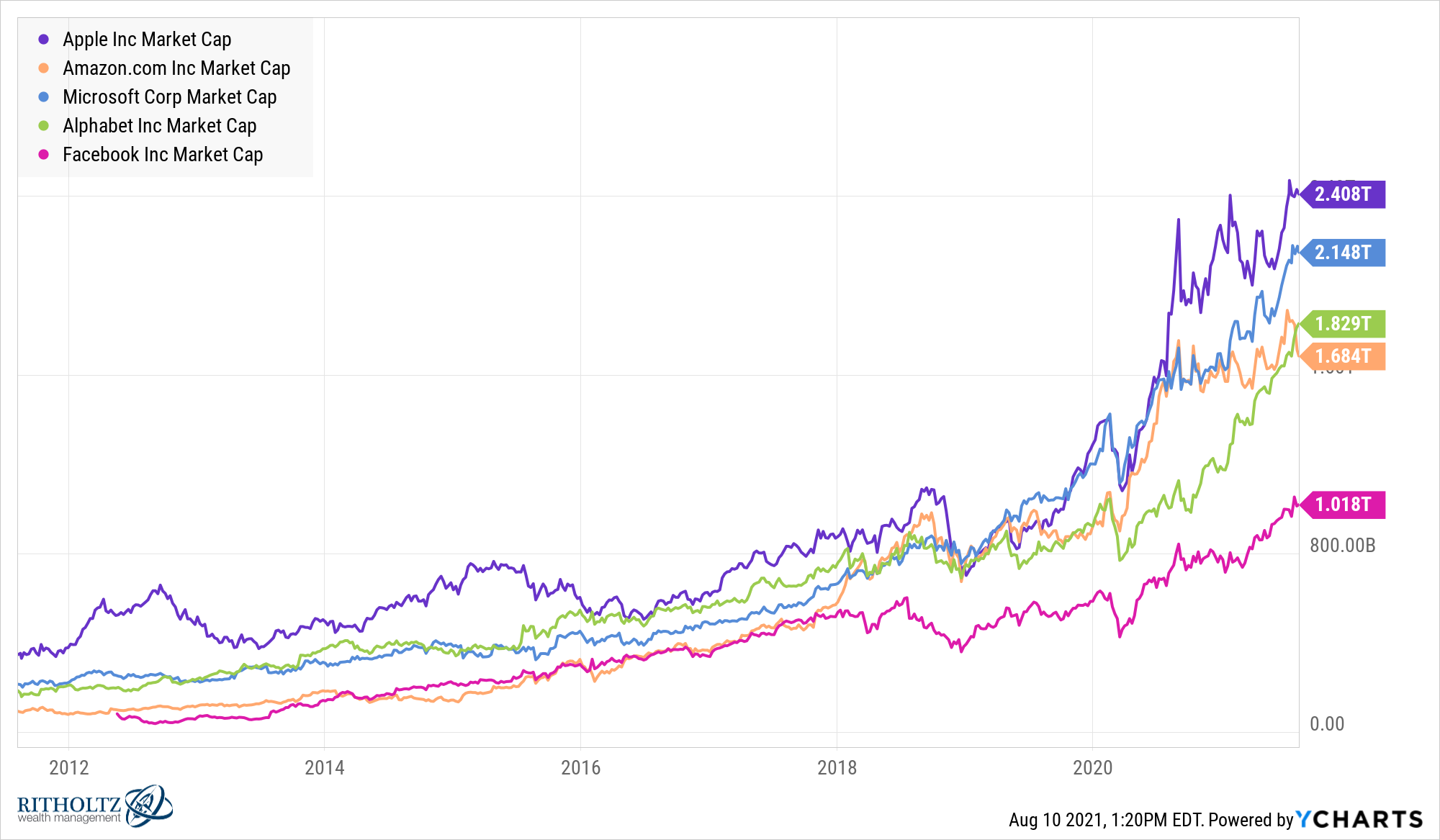
Perhaps the most striking characteristic of the stock market right now is its lack of “breadth.” For much of the recent rally, a small handful of companies have been responsible for the lion’s share of the market’s gains. This concentration poses both an opportunity and a risk for the modern portfolio.
The Dominance of the “Magnificent Seven”
The term “Magnificent Seven”—referring to the tech giants like Nvidia, Microsoft, Apple, and Alphabet—has dominated financial discourse. Right now, the stock market is effectively a two-tiered system. On one side, you have the AI-integrated tech behemoths with massive cash reserves and high growth prospects. On the other, you have the “average” stock in the S&P 500, many of which have remained relatively flat. This concentration means that the major indices are increasingly sensitive to the fortunes of a few CEOs and specific technological breakthroughs, rather than the broad health of the global economy.
Cyclical vs. Defensive Sectors in an Uncertain Economy
Beyond the tech narrative, we are seeing a tactical rotation between cyclical sectors (like Industrials and Energy) and defensive sectors (like Healthcare and Utilities). Right now, the market is showing signs of “rotation.” When investors fear a recession, they hide in dividends and staples. When they feel the economy is accelerating, they move back into banks and energy. Currently, we are in a “wait and see” mode, where money moves quickly between these sectors as new economic data emerges, leading to a “choppy” market environment for those without a long-term perspective.
Market Valuation: Are We in a Bubble or a New Normal?
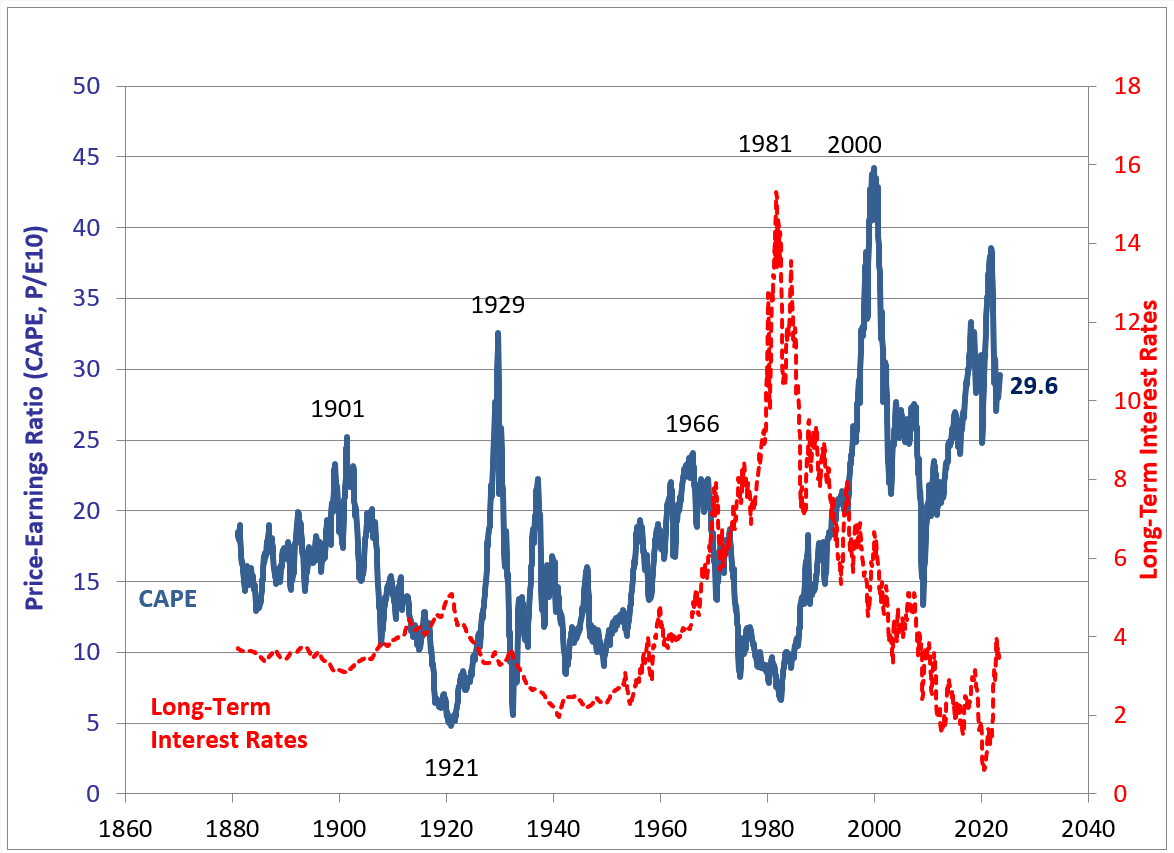
A common question among investors right now is whether the stock market is overpriced. Valuation metrics, such as the Price-to-Earnings (P/E) ratio, are currently elevated compared to historical averages, particularly in the United States.
Analyzing P/E Ratios in the AI Era
Traditionalists argue that the market is expensive. However, proponents of the current prices suggest that we are entering a period of unprecedented productivity gains driven by Artificial Intelligence. In this view, high P/E ratios are justified because the future earnings potential is significantly higher than what historical models suggest. Right now, the market is a battlefield between these two schools of thought: the “mean reversion” bears who expect a significant correction, and the “structural shift” bulls who believe we are in the early stages of a long-term secular bull market.
The Role of Institutional vs. Retail Sentiment
The “who” of the market has also changed. Right now, retail investors—empowered by zero-commission trading and social media—have more influence than ever before. This has introduced a psychological element to market valuations that didn’t exist twenty years ago. Institutional “smart money” often finds itself reacting to retail-driven momentum. This sentiment-driven volatility means that “what the market is” can change based on a viral trend or a collective shift in retail sentiment, making technical analysis and behavioral finance just as important as fundamental balance sheet analysis.
Strategic Investing for the Current Market Environment
Given the complexities of the current market, how should an individual approach their finances? The “get rich quick” mentality of the post-pandemic era has largely been replaced by a need for sophisticated, disciplined strategies.
The Importance of Diversification in a Concentrated Market
With the S&P 500 so heavily weighted toward tech, a “diversified” index fund might not be as diversified as investors think. Right now, the market demands a more nuanced approach to asset allocation. This might include looking at equal-weighted indices, mid-cap stocks, or international markets that haven’t seen the same valuation expansion as the U.S. tech sector. Diversification right now isn’t just about owning different stocks; it’s about owning different types of risk.
Long-term Growth vs. Dividend Yield Strategies
In a high-interest-rate environment, the “total return” strategy is king. While growth stocks offer the allure of massive capital gains, dividend-paying stocks provide a “margin of safety.” The market right now is rewarding companies that are disciplined with their capital—those that pay back shareholders through dividends and buybacks rather than burning cash on speculative projects. For the individual investor, the current market is a reminder that cash flow is the ultimate reality of any business.
Future Outlook: Identifying Risks and Opportunities
Looking ahead, the stock market is bracing for several “known unknowns.” The landscape is being reshaped by forces that were not on the radar a decade ago.
Geopolitical Factors and Global Supply Chains
The era of hyper-globalization is evolving into an era of “friend-shoring” and regionalization. Conflict in Europe and the Middle East, along with trade tensions between the U.S. and China, are no longer “tail risks”—they are central to the market’s daily operations. Right now, the market is pricing in a “geopolitical risk premium.” This affects everything from energy prices to the cost of semiconductor manufacturing. Investors are increasingly looking at companies that have resilient, localized supply chains as safer long-term bets.
The Impact of Emerging Technologies on Financial Markets
While AI is the current darling, other technologies like blockchain-based settlement, green energy transitions, and biotech breakthroughs are simmering under the surface. The stock market right now is a giant laboratory, testing which of these technologies can actually scale and generate profit. The opportunity lies in identifying the “picks and shovels” of these industries—the companies that provide the essential infrastructure—rather than just the flashy end-user applications.
In summary, the stock market right now is a high-performance engine running on the fuel of innovation but navigating a road filled with macroeconomic potholes. It is a market that rewards patience, punishes irrational exuberance, and requires a deeper understanding of both global policy and technological trends. For those who view it as a tool for long-term wealth creation rather than a short-term gamble, the current market offers a unique landscape of historical challenges and unprecedented opportunities. Whether we are at a peak or just at the beginning of a new ascent depends entirely on one’s time horizon and ability to remain disciplined amidst the noise.
aViewFromTheCave is a participant in the Amazon Services LLC Associates Program, an affiliate advertising program designed to provide a means for sites to earn advertising fees by advertising and linking to Amazon.com. Amazon, the Amazon logo, AmazonSupply, and the AmazonSupply logo are trademarks of Amazon.com, Inc. or its affiliates. As an Amazon Associate we earn affiliate commissions from qualifying purchases.