
In the landscape of modern brand strategy, success is often dictated by how well a company understands the cognitive architecture of its audience. While the term “neurotypical” originated in the medical and advocacy communities to describe individuals whose neurological development and functioning follow standard or “typical” patterns, it has become an essential concept for brand strategists, marketers, and designers. To build a brand that resonates at scale, one must first answer the foundational question: what is a neurotypical person in the context of consumer behavior, and how does their cognitive profile shape the way brands communicate?
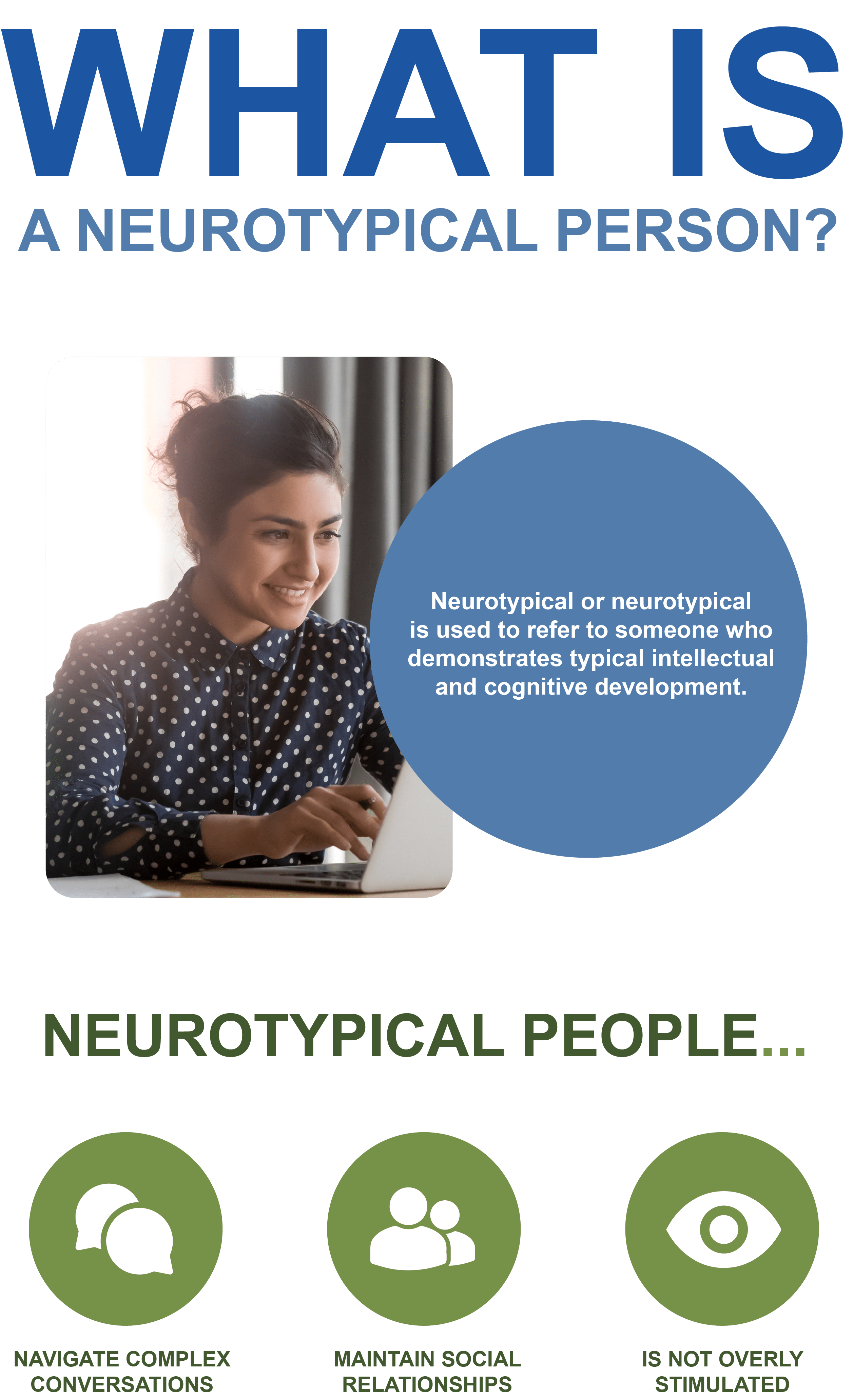
A neurotypical person, within the framework of brand psychology, represents the “statistical majority”—individuals who process sensory information, social cues, and language in a way that aligns with dominant societal expectations. For a brand, the neurotypical persona is often the default template for user journeys, advertisement copy, and visual identity. However, as the marketplace evolves, understanding this baseline is no longer just about “matching the average”; it is about strategically leveraging psychological triggers to create seamless, high-conversion experiences.
The Cognitive Architecture of the Neurotypical Consumer
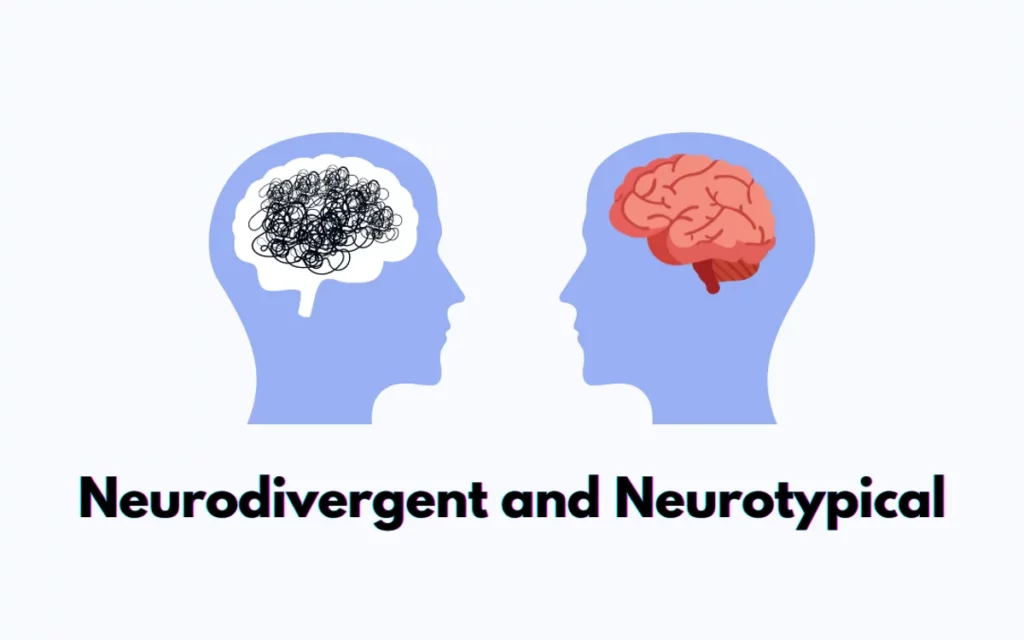
To build a brand that effectively targets the neurotypical majority, one must understand the underlying psychological mechanisms that drive their decision-making. Unlike neurodivergent individuals, who may possess heightened sensory sensitivities or non-linear processing styles, neurotypical consumers generally rely on a predictable set of cognitive shortcuts known as heuristics.
The Psychology of Conventional Consumer Behavior
Neurotypical individuals tend to prioritize social proof and consensus. In branding, this manifests as a high responsiveness to “bestseller” tags, celebrity endorsements, and community-driven narratives. Because the neurotypical brain is highly attuned to social hierarchies and norms, a brand that positions itself as a “standard” or a “leader” within a peer group gains immediate psychological leverage. This segment of the population looks for cues that signify belonging. If a brand strategy can successfully signal that “people like us use products like this,” it clears the primary hurdle of neurotypical trust-building.
Mirroring Social Norms in Brand Identity
The neurotypical persona is deeply influenced by cultural and social consistency. Brand strategy for this demographic relies heavily on “mirroring.” This involves using imagery, language, and values that reflect the current social zeitgeist. While a niche brand might thrive on being “disruptive” or “alternative,” a brand targeting the neurotypical mainstream must ensure its identity feels like a natural extension of the consumer’s existing world. This includes adhering to standard “politeness” protocols in customer service and using visual metaphors that are universally understood within a specific culture.
Building Brand Strategy for the Neurotypical Majority
Once the cognitive baseline is established, the brand strategy must transition into execution. The goal here is to reduce “friction”—the mental effort required to engage with a brand. For the neurotypical brain, friction is often the primary reason for cart abandonment or brand switching.
Cognitive Ease and User Experience (UX)
Cognitive ease is the cornerstone of neurotypical-centric design. It refers to the ease with which our brains process information. Brands that cater to neurotypicality invest heavily in intuitive UX. This means placing the “Buy” button where the brain expects it to be, using familiar icons (like a magnifying glass for search), and following a predictable information hierarchy. When a neurotypical user interacts with a brand and finds that everything “just works” without requiring deep thought, a sense of safety and satisfaction is triggered. This ease is directly linked to brand loyalty; we tend to prefer things that do not make us think too hard.
Emotional Resonance through Predictable Patterns
While creativity is vital, the neurotypical brain finds comfort in patterns. Strategic branding uses “narrative arcs” that the typical brain is conditioned to enjoy—the hero’s journey, the problem-solution-benefit model, or the aspirational lifestyle shift. By following these predictable storytelling patterns, brands can bypass the critical analytical mind and tap directly into the emotional centers of the brain. A neurotypical consumer is more likely to engage with a brand that feels “familiar yet fresh”—a strategy often referred to as MAYA (Most Advanced Yet Acceptable).
The Marketing Mechanics of Typical Processing
Marketing is essentially the science of capturing attention and converting it into action. For the neurotypical audience, this requires a specific calibration of sensory and linguistic inputs.
Visual Communication and Sensory Standards
In the realm of design, neurotypicality is often associated with a preference for balanced aesthetics and “standard” sensory loads. While a neurodivergent-focused brand might use high-contrast or highly specific sensory triggers, a brand targeting the general population typically uses color psychology that aligns with broad associations (e.g., blue for trust, green for health). The layout of advertisements must follow a logical “F-pattern” or “Z-pattern” of eye movement, which are the standard ways neurotypical brains scan content. Breaking these rules can be seen as “edgy,” but for mass-market brand stability, adhering to these visual standards ensures the message is received by the widest possible audience without causing sensory overwhelm.
Language, Tone, and Clear Messaging
The neurotypical person typically excels at reading “between the lines” and understanding nuanced social context. However, effective brand communication usually avoids excessive ambiguity. High-performing brands use a tone that is professional yet accessible, avoiding overly technical jargon unless the niche specifically demands it. The use of idioms, metaphors, and cultural references works well with this demographic because their brains are wired to decode these social signals quickly. A successful brand voice for this segment feels like a conversation with a trusted, knowledgeable peer—it is relatable, clear, and contextually appropriate.
Beyond the Typical: Balancing Mass Appeal with Inclusivity
While the neurotypical persona is the traditional focus of brand strategy, the modern corporate identity must also account for the fact that the “average” consumer is an abstraction. The most successful contemporary brands are those that can appeal to the neurotypical majority while remaining accessible to the neurodivergent minority.
Recognizing the Limits of the “Average” Consumer
The danger of designing exclusively for a “neurotypical person” is the creation of a brand that is bland or exclusionary. If a brand strategy is too rigid in its adherence to “typical” norms, it risks becoming “vanilla”—lacking the distinctiveness needed to stand out in a crowded market. Furthermore, as awareness of neurodiversity grows, consumers are increasingly looking for brands that demonstrate “Neuro-Intelligence.” This means recognizing that while most of your customers might process information typically, a significant portion does not. Strategies that include clear, literal instructions alongside evocative metaphors can bridge this gap, satisfying both the neurotypical need for story and the neurodivergent need for clarity.
Integrating Neuro-Inclusion into Corporate Identity
A brand’s corporate identity is now measured by its inclusivity. Brands like Microsoft and Google have pivoted their strategies to ensure that their products and marketing are “inclusive by design.” For a brand strategist, this means that while the core target might be neurotypical, the standard for the brand should be universal accessibility.
For example, a brand that uses “clean” design—lots of white space, clear fonts, and simple navigation—appeals to the neurotypical desire for cognitive ease, but it also happens to be highly beneficial for individuals with ADHD or autism who might struggle with sensory overload. In this way, “good design” and “neurotypical-friendly design” are often the same thing, but with an added layer of intentionality. By understanding the neurotypical person as a baseline rather than a boundary, a brand can build a strategy that is robust, scalable, and ethically sound.

Conclusion: The Strategic Value of Neuro-Awareness
Understanding what a neurotypical person is—and how they interact with the world—is a fundamental requirement for any high-level brand strategist. It allows for the creation of marketing campaigns that feel natural, user interfaces that feel intuitive, and brand voices that feel authentic.
However, the true power of this knowledge lies in using it as a starting point for deeper engagement. By mastering the art of appealing to the neurotypical brain through cognitive ease, social proof, and predictable patterns, a brand builds a solid foundation of mass-market appeal. From that foundation, the brand can then innovate, ensuring that its identity is not just “typical,” but exceptional—reaching the widest possible audience with a message that is clear, inclusive, and undeniably resonant. In the end, the most powerful brands are those that understand the human brain in all its variations, using the neurotypical baseline to craft stories that move us all.
aViewFromTheCave is a participant in the Amazon Services LLC Associates Program, an affiliate advertising program designed to provide a means for sites to earn advertising fees by advertising and linking to Amazon.com. Amazon, the Amazon logo, AmazonSupply, and the AmazonSupply logo are trademarks of Amazon.com, Inc. or its affiliates. As an Amazon Associate we earn affiliate commissions from qualifying purchases.