
In the rapidly evolving landscape of technology, the bridge between a conceptual vision and a functional digital product is often anchored by a single, pivotal role: the Product Owner (PO). As software development has transitioned from the rigid “Waterfall” models of the past to the fluid, iterative “Agile” frameworks of today, the Product Owner has emerged as a cornerstone of the tech industry.
The role is frequently misunderstood as a mere administrative position or a secondary project manager. However, in high-performance tech environments—ranging from lean AI startups to massive SaaS enterprises—the Product Owner is the “Value Maximizer.” They are responsible for ensuring that every line of code written by the engineering team translates into tangible utility for the user and strategic success for the product.
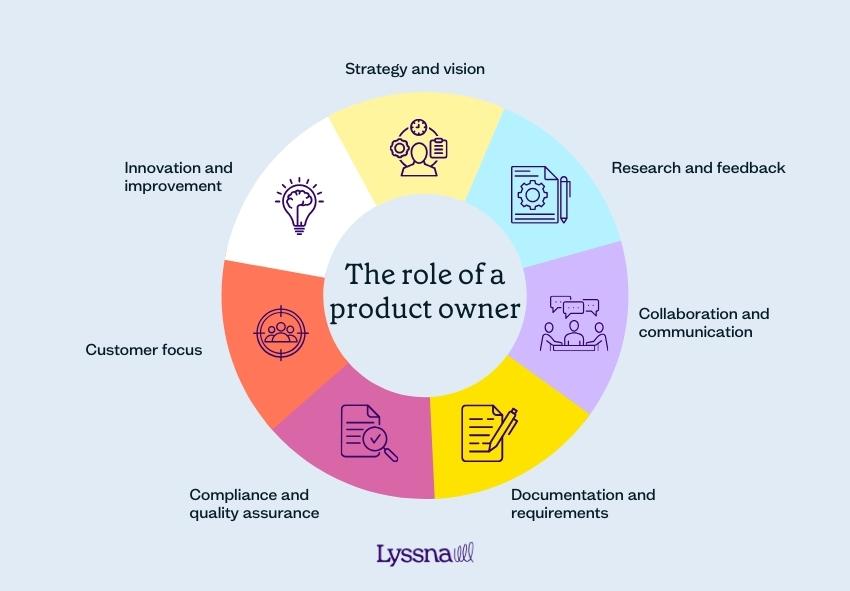
The Product Owner in the Agile Ecosystem
To understand what a Product Owner does, one must first understand their placement within the Agile and Scrum frameworks. Unlike traditional managers, a Product Owner does not dictate how developers do their work; instead, they are the definitive voice on what should be built and why.
Bridging the Gap Between Stakeholders and Engineering
The Product Owner serves as a high-bandwidth communication hub. On one side, they interface with stakeholders—clients, executives, and end-users—who provide a wishlist of features and business goals. On the other side, they work directly with the development team.
The PO’s job is to translate ambiguous business requirements into precise technical specifications. Without this translation, a developer might build an architecturally sound feature that ultimately fails to solve the user’s problem. The PO ensures that the “Tech” side of the house remains aligned with the “Value” side, preventing wasted resources on features that don’t move the needle.
Maximizing Value through the Product Backlog
The primary tool of the Product Owner is the Product Backlog—a dynamic, living list of everything that might be needed in the product. This is not a simple “to-do” list; it is a prioritized roadmap of features, bug fixes, and technical improvements.
A Product Owner spends a significant portion of their time “grooming” or refining this backlog. They must constantly re-evaluate priorities based on technical feasibility, market trends, and feedback from the latest software builds. By deciding which items move to the top of the list, the PO directly influences the software’s evolution, ensuring that the team is always working on the most impactful tasks first.
Technical Competencies and Toolsets of a Modern PO
While a Product Owner doesn’t necessarily need to write code, they must possess a high degree of technical literacy. In modern software environments, a PO who doesn’t understand the underlying technology is a bottleneck.
Mastering the Software Development Life Cycle (SDLC)
A Product Owner must be intimately familiar with the Software Development Life Cycle. They need to understand the implications of technical debt, the necessity of refactoring, and the stages of deployment (from staging environments to production).
By understanding the SDLC, the PO can make informed decisions about trade-offs. For example, if the engineering team explains that a specific feature will require a significant change to the database architecture, a technically savvy PO can weigh the long-term architectural stability against the immediate need for the feature. This technical empathy allows for smoother collaborations with Lead Architects and DevOps engineers.
Leveraging AI and Data Analytics for Product Decisions
In the current tech climate, “gut feeling” is no longer a viable strategy for product development. Modern Product Owners utilize a suite of digital tools to drive their decision-making.

- Analytics Engines: Tools like Mixpanel, Amplitude, or Google Analytics are used to track how users interact with software in real-time. A PO analyzes this data to identify friction points in the user journey.
- AI and Machine Learning: Advanced POs are now leveraging AI tools to predict user behavior and automate backlog prioritization. They must understand the capabilities and limitations of AI integration within their own apps to guide the development of smart features.
- Project Management Software: Proficiency in tools like Jira, Confluence, and Azure DevOps is mandatory. These platforms allow the PO to map out epics, user stories, and acceptance criteria in a way that is transparent to the entire technical team.
The Daily Lifecycle of a Technical Product Owner
The day-to-day reality of a Product Owner is a blend of strategic planning and tactical execution. They operate in “Sprints”—short, focused bursts of development—and their involvement is critical at every stage of these cycles.
Sprint Planning and User Story Refinement
During Sprint Planning, the PO presents the highest-priority items from the backlog to the development team. To do this effectively, they must write “User Stories.” A user story follows a specific technical format: “As a [user type], I want to [action], so that [benefit].”
Accompanying these stories are “Acceptance Criteria”—the specific conditions that a software feature must meet to be accepted as complete. For instance, if a PO is overseeing the development of a new API integration, the acceptance criteria might include specific latency thresholds or error-handling protocols. This level of technical detail ensures that the developers have a clear “Definition of Done.”
Quality Assurance and the Definition of Done
The Product Owner is the final arbiter of quality. Before a feature is released to the public, the PO often participates in User Acceptance Testing (UAT). They review the built feature against the original user story. If the software doesn’t meet the specified technical requirements or provides a suboptimal user experience, the PO has the authority to “reject” the story, sending it back for further iteration. This gatekeeping function is vital for maintaining the integrity of the digital product and ensuring that the software remains stable and scalable.
Emerging Trends: The Product Owner in the Age of Digital Security and AI
As technology grows more complex, the scope of the Product Owner is expanding. Two areas in particular—Digital Security and Artificial Intelligence—are redefining what it means to be a successful PO.
Balancing Innovation with Technical Debt and Security
In the past, security was often an afterthought for Product Owners, relegated to the “Security Team.” Today, with the rise of cyber threats and stringent data privacy laws (like GDPR), security must be “baked in” to the product from the start.
A modern Product Owner must prioritize “Security Stories” in the backlog. This might mean delaying a flashy new UI feature to ensure that the app’s encryption protocols are up to date or that the software is compliant with the latest OWASP (Open Web Application Security Project) standards. Navigating the tension between rapid innovation and robust digital security is one of the most challenging technical aspects of the role.
Transitioning from Traditional PO to AI Product Specialist
The “AI-first” world requires a new kind of Product Owner. When managing an AI-driven tool or an app with machine learning capabilities, the PO’s focus shifts from deterministic logic (if this, then that) to probabilistic outcomes.
A Product Owner in this niche must understand data sets, model training cycles, and the ethical implications of algorithmic bias. They aren’t just managing code; they are managing the “learning” of the software. This transition requires a deeper dive into data science and a shift in how they define “success” for a product. In the AI space, the PO’s role is to ensure that the technology doesn’t just work, but that it learns and adapts in a way that remains valuable to the end-user.

Conclusion
So, what does a Product Owner do? They are the visionary pragmatists of the tech world. They take the abstract desires of the market and distill them into actionable, technical roadmaps. By mastering the Product Backlog, understanding the nuances of the SDLC, and staying ahead of trends like AI and cybersecurity, the Product Owner ensures that software development remains a purposeful, value-driven endeavor.
In a world where software is eating the world, the Product Owner is the one deciding exactly what that software looks like and how it serves the humans who use it. Whether they are refining a user story for a mobile app or overseeing the security protocols of a complex cloud infrastructure, their goal remains the same: to deliver the right technology at the right time for the right reasons.
aViewFromTheCave is a participant in the Amazon Services LLC Associates Program, an affiliate advertising program designed to provide a means for sites to earn advertising fees by advertising and linking to Amazon.com. Amazon, the Amazon logo, AmazonSupply, and the AmazonSupply logo are trademarks of Amazon.com, Inc. or its affiliates. As an Amazon Associate we earn affiliate commissions from qualifying purchases.