
For many individuals and small business owners, tax season is often met with a sense of trepidation. However, viewed through the lens of personal finance management, filing a tax return is more than just a legal obligation; it is a critical annual audit of one’s financial health. Understanding how to navigate the complexities of the tax system allows you to retain more of your hard-earned income, ensure compliance with the law, and plan more effectively for your long-term financial goals. This guide provides a strategic roadmap for approaching your tax returns with professionalism and precision.
The Foundation of Financial Compliance: Preparation and Organization
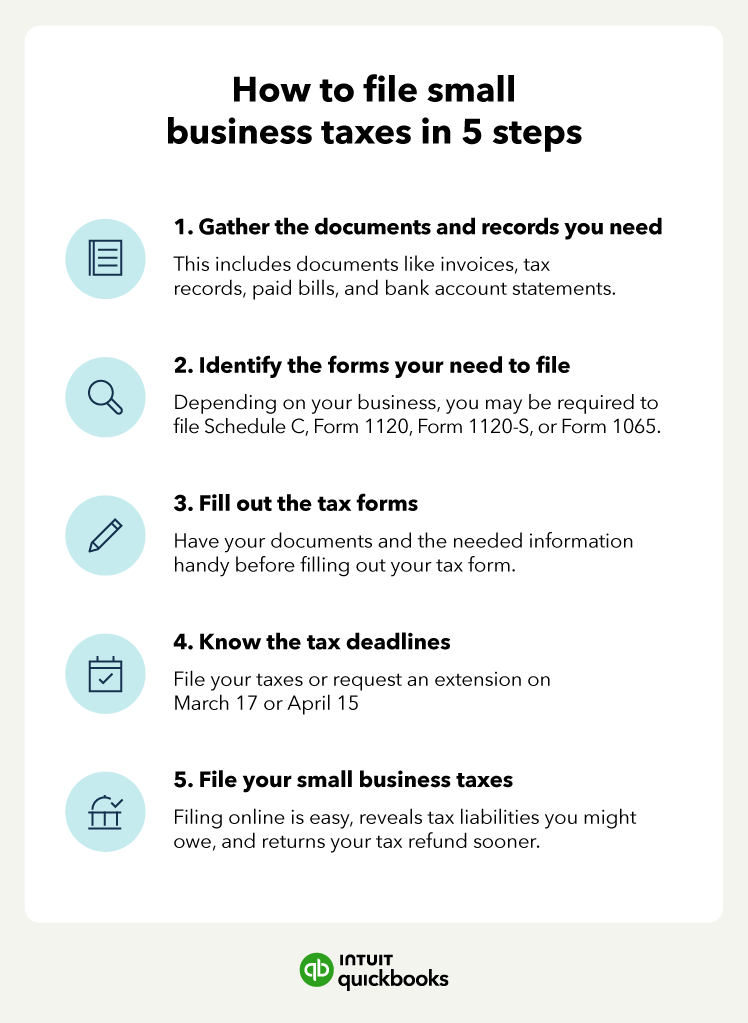
The difference between a stressful tax season and a seamless one almost always boils down to organization. In the world of finance, data is king. Without a structured approach to your documentation, you risk missing out on significant savings or, worse, triggering an inquiry from tax authorities.
Gathering Essential Income Documentation
The first step in any tax return process is consolidating your various income streams. For traditional employees, this primarily involves the W-2 form, which summarizes your annual earnings and the taxes already withheld by your employer. However, in today’s “gig economy” or for those with diverse investment portfolios, the paperwork often extends far beyond a single form.
You must collect all 1099 forms—whether they are 1099-NEC for non-employee compensation, 1099-INT for interest earned in savings accounts, or 1099-DIV for dividends from stocks. For those involved in real estate or partnerships, Schedule K-1s are vital. Ensuring you have every piece of income documented prevents discrepancies between your filing and the records held by the IRS or relevant tax bodies.
Establishing a Robust Record-Keeping System
Effective tax preparation is a year-round activity. To avoid the “shoebox method” of stuffing receipts away and hoping for the best in April, professionals recommend digital record-keeping. Maintaining a dedicated folder (either physical or digital) for tax-deductible expenses—such as medical bills, charitable contributions, and business-related costs—ensures that you have the evidence required to support your claims. In the eyes of a financial auditor, if a transaction isn’t documented, it effectively didn’t happen.
Strategic Deductions and Credits: Maximizing Your Wealth
One of the most powerful aspects of doing your tax return is the ability to lower your taxable income. This is not about “beating the system,” but rather about utilizing the legal frameworks designed to encourage certain economic behaviors, such as homeownership, education, and investment.
Choosing Between Standard and Itemized Deductions
A pivotal decision in the tax return process is whether to take the standard deduction or to itemize. The standard deduction is a flat amount that reduces your taxable income, and for many, it is the most efficient route. However, if your qualifying expenses—such as mortgage interest, state and local taxes (SALT), and significant medical expenses—exceed the standard deduction threshold, itemizing becomes the superior financial strategy. A thorough analysis of these numbers can potentially save you thousands of dollars in tax liability.
Leveraging Tax Credits for Dollar-for-Dollar Savings
While deductions lower the amount of income you are taxed on, tax credits are even more potent: they reduce your actual tax bill dollar-for-dollar. Understanding the available credits is essential for any savvy taxpayer.
The Earned Income Tax Credit (EITC) provides substantial relief for low-to-moderate-income working individuals, while the Child Tax Credit offers a significant boon for families. Furthermore, for those investing in their future, the Lifetime Learning Credit or the American Opportunity Tax Credit can offset the high costs of higher education. From a wealth-management perspective, identifying and claiming these credits is one of the highest-return activities you can perform all year.

Navigating the Filing Process: Methods and Professional Oversight
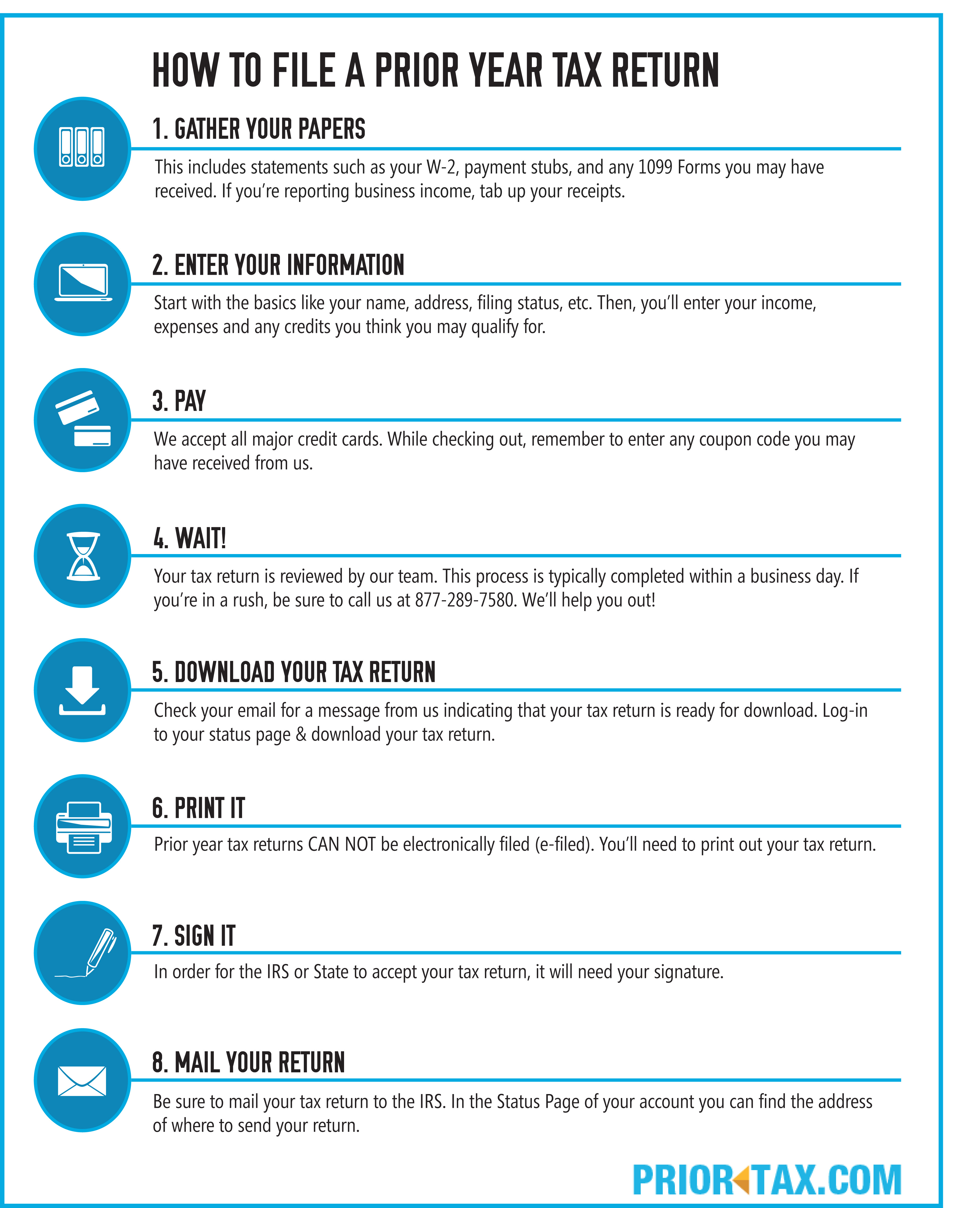
Once your data is organized and your strategy is set, you must decide how to physically (or digitally) submit your return. The method you choose can impact the speed of your refund and the accuracy of your filing.
The Rise of Digital Filing and Financial Tools
In the modern era, e-filing has become the standard for efficiency. Utilizing financial software allows for automated calculations and error-checking that manual paper filing simply cannot match. Digital tools often bridge the gap between your bank accounts and your tax forms, importing data directly to minimize human error. Moreover, e-filing with direct deposit is the fastest way to receive a refund, which is a key component of cash flow management for many households.
When to Consult a Professional Tax Strategist
For individuals with straightforward income, DIY software is often sufficient. However, as your financial life grows in complexity—perhaps through the acquisition of rental properties, foreign assets, or a small business—the value of a Certified Public Accountant (CPA) or a tax attorney increases.
A professional does more than just fill out forms; they provide strategic advice on tax-loss harvesting, retirement contribution limits, and estate planning. In many cases, the cost of hiring a professional is offset by the tax savings they identify, making it a sound investment in your overall financial strategy.
Post-Filing Best Practices and Long-Term Financial Planning
The process of “doing your tax returns” does not end the moment you click “submit.” To maintain a healthy financial trajectory, you must treat the completion of your return as the beginning of the next fiscal cycle.
Analyzing the Refund vs. Liability Balance
Receiving a large tax refund is often celebrated, but from a strict financial management perspective, it represents an interest-free loan you have given to the government. Conversely, a large tax bill at the end of the year can cause a liquidity crisis.
Use the data from your completed return to adjust your withholdings (Form W-4). The goal is to get as close to a $0 balance as possible, allowing you to use that money throughout the year for high-yield savings, debt reduction, or market investments. This proactive adjustment is a hallmark of sophisticated personal finance.
Record Retention and Audit Preparedness
Financial security relies on being prepared for the unexpected. You should retain copies of your tax returns and all supporting documentation for at least three to seven years, depending on your jurisdiction. In the event of an audit, having a well-organized archive of your financial history is your best defense. This level of diligence not only protects your current assets but also provides a historical record of your financial growth, which can be invaluable when applying for mortgages or business loans in the future.
Integrating Tax Returns into Your Wealth Strategy
Finally, use your tax return as a diagnostic tool. Your Adjusted Gross Income (AGI) and your effective tax rate are vital metrics for your financial dashboard. Reviewing these figures annually helps you determine if you are moving toward your wealth-building goals or if you need to pivot your strategy—perhaps by increasing contributions to tax-advantaged accounts like a 401(k) or an IRA.
By shifting your perspective from seeing the tax return as a burden to seeing it as a financial opportunity, you take control of your economic destiny. Professionalism in your tax filings is not just about staying out of trouble; it is about building a solid foundation for lifelong financial prosperity.
aViewFromTheCave is a participant in the Amazon Services LLC Associates Program, an affiliate advertising program designed to provide a means for sites to earn advertising fees by advertising and linking to Amazon.com. Amazon, the Amazon logo, AmazonSupply, and the AmazonSupply logo are trademarks of Amazon.com, Inc. or its affiliates. As an Amazon Associate we earn affiliate commissions from qualifying purchases.