
Finding the best auto insurance rates is no longer just a matter of picking a well-known brand from a television commercial. In the current economic climate, characterized by fluctuating inflation and rising repair costs, auto insurance has become a significant line item in the average household budget. For the savvy consumer, the question of “who has the best rates” is deeply tied to personal financial strategy. It requires an understanding of underwriting variables, market trends, and the delicate balance between premium costs and asset protection.
This guide explores the landscape of the modern insurance market, identifying the top providers for specific demographics and offering actionable financial strategies to lower your annual expenditures without sacrificing coverage quality.
The Architecture of Premium Pricing: Why “Best” Is Relative
To understand who offers the best rates, one must first understand that insurance pricing is not static. It is a calculation of risk assessment known as underwriting. What is the “cheapest” for a 45-year-old homeowner in Ohio will be drastically different for a 22-year-old renter in Florida.
The Impact of Credit-Based Insurance Scores
In most states, your financial health directly dictates your insurance premiums. Actuarial data suggests a high correlation between credit management and driving responsibility. Individuals with “Excellent” credit scores often pay up to 50% less than those with “Poor” credit, even if both drivers have clean records. From a personal finance perspective, improving your credit score is one of the most effective long-term strategies for securing the best insurance rates.
Demographic and Geographic Variables
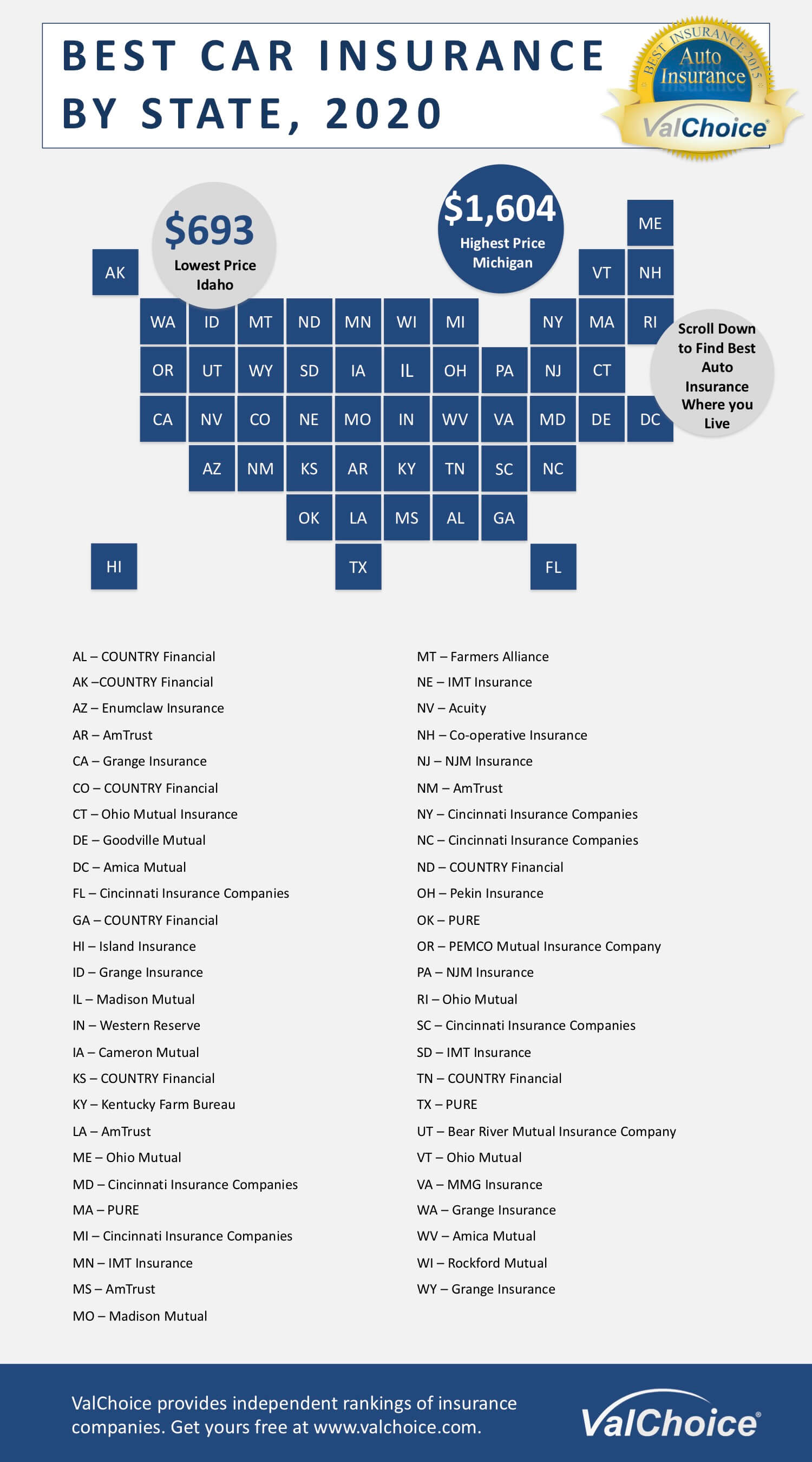
Insurance is a game of geography. Rates are determined by the frequency of claims in your specific ZIP code. Factors such as theft rates, litigation climates, and the likelihood of severe weather (like hail or floods) influence the base rate. Furthermore, demographic factors such as age, marital status, and education level are utilized by insurers to categorize risk. For instance, married couples are statistically less likely to file claims, often resulting in “loyalty” or “stability” discounts.
Vehicle Selection and Repairability
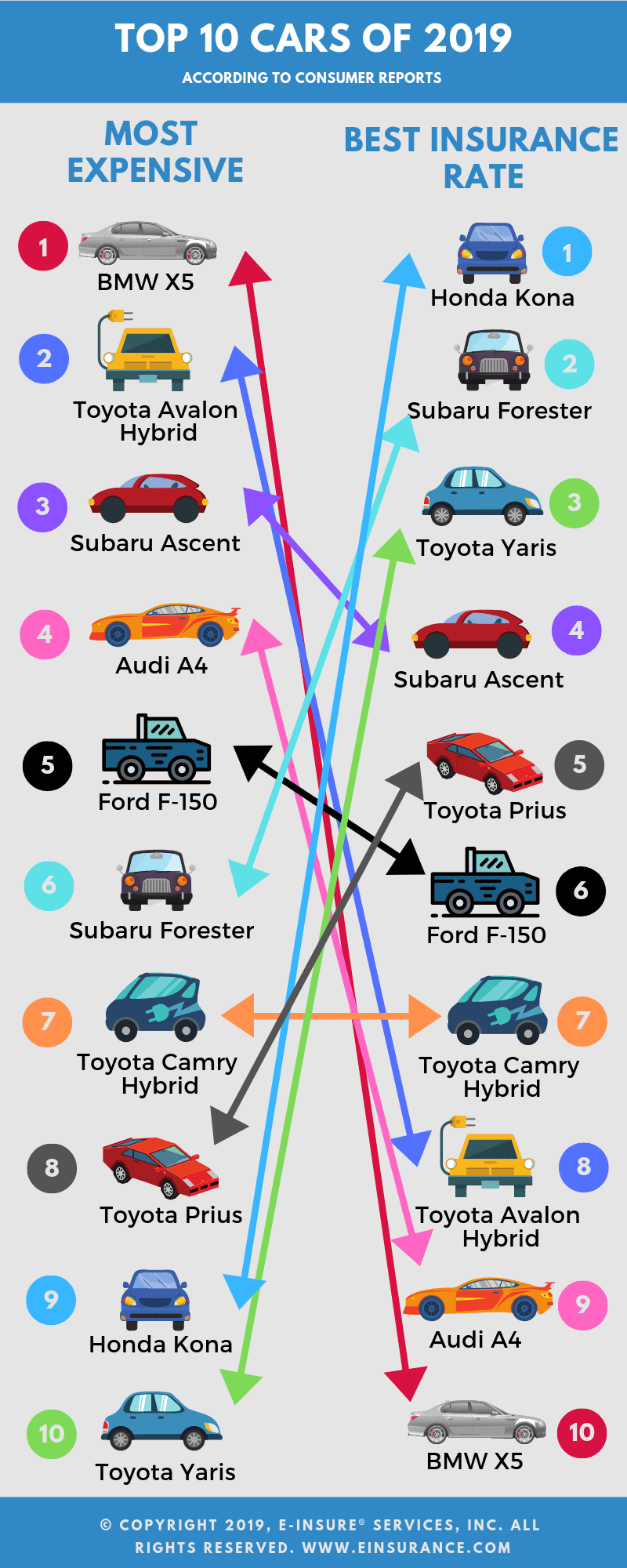
The car you choose to drive is a primary driver of your premium. It isn’t just about the retail value of the car; it’s about the cost to repair it. High-tech vehicles equipped with complex sensor arrays (LIDAR and cameras) in the bumpers are more expensive to fix after minor collisions. Consequently, a modest sedan with high safety ratings and low repair costs will almost always yield better insurance rates than a luxury vehicle or a high-performance sports car.
The Top Contenders: Who Consistently Offers the Lowest Rates?
While the market is fragmented, a few key players consistently dominate the rankings for the best auto insurance rates. These companies leverage massive data sets and efficient claims processing to keep costs down for the consumer.
GEICO: The Power of Direct-to-Consumer Scaling
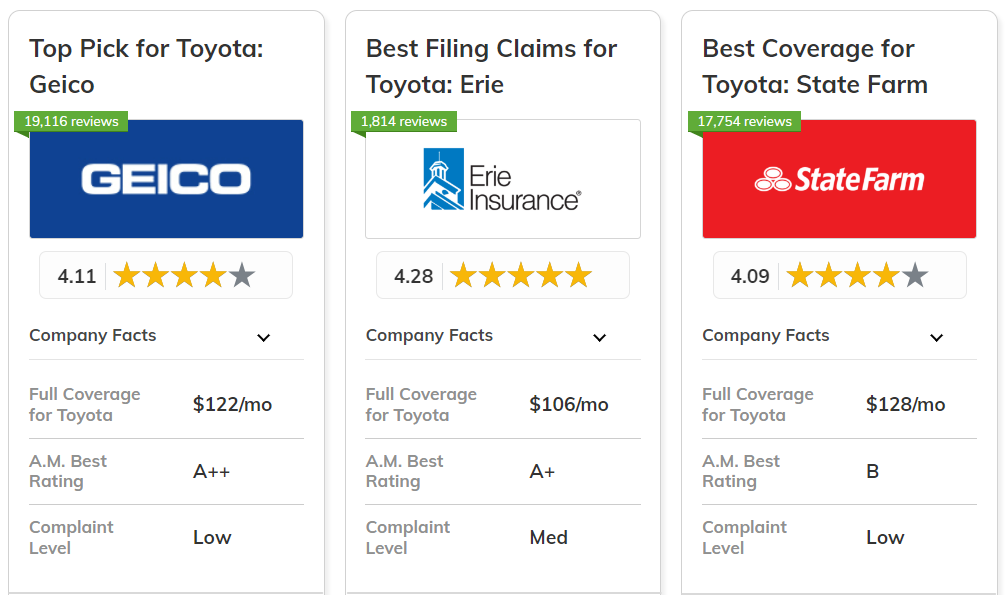
GEICO (Government Employees Insurance Company) has long been a titan in the low-cost insurance space. By utilizing a direct-to-consumer model—cutting out the middleman or local agent in many cases—they reduce overhead costs. GEICO is often the benchmark for the “best overall rate” for drivers with clean records and good credit. Their robust digital platform allows for seamless policy management, making them a favorite for those who prioritize both financial savings and technological ease.
State Farm: Best for Personalized Service and Young Drivers
While GEICO wins on pure volume, State Farm often provides the best rates for families and young drivers. Through their “Steer Clear” and “Student Away at School” programs, they offer substantial discounts that many competitors cannot match. State Farm operates through a vast network of local agents, which provides a layer of financial consultation. For many, the “best rate” includes the value of having a professional advocate when navigating a complex claim.
Progressive: The Leader for High-Risk and Snapshot Savings
Progressive revolutionized the industry with its “Name Your Price” tool and its early adoption of telematics. For drivers with a less-than-perfect record—perhaps a recent speeding ticket or a small at-fault accident—Progressive often provides more competitive rates than traditional “standard” insurers. Their Snapshot program rewards safe driving habits with significant discounts, allowing drivers to prove they are lower-risk than their demographic profile might suggest.
USAA: The Gold Standard for Military Families
It is impossible to discuss the best insurance rates without mentioning USAA. Consistently ranked at the top for both price and customer service, USAA is exclusive to active-duty military, veterans, and their immediate families. Because of their specific member base, they offer rates that are frequently 20% to 30% lower than the national average. If you are eligible, USAA is almost always the best financial choice.
Strategic Comparison: How to Audit Your Insurance Costs
Securing the best rate requires a proactive approach to financial management. You should not treat auto insurance as a “set it and forget it” expense.
The Rule of Three: Comparison Shopping
Financial experts recommend shopping for auto insurance rates at least once every 12 to 18 months, or whenever a major life event occurs (moving, getting married, or buying a new home). To get an accurate comparison, you must ensure you are comparing “apples to apples.” This means keeping your liability limits, comprehensive/collision deductibles, and uninsured motorist coverage identical across all quotes.
Understanding Coverage Limits vs. Deductibles
The “best” rate is not always the lowest monthly payment. If you have a $500 deductible but no emergency savings, an accident could derail your finances. Conversely, if you have a healthy emergency fund, increasing your deductible from $500 to $1,000 can reduce your premium by 15% to 30%. This is a strategic move: you are essentially “self-insuring” for small losses to save significant capital on the annual premium.
The Benefits of Bundling (Multi-Policy Discounts)
One of the most effective ways to lower your rate is through “bundling.” Insurers want your entire portfolio of business. By combining your auto insurance with homeowners, renters, or life insurance, you can trigger discounts ranging from 5% to 25%. From a wealth-management perspective, consolidating your insurance needs with one highly-rated carrier often yields the best “Total Cost of Coverage.”
Modern Financial Tools: Using Technology to Lower Premiums
The intersection of finance and technology (FinTech) has birthed new ways to capture lower insurance rates. These tools allow for a more granular assessment of risk, often resulting in lower costs for disciplined drivers.
Telematics and Usage-Based Insurance (UBI)
Usage-based insurance is a game-changer for people who drive infrequently or very safely. Programs like State Farm’s Drive Safe & Save or Allstate’s Drivewise use smartphone apps or plug-in devices to monitor braking, acceleration, and mileage. If you are a remote worker who only puts 5,000 miles a year on your car, you shouldn’t be paying the same rate as a daily commuter. Telematics allows the “best rate” to be tailored to your actual behavior rather than a statistical average.
Pay-Per-Mile Models
For urban dwellers or retirees, pay-per-mile insurance (offered by companies like Metromile or Mile Auto) is often the most financially sound option. You pay a low monthly base rate plus a few cents per mile. This model aligns your insurance costs directly with your vehicle usage, ensuring that your money isn’t being wasted on a car that sits in a garage.
Periodic Policy Audits
Beyond just switching carriers, you should audit your current policy for “premium leakage.” Are you paying for roadside assistance that is already covered by your credit card or AAA membership? Are you paying for rental car reimbursement when you have a spare vehicle at home? Eliminating these redundant coverages can shave significant amounts off your bill, ensuring your money is working as efficiently as possible.
Conclusion: The Path to the Best Value
Determining who has the best auto insurance rates is a personalized financial journey. While GEICO, State Farm, and Progressive lead the market in various categories, the “best” rate is ultimately found at the intersection of your unique risk profile and your coverage needs.
By viewing auto insurance as a dynamic component of your personal finance strategy—rather than a static bill—you can take control of your premiums. Improving your credit score, opting for telematics, leveraging bundling discounts, and performing annual rate audits are the keys to minimizing your insurance spend while maximizing your financial security. In the end, the best rate is the one that provides the highest level of protection for the lowest possible cost, allowing you to reallocate those savings toward your long-term wealth-building goals.
aViewFromTheCave is a participant in the Amazon Services LLC Associates Program, an affiliate advertising program designed to provide a means for sites to earn advertising fees by advertising and linking to Amazon.com. Amazon, the Amazon logo, AmazonSupply, and the AmazonSupply logo are trademarks of Amazon.com, Inc. or its affiliates. As an Amazon Associate we earn affiliate commissions from qualifying purchases.