
The transition from childhood to the teenage years is marked by an increasing desire for autonomy, and nowhere is this more evident than in the realm of personal finance. In an era where cash is rapidly becoming a secondary medium of exchange, the ability to navigate digital transactions is a fundamental life skill. For a 14-year-old, obtaining a debit card is more than just a convenience for buying snacks or video games; it is a foundational step toward financial literacy, responsibility, and understanding the modern banking ecosystem.
However, the process of securing a debit card as a minor involves navigating specific legal requirements, choosing the right financial products, and establishing a collaborative relationship with a parent or guardian. This guide explores the multifaceted world of teen banking, providing a roadmap for 14-year-olds and their parents to enter the financial world safely and effectively.
Understanding the Legal and Financial Framework for Minor Accounts
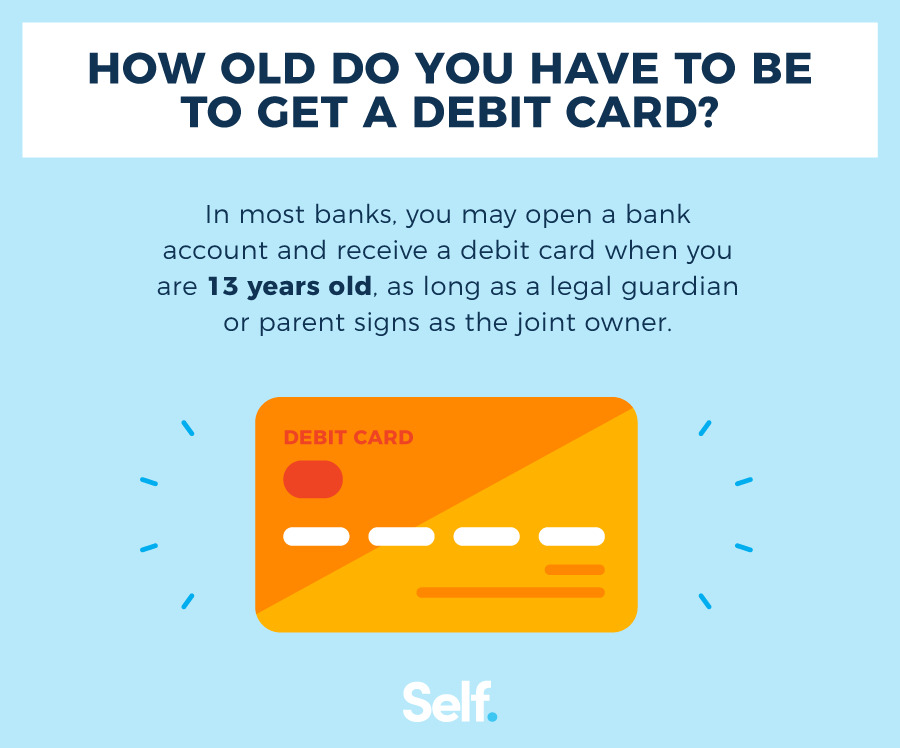
Before diving into the “how,” it is essential to understand the “why” behind the restrictions placed on minor accounts. In the eyes of the law, individuals under the age of 18 are considered minors and generally lack the legal capacity to enter into binding contracts. Because a bank account is essentially a contract between a consumer and a financial institution, 14-year-olds cannot simply walk into a bank and open an account on their own.
The Role of Parental Sponsorship and Joint Ownership
To bridge the legal gap, financial institutions offer “Joint Accounts” or “Custodial Accounts.” For a 14-year-old to get a debit card, a parent or legal guardian must serve as a co-signer. This means the adult shares legal responsibility for the account. From a financial perspective, this acts as a safety net. If the account somehow falls into a negative balance, the adult is ultimately responsible for the funds. This partnership allows the teen to gain hands-on experience while the adult maintains oversight to prevent significant financial mishaps.
Legal Age Requirements and the “Age of Majority”
While 14 is a common age for teens to start showing interest in personal finance—often coinciding with first part-time jobs or increased social activities—the “Age of Majority” (usually 18 in the US) is when these restrictions are lifted. Until then, the banking relationship is governed by the Electronic Fund Transfer Act and various state-level regulations that protect minors. Understanding that this is a “supervised” financial environment is crucial for setting expectations for both the teen and the parent.
Comparing the Best Financial Tools for 14-Year-Olds
The market for teen banking has exploded in recent years, moving far beyond the traditional “piggy bank” model. Today, families have two primary paths: traditional brick-and-mortar banks and modern fintech (financial technology) apps. Each offers unique benefits tailored to different needs.
Traditional Teen Checking Accounts vs. Fintech Prepaid Cards
Most major national banks offer specific “Teen Checking” or “Student Checking” accounts. These are often the most cost-effective options because they frequently waive monthly maintenance fees for students. They provide a “real” banking experience, including a routing number for direct deposit and access to a vast network of ATMs.
On the other hand, fintech companies like Greenlight, Step, or Copper have revolutionized the space. These are often technically “prepaid” cards rather than full checking accounts, but they function identically at the point of sale. The advantage of fintech tools is their robust mobile interface, designed specifically for a younger demographic, featuring gamified savings goals and instant parental notifications.
Key Features to Look For: Fees, Limits, and Parental Controls
When selecting a card at 14, the “Money” aspect is paramount. You must look at the fine print:
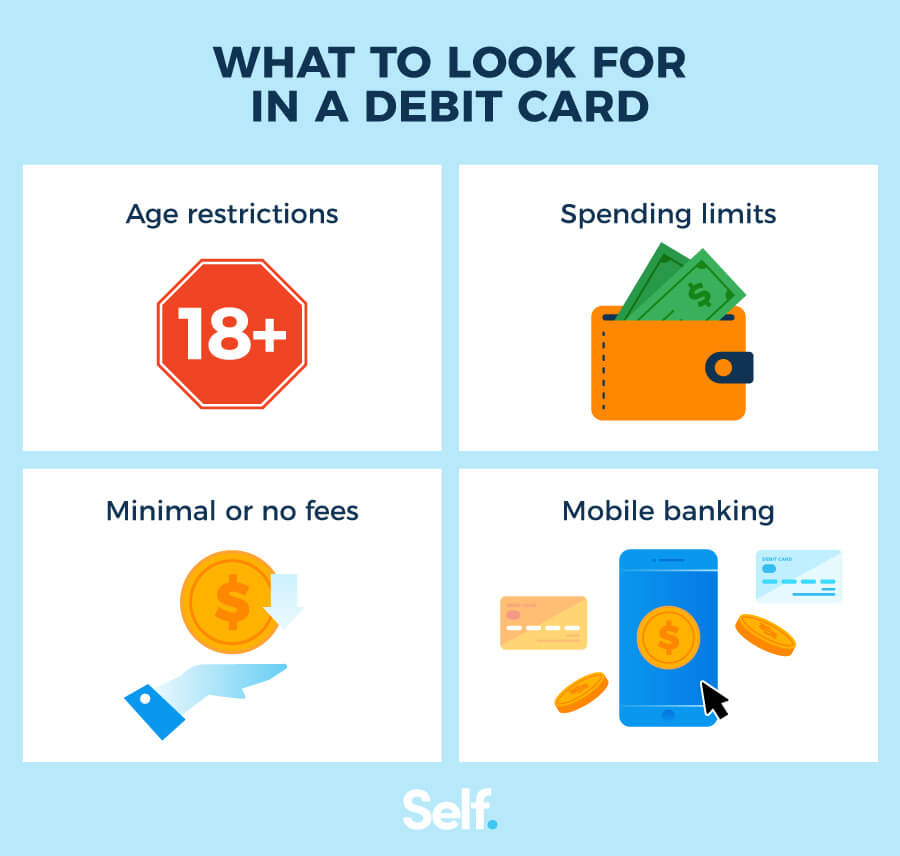
- Monthly Fees: Many fintech apps charge a subscription fee (e.g., $4.99/month), whereas traditional banks may offer the account for free.
- Spending Limits: Parents often prefer the ability to set daily spending limits to prevent impulse buys.
- ATM Access: Check if the card allows fee-free withdrawals. For a 14-year-old who might need cash for a school event, an out-of-network ATM fee can represent a huge percentage of their balance.
- Parental Monitoring: Look for “Real-time Alerts.” This ensures that every time the card is swiped, the parent receives a notification, allowing for immediate discussion about spending choices.
Step-by-Step Process: From Application to Activation
Once you have chosen the right institution, the actual process of getting the card is relatively straightforward, provided you have the correct documentation ready. Banking is a highly regulated industry, and “Know Your Customer” (KYC) laws require institutions to verify the identity of both the minor and the adult.
Gathering Necessary Documentation
To open an account for a 14-year-old, you will typically need the following items:
- Social Security Numbers: Required for both the teen and the parent for tax and identification purposes.
- Government-Issued ID for the Parent: A driver’s license or passport.
- Identification for the Teen: This can be tricky at 14. Usually, a birth certificate, Social Security card, or a student ID is sufficient.
- Proof of Address: A utility bill or bank statement in the parent’s name.
The Application Process: Online vs. In-Branch
Most modern banks and all fintech apps allow you to apply entirely online or through a mobile app. The process usually takes less than 15 minutes. However, visiting a local branch can be a valuable educational experience for a 14-year-old. It demystifies the banking system and allows them to ask a professional about how interest works or how to use an ATM safely. If applying online, ensure you are on a secure network to protect sensitive personal data.
Setting Up Security and Digital Wallets
After the application is approved, the physical card will usually arrive by mail within 7-10 business days. Upon arrival, the teen will need to call a number or use an app to activate it and set a Personal Identification Number (PIN). At 14, it is also the perfect time to discuss digital wallets like Apple Pay or Google Pay. Most banks allow teens to add their debit cards to their phones, which is often more secure than carrying a physical card, as it requires biometric authentication (FaceID or fingerprint) for every transaction.
Building Financial Habits: Using Your First Debit Card Wisely
The ultimate goal of getting a debit card at 14 isn’t just to spend money—it’s to learn how to manage it. This is the “Personal Finance” core of the experience. A debit card is a tool that, if used incorrectly, can lead to poor habits that persist into adulthood.
Budgeting Basics for Teens
Possessing a debit card makes money feel “invisible.” When you hand over a $20 bill, you see it leave; when you tap a card, the balance just changes on a screen. To combat this, 14-year-olds should be encouraged to use the “50/30/20” rule modified for teens:
- 50% for Needs/Wants: Daily spending, movies, or snacks.
- 30% for Long-term Savings: Saving up for a car or a high-end laptop.
- 20% for Giving or Investing: Learning the value of charity or the power of compound interest.
Understanding the Risks: Overdrafts and Fraud Prevention
Education must include the “dark side” of banking. A critical lesson is the “Overdraft.” If a 14-year-old tries to spend $15 when they only have $10, some banks might allow the transaction but charge a $35 fee. Parents should look for accounts with “Overdraft Protection” that simply declines the card if funds are insufficient.
Furthermore, digital security is paramount. Teens are often targets for social media scams promising “free money” or “account flips.” Part of owning a debit card is learning never to share a PIN, never to photograph the card for social media, and how to spot phishing texts that claim their account has been locked.

Conclusion: The Long-Term Impact of Early Banking
Granting a 14-year-old access to a debit card is a significant milestone in their journey toward adulthood. By shifting the focus from “permission to spend” to “responsibility to manage,” parents provide their children with a head start in the complex world of personal finance.
The technical steps—choosing a bank, gathering documents, and activating the card—are merely the entry point. The real value lies in the conversations that follow: discussing the difference between a need and a want, understanding the mechanics of digital security, and witnessing the growth of a savings account over time. When a teenager enters their college years or the workforce already knowing how to balance an account and avoid unnecessary fees, they are far ahead of their peers. In the end, a debit card at 14 is not just a piece of plastic; it is a laboratory for life’s most essential financial lessons.
aViewFromTheCave is a participant in the Amazon Services LLC Associates Program, an affiliate advertising program designed to provide a means for sites to earn advertising fees by advertising and linking to Amazon.com. Amazon, the Amazon logo, AmazonSupply, and the AmazonSupply logo are trademarks of Amazon.com, Inc. or its affiliates. As an Amazon Associate we earn affiliate commissions from qualifying purchases.