
Navigating the landscape of personal finance often requires making strategic shifts in where you hold your capital. Whether you are moving toward a high-yield online savings account, consolidating your assets for better visibility, or simply looking to escape monthly maintenance fees, knowing how to close a Chase account correctly is a vital financial skill.
While Chase is one of the largest financial institutions in the world, there comes a time for many consumers when a relationship with a “Big Four” bank no longer serves their specific financial goals. However, closing a bank account is not as simple as withdrawing your cash and walking away. To protect your credit score, avoid unnecessary fees, and ensure a seamless transition to your next institution, you must follow a structured protocol. This guide provides a comprehensive breakdown of how to exit your Chase accounts with professional precision.
Pre-Closure Checklist: Securing Your Financial Data
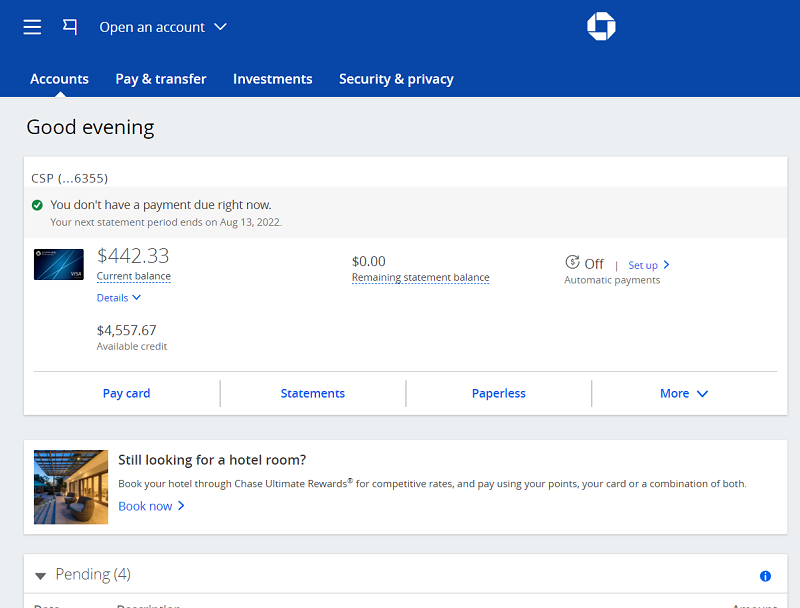
Before you initiate the formal closing process with Chase, you must conduct a thorough audit of your current financial standing. Closing an account prematurely without reconciling outstanding transactions can lead to “zombie accounts,” overdraft fees, or negative reports to ChexSystems.
Transferring Your Remaining Balance
The first priority in any account closure is the movement of liquid assets. While you can ask Chase to issue a check for your remaining balance upon closure, it is often more efficient to transfer the funds yourself via an External Transfer (ACH) to your new institution. Ensure that you leave a small buffer—roughly $50 to $100—in the Chase account until the very last moment to cover any unexpected trailing transactions. Once you are certain all checks have cleared, you can move the final remaining cents.
Managing Automatic Payments and Direct Deposits
This is the phase where most individuals encounter friction. You must audit at least three to six months of bank statements to identify every recurring payment linked to your Chase account. This includes utility bills, subscription services, insurance premiums, and gym memberships.
Simultaneously, you must redirect your direct deposits. Contact your employer’s payroll department to update your routing and account numbers. It is recommended to keep your Chase account open for at least one full pay cycle after your new direct deposit has been established to ensure no funds are sent to a closed account, which can result in significant delays in receiving your salary.
Archiving Statements and Tax Documents
Once an account is closed, your access to the Chase online banking portal will eventually be terminated or severely restricted. From a financial management perspective, it is critical to download the last seven years of statements and any relevant tax documents (such as 1099-INT forms for interest earned). These records are essential for future tax audits, mortgage applications, or resolving disputes with merchants.
The Mechanics of Closing Your Chase Account
Chase offers several channels for closing an account, ranging from digital self-service to in-person consultations. The method you choose should depend on your comfort level and the complexity of your financial relationship with the bank.
Closing via Online Banking or Secure Message
For those who prefer a digital-first approach, Chase allows users to request account closure through their Secure Message Center. After logging into your account on a desktop browser, navigate to the “Messages” section and compose a new message. Select the account you wish to close and clearly state your request.
The benefit of this method is that it creates a written paper trail of your request. However, Chase may still require you to call a representative if there are complexities, such as a negative balance or linked investment accounts.
Closing Over the Phone
Calling Chase Customer Service (1-800-935-9935) is often the fastest way to finalize a closure. When speaking with a representative, be prepared for a “retention pitch.” Banks are incentivized to keep your business and may offer to waive fees or provide other incentives to stay. If your decision is firm, politely decline and insist on the closure. Ensure you ask the representative for a “service request number” or a confirmation number for the closure for your personal records.
Visiting a Local Branch
If you prefer a more personal touch or if you are closing a business account with multiple signers, visiting a local Chase branch is the most direct route. By speaking with a personal banker, you can receive a printed confirmation of the closure on the spot. This is also the best method if you wish to withdraw your remaining balance in cash or via a cashier’s check immediately.
Navigating Different Account Types
Not all Chase accounts are created equal. The strategy for closing a standard checking account differs significantly from closing a credit card or a business entity.
Checking and Savings Accounts
For standard liquid accounts, the primary concern is the “minimum balance requirement.” Many Chase accounts, such as the Total Checking, charge a monthly fee unless a specific balance is maintained. If your balance drops to zero during the transfer process, you might be hit with a fee just as you are trying to leave. To avoid this, ask the banker to waive the final month’s fee as part of the closure process.
Credit Card Accounts and Credit Score Impacts
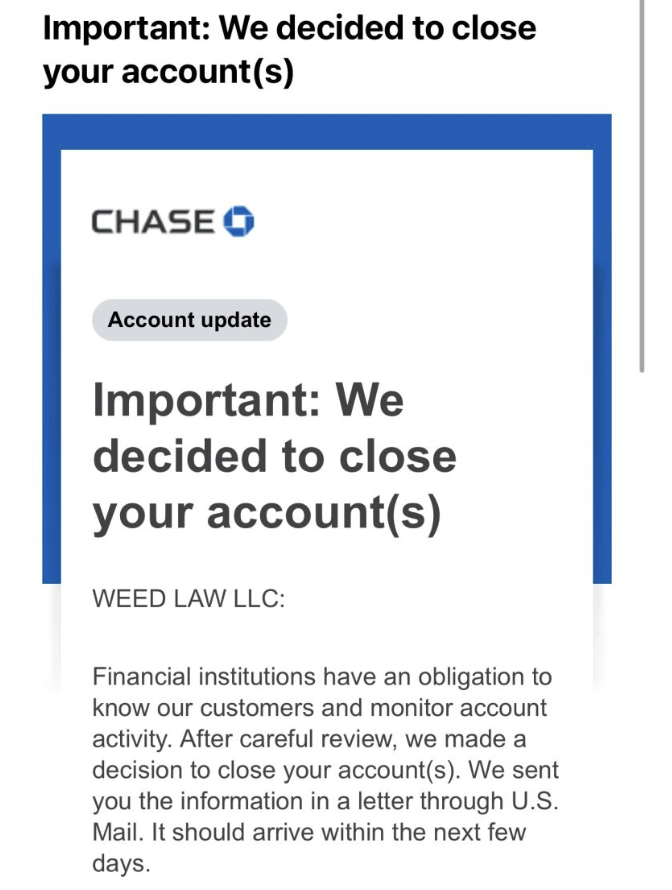
Closing a Chase credit card, such as a Sapphire Preferred or a Freedom Flex, requires a different set of considerations. Unlike checking accounts, closing a credit line can impact your credit score in two ways: it reduces your total available credit (increasing your credit utilization ratio) and it may eventually shorten your average age of accounts.
Before closing a credit card, consider “downgrading” or “product switching” to a no-annual-fee version of the card. This preserves your credit history and your available credit limit while eliminating the cost of ownership. If you must close the card, ensure all “Ultimate Rewards” points are transferred to another Chase card or redeemed, as they are typically forfeited upon closure.
Business Accounts
Closing a Chase Business Complete Banking account often requires more documentation. If your business is a partnership or a corporation, Chase may require a formal resolution or the presence of all authorized signers. Ensure your business bookkeeping software (like QuickBooks or Xero) is synced one last time before the bank feed is cut off.
Post-Closure Steps and Financial Safeguarding
The process does not end the moment the banker says “it’s closed.” To ensure complete financial health, you must follow through with several post-closure safeguards.
Confirming Your Account Status
Approximately 10 to 14 business days after your request, you should receive a formal letter in the mail confirming the account has been closed with a $0.00 balance. If you do not receive this, follow up immediately. An account that remains “open” with a $0 balance may eventually incur a maintenance fee, pushing the account into a negative balance and potentially triggering a report to credit bureaus.
Destroying Physical Cards and Checks
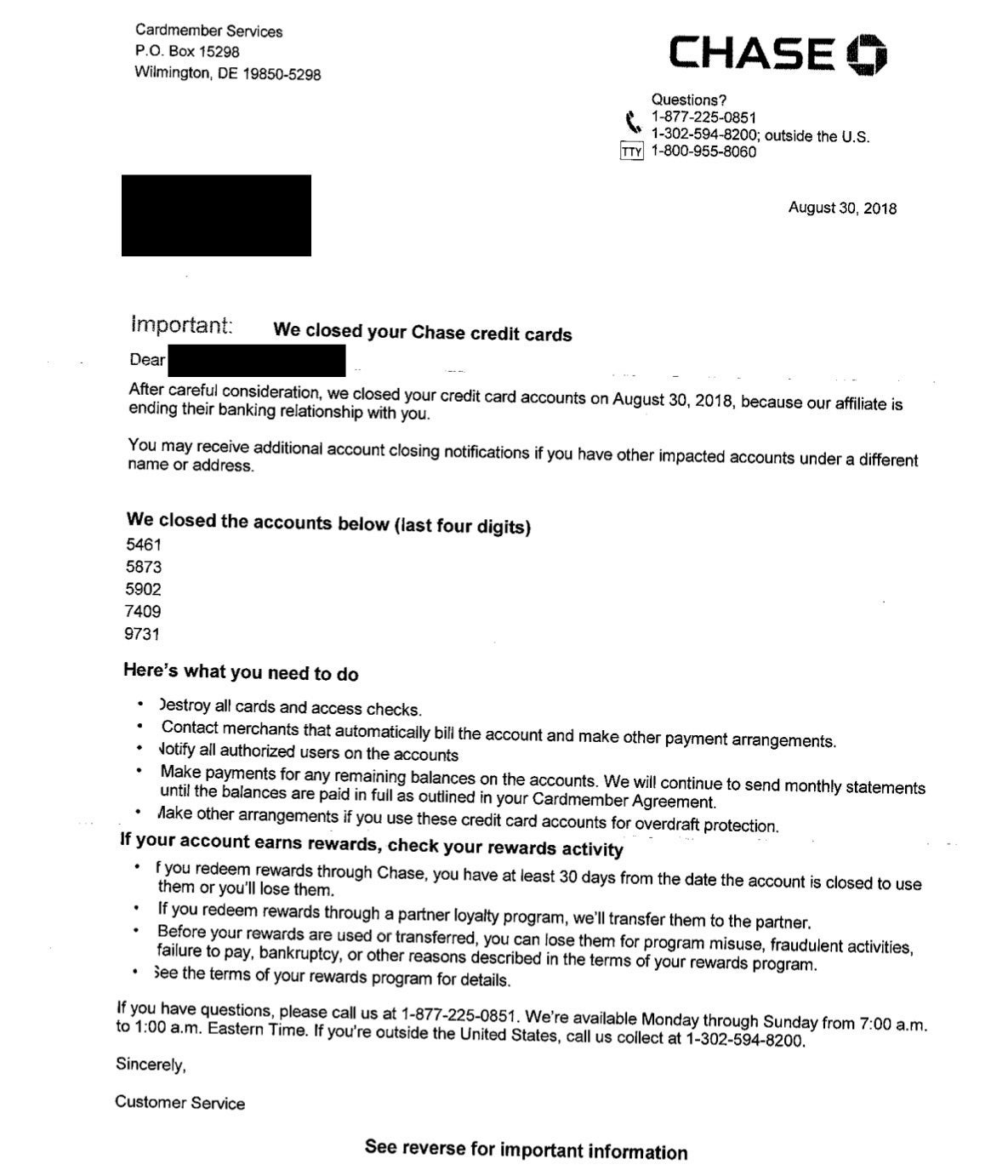
Once the account is deactivated, your physical debit cards, credit cards, and unused checks become liability risks. Do not simply throw them in the trash. Use a cross-cut shredder to destroy cards and checks. This prevents “dumpster diving” identity theft and ensures that no one can attempt to use a defunct check, which could lead to legal complications or “closed account” return fees from merchants.
Avoiding “Zombie” Accounts and the Re-Opening Trap
One of the most frustrating aspects of modern banking is the “zombie account” phenomenon. This happens when a stray automated payment (like an old utility bill) hits a closed account. Some banks, including Chase, may automatically re-open the account to honor the payment, subsequently charging you an overdraft fee and a monthly service fee.
To prevent this, monitor your new bank account closely and ensure that every single vendor has updated your information. If a merchant attempts to charge your closed Chase account, contact the merchant immediately to rectify the error and inform them that the payment method is no longer valid.
Conclusion: Strategic Movement in Your Financial Journey
Closing a Chase account is a significant step in taking control of your financial destiny. Whether you are seeking better interest rates, lower fees, or a more specialized banking experience, the transition should be handled with the same level of care you would give to an investment portfolio.
By following a structured approach—securing your data, choosing the right closure channel, understanding the nuances of different account types, and following up on the final status—you protect your financial reputation. Remember, a bank is a tool meant to serve your wealth-building goals. When a tool is no longer effective, knowing how to professionally retire it is the mark of a sophisticated and proactive manager of personal finance. Moving your capital is not just about changing where your money sits; it is about ensuring your financial infrastructure is always aligned with your long-term prosperity.
aViewFromTheCave is a participant in the Amazon Services LLC Associates Program, an affiliate advertising program designed to provide a means for sites to earn advertising fees by advertising and linking to Amazon.com. Amazon, the Amazon logo, AmazonSupply, and the AmazonSupply logo are trademarks of Amazon.com, Inc. or its affiliates. As an Amazon Associate we earn affiliate commissions from qualifying purchases.