
The stock market, often perceived as a barometer of economic health and corporate prosperity, is a complex, ever-shifting entity. Its movements – whether soaring highs, precipitous drops, or periods of frustrating stagnation – frequently prompt the question: “What happened?” This inquiry, simple on the surface, unravels a tapestry of interconnected economic, political, technological, and psychological factors that continually shape the value of investments worldwide. Understanding these forces is not merely an academic exercise; it’s crucial for investors, policymakers, and anyone whose financial well-being is tied to the broader economy. This article delves into the multifaceted reasons behind stock market fluctuations, dissecting the primary drivers that explain why the market acts the way it does.

Understanding the Stock Market’s Intrinsic Volatility
At its core, the stock market is a dynamic mechanism designed to price future expectations. It’s a forward-looking entity, constantly trying to predict the profitability of companies and the health of the economy months, if not years, in advance. This inherent predictive nature is precisely what makes it volatile and susceptible to a myriad of influences.
The Market as a Discounting Mechanism
The current price of a stock, or an entire market index, is not just a reflection of past performance but rather a collective assessment by millions of investors of what earnings, growth, and dividends a company (or the economy) will generate in the future. When new information emerges – be it positive or negative – investors immediately “discount” this information into current prices. This rapid adjustment can lead to significant swings, as expectations are constantly being revised. A strong earnings report might send a stock soaring, not just because the company performed well last quarter, but because it suggests a promising outlook. Conversely, a revised downward guidance can cause a sharp decline, signaling future headwinds.
The Role of Supply and Demand Dynamics
Like any market, the stock market operates on the fundamental principles of supply and demand. When there are more buyers than sellers for a particular stock or the market as a whole, prices tend to rise. Conversely, an excess of sellers leads to falling prices. This dynamic is influenced by everything from individual investor decisions to large institutional trades, algorithmic trading, and broad market sentiment. Factors that increase demand might include strong economic data, corporate innovation, or positive news, while factors that increase supply (i.e., selling pressure) could be profit-taking, fear of recession, or unexpected negative events.
The Impact of Investor Sentiment and Behavioral Economics
Beyond cold, hard data, the collective psychology of investors plays a profound role. Fear and greed are powerful emotions that can override rational decision-making, leading to market bubbles and crashes. During periods of irrational exuberance, investors might bid up asset prices far beyond their intrinsic value, creating bubbles. When these bubbles burst, often triggered by a loss of confidence or a significant negative event, panic selling can cascade, leading to sharp declines. Behavioral economics highlights how cognitive biases, herd mentality, and emotional responses contribute significantly to market volatility, often amplifying trends both up and down.
Key Macroeconomic Drivers of Market Performance
While company-specific news matters, the broader macroeconomic landscape often dictates the overall direction of the stock market. These large-scale economic forces act as powerful currents, lifting or sinking virtually all ships.
Interest Rates and Monetary Policy
Central banks, such as the U.S. Federal Reserve, wield immense influence through their monetary policy decisions, primarily by adjusting interest rates. Lower interest rates generally make borrowing cheaper for companies, stimulating investment and growth. They also make stocks more attractive compared to fixed-income investments like bonds, as bonds offer lower returns. Conversely, higher interest rates increase borrowing costs, can cool economic activity, and make bonds more appealing, often diverting money away from stocks. Quantitative easing (QE) – where central banks buy government bonds to inject liquidity – and quantitative tightening (QT) – the reversal of QE – also significantly impact market liquidity and investor risk appetite.
Inflation and Deflation Concerns
Inflation, the rate at which prices for goods and services are rising, is a double-edged sword for the stock market. Moderate inflation can signal a healthy, growing economy, allowing companies to raise prices and increase revenues. However, high or runaway inflation erodes purchasing power, increases input costs for businesses, and often prompts central banks to raise interest rates aggressively, which can be detrimental to stock valuations. Deflation, a sustained decrease in prices, is also concerning as it can lead to reduced consumer spending, lower corporate profits, and economic stagnation. The market constantly scrutinizes inflation data (e.g., CPI, PPI) to gauge the potential for central bank action and its impact on corporate margins.
Economic Growth and Recessionary Fears
The overall health and growth trajectory of an economy, typically measured by Gross Domestic Product (GDP), is a primary driver. A robust and expanding economy generally translates to higher corporate profits, more jobs, and greater consumer spending, all of which are positive for the stock market. Conversely, signs of an economic slowdown or an impending recession – characterized by declining GDP, rising unemployment, and reduced business activity – often lead to market downturns as investors anticipate lower earnings and increased risk. Leading economic indicators, such as manufacturing data, consumer confidence surveys, and housing starts, are closely watched for clues about future growth.
Employment Figures and Wage Growth
Employment statistics provide a crucial snapshot of economic health. Strong job creation, low unemployment rates, and rising wages signal a healthy labor market, which supports consumer spending and economic growth. Companies benefit from a growing consumer base with disposable income. However, excessively rapid wage growth can also fuel inflation, prompting central banks to tighten monetary policy. The market closely monitors monthly jobs reports, unemployment rates, and average hourly earnings for signals about economic momentum and inflationary pressures.
Geopolitical Events and Global Shocks
Beyond economic fundamentals, unexpected global events can send shockwaves through the stock market, demonstrating its interconnectedness and vulnerability to non-economic factors.
Wars and Political Instability
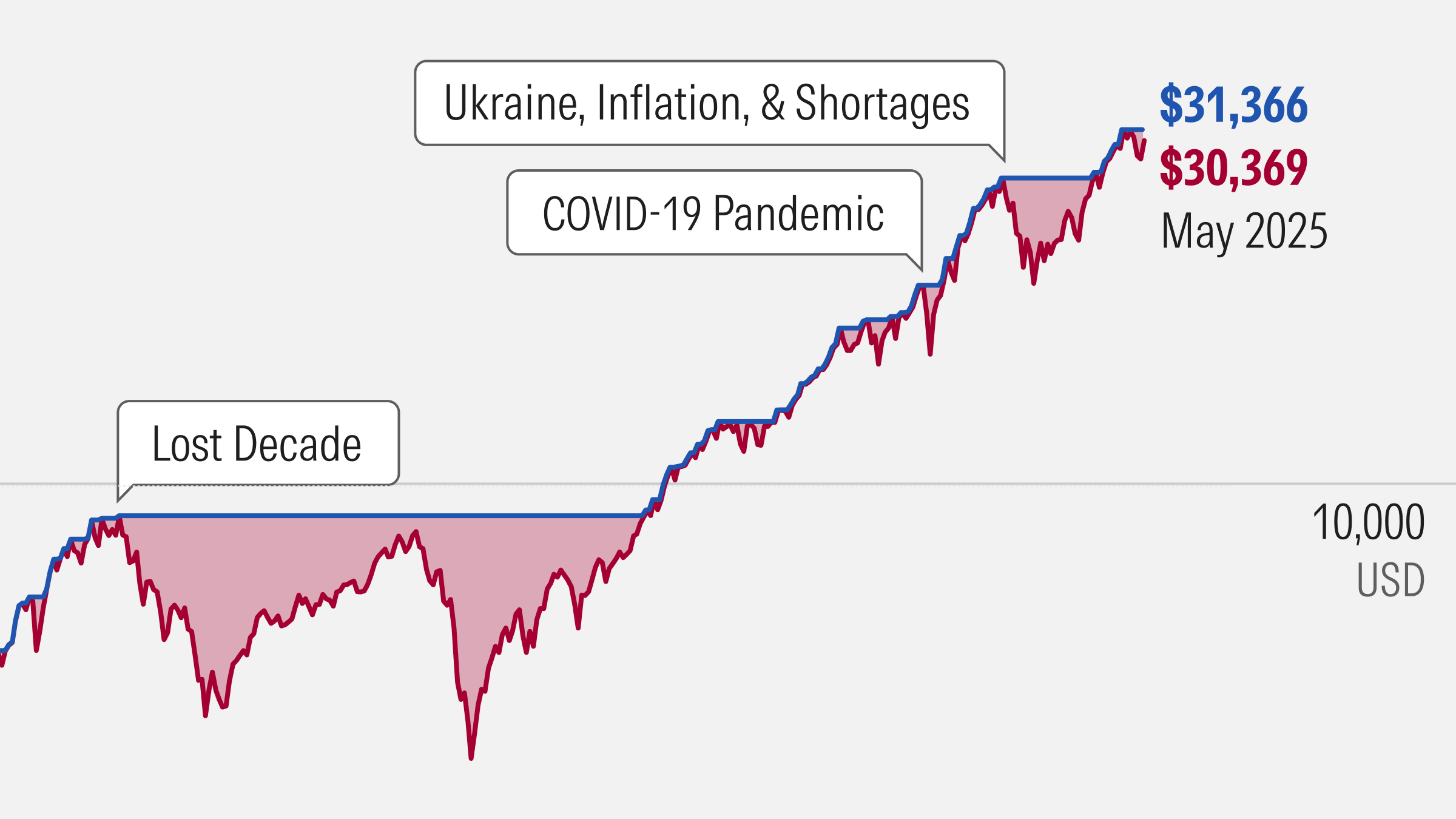
Geopolitical conflicts, regional wars, and significant political instability can introduce enormous uncertainty, disrupting trade routes, supply chains, and investor confidence. The invasion of Ukraine, for example, caused commodity prices (especially oil and gas) to spike, fueling inflation and creating energy security concerns globally. Political events such as major elections, policy shifts, and international relations disputes can also create volatility as markets react to potential changes in regulations, trade agreements, or economic alliances. Uncertainty inherently makes investors more risk-averse, often leading to market sell-offs.
Pandemics and Health Crises
The COVID-19 pandemic served as a stark reminder of how a global health crisis can fundamentally disrupt economies and financial markets. Lockdowns, travel restrictions, and changes in consumer behavior led to sudden drops in demand for certain sectors (e.g., travel, hospitality) while boosting others (e.g., e-commerce, remote work tools). Supply chain disruptions, labor shortages, and unprecedented government stimulus measures all contributed to a volatile and unpredictable market environment. The market’s reaction reflects not just the direct economic impact but also the uncertainty surrounding the duration and severity of such crises.
Commodity Price Swings
Prices of essential commodities like oil, natural gas, industrial metals, and agricultural products have a broad impact across industries. A sharp rise in oil prices, for instance, increases transportation costs for businesses, raises utility bills for consumers, and can fuel inflation, potentially leading to slower economic growth. Conversely, a crash in commodity prices can be a boon for consumers and some industries but can severely hurt energy and mining sectors, leading to job losses and reduced investment in those areas. Geopolitical tensions, supply disruptions, and global demand shifts are frequent drivers of these critical price movements.
Corporate Fundamentals and Sector-Specific Trends
While macro factors set the stage, the performance of individual companies and specific industries also heavily influences overall market movements. The market is, after all, an aggregation of thousands of companies.
Earnings Reports and Future Guidance
The periodic release of corporate earnings reports is a critical event. These reports detail a company’s revenue, profits, and expenses over the past quarter or year. More importantly, investors scrutinize management’s future guidance – their outlook on upcoming revenue and profit growth. Strong earnings and an optimistic outlook can boost a company’s stock, and if enough major companies report similarly, it can lift the broader market. Conversely, missed earnings targets or cautious guidance can lead to sharp declines, especially if it signals a broader slowdown within an industry or the economy.
Technological Disruption and Innovation
Technological advancements are a constant force reshaping industries and creating new opportunities, while simultaneously disrupting established businesses. Innovations in areas like artificial intelligence, biotechnology, renewable energy, and digital infrastructure can lead to explosive growth for pioneering companies and entirely new sectors. However, these same advancements can render older business models obsolete, leading to declines in traditional industries. The market continuously reallocates capital based on these evolving technological landscapes, favoring companies positioned for future growth and penalizing those that fail to adapt.
Regulatory Changes and Government Policies
Government regulations and policy decisions can have a profound impact on specific industries and companies. Changes in environmental regulations might affect energy companies; antitrust actions could target tech giants; shifts in healthcare policy can transform pharmaceutical and insurance sectors. Tax policy changes (e.g., corporate tax rates, capital gains taxes) can also significantly influence corporate profitability and investor returns. The market reacts to the anticipation and implementation of these policies, pricing in their expected impact on business operations and financial performance.
Corporate Debt Levels and Financial Health
The financial health of individual companies, particularly their debt levels and ability to generate cash flow, is a crucial fundamental factor. Companies with high debt loads can be more vulnerable to rising interest rates or economic downturns, increasing their risk of default. Conversely, companies with strong balance sheets, robust cash flows, and sustainable business models are often seen as more resilient during volatile periods. Investors assess these factors to determine a company’s intrinsic value and its capacity for future growth and shareholder returns.
Behavioral and Technical Factors
Beyond the fundamental and macroeconomic drivers, market movements can also be influenced by the collective behavior of investors and the patterns observed in price charts.
Herd Mentality and Market Bubbles/Crashes
Human psychology plays a significant role in market dynamics. Herd mentality, where investors follow the actions of a larger group rather than their own analysis, can amplify trends. This can lead to market bubbles, where assets are driven to unsustainable prices by speculative buying, often detached from underlying fundamentals. When these bubbles burst, often triggered by a loss of confidence or a shift in sentiment, the resulting panic selling can lead to rapid and severe market crashes. Historical examples range from the Dutch Tulip Mania to the Dot-com bubble.
Algorithmic Trading and High-Frequency Trading
In modern markets, a substantial portion of trading volume is executed by algorithms and high-frequency trading (HFT) firms. These automated systems can execute millions of trades per second, reacting instantly to news, market data, and even other algorithms. While they can provide liquidity, they can also amplify volatility, especially during periods of market stress, by rapidly executing large orders or triggering circuit breakers. “Flash crashes” have been attributed, in part, to algorithmic feedback loops that accelerate selling pressure.
Technical Analysis and Chart Patterns
Many traders and investors use technical analysis, studying historical price charts and volume data to predict future movements. They look for patterns, trends, support and resistance levels, and indicators that suggest potential turning points or continuations. While technical analysis is often seen as distinct from fundamental analysis, the collective action of traders following similar technical signals can, to some extent, become a self-fulfilling prophecy, influencing short-term market movements. However, it’s generally considered less impactful than fundamental drivers over the long term.

Conclusion
The question “what happened to the stock market?” rarely has a single, simple answer. Instead, it invites an exploration into a confluence of intricate factors, ranging from central bank policies and global geopolitical shifts to corporate earnings and the collective psychology of investors. The market is a complex adaptive system, constantly reacting and adjusting to new information across these diverse domains.
For investors, understanding these multifaceted drivers is paramount. It fosters a more informed perspective, encouraging a long-term strategy rather than impulsive reactions to short-term volatility. While specific events can cause immediate turbulence, the market’s long-term trajectory is primarily shaped by underlying economic growth, corporate profitability, and innovation. Diversification, continuous learning, and a disciplined approach remain the most robust defenses against the inherent uncertainties and dynamics that dictate “what happened” on any given day in the stock market.
aViewFromTheCave is a participant in the Amazon Services LLC Associates Program, an affiliate advertising program designed to provide a means for sites to earn advertising fees by advertising and linking to Amazon.com. Amazon, the Amazon logo, AmazonSupply, and the AmazonSupply logo are trademarks of Amazon.com, Inc. or its affiliates. As an Amazon Associate we earn affiliate commissions from qualifying purchases.