
The question of “who invented the stock market” doesn’t have a single, definitive answer pointing to one individual or a specific eureka moment. Instead, the stock market as we know it is the culmination of centuries of evolving financial practices, driven by the needs of merchants, nations, and burgeoning corporations to raise capital and share risk. It’s a tale of innovation born out of economic necessity, transitioning from informal gatherings to highly sophisticated, regulated global exchanges, fundamentally shaping the landscape of personal finance, business growth, and national economies. This journey highlights the persistent human ingenuity in crafting mechanisms for collective investment and wealth creation, making it a cornerstone of the “Money” niche.
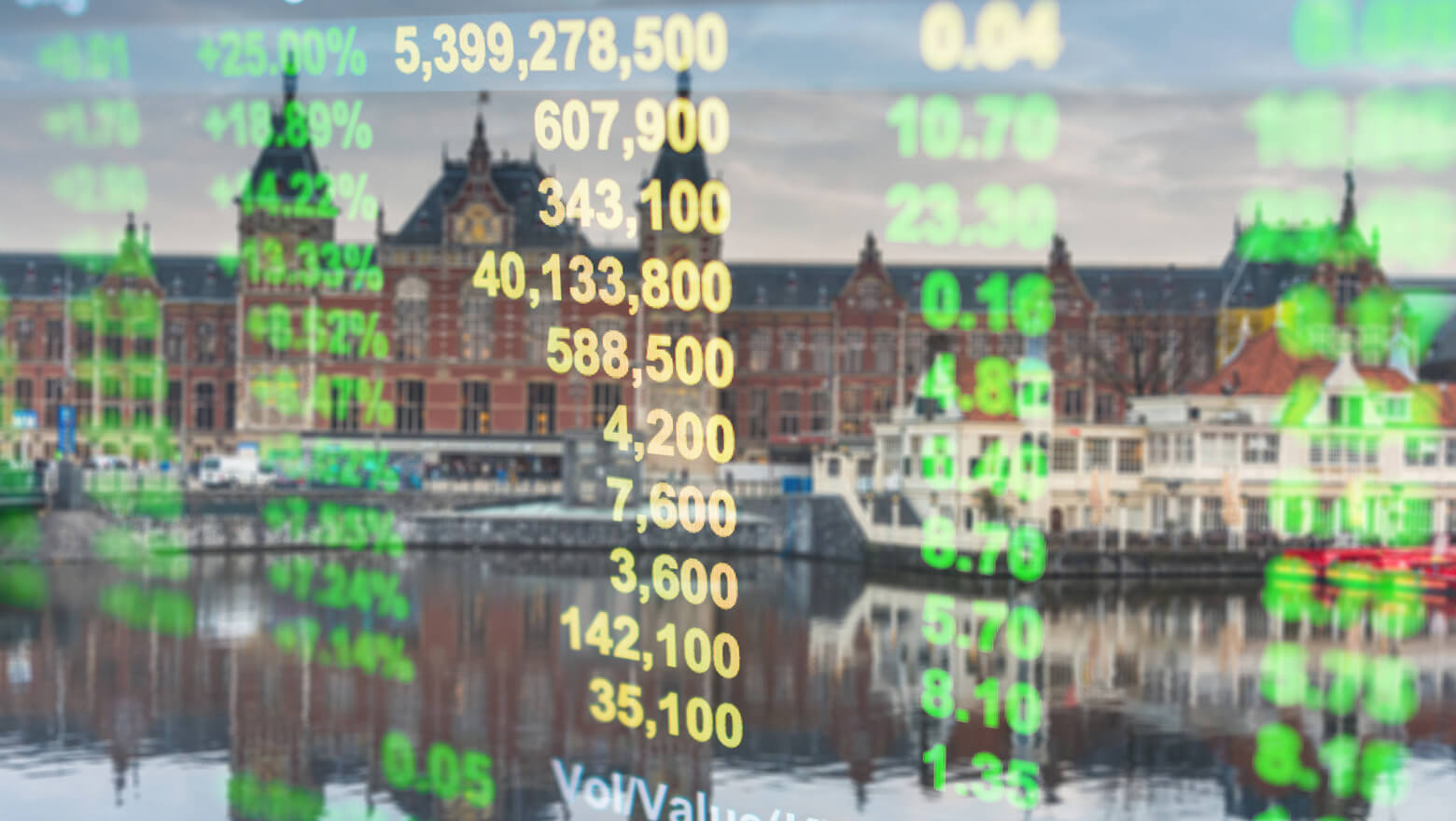
The Dawn of Organized Trading: From Merchants to Modern Exchanges
The roots of the stock market stretch back long before the concept of a “share” was fully formed, emerging from the practical needs of trade and finance in a rapidly developing world. Early forms of investment and risk-sharing laid the groundwork for the complex financial instruments we see today.
Ancient Seeds of Finance: Early Forms of Lending and Investment
While not “stock markets” in the modern sense, ancient civilizations developed sophisticated financial mechanisms. The Romans, for instance, had societas publicanorum, private companies that undertook public works or tax collection, often issuing shares to investors. Medieval Italy saw the rise of merchant banks and the use of bills of exchange, which were early forms of tradable credit, allowing merchants to defer payments and transfer funds across distances, effectively creating a secondary market for debt. Trade fairs in cities like Champagne, France, and later Bruges and Antwerp, served as critical hubs where merchants not only exchanged goods but also debt, currency, and information, fostering an environment where financial instruments could be negotiated and traded. These rudimentary systems demonstrated an early understanding of capital allocation, risk management, and the potential for collective ventures, foreshadowing the structured exchanges to come.
The Birthplace of Bourses: Antwerp and Bruges
The 14th to 16th centuries saw the Low Countries, particularly Bruges and later Antwerp, emerge as pivotal centers for international trade and finance. Bruges, with its central location and network of canals, became a vibrant hub where merchants from across Europe convened. It was here that the term “bourse” is often said to have originated, derived from the “Huis ter Beurze,” the name of a prominent family hostel where merchants met to conduct business and exchange bills of credit. This wasn’t yet a stock market in the modern sense, but it was a crucial step: a centralized, regular meeting place where financial instruments, primarily government and commercial debt, could be bought and sold.
Antwerp later surpassed Bruges as a financial powerhouse. Its bourse, established in 1531, was perhaps the first purpose-built building dedicated solely to trading. While primarily focused on commodities and bills of exchange, it fostered an environment where the concepts of trading standardized financial instruments and setting prices through open outcry began to solidify. These early bourses were the crucial incubators for the ideas of liquidity, price discovery, and the aggregation of capital that would ultimately define the stock market.
The East India Companies: Pioneering Corporate Ownership and Risk Sharing
The true genesis of the modern stock market is inextricably linked to the age of exploration and the colossal financial demands of overseas ventures. These monumental undertakings required unprecedented levels of capital, far exceeding what any single individual or even monarch could provide, necessitating a revolutionary approach to investment.
The Dutch East India Company (VOC): A Revolutionary Financial Instrument
The Dutch East India Company (Verenigde Oostindische Compagnie or VOC), founded in 1602, stands as a monumental landmark in financial history. Faced with the enormous costs and risks associated with global trade expeditions – building ships, hiring crews, purchasing goods, and enduring perils at sea – a new model for capital formation was essential. The VOC pioneered the concept of permanent share capital. Unlike previous ventures, which were often joint-stock companies formed for a single voyage and then dissolved, the VOC issued shares that represented a permanent stake in the company’s ongoing operations and future profits. These shares could be bought and sold by investors, providing a mechanism for individuals to invest in a massive enterprise and for the company to raise continuous capital.
This innovation was transformative for two key reasons. Firstly, it allowed a much broader pool of investors, from wealthy merchants to ordinary citizens, to participate in the lucrative spice trade, democratizing investment to a degree never before seen. Secondly, it created a truly liquid market for these shares. Investors didn’t have to wait for the company to liquidate to realize their returns; they could sell their shares to another interested party at any time. This liquidity was a critical development, making shares a more attractive and flexible investment.
Amsterdam: The World’s First True Stock Exchange
The emergence of the VOC naturally led to the development of a dedicated marketplace for its shares. By the early 17th century, Amsterdam had become the global financial capital, and the trading of VOC shares rapidly became a central activity. While not formally called a “stock exchange” from day one, brokers and investors gathered regularly in front of the Amsterdam Exchange (a commodity and bill of exchange market built in 1611) to trade shares of the VOC and, later, the Dutch West India Company. This informal gathering quickly evolved into a sophisticated, albeit unregulated, market.
Here, prices were set by supply and demand, speculation flourished, and early forms of derivatives like options and short selling were introduced. Historians often refer to the Amsterdam stock market of the 17th century as the first true stock exchange because it exhibited all the core characteristics: multiple publicly traded companies, a secondary market for their shares, a centralized trading location, and sophisticated financial instruments for speculation and hedging. It demonstrated how capital markets could facilitate massive business ventures and offer wealth-building opportunities for investors, cementing its place as the birthplace of modern investing.
Evolution and Formalization: From Coffeehouses to Regulated Markets
The early stock markets, while innovative, were largely unregulated and prone to excesses. The journey from informal trading to structured, regulated exchanges was marked by periods of explosive growth, spectacular busts, and a gradual realization of the need for oversight.

The South Sea Bubble and Early Market Manipulation
The early 18th century saw the infamous “South Sea Bubble” in Britain, a speculative frenzy that perfectly illustrated the dangers of an unregulated market. The South Sea Company, formed to trade with South America and take over government debt, saw its shares skyrocket based on hype and minimal actual business. This boom encouraged a proliferation of “bubble companies,” many with outlandish or even fraudulent proposals, all seeking to capitalize on public enthusiasm for investing. When the bubble burst in 1720, thousands of investors were ruined, leading to a widespread loss of confidence and the passage of the Bubble Act, which severely restricted the formation of new joint-stock companies for over a century. This episode was a stark lesson in market psychology, the perils of unchecked speculation, and the critical need for investor protection and market transparency – lessons that continue to inform financial regulation today.
London’s Jonathan’s Coffee-House: The Precursor to the LSE
In London, the burgeoning financial world found its informal home in coffeehouses. Jonathan’s Coffee-House, located in Change Alley, became a popular meeting place for brokers and merchants in the late 17th and early 18th centuries. Here, a diverse range of financial instruments, from government debt to shares in early joint-stock companies, were traded amidst the aroma of coffee and the buzz of conversation. While initially informal, these gatherings gradually led to the establishment of rudimentary rules and practices among the brokers. The growing volume and complexity of transactions eventually necessitated a more formal structure. In 1773, a group of brokers from Jonathan’s and other coffeehouses formally established their own trading floor, adopting the name “Stock Exchange.” This marked a significant step towards creating a dedicated, membership-based exchange with its own rules and procedures, eventually evolving into the highly prestigious London Stock Exchange (LSE).
The Buttonwood Agreement: Laying the Foundation for Wall Street
Across the Atlantic, the foundation of the American stock market was laid on May 17, 1792, under a buttonwood tree outside 68 Wall Street in New York City. Twenty-four stockbrokers signed what became known as the Buttonwood Agreement. This simple document pledged that they would trade securities only among themselves, charging a commission to their clients. This agreement was a pivotal moment because it centralized trading, established fixed commission rates, and created a sense of order and trust among the nascent financial community. It effectively created a closed society of brokers who controlled the secondary market for securities, which at the time primarily consisted of government bonds and shares of banks like the Bank of New York and the First Bank of the United States. This small gathering under a tree was the direct precursor to the New York Stock & Exchange Board, established in 1817, and eventually the New York Stock Exchange (NYSE), which would grow to become the largest and most influential stock exchange in the world.
The Modern Stock Market: Pillars of Global Finance
Today’s stock markets are far removed from their 17th-century predecessors, characterized by immense scale, technological sophistication, and a robust regulatory framework designed to ensure fairness and efficiency for investors.
Diversification of Financial Instruments: Beyond Shares
While corporate shares remain a cornerstone, modern stock markets offer a vast array of financial instruments. Investors can diversify their portfolios across bonds (debt instruments issued by governments and corporations), mutual funds (professionally managed portfolios of stocks, bonds, and other securities), exchange-traded funds (ETFs, which are similar to mutual funds but trade like stocks), and various derivatives like options and futures, which derive their value from an underlying asset. This diversification allows investors to tailor their strategies to different risk tolerances, time horizons, and financial goals, making the market accessible for a wide spectrum of personal finance needs, from conservative income generation to aggressive growth investing.
Technology and Accessibility: Democratizing Investment
Perhaps the most dramatic change in recent decades has been the impact of technology. Electronic trading platforms have replaced physical trading floors, allowing for instantaneous execution of trades across the globe. Algorithmic trading, driven by complex computer models, now accounts for a significant portion of market activity. Crucially, technology has democratized access to investing. Retail brokerage platforms, accessible via personal computers and smartphones, have empowered individual investors to buy and sell securities with ease and at low cost, bypassing traditional brokers. This increased accessibility has opened up wealth-building opportunities to a broader public, moving investing from an exclusive domain to a more inclusive activity central to personal financial planning.
Regulation and Investor Protection: Safeguarding the System
The lessons learned from historical bubbles and crises have led to comprehensive regulatory frameworks. Bodies like the U.S. Securities and Exchange Commission (SEC), the UK’s Financial Conduct Authority (FCA), and similar regulators worldwide are tasked with protecting investors, maintaining fair, orderly, and efficient markets, and facilitating capital formation. They enforce rules regarding disclosure, insider trading, market manipulation, and the conduct of financial professionals. While no system is perfect, these regulations are critical for building and maintaining investor confidence, which is essential for the healthy functioning of capital markets and for ensuring that the stock market remains a credible and secure avenue for personal and business finance.
The Enduring Legacy: A Catalyst for Economic Growth
The stock market, born out of necessity and refined over centuries, has evolved into an indispensable pillar of the global economy, directly impacting both corporate strategy and individual financial well-being.
Capital Formation and Business Expansion
At its core, the stock market serves a vital economic function: capital formation. It provides a mechanism for companies to raise large sums of money by selling shares to the public. This capital is then invested in research and development, building new factories, expanding operations, hiring more employees, and driving innovation. In essence, the stock market fuels economic growth by channeling savings from investors into productive enterprises. Without this efficient way to raise capital, businesses would struggle to expand, innovation would stagnate, and job creation would be severely limited, hindering overall economic progress and prosperity.

Wealth Creation and Financial Planning
For individuals, the stock market is a primary engine of wealth creation. By investing in publicly traded companies, individuals can participate in the growth and profitability of leading businesses worldwide. Over the long term, stock market investments have historically outperformed other asset classes, offering a powerful tool for retirement planning, saving for major life events, and building intergenerational wealth. Understanding how to navigate the stock market, diversify investments, and manage risk is a fundamental component of sound personal financial planning, empowering individuals to achieve their long-term financial goals and secure their economic future. The stock market, therefore, is not just a place for trading; it is a critical component of financial empowerment and economic advancement for millions.
aViewFromTheCave is a participant in the Amazon Services LLC Associates Program, an affiliate advertising program designed to provide a means for sites to earn advertising fees by advertising and linking to Amazon.com. Amazon, the Amazon logo, AmazonSupply, and the AmazonSupply logo are trademarks of Amazon.com, Inc. or its affiliates. As an Amazon Associate we earn affiliate commissions from qualifying purchases.