
The question of “what will make money” is no longer answered by the traditional linear path of a stable 40-year career followed by a pension. In the current economic climate, defined by rapid technological shifts, fluctuating inflation, and the democratization of financial markets, wealth creation has become a multifaceted endeavor. To succeed today, one must understand the intersection of human capital, scalable assets, and strategic investment.
This guide explores the primary engines of financial growth in the modern era, focusing on how individuals can position themselves to capture value in an increasingly complex global economy.
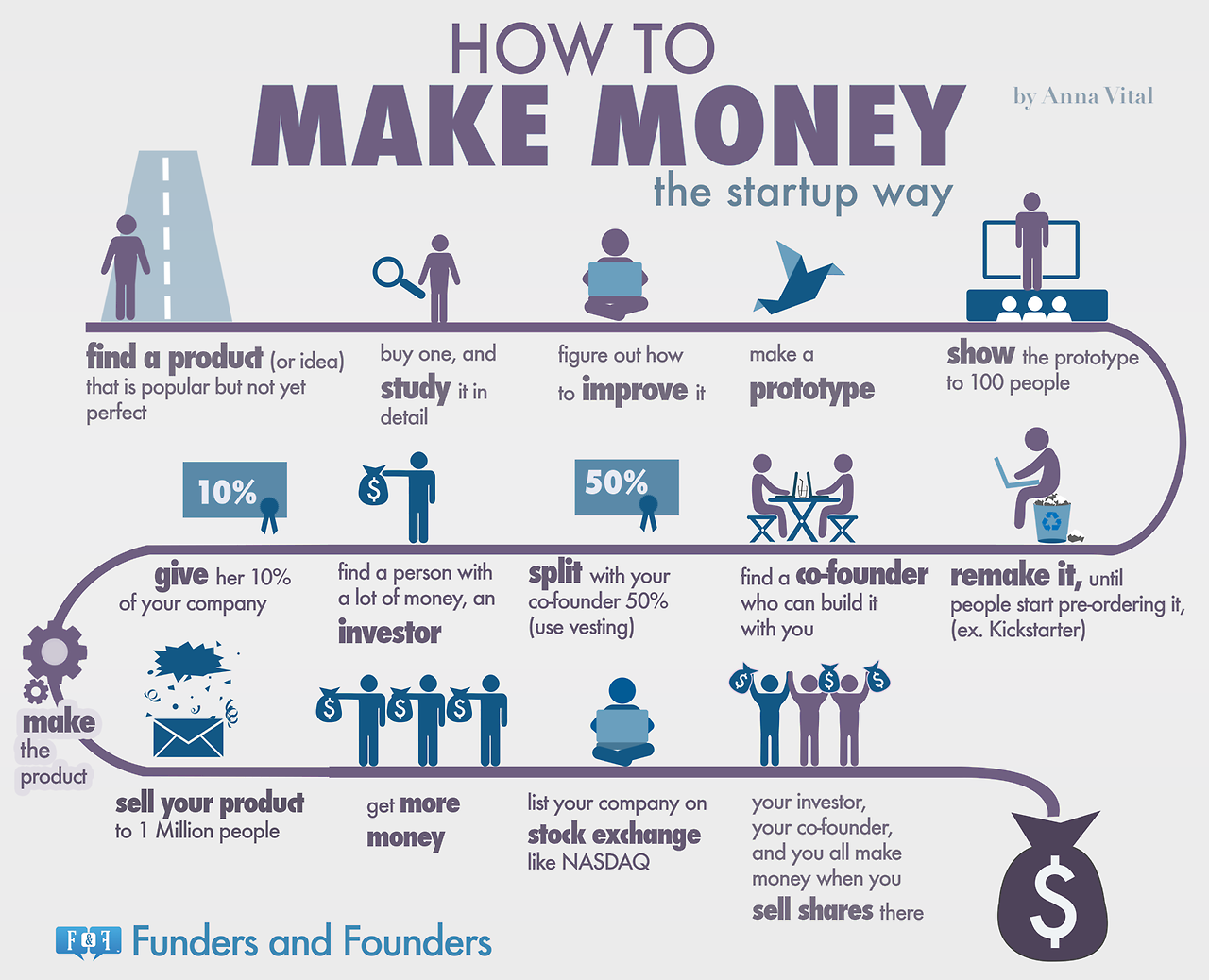
The Digital Transformation of Personal Income
The most significant shift in wealth generation over the last decade has been the decoupling of time and money. Historically, most workers traded hours for dollars. However, the digital economy has introduced the concept of “infinite leverage,” where products can be created once and sold thousands of times with near-zero marginal costs.
Leveraging Scalable Digital Assets
To understand what will make money today, one must look at scalable assets. This includes software-as-a-service (SaaS), digital courses, e-books, and automated content platforms. Unlike a physical storefront, a digital asset does not require additional rent or significant overhead to serve a global audience. By identifying a specific pain point in a niche market and developing a digital solution, entrepreneurs can generate high-margin revenue that operates 24/7. The key is to move away from “bespoke” services toward “productized” value.
The Rise of the Specialized Creator Economy
While many view the “creator economy” through the lens of social media fame, the real money is being made by those who monetize specialized knowledge. High-net-worth individuals and businesses are willing to pay a premium for deep expertise that solves specific problems. Whether it is a subscription-based newsletter providing deep-dive market analysis or a private community for specialized engineers, the monetization of “intellectual property” is one of the most consistent ways to build wealth in the current decade.
Strategic Investing in an Unpredictable Market
Earning money is only the first step; the second, and arguably more important, step is making that money work. With traditional savings accounts often failing to keep pace with inflation, the modern investor must be more calculated and diverse in their approach to asset allocation.
The Foundation of Passive Indexing
For the vast majority of people, the most reliable way to build long-term wealth remains consistent investment in low-cost index funds and ETFs. By capturing the growth of the entire market rather than trying to pick individual winners, investors benefit from the historical upward trajectory of the global economy. This “boring” strategy is statistically more likely to outperform active trading over a 20-year horizon, thanks to the power of compound interest and the minimization of management fees.
Diversification through Alternative Assets
In an era of high volatility, “what will make money” often depends on how well you can hedge against systemic risk. This has led to an increased interest in alternative assets, such as private equity, venture capital, and even fractional ownership of real estate or fine art. Institutional-grade investments that were once reserved for the ultra-wealthy are now accessible to retail investors through specialized platforms. Diversifying a portion of a portfolio into assets that have a low correlation with the stock market can provide a crucial buffer during economic downturns.
The Monetization of High-Value Skills

In the modern job market, the “middle” is being squeezed. Low-skill roles are being automated, while high-skill roles are seeing unprecedented compensation growth. To make money in the labor market, one must focus on “anti-fragile” skills—abilities that become more valuable as the world becomes more complex.
Capitalizing on Technical and Analytical Literacy
As data becomes the new oil, the ability to interpret, manage, and leverage data is a guaranteed revenue generator. This goes beyond simple programming; it involves the ability to bridge the gap between technical possibilities and business outcomes. Professionals who can implement AI-driven efficiencies or navigate complex data privacy regulations are finding themselves in a position to command high salaries or lucrative consulting contracts.
The Premium on Human-Centric Communication
Paradoxically, as technology advances, the value of uniquely human skills increases. High-stakes negotiation, empathetic leadership, and complex storytelling are difficult to automate. Individuals who can lead organizations through change or sell high-ticket solutions based on trust and relationship-building will always be in demand. Making money in this sector requires a commitment to “soft skills” that facilitate hard results, turning interpersonal communication into a high-yield financial asset.
Capitalizing on Long-term Macroeconomic Trends
To identify what will make money in the future, one must look at the “macro” shifts that are reshaping society. Wealth often follows the path of least resistance—meaning it flows toward the industries solving the world’s largest problems.
The Longevity and Healthcare Revolution
The global population is aging at an unprecedented rate. This demographic shift ensures a massive, long-term demand for healthcare services, biotechnology, and elder-care infrastructure. Investing in companies that focus on longevity, personalized medicine, and medical technology is not just a moral choice; it is a strategic financial move. As the “Silver Tsunami” approaches, the capital flowing into these sectors is expected to grow exponentially.
The Transition to Sustainable Energy
The global shift toward “Green” energy represents one of the largest redistributions of capital in human history. Governments and private corporations are committing trillions of dollars to decarbonization and infrastructure renewal. Whether through direct investment in renewable energy utilities or by participating in the supply chain for battery components and grid technology, those who position themselves early in the sustainability transition stand to reap significant financial rewards as the world moves away from fossil fuels.
Building a Resilient Financial Mindset
Ultimately, what makes money is not just a specific tactic or a hot stock tip; it is a mindset of adaptability and risk management. The economic landscape will continue to change, often in ways we cannot predict.
The Importance of Financial Agility
The most successful wealth builders are those who maintain “optionality.” This means keeping debt low, maintaining a liquid emergency fund, and constantly updating one’s skill set. Financial agility allows an individual to pivot when a specific income stream dries up or to seize a rare investment opportunity when the market crashes. In the world of money, those who can afford to wait for the right moment usually end up with the largest gains.
Continuous Education as an Investment
The highest return on investment (ROI) rarely comes from a bank; it comes from the human brain. Spending money on books, seminars, certifications, and coaching is a form of capital expenditure on your most important asset: yourself. In an economy where knowledge is the primary currency, the “well-informed” will always find ways to make money, regardless of the broader economic climate.
By focusing on scalable digital assets, strategic market participation, high-value skill acquisition, and alignment with global trends, individuals can move beyond the question of “how to survive” and begin to answer the question of “how to thrive.” Wealth in the modern age is not about working harder; it is about working smarter and positioning oneself where the value is already flowing.
aViewFromTheCave is a participant in the Amazon Services LLC Associates Program, an affiliate advertising program designed to provide a means for sites to earn advertising fees by advertising and linking to Amazon.com. Amazon, the Amazon logo, AmazonSupply, and the AmazonSupply logo are trademarks of Amazon.com, Inc. or its affiliates. As an Amazon Associate we earn affiliate commissions from qualifying purchases.