
For many Americans, the question “How much do I owe the IRS?” is often accompanied by a sense of trepidation. Whether you are an employee with a single W-2 or a complex business owner juggling multiple income streams, tax liability is a critical component of your overall financial health. Understanding exactly what you owe, why you owe it, and how to resolve the balance is not just a matter of legal compliance—it is a cornerstone of proactive personal finance.
Ignoring a tax balance is one of the most expensive financial mistakes an individual can make. With interest rates that fluctuate and penalties that can quickly snowball, a manageable debt can transform into a significant financial burden in a short period. This guide explores the most efficient ways to determine your balance, the reasons behind your debt, and the strategic tools available to help you clear your record with the federal government.
Efficient Ways to Determine Your Exact Balance
Before you can formulate a repayment strategy, you need an accurate, real-time figure of your total liability, including principal, interest, and penalties. The Internal Revenue Service (IRS) has modernized its systems significantly over the last decade, making it easier for taxpayers to access their records without spending hours on hold.
Utilizing the IRS Online Account Portal
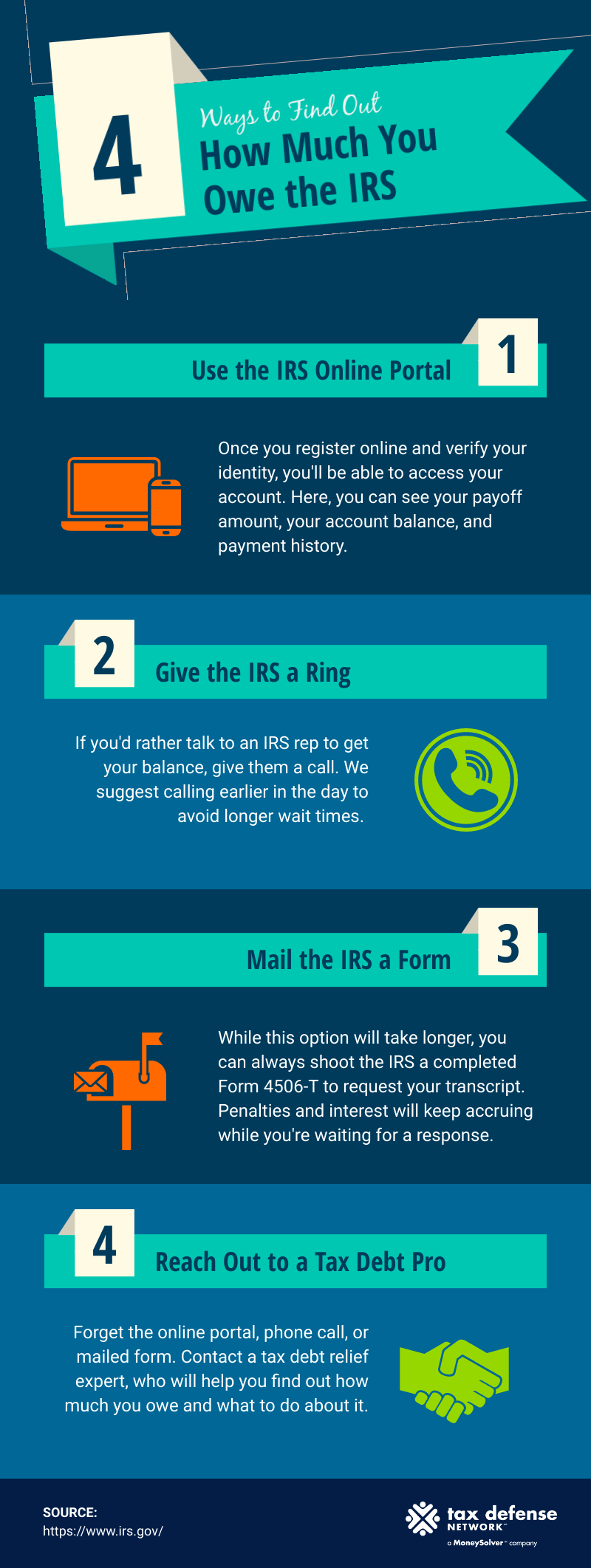
The most direct and efficient way to find out how much you owe is through the “Your Online Account” tool on the official IRS website. This digital gateway allows you to view your payoff amount, which is updated for the current day. It also provides a breakdown of your balance by tax year, your payment history, and key information from your most recent tax return. To access this, you will need to verify your identity through a third-party service (currently ID.me), requiring a government-issued photo ID and a smartphone or camera. Once authenticated, this portal serves as your primary financial dashboard for all federal tax matters.
Requesting Official Tax Transcripts
If you require a more detailed breakdown of your financial history than what is visible on the summary dashboard, requesting a tax transcript is the next logical step. There are several types of transcripts, but the “Account Transcript” is the most useful for determining debt. It reflects any adjustments made by the IRS after you filed your return and lists payments, credits, and even the specific penalties applied to your account. Transcripts can be downloaded instantly via the online portal or requested by mail if you prefer a physical record for your financial files.
Interpreting IRS Notices and Letters
Often, taxpayers first realize they owe money when a notice arrives in the mail. The IRS communicates primarily through the U.S. Postal Service. Common notices, such as the CP14 or CP501, clearly state the amount owed, the tax year in question, and the due date. It is vital to save these documents, as they contain specific “Notice Numbers” and “Caller IDs” that expedite the process if you need to speak with an agent. Comparing the figures on these notices with your online account ensures that there are no discrepancies in the government’s reporting.
Analyzing the Root Causes of Your Tax Debt
Understanding why a balance exists is the first step toward preventing it in the future. Tax debt is rarely the result of a single error; rather, it is usually a combination of systemic underpayment and the biological clock of interest accrual.
The Impact of the Gig Economy and Side Hustles
In the modern economy, more people than ever are generating “1099 income” through freelance work, consulting, or digital platforms. Unlike traditional employment, where taxes are withheld by the employer, self-employed individuals are responsible for both the employee and employer portions of Social Security and Medicare taxes (Self-Employment Tax). Many entrepreneurs fail to set aside the recommended 25% to 30% of their gross income for taxes, leading to a massive “sticker shock” during the April filing season. This lack of liquidity often results in a balance that carries over into the next fiscal year.
Under-withholding and Life Milestone Changes
For those in traditional employment, tax debt often stems from an improperly filled out Form W-4. If you haven’t updated your withholding in several years, you may not be taking enough out of your paycheck to cover your current liability. Major life events—such as getting married, losing a dependent (when a child turns 17), or a spouse returning to the workforce—can significantly change your tax bracket. If your withholding isn’t adjusted to match these new financial realities, you end up owing the difference at the end of the year.
The Role of Accrued Penalties and Compound Interest
The IRS is legally required to charge interest when taxes are not paid by the April deadline. Unlike a standard bank loan, IRS interest is compounded daily and is typically the federal short-term rate plus 3%. Additionally, the “Failure to Pay” penalty is 0.5% of the unpaid taxes for each month or part of a month the tax remains unpaid. Over time, these additions can represent 25% or more of the total balance, making it feel as though you are making no progress even when you start making small payments.
Strategic Payment Options and Financial Management
Once you have identified your balance, the next step is mitigation. The IRS is, surprisingly to some, one of the most flexible creditors if you are proactive about communication. They offer several structured “Financial Tools” to help taxpayers manage their debt without facing drastic collection actions like wage garnishments or bank levies.
Short-Term Payment Extensions
If you can pay your full balance but simply need a little more time to liquidate assets or wait for a scheduled bonus, you may qualify for a short-term payment plan. This typically grants an additional 180 days to pay the balance in full. While interest and some penalties still accrue during this time, a short-term extension avoids the setup fees associated with long-term installment agreements and keeps your account in “good standing.”
Long-Term Installment Agreements
For balances that cannot be paid within six months, a long-term Installment Agreement (IA) is the gold standard of tax debt management. If you owe less than $50,000, you can usually apply for a “Streamlined” agreement online without providing a detailed financial statement. This allows you to pay off the debt over a period of up to 72 months. By setting up a Direct Debit Installment Agreement (DDIA), you may even qualify for a lower setup fee and a reduction in certain penalty rates. This turns a daunting debt into a predictable monthly line item in your budget.
Electronic Payment Systems and Fees
The method you choose to pay can affect your total cost. Using “IRS Direct Pay” allows you to transfer funds directly from a checking or savings account for free. However, if you choose to pay via credit card to earn rewards or points, be aware that third-party processors charge a fee (usually around 1.8% to 2%). From a personal finance perspective, you must calculate whether the credit card interest rate is higher than the IRS interest rate before using plastic to pay off the government.
Advanced Debt Resolution and Relief Programs
In cases of extreme financial hardship, where the total debt exceeds the taxpayer’s realistic ability to pay within the statutory period, the IRS provides specialized relief programs. These are complex financial maneuvers that often require meticulous documentation.
The Offer in Compromise (OIC)
An Offer in Compromise is an agreement between a taxpayer and the IRS that settles a tax liability for less than the full amount owed. This is not a “get out of debt free” card; the IRS only accepts an OIC if the amount offered represents the “Reasonable Collection Potential” (RCP). This calculation involves looking at your assets, your current income, and your necessary living expenses. If your equity in assets plus your future income equals less than the debt, the IRS may agree to settle.
Currently Not Collectible (CNC) Status
If paying even a small amount toward your tax debt would prevent you from meeting basic living expenses (rent, food, utilities), you may request “Currently Not Collectible” status. While this does not wipe the debt away—and interest continues to accrue—it stops the IRS from taking active collection actions like seizing your bank account. Your financial situation is reviewed annually, and if your income increases, the IRS will expect you to resume payments.
Seeking Professional Financial Representation
When dealing with balances in the tens of thousands or complex business tax issues, it is often wise to hire an Enrolled Agent (EA) or a CPA specializing in tax resolution. These professionals can negotiate on your behalf and ensure that you are utilizing every deduction and credit available to lower the principal balance before you begin a payment plan.
Future-Proofing Your Finances Against Tax Surprises
Determining how much you owe the IRS today is only half the battle; the ultimate goal is to reach a state of “tax neutrality,” where you neither owe a large sum nor receive a massive refund.
Optimizing Withholding and Estimated Payments
To avoid future debt, use the IRS Tax Withholding Estimator annually. This tool helps you determine exactly how to fill out your W-4 based on your most recent paystubs. If you have non-wage income, such as dividends or freelance earnings, you should get into the habit of making quarterly estimated tax payments. Paying as you go mimics the withholding process of a traditional job and ensures that you aren’t hit with a massive bill—and “underpayment penalties”—the following April.

Leveraging Tax-Advantaged Accounts
One of the most effective ways to lower your future tax liability is to reduce your taxable income. Contributing to a traditional 401(k), 403(b), or a Traditional IRA lowers your Adjusted Gross Income (AGI) dollar-for-dollar. For those with high-deductible health plans, a Health Savings Account (HSA) offers a triple tax advantage. By moving money into these vehicles, you are not just saving for the future; you are actively shrinking the amount the IRS can claim as taxable, ensuring that next year, when you ask “How much do I owe?” the answer is “Zero.”
aViewFromTheCave is a participant in the Amazon Services LLC Associates Program, an affiliate advertising program designed to provide a means for sites to earn advertising fees by advertising and linking to Amazon.com. Amazon, the Amazon logo, AmazonSupply, and the AmazonSupply logo are trademarks of Amazon.com, Inc. or its affiliates. As an Amazon Associate we earn affiliate commissions from qualifying purchases.