
The Electronic Benefits Transfer (EBT) system serves as a cornerstone of the American social safety net, providing millions of households with the financial means to secure essential nutrition. While often discussed in the context of social policy, EBT is, at its core, a vital tool for personal finance and household budgeting. Understanding the nuances of what you can and cannot purchase with EBT is not merely a matter of compliance; it is a strategic financial skill that allows families to stretch their dollars, improve their nutritional intake, and maintain financial stability during challenging times.
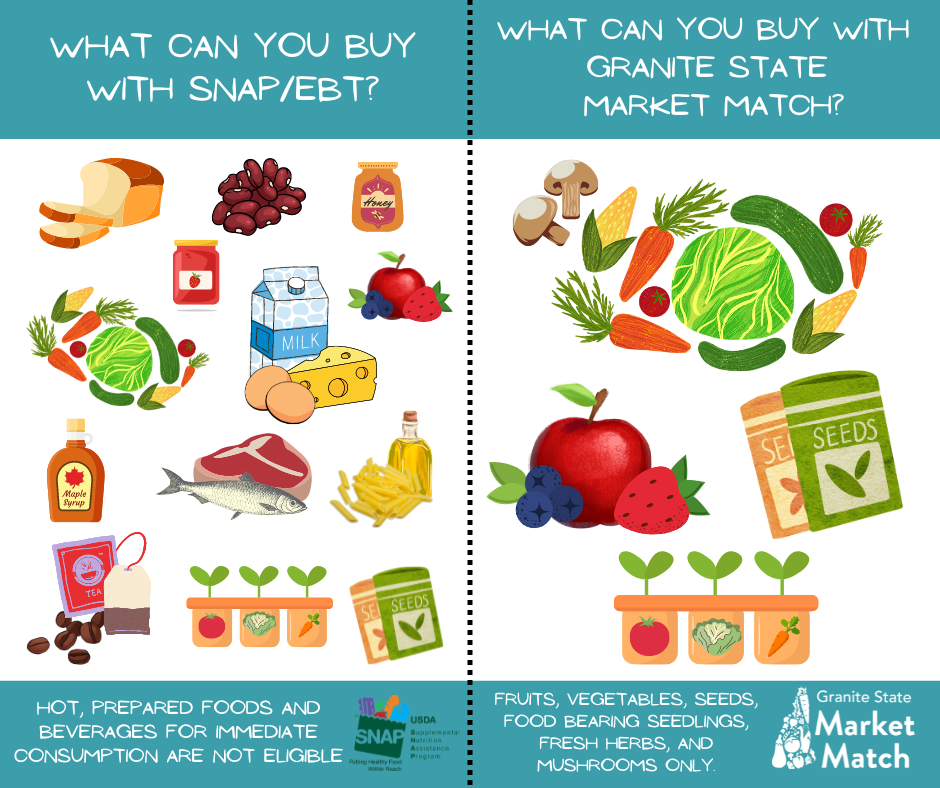
In this guide, we will explore the intricate landscape of EBT eligible purchases, the strategic exclusions set by the USDA, and the financial tools available to help beneficiaries manage these funds with the same rigor one would apply to a traditional checking account.
Understanding EBT as a Vital Financial Tool
For those navigating the complexities of personal finance on a limited income, the EBT card functions as a dedicated financial instrument. It is the delivery mechanism for the Supplemental Nutrition Assistance Program (SNAP), formerly known as food stamps, and in some cases, Temporary Assistance for Needy Families (TANF).
The Mechanics of the EBT System
The EBT card operates much like a debit card. Each month, funds are deposited into a government-held account, and the cardholder uses a PIN to authorize transactions at authorized retailers. From a financial management perspective, this compartmentalization can be beneficial. By separating the food budget from other liquid assets, households can ensure that their primary nutritional needs are met before other discretionary spending occurs.
Integrating EBT into a Holistic Household Budget
Successful financial planning requires looking at EBT benefits not as “extra” money, but as a core component of the monthly income stream. When a household knows exactly how much they will receive in SNAP benefits, they can reallocate the cash they would have spent on groceries toward other fixed costs, such as rent, utilities, or an emergency savings fund. This strategic shift is the first step in moving from financial survival to financial management.
Eligible Purchases: Building a Nutritious Portfolio
The primary objective of the SNAP program is to provide access to a healthy diet. Consequently, the list of eligible items is broad enough to cover almost any food product intended for home preparation and consumption. For the savvy financial planner, the goal is to use these funds to purchase high-value, nutrient-dense foods that provide the best “return on investment” for the family’s health.
Core Food Categories
The USDA allows EBT to be used for the following major categories:
- Fruits and Vegetables: This includes fresh, frozen, canned, and dried options. From a budgeting standpoint, buying frozen vegetables can often be more cost-effective as they have a longer shelf life and comparable nutritional value to fresh produce.
- Meat, Poultry, and Fish: Protein is often the most expensive part of a grocery bill. Using EBT for these items allows households to maintain a balanced diet without depleting their cash reserves.
- Dairy Products: Milk, yogurt, and cheese are all eligible.
- Breads and Cereals: This covers everything from basic loaves to oats and rice—staples that form the caloric foundation of many diets.
- Snack Foods and Non-Alcoholic Beverages: While the focus is on nutrition, the program does allow for the purchase of snack items and soda, providing households with the same consumer choices available to any other shopper.
Investing in the Future: Seeds and Plants
One of the most underutilized “financial hacks” within the EBT system is the ability to purchase seeds and plants that produce food. This is an incredible opportunity for personal financial growth. By spending a few dollars of EBT benefits on tomato seeds, bell pepper starts, or herb plants, a household can effectively “grow” their own food budget. A single plant can produce pounds of produce over a season, representing a massive exponential return on the initial EBT investment.
Strategic Limitations: Navigating the Ineligible List
To manage a budget effectively, one must also understand what expenses cannot be covered by a specific fund. The EBT system has strict federal guidelines regarding “ineligible” items. Attempting to purchase these can lead to transaction declines or, in cases of intentional misuse, disqualification from the program.
Non-Food Items and Household Essentials
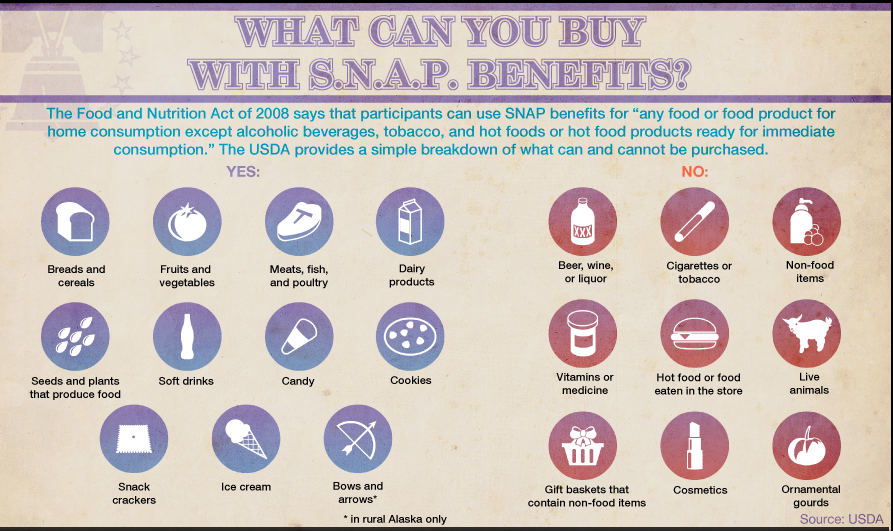
Perhaps the most common frustration for EBT users is the inability to purchase essential non-food household items. The following cannot be bought with SNAP EBT:
- Pet Food: While vital for the family dog or cat, this is not considered “human food.”
- Cleaning Supplies and Paper Products: Dish soap, laundry detergent, paper towels, and toilet paper must be purchased with cash or TANF benefits.
- Hygiene Products: Shampoos, deodorants, and toothpaste are excluded.
- Vitamins and Medicines: Any item with a “Supplement Facts” label (as opposed to a “Nutrition Facts” label) is generally ineligible.
The “Hot Food” Rule
A nuanced rule within the SNAP program is the prohibition on “hot foods” or foods ready for immediate consumption at the point of sale. You can buy a frozen rotisserie chicken to bake at home, but you generally cannot buy a hot, pre-cooked rotisserie chicken from the deli counter. The logic behind this is to prioritize home-cooked meals, which are traditionally more cost-effective and nutritious than prepared convenience foods. However, some states participate in the Restaurant Meals Program (RMP), which allows specific vulnerable populations—such as the elderly, disabled, or homeless—to use their EBT cards at authorized restaurants.
Prohibited Luxury and Vice Goods
The EBT system strictly prohibits the purchase of alcohol, tobacco products, and any items clearly intended for non-nutritional use (such as gift wrap or live ornaments). Maintaining the integrity of the program depends on these funds being used for their intended purpose: sustenance.
Leveraging Technology to Optimize Benefits
In the modern digital economy, managing EBT has become significantly more streamlined. Several financial tech (FinTech) tools and retail partnerships have emerged to help users track their spending and maximize their benefits.
Balance Tracking and Budgeting Apps
Third-party apps like “Providers” (formerly Fresh EBT) have revolutionized how beneficiaries interact with their funds. These apps allow users to check their balances instantly on their smartphones, view transaction histories, and find stores that accept EBT. From a money management perspective, having real-time access to your balance prevents the “checking account anxiety” that often leads to overspending or embarrassing declines at the register.
The Rise of EBT Online Purchasing
One of the most significant shifts in the EBT landscape in recent years is the expansion of the SNAP Online Purchasing Pilot. Major retailers like Amazon, Walmart, and Target now allow EBT cardholders to shop for groceries online. This is a major win for financial efficiency. Online shopping allows users to see their total in real-time before checking out, making it easier to stay within a strict monthly budget and avoid the “impulse buys” that often occur in physical aisles.
Loyalty Programs and Coupons
Savvy EBT users treat their benefits like cash by stacking them with store loyalty programs and manufacturer coupons. Most major grocery chains allow you to link your EBT card to their rewards programs. This means you can earn points or “gas rewards” on purchases made with EBT, further extending the value of every dollar. Digital coupons can be clipped in-store apps and applied to the total before the EBT card is swiped, ensuring the benefit balance lasts as long as possible.
Enhancing Value Through Local Markets and Incentives
To truly master the “money” aspect of EBT, one must look for programs that offer “bonus” funds. Many local governments and non-profits have recognized that incentivizing healthy eating can also boost local economies.
Farmers’ Markets and the “Double Up” Effect
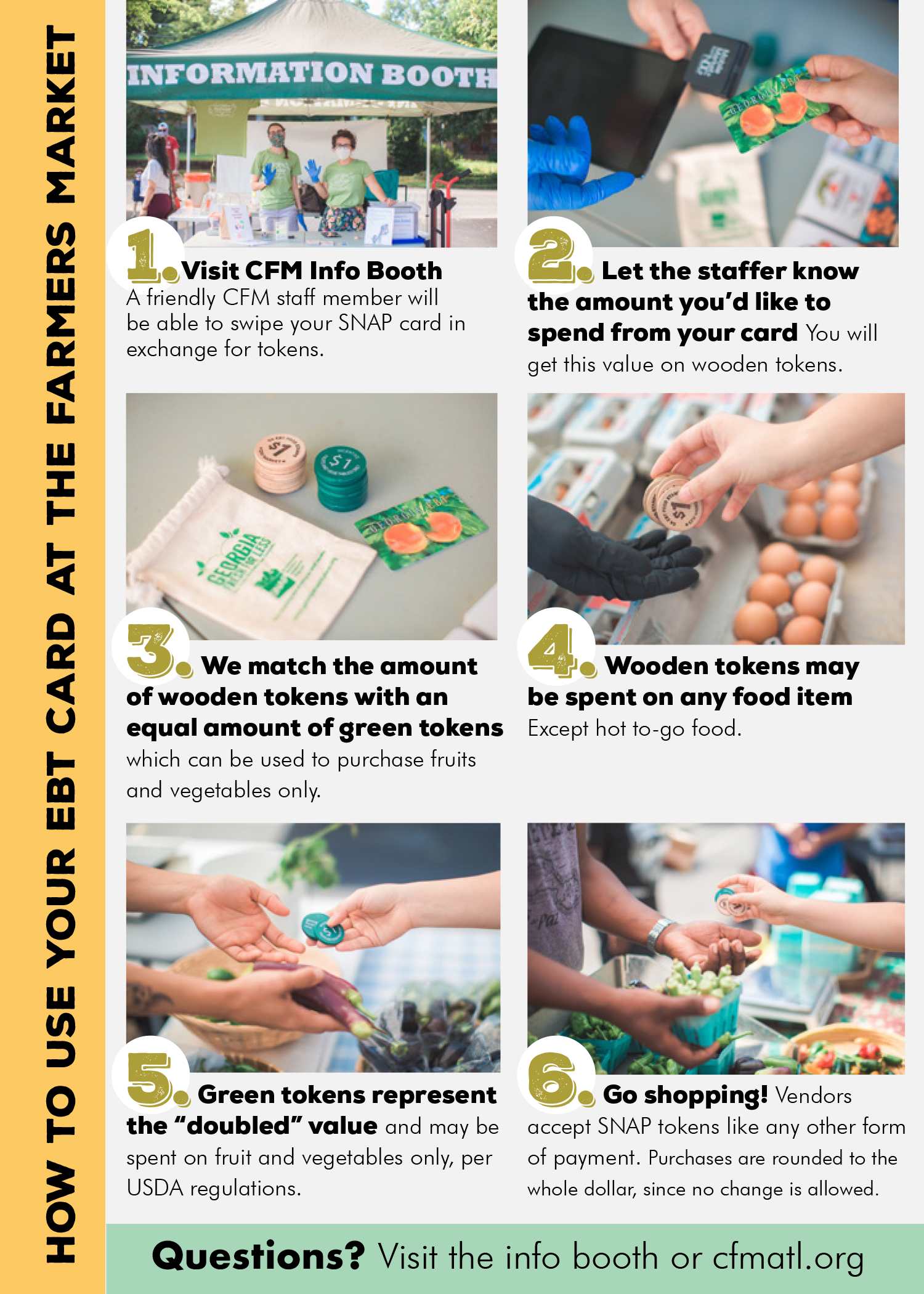
Many farmers’ markets across the United States participate in programs like “Double Up Food Bucks.” In these programs, for every dollar of EBT benefits spent on locally grown produce, the program provides an additional dollar in “market bucks” to spend on more fruits and vegetables. This effectively doubles the purchasing power of the EBT card. Financially, this is a 100% return on investment—a rate that is unheard of in traditional investing but accessible to EBT users who shop locally.
Supporting the Local Economy
When EBT funds are spent at local farmers’ markets or small-scale grocers, the money stays within the community. This creates a circular economy where federal assistance supports local jobs and agricultural sustainability. For the cardholder, this often results in access to fresher, higher-quality food that lasts longer than supermarket produce, reducing waste and further stretching the household budget.
Conclusion: EBT as a Pillar of Financial Stability
What can you use EBT for? The answer is much more than just a list of grocery items. EBT is a tool for financial empowerment, a buffer against food insecurity, and a strategic asset in a household’s broader financial portfolio. By understanding the rules of the program, leveraging modern technology, and seeking out incentive programs like Double Up Food Bucks, beneficiaries can transform a monthly benefit into a foundation for long-term health and financial resilience.
Treating EBT with the same analytical rigor as a corporate budget or a personal investment account allows households to move beyond the stigma of assistance and toward a proactive approach to financial wellness. In the end, the most effective use of EBT is one that maximizes nutrition while freeing up the cash flow necessary to build a more secure financial future.
aViewFromTheCave is a participant in the Amazon Services LLC Associates Program, an affiliate advertising program designed to provide a means for sites to earn advertising fees by advertising and linking to Amazon.com. Amazon, the Amazon logo, AmazonSupply, and the AmazonSupply logo are trademarks of Amazon.com, Inc. or its affiliates. As an Amazon Associate we earn affiliate commissions from qualifying purchases.