
For anyone managing a bank account, looking for a home, or planning for retirement, the question “how much are interest rates right now?” is more than just a passing curiosity—it is a fundamental query that dictates the cost of living and the potential for wealth accumulation. Over the past two years, the global financial ecosystem has undergone a seismic shift. We have moved from a decade of “easy money” and near-zero percent interest rates into a restrictive era characterized by aggressive central bank tightening.
As of late 2023 and moving into 2024, interest rates have hovered at their highest levels in over two decades. While the specific “rate” varies depending on whether you are borrowing or saving, the benchmark set by the Federal Reserve currently sits in the 5.25% to 5.50% range. Understanding the nuances of this environment is essential for making informed decisions regarding debt, investments, and long-term financial security.
The Macroeconomic Drivers: Why Rates Are High
To understand where interest rates are today, one must first understand the “why” behind the numbers. Interest rates are the primary tool used by central banks to manage the economy, acting as a thermostat to either heat up or cool down fiscal activity.
The Battle Against Inflation
The primary catalyst for the current high-rate environment was the rapid spike in inflation following the global pandemic. Supply chain disruptions, coupled with significant fiscal stimulus and a surge in consumer demand, sent prices for goods and services soaring. To prevent a “wage-price spiral” and to bring inflation back down to the target 2% level, the Federal Reserve began a series of aggressive rate hikes. By making it more expensive to borrow money, the Fed successfully slowed consumer spending and business investment, which helps to temper price increases.
The Concept of “Higher for Longer”
Throughout much of the current cycle, market analysts have looked for signs of a “pivot”—a moment when the Fed would begin cutting rates. However, the prevailing sentiment among policymakers has shifted toward a “higher for longer” strategy. This means that even if the central bank stops raising rates, they are unlikely to lower them significantly until there is definitive, long-term proof that inflation has been defeated. For the average consumer, this translates to a sustained period where debt remains expensive, but savings remain lucrative.
The Impact on Borrowing: Mortgages, Credit, and Loans
The most immediate place individuals feel the sting of high interest rates is in their borrowing power. When the benchmark federal funds rate rises, commercial banks raise their Prime Rate, which serves as the foundation for most consumer lending products.
The Realities of the Modern Mortgage Market
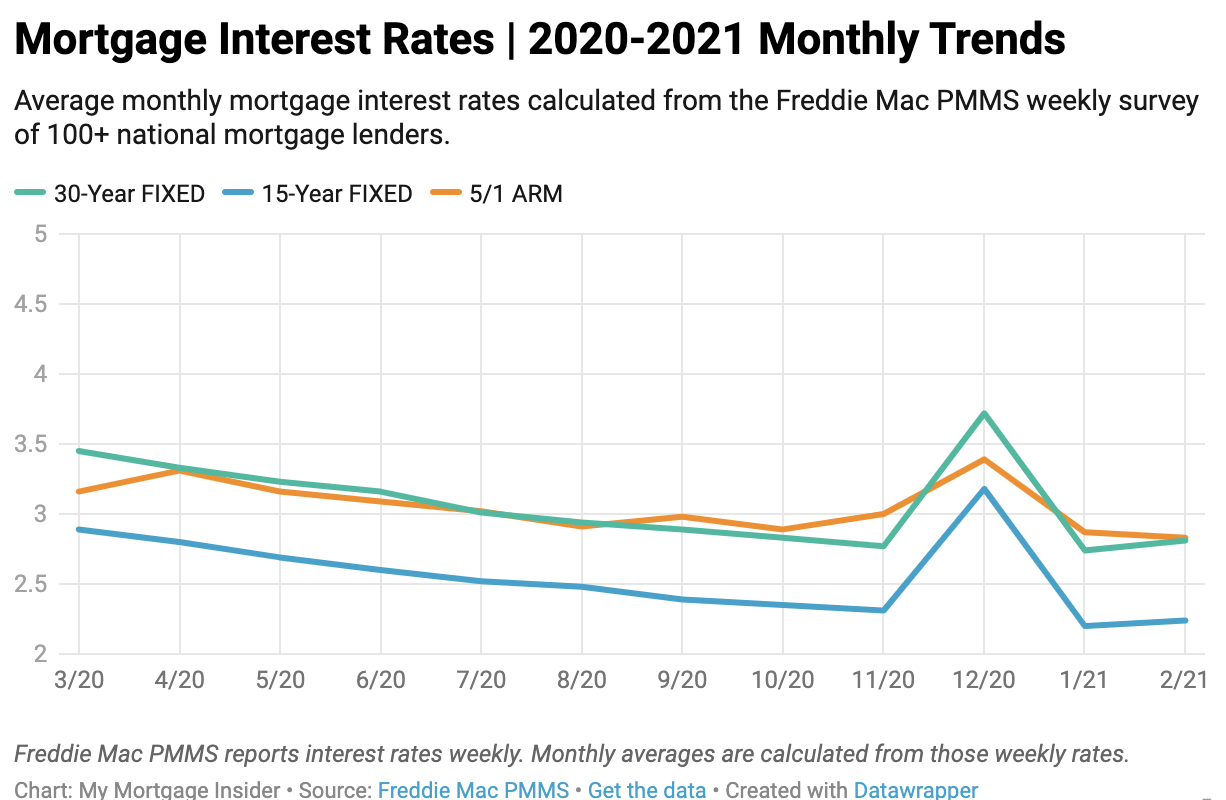
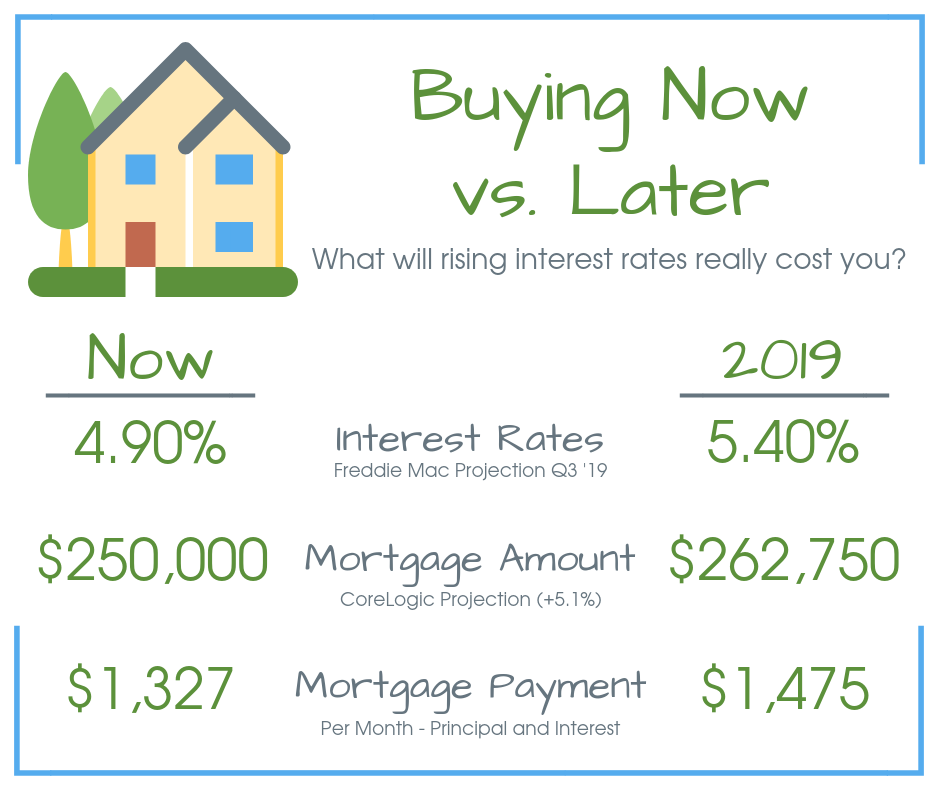
Perhaps no sector has been hit harder than real estate. Just a few years ago, homebuyers were securing 30-year fixed-rate mortgages at 3% or lower. Today, those rates have frequently surpassed the 7% mark. On a $400,000 mortgage, the difference between a 3% rate and a 7% rate amounts to hundreds of thousands of dollars in interest over the life of the loan. This has created a “lock-in effect,” where current homeowners are reluctant to sell because they do not want to trade their low-interest mortgage for a new one at double the rate, leading to a shortage of housing inventory.
Variable Interest and Consumer Debt
For those carrying credit card balances, the current environment is particularly challenging. Most credit cards have variable Annual Percentage Rates (APRs) tied to the Prime Rate. As the Fed hiked rates, credit card APRs climbed to record highs, often exceeding 20% or even 25%. This makes it increasingly difficult for households to pay down principal balances, as a larger portion of every payment is swallowed by interest charges. Similarly, personal loans and auto loans have seen significant increases, requiring consumers to be much more selective about taking on new debt.
Opportunities for Savers: Turning the Tide on Cash
While high rates are a burden for borrowers, they represent a golden age for savers. For the first time in a generation, “cash” is no longer a “trash” asset class. Conservative financial instruments are finally providing real returns that can compete with or even beat inflation.
High-Yield Savings Accounts and CDs
The days of earning 0.01% on a standard savings account are, for the savvy consumer, over. Digital banks and credit unions are currently offering High-Yield Savings Accounts (HYSAs) with rates ranging from 4.25% to over 5.00%. Certificates of Deposit (CDs) have also regained popularity, allowing savers to “lock in” these high rates for terms ranging from six months to five years. This provides a safe harbor for emergency funds and short-term savings goals, ensuring that liquidity does not come at the cost of growth.
The Resurgence of Fixed-Income Investments
The “Money” niche has seen a renewed focus on bonds and Treasury securities. With the yield on the 10-year Treasury note hitting significant milestones, investors are looking to government-backed debt as a viable alternative to the volatility of the stock market. Treasury bills (T-bills) and Series I Savings Bonds have become staples in diversified portfolios. For an investor nearing retirement, the ability to generate a 5% yield with virtually zero principal risk is a game-changer that hasn’t been available for most of the 21st century.
Strategic Financial Planning in a High-Rate Environment
Navigating today’s interest rates requires a shift in strategy. What worked in 2019 will not work in 2024. Whether you are looking to buy a home or optimize your investment portfolio, a proactive approach is necessary.
Debt Management and Refinancing Logic
In a high-rate environment, the priority should be the elimination of high-interest debt. Prioritizing the “avalanche method”—paying off the debt with the highest interest rate first—saves the most money over time. Furthermore, for those looking to borrow, it is crucial to shop around. Even a 0.5% difference in a loan offer can result in significant savings. While “refinancing” was a buzzword when rates were falling, the current strategy is “rate-proofing”—securing fixed rates whenever possible to protect against any further potential hikes.
Investment Diversification and Asset Allocation
From an investment perspective, high rates change the “discounted cash flow” models used to value stocks. Growth stocks, particularly in the tech sector, can be sensitive to high rates because their future earnings are worth less in today’s dollars. Investors are currently pivoting toward “value” stocks and companies with strong balance sheets and low debt-to-equity ratios. Additionally, maintaining a portion of a portfolio in high-yielding cash equivalents provides the “dry powder” necessary to capitalize on market downturns or investment opportunities that may arise if the economy cools too quickly.
The Future Outlook: What to Expect Next
Predicting the exact movement of interest rates is notoriously difficult, even for the most seasoned economists. However, several indicators provide a roadmap for the coming year.
Economic Indicators to Watch
The Federal Reserve closely monitors two main data points: the Consumer Price Index (CPI) and the unemployment rate. If inflation continues to trend toward 2% without a significant spike in unemployment, the Fed may achieve a “soft landing,” where they can begin to slowly lower rates to a “neutral” level—likely somewhere between 2.5% and 3.5%. However, if inflation remains “sticky” or if the economy enters a sharp recession, the trajectory could change dramatically.

Preparing for the Pivot
While rates are high now, they will not stay at these peaks forever. Savvy participants in the financial markets are already preparing for the eventually inevitable decline in rates. This involves balancing the desire for high-yield short-term gains with the long-term stability of fixed-income assets. By staying informed on “how much interest rates are right now” and understanding the underlying economic machinery, individuals can move from a position of reacting to the market to one of mastering it.
In conclusion, the current interest rate environment is a double-edged sword. It demands discipline and caution from those with debt, yet it offers a rare and lucrative opportunity for those with capital to save and invest. By understanding the mechanics of the Federal Reserve, the impact on various loan products, and the benefits of high-yield instruments, you can navigate these complex financial waters with confidence and precision. Money, after all, is not just about how much you make—it’s about how effectively you manage the cost and the growth of every dollar in your possession.
aViewFromTheCave is a participant in the Amazon Services LLC Associates Program, an affiliate advertising program designed to provide a means for sites to earn advertising fees by advertising and linking to Amazon.com. Amazon, the Amazon logo, AmazonSupply, and the AmazonSupply logo are trademarks of Amazon.com, Inc. or its affiliates. As an Amazon Associate we earn affiliate commissions from qualifying purchases.