
In the traditional landscape of finance, value has long been measured through liquid assets, quarterly earnings reports, and compound interest. However, a seismic shift is occurring in how we define “capital.” As global markets face unprecedented resource constraints and regulatory pressure, a new metric has emerged as a cornerstone of sustainable finance: the Ecological Footprint.
For the modern investor, business leader, or personal finance enthusiast, ecological footprinting is no longer just an environmental concept; it is a sophisticated accounting tool used to measure the resource demand of an economy, a company, or a portfolio against the Earth’s regenerative capacity. Understanding this metric is essential for identifying long-term financial risks and uncovering the opportunities inherent in the transition to a resource-efficient economy.
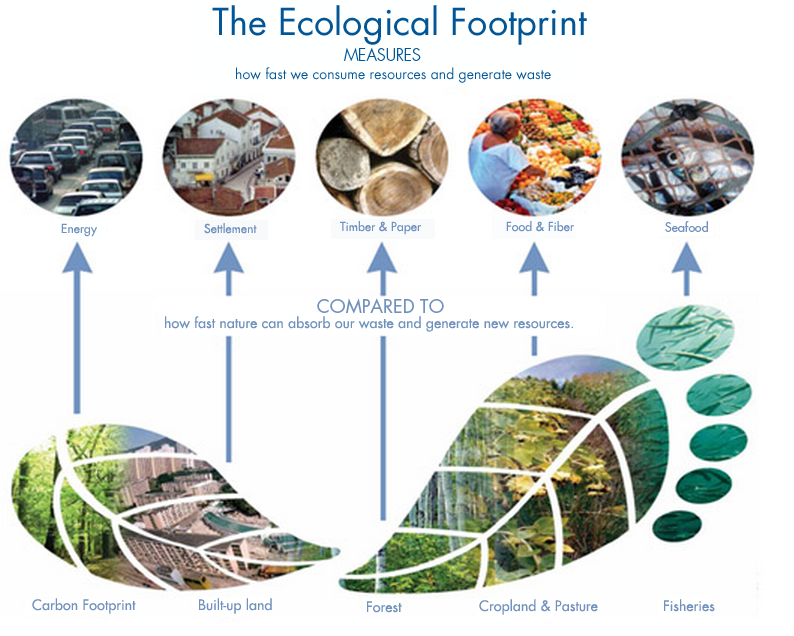
Understanding the Ecological Footprint as a Financial Metric
At its core, ecological footprinting is a resource accounting system. Just as a business tracks its expenditures against its revenue to determine profitability, ecological footprinting tracks the human demand on nature against what nature can provide. In the world of finance, this is the ultimate ledger of natural capital.
Defining the Scope: Beyond Carbon Accounting
While carbon footprinting—measuring greenhouse gas emissions—has dominated financial headlines, ecological footprinting is a more comprehensive metric. It measures the total area of biologically productive land and sea required to produce the resources a population consumes and to absorb its waste. This includes cropland for food and fiber, grazing land for animal products, fishing grounds, built-up land for infrastructure, and forest land to sequester carbon dioxide.
From a financial perspective, this broader scope is critical. It allows analysts to look beyond climate change alone and assess risks related to water scarcity, soil degradation, and biodiversity loss—all of which have direct impacts on commodity prices, supply chain stability, and insurance premiums.
The Correlation Between Ecological Deficit and Economic Risk
When a country’s ecological footprint exceeds its biological capacity (biocapacity), it is running an “ecological deficit.” In economic terms, this is akin to a nation spending more than its GDP, leading to a reliance on imported resources or the liquidation of domestic natural assets.
For investors, nations or corporations running high ecological deficits represent a hidden credit risk. As resources become more expensive and regulation tightens, these entities face higher operational costs and “stranded assets”—investments that lose value prematurely due to environmental constraints. By analyzing the ecological footprint, financial professionals can better predict which economies are resilient and which are vulnerable to resource-shocks.
Integrating Ecological Data into ESG and Investment Strategies
Environmental, Social, and Governance (ESG) criteria have moved from a niche interest to a mainstream requirement. Ecological footprinting provides the hard data necessary to move ESG from subjective “feel-good” investing to objective, data-driven strategy.
Screening for Resource Efficiency in Portfolios
High-performance portfolios are increasingly built on the principle of resource efficiency. By using ecological footprinting data, fund managers can screen companies based on their “resource intensity.” A company that produces high revenue while maintaining a low ecological footprint is, by definition, more efficient.
This efficiency often translates to higher margins and lower volatility. In a world where the cost of raw materials is rising, companies that have optimized their footprint are better positioned to maintain profitability. Investors use footprinting data to identify these “alpha” opportunities in sectors ranging from manufacturing to consumer goods.
Identifying Long-Term Value in Sustainable Asset Classes
The transition to a sustainable economy is creating new asset classes that are inherently “footprint-positive.” These include renewable energy infrastructure, regenerative agriculture projects, and circular economy startups. Ecological footprinting helps investors quantify the “dividend” these assets provide back to the biosphere.

For instance, an investment in a timberland fund that practices sustainable harvesting can be measured by its ability to maintain or increase biocapacity while providing a steady financial yield. By aligning financial capital with natural capital, investors can ensure that their wealth grows in tandem with the planet’s ability to support it, rather than at its expense.
The Impact on Corporate Finance and Operational Efficiency
For the corporate treasurer or CFO, ecological footprinting is a vital tool for internal financial management. It provides a roadmap for cost reduction and risk mitigation that traditional accounting might miss.
Reducing Supply Chain Costs Through Resource Optimization
A significant portion of a corporation’s ecological footprint often lies within its supply chain (Scope 3 impacts). By footprinting the entire value chain, businesses can identify “hotspots” where resource waste is high.
Optimizing these areas often leads to direct financial savings. For example, reducing packaging materials lowers the ecological footprint while simultaneously cutting procurement and shipping costs. Similarly, improving energy efficiency in the manufacturing process reduces the footprint and shields the company from fluctuations in energy prices. In this context, ecological footprinting is a proxy for operational excellence.
Mitigating Regulatory Fines and Carbon Taxation Risks
Governments worldwide are increasingly internalizing the cost of environmental damage through carbon taxes, plastic levies, and extended producer responsibility (EPR) schemes. A high ecological footprint is becoming a direct financial liability.
Companies that proactively use ecological footprinting can anticipate these costs. By lowering their footprint today, they avoid the “green taxes” of tomorrow. This proactive stance also improves a brand’s standing with regulators, potentially leading to lower capital costs and better terms on “green loans” or sustainability-linked bonds, where the interest rate is tied to the company’s ability to meet specific ecological benchmarks.
The Future of Money: From GDP to Ecological Wealth Management
As we look toward the future, the integration of ecological footprinting into the global financial system is set to deepen. We are moving toward a reality where the “bottom line” is triple-weighted: profit, people, and planet.
The Rise of Natural Capital Accounting
There is a growing movement among central banks and international financial institutions (like the IMF) to integrate natural capital into national accounts. The logic is simple: a country’s wealth is not just its gold reserves or industrial output, but its healthy forests, fertile soil, and clean water.
Ecological footprinting provides the metrics for this new form of wealth management. In the future, a country’s credit rating may be influenced as much by its biocapacity as by its debt-to-GDP ratio. For global investors, this means that sovereign debt analysis will require a deep dive into ecological data to ensure that the borrower has the natural resources to sustain its economy over the long term.
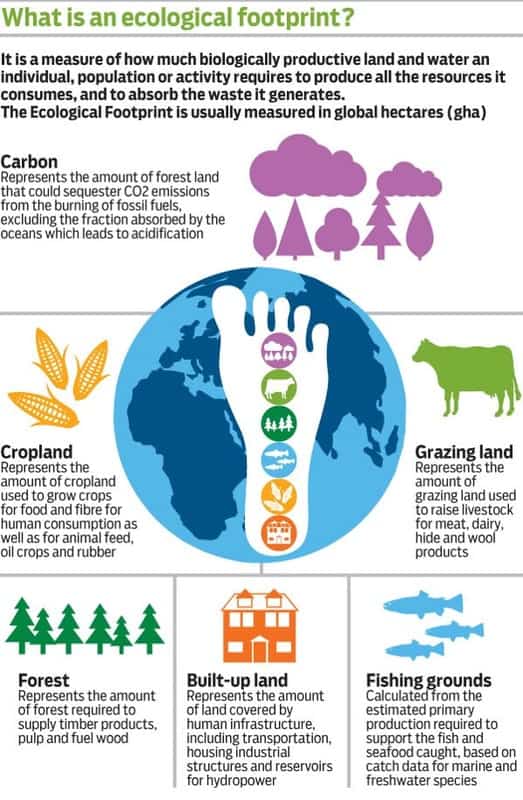
Tools for Measuring Personal and Institutional Financial Sustainability
For the individual investor, the “Money” niche is no longer just about retirement accounts; it is about “legacy” and “longevity.” New financial tools are emerging that allow individuals to see the ecological footprint of their bank accounts and stock holdings.
Digital wealth management platforms are beginning to offer “Footprint-Adjusted Returns,” showing not just how much money you made, but what the ecological cost of that gain was. This transparency allows for more ethical and strategic capital allocation. When we view our finances through the lens of ecological footprinting, we stop being mere consumers of wealth and start becoming stewards of a sustainable financial future.
In conclusion, ecological footprinting is the bridge between environmental science and the world of high finance. It provides a rigorous, quantifiable framework for understanding resource limits, managing risk, and identifying the most resilient investments of the 21st century. For those who want to thrive in the new economy, mastering the math of the ecological footprint is no longer optional—it is the ultimate competitive advantage.
aViewFromTheCave is a participant in the Amazon Services LLC Associates Program, an affiliate advertising program designed to provide a means for sites to earn advertising fees by advertising and linking to Amazon.com. Amazon, the Amazon logo, AmazonSupply, and the AmazonSupply logo are trademarks of Amazon.com, Inc. or its affiliates. As an Amazon Associate we earn affiliate commissions from qualifying purchases.