
Tax season is an annual reality that every American must navigate, and for many, the first name that comes to mind is H&R Block. Whether you are a student filing your first return, a homeowner looking for deductions, or a small business owner navigating complex depreciation schedules, the question “How much is H&R Block?” is central to your financial planning.
In the world of personal finance, understanding the cost of tax preparation is about more than just a single transaction fee; it is an assessment of value, accuracy, and the potential for maximizing your refund. This guide breaks down the pricing structure of H&R Block, comparing its various service tiers and help you determine which financial investment makes the most sense for your specific situation.
Decoding the DIY Software: Online Filing Costs
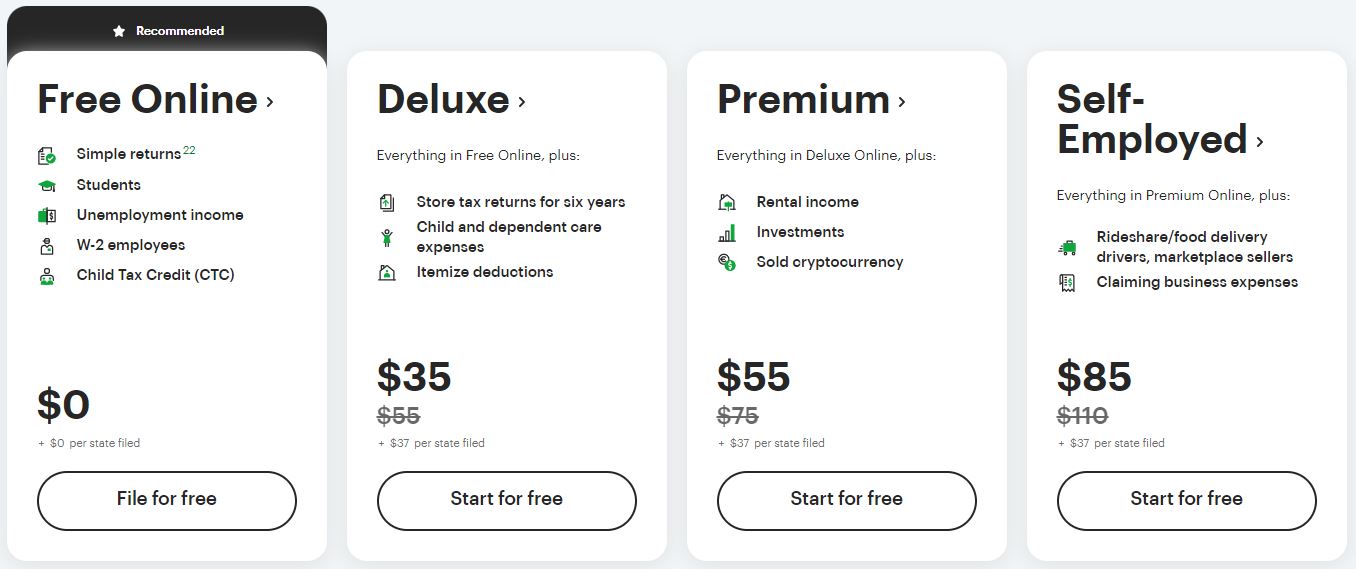
For the tech-savvy taxpayer or those with relatively straightforward financial lives, H&R Block’s Online DIY software is the most common point of entry. The pricing for these services is tiered based on the complexity of your financial portfolio.
The “Free” Version and Its Limitations
H&R Block offers a “Free Online” version, but it is essential to understand what “free” entails in the financial services industry. This tier is designed for those with simple tax situations—typically individuals filing a Form 1040 with no complex adjustments. It covers W-2 income, interest and dividend income (1099-INT/DIV), and the standard deduction. For students or entry-level employees, this is an excellent tool for minimizing overhead. However, once you introduce student loan interest deductions or health savings accounts (HSAs), you may find yourself prompted to upgrade.
Deluxe and Premium Tiers for Homeowners and Investors
As your financial life matures, so do your tax needs. The Deluxe Online version is generally the “sweet spot” for many middle-class families. This tier typically costs between $35 and $55 (plus state filing fees) and is required if you want to itemize deductions or if you have HSA contributions to report.
The Premium tier, often priced between $55 and $85, is tailored for those with more active investment portfolios. If you sold stocks, bonds, or cryptocurrency during the year, or if you own rental property, the Premium version provides the necessary schedules to report these gains and losses accurately. From a financial management perspective, paying for the Premium tier is often a small price to avoid the heavy penalties associated with misreporting investment income.
Self-Employed and Small Business Owners
The “Self-Employed” online tier is the most expensive DIY option, frequently ranging from $85 to $115. In the modern “gig economy,” this is a vital tool for freelancers and independent contractors. This version allows for the reporting of business income and expenses (Schedule C) and provides guidance on maximizing home office deductions and vehicle expenses. For a side-hustler, this expense is usually tax-deductible as a business cost, making the net impact on your wallet more manageable.
Professional Expertise: The Cost of In-Office Services
While software is efficient, many taxpayers prefer the peace of mind that comes with a face-to-face consultation. H&R Block’s in-office services operate on a different pricing model, often driven by the complexity of the forms required and the expertise of the tax pro.
Base Fees and Form-Based Pricing
In-office filing rarely has a “flat fee.” Instead, H&R Block typically uses a base fee—often starting around $80 to $100—and adds charges for every additional form and schedule required. For example, a return with a W-2, a Schedule A for itemized deductions, and a Schedule D for capital gains will cost significantly more than a simple W-2 filing. It is not uncommon for a complex personal return to reach $300 to $500 in total professional fees.
The Value of Professional Insight
From a wealth-management perspective, the cost of an in-person professional is an investment in risk mitigation. A tax professional can identify credits you might have missed—such as the Earned Income Tax Credit (EITC) or specific energy credits for home improvements. When you pay for in-office service, you are also paying for “Audit Support” and the ability to ask questions throughout the year. For individuals in high tax brackets or those with complex estates, the “cost” of the service is often offset by the “savings” found through expert planning.
Virtual Tax Prep: The Middle Ground
Recognizing the shift toward digital services, H&R Block offers a “Tax Pro Review” or “Virtual Tax Prep.” This allows you to upload your documents to a secure portal, where a professional completes the return for you. This often carries a price tag higher than the DIY software but lower than a full in-office appointment, providing a balance of convenience and professional oversight.

Hidden Costs and Add-on Services
In any financial transaction, the “sticker price” is rarely the final amount you pay. H&R Block, like many of its competitors, offers several add-on services that can significantly increase the total cost of filing.
State Filing Fees
Perhaps the most common “hidden” cost is the state return fee. While a software package might say “$50,” that often only covers the federal return. Adding a state return usually costs an additional $35 to $50 per state. If you lived or worked in multiple states during the year, these costs can accumulate quickly, turning a $50 DIY session into a $150 expense.
Refund Transfers and Financial Products
H&R Block offers the option to have your preparation fees deducted directly from your tax refund. While this sounds convenient, it is essentially a short-term loan. This “Refund Transfer” service typically carries a fee of $39 or more. From a personal finance standpoint, it is almost always better to pay the fees upfront with a credit or debit card to avoid this unnecessary surcharge.
Peace of Mind Extended Warranties
H&R Block offers “Peace of Mind” (POM) extended service, which provides representation in the event of an IRS audit. This usually costs around $35 to $40. For someone with a complex return involving significant business deductions or foreign assets, this insurance policy can provide valuable security. However, for a standard W-2 filer, the statistical likelihood of an audit is low enough that this may be an unnecessary expense.
Comparing Value: H&R Block vs. the Market
To understand if H&R Block is “worth it,” one must compare its pricing and service model against other major players in the financial tool space, such as TurboTax, or independent Certified Public Accountants (CPAs).
H&R Block vs. TurboTax
Historically, H&R Block has positioned itself as a slightly more affordable alternative to TurboTax, particularly in its higher-tier software packages. While TurboTax is often praised for its “interview-style” user interface, H&R Block is frequently cited for having a more transparent pricing structure and a larger physical footprint for those who need to transition from digital to in-person help. In the realm of personal finance, choosing between the two often comes down to brand loyalty and specific user experience preferences rather than a massive price discrepancy.
The Independent CPA Alternative
When your tax prep fees at H&R Block begin to exceed $500, it is time to consider an independent CPA. While a CPA might charge a similar amount, they often provide more personalized, year-round tax planning advice that a high-volume retail outlet may not offer. If your goal is long-term wealth building and strategic tax avoidance (legal minimization), the specialized knowledge of a CPA might offer a better ROI than a retail tax preparer.
Strategic Ways to Minimize Your Tax Prep Expenses
If you have decided that H&R Block is the right tool for your financial needs, there are several ways to ensure you aren’t overpaying for the service.
Early Bird Pricing and Promotions
Tax preparation is a seasonal business, and companies like H&R Block often offer significant discounts to those who file in January or early February. By avoiding the mid-April rush, you can often secure software or in-office services at a 20% to 30% discount.
Document Organization and Efficiency
If you are filing in person, time is literally money. Tax professionals often charge based on the time and complexity of the return. By arriving with your documents organized—receipts totaled, 1099s sorted, and W-2s ready—you reduce the labor required to process your return. This not only ensures accuracy but can sometimes lead to lower professional fees if the office uses a time-based billing component.
Utilizing Free File Alliances
Before paying for any software, check if you qualify for the IRS Free File program. If your Adjusted Gross Income (AGI) is below a certain threshold (typically $79,000), you can often use H&R Block’s software for free through the IRS website. This is an underutilized financial strategy that can save low-to-moderate-income earners hundreds of dollars over their working lives.
In conclusion, the cost of H&R Block is a variable figure that depends entirely on your financial complexity and your need for professional guidance. By understanding the tiers of software, the structure of in-office fees, and the impact of add-on services, you can transform tax season from a source of financial stress into a well-managed component of your annual budget. Whether you spend $0 or $500, the goal remains the same: ensuring every dollar you are entitled to stays in your pocket.
aViewFromTheCave is a participant in the Amazon Services LLC Associates Program, an affiliate advertising program designed to provide a means for sites to earn advertising fees by advertising and linking to Amazon.com. Amazon, the Amazon logo, AmazonSupply, and the AmazonSupply logo are trademarks of Amazon.com, Inc. or its affiliates. As an Amazon Associate we earn affiliate commissions from qualifying purchases.