
For the modern consumer, the question “how much are Tesla cars?” is rarely answered with a single sticker price. Unlike traditional dealerships where MSRP is often a suggestion subject to negotiation, Tesla’s pricing model is dynamic, transparent, and deeply intertwined with broader economic factors. To understand the cost of a Tesla, one must look beyond the initial transaction and consider the vehicle as a financial asset—evaluating tax incentives, total cost of ownership (TCO), and the shifting landscape of electric vehicle (EV) depreciation.
In the current financial climate, Tesla has transitioned from a niche luxury brand to a mass-market competitor. This shift has significant implications for personal finance and investment strategy. Whether you are looking at an entry-level Model 3 or the high-performance Cybertruck, understanding the financial architecture of these vehicles is essential for making an informed capital expenditure.
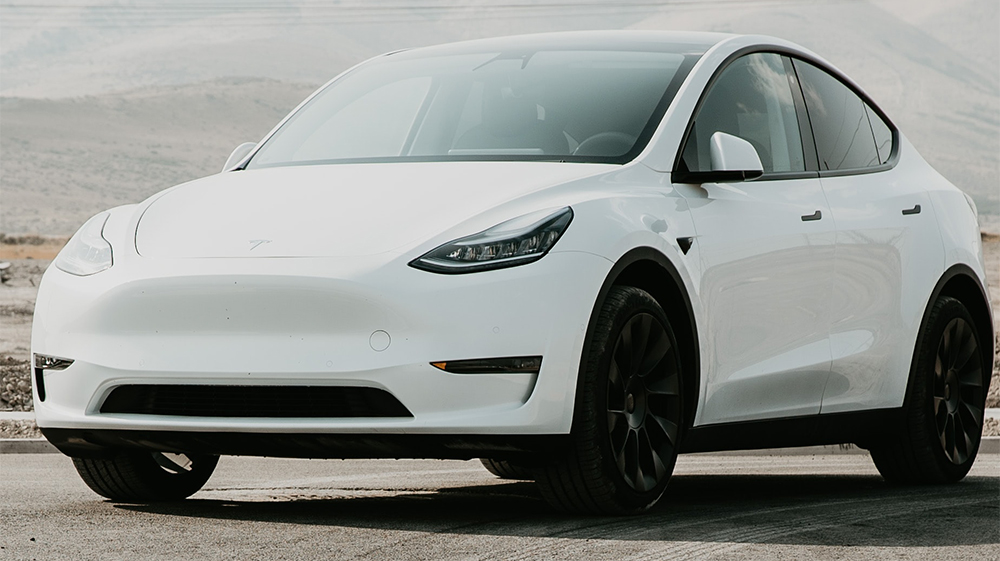
1. Analyzing the Current Price Spectrum across the Tesla Fleet
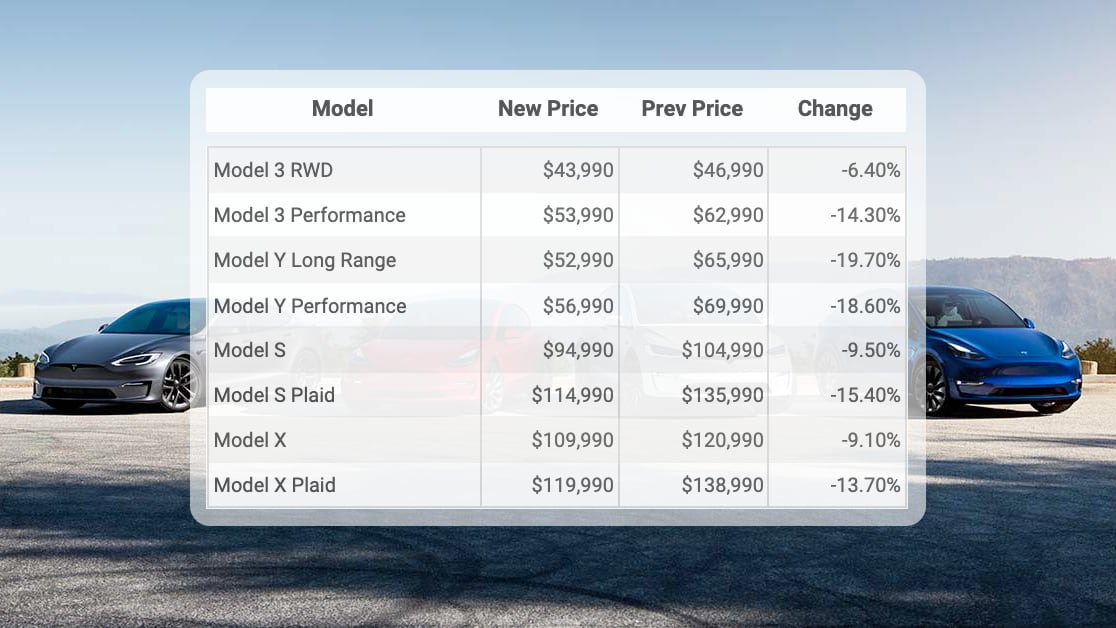
Tesla’s lineup is strategically tiered to capture different segments of the market, from the budget-conscious professional to the high-net-worth individual looking for flagship performance. Prices are subject to frequent adjustments based on supply chain efficiencies and market demand, making it vital to understand the baseline for each model.
Entry-Level Accessibility: The Model 3 and Model Y
The Model 3 remains Tesla’s most accessible entry point. As of 2024, the Rear-Wheel Drive (RWD) variant typically starts in the high $30,000 to low $40,000 range. For many buyers, this represents the “sweet spot” of EV adoption, offering a balance of range and technology at a price point comparable to entry-level luxury internal combustion engine (ICE) vehicles.
The Model Y, which has recently held the title of the world’s best-selling vehicle, commands a slight premium over the Model 3, generally starting in the mid-$40,000s. From a financial perspective, the Model Y often represents better value retention due to the high market demand for crossovers and SUVs.
Luxury and Performance: The Model S and Model X
The Model S and Model X occupy the premium segment, with prices reflecting their status as flagship products. The Model S sedan generally begins in the mid-$70,000s, while the Model X, with its complex falcon-wing doors and increased towing capacity, starts in the low $80,000s. These vehicles are geared toward consumers who prioritize performance and status, though they experience steeper depreciation curves than the mass-market models.
The Cybertruck and the Future of Specialty Pricing
The introduction of the Cybertruck has introduced a new variable into Tesla’s pricing strategy. With “Foundation Series” models initially commanding prices over $100,000, the Cybertruck sits in a unique category of high-demand, low-supply assets. For the business owner, the Cybertruck may offer unique tax advantages under Section 179 of the IRS tax code, which allows for significant deductions on heavy vehicles used for business purposes.
2. Navigating the Impact of Government Incentives and Tax Credits
When asking “how much are Tesla cars,” the “out-of-door” price is often significantly lower than the MSRP due to aggressive federal and state incentives. These financial levers are designed to accelerate EV adoption and can change the math of a car purchase overnight.
The Federal EV Tax Credit (Inflation Reduction Act)
Under the current Inflation Reduction Act (IRA) guidelines, several Tesla models qualify for a federal tax credit of up to $7,500. A critical shift in 2024 allows this credit to be applied as a “point-of-sale” discount, effectively reducing the loan amount or down payment required at the time of purchase.
However, this is subject to strict financial eligibility:
- MSRP Caps: Vans, SUVs, and trucks must have an MSRP under $80,000, while sedans must be under $55,000.
- Income Limits: Eligibility is capped based on modified adjusted gross income (MAGI)—$300,000 for married couples filing jointly and $150,000 for individuals.

State-Level Rebates and Local Incentives
Beyond federal help, states like California, Colorado, and New York offer additional rebates that can range from $500 to $5,000. In some jurisdictions, buyers can also benefit from utility company incentives for installing home charging stations. When these are stacked with federal credits, the effective price of a Model 3 can drop into the high $20,000s, making it one of the most financially competitive vehicles on the market.
3. Total Cost of Ownership (TCO) vs. Purchase Price
A professional financial analysis of a Tesla must move beyond the “sticker shock” and focus on the Total Cost of Ownership. This is where the Tesla ecosystem offers its most compelling financial argument.
Fuel Savings: Electricity vs. Gasoline
The most immediate financial benefit of Tesla ownership is the drastic reduction in energy costs. On average, charging a Tesla is 50% to 70% cheaper than fueling a comparable gasoline car. For a driver covering 15,000 miles per year, this can result in annual savings of $1,000 to $2,000 depending on local electricity rates. Over a five-year ownership period, the $7,500 to $10,000 saved in fuel effectively “rebates” a significant portion of the car’s initial cost.
Maintenance Costs and Long-Term Reliability
Tesla vehicles have significantly fewer moving parts than internal combustion engines. There are no oil changes, spark plugs, or timing belts to replace. Regenerative braking also significantly extends the life of brake pads and rotors. Financial data suggests that Tesla owners spend roughly 40% less on maintenance over the life of the vehicle compared to owners of premium ICE vehicles.
Resale Value and Depreciation Trends
Historically, Teslas have held their value better than other EVs, though the “price wars” of 2023 caused a temporary dip in used car valuations. For the savvy investor, purchasing a Tesla during a period of price stability is key. Tesla’s ability to improve vehicles through Over-the-Air (OTA) software updates means that older models do not become “obsolete” as quickly as traditional cars, which helps buoy secondary market prices.
4. Financing, Leasing, and Hidden Costs
The final layer of the Tesla financial puzzle involves how the vehicle is paid for and the recurring costs associated with the brand’s high-tech features.
Tesla Financing vs. Traditional Bank Loans
Tesla offers in-house financing, but because they operate on a direct-to-consumer model, they do not always offer the “0% APR” promotional rates common at traditional dealerships. Prospective buyers should compare Tesla’s rates against local credit unions, which often offer “Green Auto Loans” with lower interest rates specifically for electric vehicles. Choosing the right financing vehicle can save several thousand dollars in interest over the life of the loan.
Software Add-ons and Subscription Services
A unique aspect of Tesla pricing is the post-purchase monetization of software. Features like Full Self-Driving (FSD) can be purchased as a one-time capital expense (currently priced around $8,000) or as a monthly subscription (currently $99/month). From a personal finance perspective, the subscription model is often more prudent, as it allows the owner to test the value of the software without committing a large lump sum that may not be fully recovered at the time of resale.
Insurance Premiums for High-Tech EVs
One often overlooked “hidden cost” is insurance. Because Teslas are high-performance vehicles with specialized aluminum bodies and advanced sensor suites, they can be more expensive to insure. Tesla has addressed this by launching “Tesla Insurance,” which uses real-time driving behavior to determine premiums. For safe drivers, this can lead to significant monthly savings, but for those in high-risk categories, insurance costs must be factored into the monthly budget.
The Financial Verdict
So, how much are Tesla cars? While the base prices currently range from approximately $39,000 to over $100,000, the true cost is a reflection of your tax bracket, your annual mileage, and your ability to leverage the EV ecosystem.
When you account for the $7,500 federal tax credit, the absence of gasoline expenses, and the reduced maintenance requirements, a Tesla often presents a lower lifetime cost than many mid-range gasoline cars that have a lower initial sticker price. For the financially minded consumer, a Tesla is not just a purchase; it is a strategic shift in how one allocates capital toward personal transportation. By treating the car as a long-term utility rather than a depreciating luxury, the “cost” of a Tesla becomes a manageable—and often advantageous—part of a modern financial portfolio.
aViewFromTheCave is a participant in the Amazon Services LLC Associates Program, an affiliate advertising program designed to provide a means for sites to earn advertising fees by advertising and linking to Amazon.com. Amazon, the Amazon logo, AmazonSupply, and the AmazonSupply logo are trademarks of Amazon.com, Inc. or its affiliates. As an Amazon Associate we earn affiliate commissions from qualifying purchases.