
In the world of fast-moving consumer goods (FMCG), few names carry as much historical weight, geopolitical complexity, and marketing intrigue as Stoli. To the casual consumer, “Stoli” is a premium vodka found on the shelves of bars from London to Tokyo. However, to a brand strategist or a corporate historian, Stoli represents a fascinating case study in brand identity, international trademark litigation, and the high-stakes necessity of crisis-driven rebranding.
The journey of Stoli—formerly known primarily as Stolichnaya—is a narrative of how a brand can transcend its geographical origins and navigate the turbulent waters of global politics to maintain its status as a market leader. This article explores the anatomy of the Stoli brand, examining its origins, its strategic shift in identity, and the lessons it offers for modern corporate management.

The Origin Story: Building a Legacy Brand
Every iconic brand has an origin story that anchors its identity. For Stoli, that story began in the mid-20th century, deeply rooted in a specific cultural and political landscape. Understanding where the brand started is essential to understanding why its recent transformations have been so significant.
From Soviet Roots to Global Reach
Stolichnaya was established in the Soviet Union, with production reportedly beginning in the late 1930s or early 1940s. The name itself translates roughly to “of the capital city,” immediately positioning it as a sophisticated, urban product. By the 1970s, through a landmark “vodka-for-Pepsi” trade agreement, Stolichnaya entered the United States market. This move was a masterclass in early global brand expansion, introducing a “foreign” luxury to a Western audience during the height of the Cold War.
Defining the Visual Identity: The “Stolichnaya” Signature
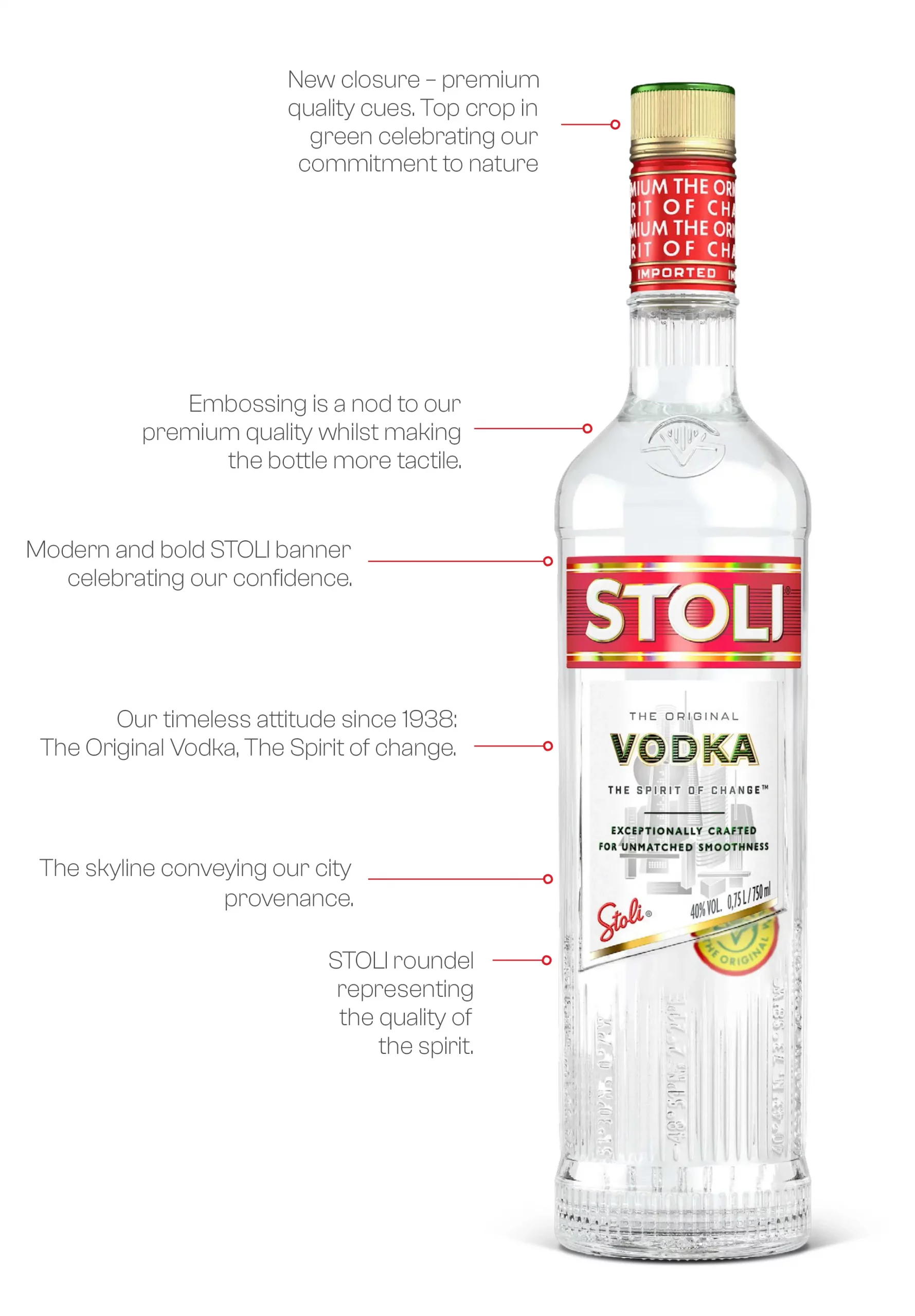
The brand’s visual identity was built on traditionalism. The classic label, featuring a gold-and-red color palette and an illustration of the Hotel Moskva, communicated heritage and authenticity. For decades, the “Russianness” of the brand was its primary selling point. It wasn’t just vodka; it was the Russian vodka. This clear, singular brand positioning allowed it to dominate the premium segment before the explosion of “craft” spirits in the 21st century.
Navigating Geopolitical Crisis: The Shift from Stolichnaya to Stoli
In the modern era, a brand’s identity is often at the mercy of global events. The most dramatic chapter in the Stoli narrative occurred in 2022, following the Russian invasion of Ukraine. This event forced a radical and rapid pivot in the brand’s strategy, demonstrating how corporate identity must sometimes be sacrificed to protect brand equity.
The Impact of the Russia-Ukraine Conflict
As the world responded to the invasion with sanctions and boycotts, brands with perceived Russian ties faced immediate backlash. Although the Stoli Group (owned by the SPI Group) had been producing its vodka in Latvia for nearly two decades and was owned by a billionaire who had been exiled from Russia for years, the name “Stolichnaya” remained synonymous with the Russian state in the minds of many consumers. The brand faced an existential threat: stay the course and be boycotted, or change and survive.
Distancing from State Identity
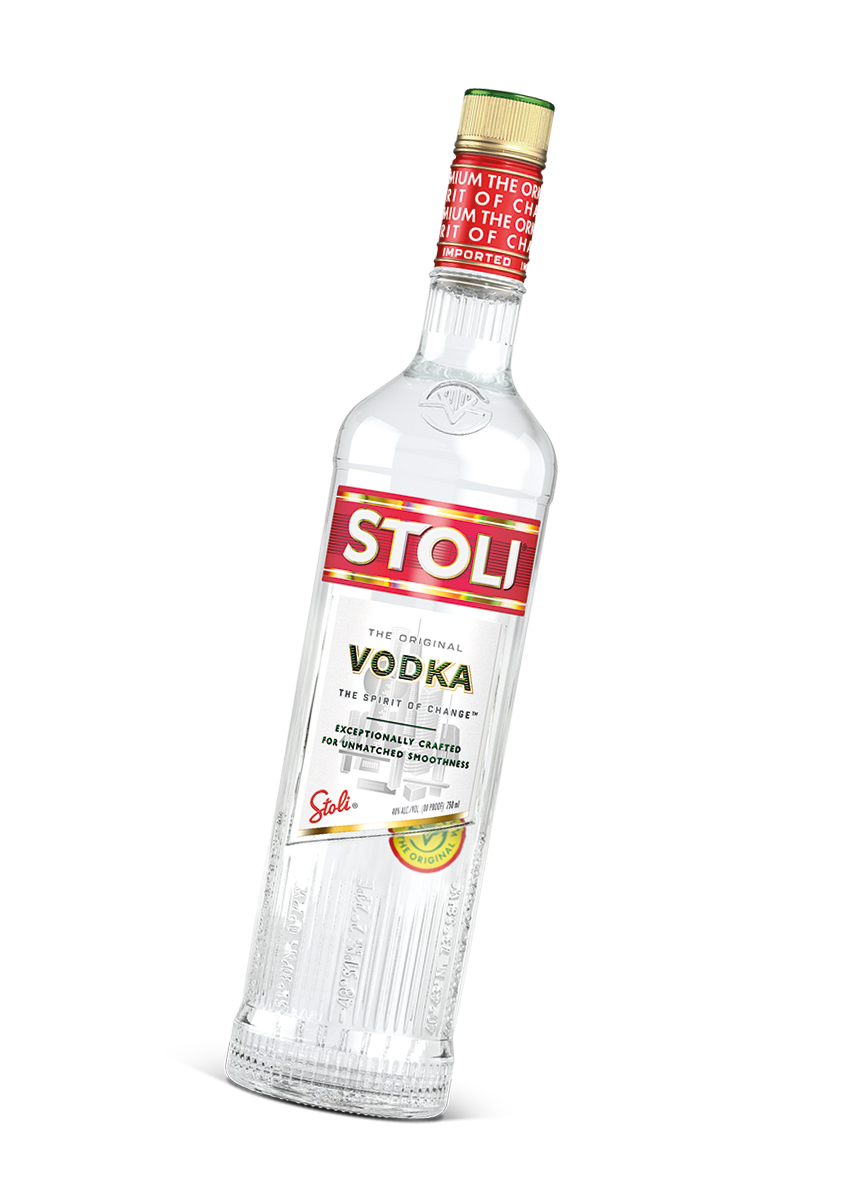
The decision was made to officially rebrand as simply “Stoli.” This was more than a shorthand nickname; it was a strategic decoupling. By dropping the full Russian name, the brand aimed to shed the associations with the Russian government while retaining the affection and recognition of its long-term customer base. This move highlighted a crucial branding principle: when a brand’s core heritage becomes a liability due to factors outside its control, agility and clear communication are the only paths to survival. The company launched a “Stoli” campaign that emphasized its Latvian production and its support for Ukrainian sovereignty, effectively transforming its brand narrative from “Russian Heritage” to “Global Solidarity.”
Trademark Wars: A Masterclass in Legal Brand Protection
A brand is only as strong as its legal foundations. The history of Stoli is marred—and defined—by one of the longest-running trademark disputes in history. This battle provides critical insights into how corporate identity is defended across different international jurisdictions.
SPI Group vs. Soyuzplodoimport
Following the dissolution of the Soviet Union, the ownership of many state brands became murky. Yuri Shefler and his SPI Group acquired the rights to Stolichnaya, but the Russian state-owned enterprise Soyuzplodoimport contested this, claiming the privatization was illegal. This resulted in a fractured brand identity. In some countries, the Russian state owned the name; in most of the Western world, Shefler’s SPI Group held the rights.
For brand managers, this created a nightmare scenario: a brand with two masters. The SPI Group had to build a global identity for “Stoli” that was distinct enough to stand on its own, regardless of the legal outcomes in specific territories like the Netherlands or Russia.
Managing Brand Perception Across Borders
The trademark wars forced the SPI Group to innovate. They couldn’t rely solely on the “Stolichnaya” name if they might lose it in certain markets. Instead, they focused on the quality of the liquid and the “Stoli” moniker. This diversification of identity served as a safety net. It teaches a vital brand lesson: do not tether your entire corporate identity to a single legal entity or a single word. By building a broader lifestyle brand around the “Stoli” name, the company ensured that even if they lost a court case over a specific trademark, they wouldn’t lose their customers.
Marketing and Positioning in a Saturated Market
In the “Brand” category, success is often determined by how well a product differentiates itself from its competitors. In the vodka category—a spirit defined by its neutrality—marketing is everything. Stoli has stayed relevant by mastering the art of premium positioning and continuous innovation.
Targeting the Premium Consumer
Stoli has successfully occupied the “accessible premium” space. It sits above “well” vodkas but remains more attainable than ultra-luxury boutique brands. Through the launch of “Stoli Elit,” the brand utilized a “prestige pricing” strategy to elevate the entire brand family. By creating an ultra-premium tier (using unique filtration processes like freeze-filtration), they created a halo effect that made the standard Stoli brand seem more high-end by association.
Product Diversification and Innovation
The brand was an early pioneer in the flavored vodka market. Long before the market was flooded with gimmicky flavors, Stoli introduced Pertsovka (pepper) and Limonnaya (lemon). This wasn’t just about sales; it was about “brand architecture.” By expanding the product line, Stoli occupied more shelf space and remained top-of-mind for both bartenders and home consumers. Each new flavor served as a “brand touchpoint,” reinforcing the idea that Stoli was a versatile, modern, and innovative player in the spirits industry.
The Future of Stoli: Sustainability and Brand Longevity
As we look toward the future, the Stoli brand is focusing on the values that define 21st-century corporate identity: social responsibility, sustainability, and ethical governance. A brand is no longer just a logo or a product; it is a reflection of the company’s values.
Commitment to Social Responsibility
In its rebranding efforts, Stoli Group has leaned heavily into its support for the LGBTQ+ community and environmental causes. For instance, the brand has released limited-edition bottles supporting various social causes. This is a deliberate brand strategy to align with the values of Millennial and Gen Z consumers, who prioritize “conscious consumption.” By taking a stand on social issues, Stoli is building a brand that is defined by its actions in the present, rather than its history in the past.
Lessons for Modern Brand Strategists
The story of Stoli offers three key lessons for anyone interested in brand strategy:
- Identity is Fluid: A brand must be willing to evolve, even if it means changing a name that has been successful for decades.
- Context Matters: A brand does not exist in a vacuum; it is subject to the political and social climate of the day.
- Consistency in Quality: While logos and names may change, the underlying product must remain consistent to maintain consumer trust during transitions.
In conclusion, “What is Stoli?” is a question with a multi-layered answer. It is a spirit, yes. But more importantly, it is a resilient brand that has survived political collapse, international legal battles, and a complete identity overhaul. Stoli stands today as a testament to the power of proactive brand management and the necessity of adapting to a rapidly changing global landscape. For any corporate entity, the ability to pivot as Stoli has is the difference between becoming a relic of history and remaining a household name.
aViewFromTheCave is a participant in the Amazon Services LLC Associates Program, an affiliate advertising program designed to provide a means for sites to earn advertising fees by advertising and linking to Amazon.com. Amazon, the Amazon logo, AmazonSupply, and the AmazonSupply logo are trademarks of Amazon.com, Inc. or its affiliates. As an Amazon Associate we earn affiliate commissions from qualifying purchases.