
Paralysis, the complete or partial loss of voluntary muscle function, is a condition that has long captivated human curiosity and scientific inquiry. From ancient medical texts to modern neurological research, understanding its causes has been a persistent quest. While often viewed through a purely biological lens, the root of paralysis lies in disruptions to the complex communication pathways between the brain and the body. These pathways, once solely the domain of biological signals, are increasingly becoming influenced and understood through the lens of technology. This article will delve into the multifaceted causes of paralysis, exploring the biological mechanisms and, crucially, how technological advancements are illuminating, and in some cases, even influencing, our understanding and potential treatment of this profound condition.
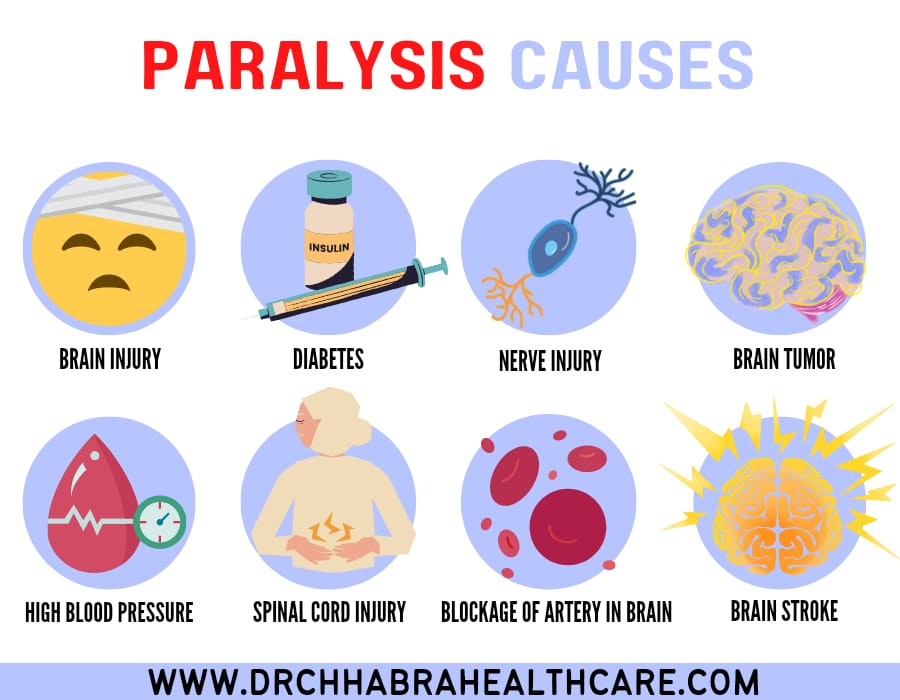
The brain is the command center, and the nervous system acts as the intricate network of wires transmitting instructions. Paralysis occurs when there’s a break in this communication chain. This break can happen at various points, from the central nervous system (brain and spinal cord) to the peripheral nerves that extend to every muscle.
The Biological Foundation of Paralysis: When the Nervous System Fails
At its core, paralysis stems from damage or disease affecting the nervous system’s ability to send or receive signals that control muscle movement. This damage can manifest in numerous ways, broadly categorized by the location and nature of the disruption.
Central Nervous System Disruptions
The brain and spinal cord form the central nervous system (CNS), the primary relay for motor commands. When the CNS is compromised, the signals intended for muscles may never be generated or successfully transmitted.
Stroke: The Sudden Interruption of Blood Flow
One of the most common causes of paralysis, particularly in adults, is a stroke. A stroke occurs when blood flow to a part of the brain is interrupted, either by a blockage (ischemic stroke) or a rupture of a blood vessel (hemorrhagic stroke). Brain cells, deprived of oxygen and nutrients, begin to die rapidly. The location and extent of brain damage dictate the type and severity of paralysis. For instance, a stroke affecting the motor cortex might lead to hemiplegia, paralysis on one side of the body. The neurological deficits from a stroke can range from temporary weakness to permanent paralysis, affecting speech, sensation, and cognitive functions in addition to motor control.
Spinal Cord Injury: Severing the Communication Highway
The spinal cord is the critical conduit for signals traveling between the brain and the rest of the body. Damage to the spinal cord, often caused by traumatic accidents (falls, car crashes, sports injuries), can sever or compress these neural pathways. The level of the spinal cord injury determines the extent of paralysis. A complete spinal cord transection at the cervical (neck) level can result in quadriplegia (paralysis of all four limbs), while injuries lower down the spine may lead to paraplegia (paralysis of the legs and lower body). The immediate aftermath of a spinal cord injury often involves spinal shock, a period of complete flaccidity below the level of injury, which can eventually give way to spasticity or weakness.
Neurodegenerative Diseases: The Gradual Erosion of Neurons
Several chronic, progressive diseases attack and degrade nerve cells, leading to a gradual loss of motor function.
Amyotrophic Lateral Sclerosis (ALS): The Degeneration of Motor Neurons
ALS, also known as Lou Gehrig’s disease, is a devastating neurodegenerative disorder that selectively destroys motor neurons – the nerve cells responsible for controlling voluntary muscle movement. As these neurons die, the muscles they innervate weaken and eventually atrophy. ALS typically progresses from fasciculations (involuntary muscle twitches) to significant muscle weakness, leading to paralysis and, ultimately, affecting breathing and swallowing. The exact cause of ALS is still largely unknown, though genetic factors and environmental triggers are being investigated.
Multiple Sclerosis (MS): The Immune System’s Attack on the CNS
In multiple sclerosis, the body’s own immune system mistakenly attacks the myelin sheath, the protective covering around nerve fibers in the CNS. This damage, known as demyelination, disrupts the efficient transmission of nerve impulses. Symptoms of MS are highly variable and can include fatigue, vision problems, numbness, and a wide range of motor impairments, including weakness and paralysis, often manifesting as relapsing and remitting episodes.
Peripheral Nervous System Disruptions
The peripheral nervous system (PNS) comprises the nerves that branch out from the spinal cord to all parts of the body, including muscles. Damage to these nerves can also result in paralysis.
Neuropathies: Damage to the Peripheral Nerves
Peripheral neuropathies are conditions where the peripheral nerves are damaged. This can occur due to a variety of reasons, including:
- Diabetes: High blood sugar levels over time can damage small blood vessels that supply nerves, leading to diabetic neuropathy, often affecting the feet and legs first.
- Autoimmune diseases: Conditions like Guillain-Barré syndrome, where the immune system attacks peripheral nerves, can cause rapid onset paralysis.
- Infections: Certain infections can directly damage nerve tissue.
- Toxins and Medications: Exposure to certain chemicals or side effects from medications can also lead to nerve damage.
The symptoms of neuropathy can include numbness, tingling, pain, and weakness, which can progress to paralysis depending on the severity and extent of nerve damage.
Nerve Compression and Trauma
Direct injury to peripheral nerves, such as through cuts, crushing injuries, or prolonged pressure (like carpal tunnel syndrome), can also lead to loss of function and paralysis in the affected area.
The Technological Revolution in Understanding and Addressing Paralysis
While the causes of paralysis are fundamentally biological, technology has become an indispensable tool in diagnosing, understanding, and, increasingly, mitigating its effects. The integration of tech, brand, and money concepts sheds light on how we approach this complex challenge.
Diagnostic Technologies: Illuminating the Unseen
Precise diagnosis is the first critical step in understanding the cause of paralysis and formulating a treatment plan. Advanced imaging and diagnostic technologies have revolutionized this process.

Advanced Imaging Techniques: Visualizing the Damage
- MRI (Magnetic Resonance Imaging): MRI is a cornerstone in diagnosing CNS-related paralysis. It provides highly detailed images of the brain and spinal cord, allowing clinicians to identify strokes, tumors, demyelination, and structural abnormalities with remarkable clarity. The subtle changes associated with early stages of neurodegenerative diseases can also be detected.
- CT (Computed Tomography) Scans: CT scans are faster than MRIs and are often used in emergency situations, such as suspected stroke, to quickly identify bleeding in the brain or large blockages.
- EMG (Electromyography) and Nerve Conduction Studies: These tests assess the electrical activity of muscles and the speed at which nerves transmit signals. They are crucial for differentiating between nerve damage and muscle disorders and for pinpointing the location of peripheral nerve lesions.
Rehabilitation Technologies: Restoring Function and Independence
Once a cause is identified, the focus shifts to rehabilitation. Technology plays a pivotal role in helping individuals regain lost function and improve their quality of life.
Robotics and Exoskeletons: Augmenting Human Movement
- Exoskeletons: These wearable robotic suits are designed to support and assist individuals with spinal cord injuries or other mobility impairments. They can help users stand, walk, and perform daily activities, offering significant physical and psychological benefits.
- Robotic Therapy Devices: These devices assist in repetitive, task-specific training of weakened limbs. By providing controlled and consistent movements, they can help retrain neural pathways and promote motor recovery.
Brain-Computer Interfaces (BCIs): Direct Communication with the Body
Perhaps the most revolutionary technological advancement in the paralysis space is the development of Brain-Computer Interfaces (BCIs). BCIs translate brain activity into commands that can control external devices.
- BCI-controlled Prosthetics and Wheelchairs: Individuals with severe paralysis can learn to control robotic limbs or wheelchairs simply by thinking about moving them. Electrodes placed on the scalp (non-invasive) or implanted directly into the brain (invasive) detect neural signals, which are then decoded by algorithms.
- BCIs for Communication: For those unable to speak due to paralysis, BCIs can enable communication by translating thoughts into text or speech.
The “Brand” of Medical Innovation: Research, Awareness, and Patient Advocacy
The pursuit of understanding and treating paralysis is also a matter of building a “brand” for medical innovation, awareness, and patient advocacy.
Advancing Research Through Data and AI
- Artificial Intelligence (AI) in Diagnosis: AI algorithms are being developed to analyze medical images with greater speed and accuracy, potentially identifying subtle signs of neurological damage that might be missed by the human eye. AI can also sift through vast amounts of patient data to identify patterns and predict disease progression or treatment responses.
- AI in Drug Discovery: The complex biological pathways involved in paralysis are targets for new drug development. AI is accelerating the process of identifying potential drug candidates and understanding their mechanisms of action.
Public Awareness and Fundraising: Driving Support and Solutions
Organizations dedicated to specific causes of paralysis, like the National MS Society or the Christopher & Dana Reeve Foundation, have built strong brands through consistent public awareness campaigns and fundraising efforts. These efforts are crucial for:
- Educating the Public: Demystifying paralysis and its causes.
- Funding Research: Providing the financial backbone for scientific breakthroughs.
- Advocating for Patients: Ensuring access to care, treatments, and support services.
- Inspiring Hope: Showcasing the progress being made and fostering a sense of community.
The “Money” Behind Solutions: Investment, Funding, and Economic Impact
The economic landscape surrounding paralysis is significant, encompassing research funding, healthcare costs, assistive technology markets, and the potential for economic contribution from individuals with paralysis.
Investment in Neurological Research
Significant investment, both from government grants and private venture capital, is directed towards understanding the fundamental mechanisms of paralysis and developing novel therapies. This includes:
- Biotechnology and Pharmaceutical Companies: Investing heavily in developing new drugs and treatments.
- Venture Capital Firms: Funding startups focused on assistive technologies, BCI development, and regenerative medicine.
The Market for Assistive Technologies
The growing market for assistive technologies – from advanced wheelchairs and prosthetics to smart home devices and communication aids – represents a substantial economic sector. This market is driven by:
- Technological Advancements: Creating more sophisticated and user-friendly products.
- Increasing Demand: As the population ages and awareness of assistive needs grows.
- Insurance and Government Reimbursement: Playing a vital role in making these technologies accessible.
Economic Participation and Independence
Technological solutions that enable individuals with paralysis to regain mobility and communication capabilities can also foster greater economic participation and independence. This reduces reliance on long-term care and allows individuals to contribute to the workforce and society, generating economic benefits.

Conclusion: A Future of Interdisciplinary Progress
Paralysis, while a deeply biological condition, is increasingly understood and addressed through an interdisciplinary approach. The biological causes, ranging from acute events like strokes and spinal cord injuries to chronic neurodegenerative diseases, remain the primary focus of medical research. However, technology is not merely an aid; it is becoming an integral part of the solution. From sophisticated diagnostic tools that illuminate the precise location of neurological damage to revolutionary BCIs that offer new avenues for communication and movement, technological innovation is reshaping the landscape of paralysis.
The “brand” of progress in paralysis research and advocacy, fueled by relentless public awareness campaigns and dedicated patient communities, continues to drive momentum. This, in turn, attracts the “money” – vital investments in research, development, and the creation of life-changing assistive technologies. As these fields converge, we move closer to a future where the causes of paralysis are not only better understood but where its debilitating effects can be more effectively mitigated, and in some cases, even overcome. The journey from understanding the “what” to addressing the “how” of paralysis is a testament to the power of human ingenuity, scientific rigor, and the relentless pursuit of restoring function and hope.
aViewFromTheCave is a participant in the Amazon Services LLC Associates Program, an affiliate advertising program designed to provide a means for sites to earn advertising fees by advertising and linking to Amazon.com. Amazon, the Amazon logo, AmazonSupply, and the AmazonSupply logo are trademarks of Amazon.com, Inc. or its affiliates. As an Amazon Associate we earn affiliate commissions from qualifying purchases.