
For the modern consumer, airfare often represents one of the most volatile line items in a personal budget. Unlike the fixed costs of a mortgage or a subscription service, the price of a flight to London or Tokyo can fluctuate by hundreds of dollars within a single twenty-four-hour cycle. In the realm of personal finance and strategic money management, understanding the “when” and “how” of airline pricing is not merely a matter of convenience—it is a sophisticated exercise in market arbitrage.
To master the art of the “cheap ticket,” one must look past the anecdotal myths of clearing browser cookies and instead analyze the rigorous economic structures that dictate global travel costs. This guide explores the financial mechanics of airline pricing, the optimal windows for capital preservation, and the digital tools necessary to optimize your travel ROI.
1. The Financial Mechanics of Dynamic Pricing and Yield Management
To understand when tickets are cheapest, one must first understand how airlines set their prices. Airlines utilize “Yield Management Systems,” complex algorithmic models designed to maximize the revenue generated from every single seat on an aircraft.
The Myth of the “Tuesday Afternoon” Purchase
For years, a pervasive piece of financial advice suggested that booking flights on a Tuesday at 3:00 PM would yield the lowest prices. While this may have had a kernel of truth in the era of manual fare updates, modern airline algorithms are now reactive in real-time. Today, the day of the week you buy the ticket is far less significant than the day of the week you fly. Financially savvy travelers should prioritize their travel dates over their booking hours. Statistical data now shows that the variance in price based on the purchase day is often less than 2%, whereas the variance based on the departure day can exceed 40%.
Revenue Management and Fare Buckets
Airlines do not sell seats at a single price. Instead, they divide the cabin into “fare buckets.” A certain number of seats are allocated to the lowest price tier; once those are sold, the algorithm automatically moves to the next, more expensive tier. From a personal finance perspective, your goal is to be the buyer of the final seat in the lowest bucket. This requires an understanding of demand cycles. When corporate travel demand is high (typically Monday mornings and Friday afternoons), the lower fare buckets are rarely opened or are exhausted months in advance.
The Role of Fuel Hedging and External Economic Factors
While consumer demand is the primary driver, macro-economic factors play a role in the “floor price” of a ticket. Airlines hedge fuel costs years in advance. When global oil prices are low, the baseline for ticket prices tends to drop, though there is often a lag of several months. Monitoring the broader economic landscape can help you predict “sale seasons” where airlines, burdened by high operational costs and low demand, will slash prices to maintain liquidity and cash flow.
2. Strategic Booking Windows for Maximum ROI
In personal finance, timing is everything. Just as an investor looks for the right entry point in the stock market, a traveler must find the “Goldilocks window” where prices have bottomed out before the “last-minute” premium begins to climb.
Domestic vs. International Windows
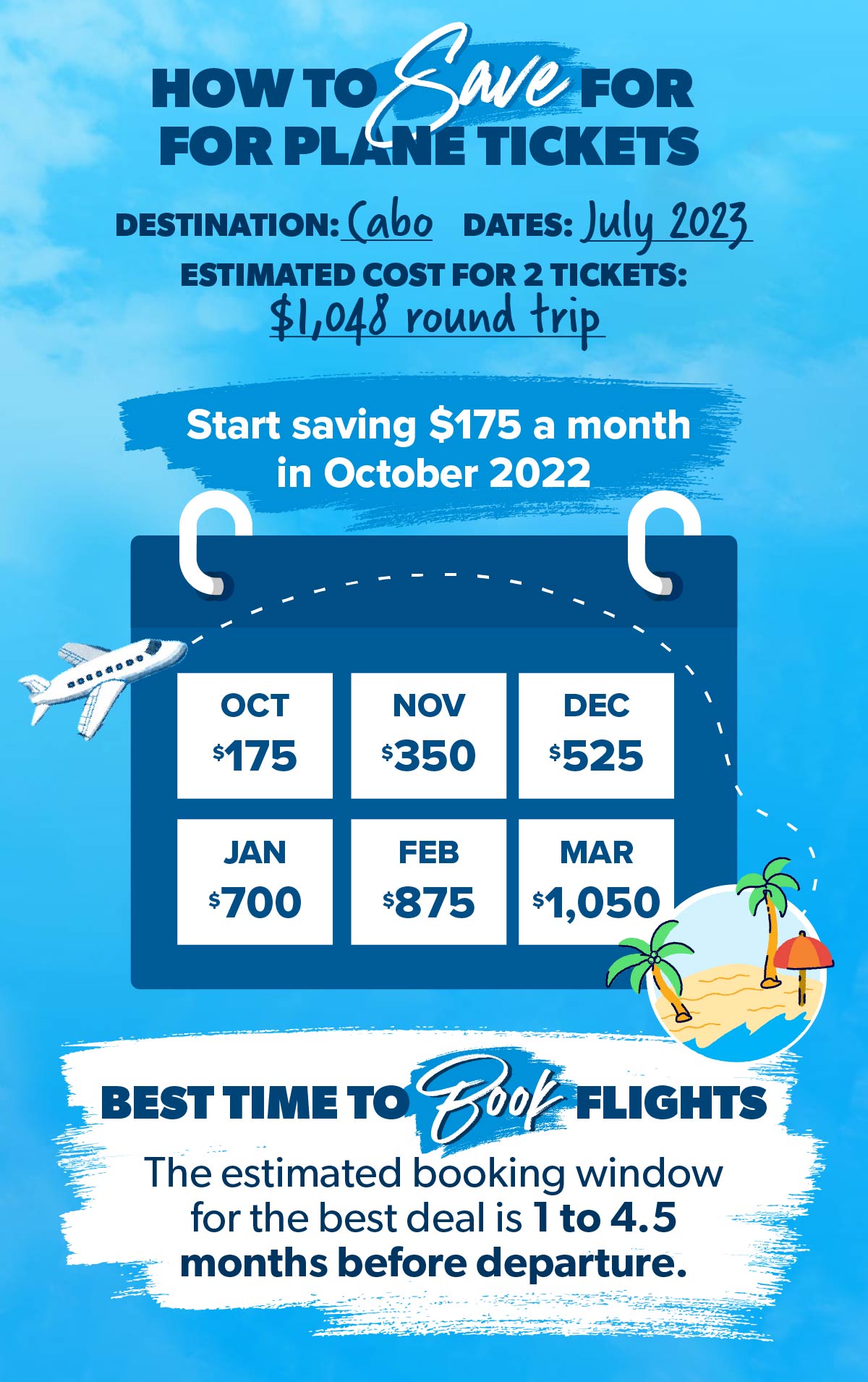
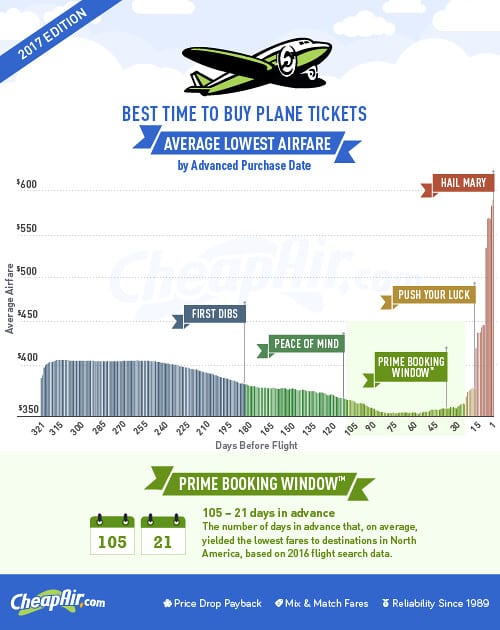
The window for domestic flights is significantly shorter than for international routes. For domestic travel, the financial “sweet spot” typically occurs between 28 and 60 days before departure. Booking earlier than this often means you are paying a “security premium”—the airline knows you are committed and charges you for the peace of mind. For international travel, the capital-efficient window expands to 3 to 8 months. During this period, airlines are attempting to fill the base capacity of the aircraft and are more likely to offer competitive rates to ensure the flight is at least break-even.
The “Dead Zone” Arbitrage
From a budgeting perspective, the cheapest times to fly are often referred to as “dead zones.” These are periods immediately following major holidays when consumer spending is low and travel demand craters. Examples include the first two weeks of December (before the holiday rush) and the entire month of January. By shifting your travel to these windows, you are engaging in a form of seasonal arbitrage—consuming the same luxury product (travel) at a fraction of the peak-market cost.
Mid-Week Departures and Financial Efficiency
If your professional schedule allows for flexibility, the financial gains of flying on a Tuesday or Wednesday are undeniable. Business travelers typically occupy the Monday/Friday slots, driving up demand. By positioning your travel during the mid-week trough, you minimize the “convenience tax” that most consumers pay for weekend departures. In many cases, the price difference between a Sunday return and a Tuesday return can cover two extra nights of accommodation, effectively providing a longer vacation for the same net spend.
3. Leveraging Financial Tools and Digital Resources
In the digital age, manual searching is a poor use of time. Professional money management requires leveraging tools that automate the “hunt” for value.
Price Tracking and Predictive Analytics
Tools such as Google Flights and Hopper have revolutionized how we track airfare. These platforms use historical data to predict whether a current price is “high,” “typical,” or “low.” From a financial strategy standpoint, you should never book a “typical” price unless your dates are non-negotiable. Setting price alerts allows you to wait for the algorithm to “glitch” or for the airline to release a new fare bucket, allowing you to strike when the price hits its 12-month low.
The “Hidden-City” Ticketing Debate
Sophisticated travelers often look toward “hidden-city ticketing” (booking a flight with a layover in your actual destination and skipping the second leg). While this can offer significant savings, it carries financial and personal risk. Airlines have cracked down on this practice, and it can lead to the forfeiture of frequent flyer miles or the cancellation of return legs. When managing your travel budget, you must weigh the immediate cash savings against the long-term “brand value” of your relationship with the airline.
Credit Card Optimization and Point Valuation
A crucial component of “cheap” airline tickets is the use of rewards currency. However, not all points are created equal. To maximize your money, you must calculate the “cents per point” (CPP) value of a redemption. If a ticket costs $500 or 50,000 miles, you are getting 1 cent per mile—a poor return on your spending. A truly “cheap” ticket is often one paid for with points when the cash price is high, such as during peak summer travel. Using your cash for low-cost tickets and your points for high-value redemptions is the hallmark of a savvy financial traveler.
4. The Economic Trade-offs: Low-Cost Carriers vs. Legacy Brands
The sticker price of a ticket is rarely the final cost. To truly identify the cheapest ticket, one must perform a total cost of ownership (TCO) analysis.
Unbundling and Ancillary Fees
Low-cost carriers (LCCs) like Spirit, Ryanair, or Frontier often show the “cheapest” headline price. However, these airlines operate on an “unbundled” financial model. Once you add fees for carry-on bags, seat assignments, and even water, the total cost may exceed that of a legacy carrier. When comparing options, always build a spreadsheet that includes these “shadow costs.” A $49 flight that ends up costing $150 after fees is not a deal; it is a marketing tactic.
The Value of Time and Opportunity Cost
In personal finance, time is money. A flight that is $50 cheaper but requires a 10-hour layover or flies into an airport two hours away from your destination may actually be more expensive. Calculate the cost of transportation from the secondary airport and the value of your hourly rate during that layover. Often, the “more expensive” direct flight is the more fiscally responsible choice when considering the total economic impact on your trip.
Positioning Flights: A Professional Tactic
For long-haul international travel, the “positioning flight” is a powerful tool. If a flight from New York to Paris is $1,200, but a flight from Boston to Paris is only $400, it is financially prudent to buy a separate $100 ticket from New York to Boston. This “manual connection” requires more planning and carries the risk of a missed connection, but for those managing a strict budget, it is one of the most effective ways to circumvent the high-priced hub dynamics of major airlines.

Conclusion: Integrating Travel into a Comprehensive Financial Plan
Finding the cheapest airline ticket is not a matter of luck; it is the result of disciplined observation, the use of sophisticated financial tools, and an understanding of market dynamics. By shifting your focus from “when to buy” to “when to fly,” and by accounting for the total cost of travel rather than just the base fare, you can significantly reduce your annual travel expenditures.
Ultimately, airfare should be viewed as a variable expense that can be optimized through strategic planning. Whether you are a business owner looking to reduce overhead or an individual looking to see the world without compromising your savings goals, mastering the timing of airline tickets is a vital skill in the pursuit of financial freedom. Travel is an investment in experience, and like any investment, the goal should always be to maximize the value while minimizing the capital outlay.
aViewFromTheCave is a participant in the Amazon Services LLC Associates Program, an affiliate advertising program designed to provide a means for sites to earn advertising fees by advertising and linking to Amazon.com. Amazon, the Amazon logo, AmazonSupply, and the AmazonSupply logo are trademarks of Amazon.com, Inc. or its affiliates. As an Amazon Associate we earn affiliate commissions from qualifying purchases.