
Navigating the world of personal finance often requires a blend of traditional knowledge and modern digital literacy. Despite the rise of digital wallets and instant payment apps, the humble paper check remains a fundamental tool in the global banking ecosystem. Whether you are setting up a direct deposit for a new job, authorizing an automatic bill payment, or transferring funds between investment accounts, you will inevitably be asked for your routing number.
For many, looking at a check can feel like staring at a string of random digits. However, these numbers are the DNA of your financial transactions. Understanding how to locate and verify your routing number is not just a clerical necessity; it is a foundational step in managing your liquidity and ensuring the security of your assets.

The Anatomy of a Check: Locating the Vital Numbers
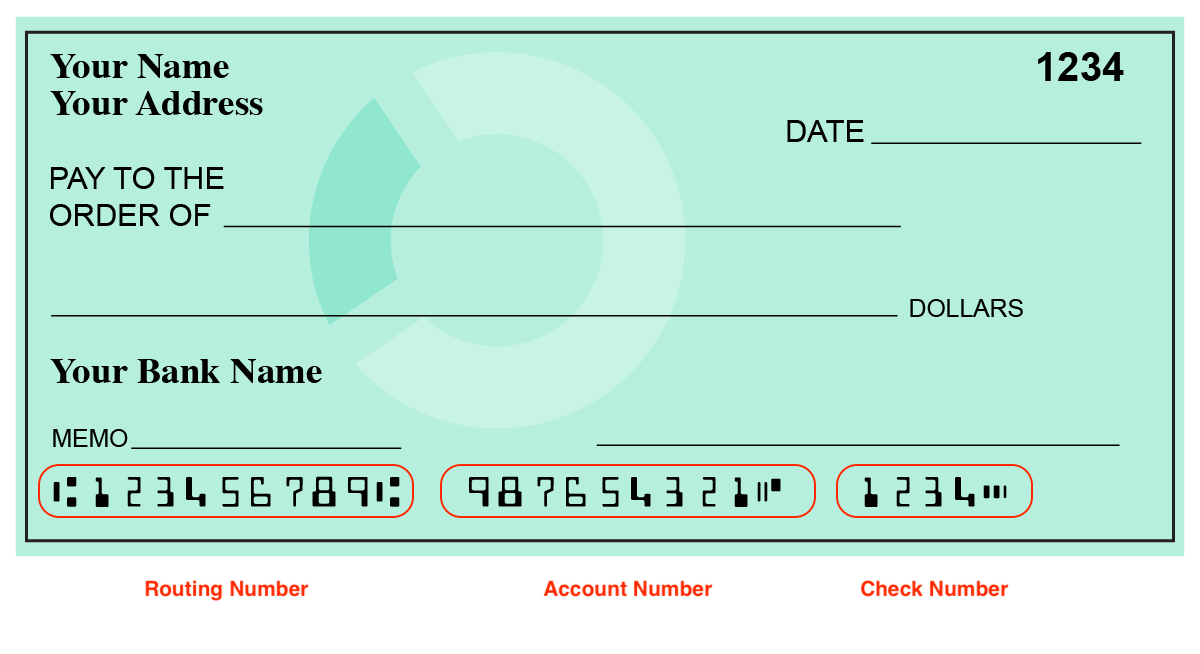
When you open your checkbook, you are looking at a highly standardized document designed for high-speed optical scanning. At the bottom of every personal check is a row of numbers printed in a specialized font known as MICR (Magnetic Ink Character Recognition). This line contains all the information a financial institution needs to process your payment.
The Routing Transit Number (RTN)
The routing number, also known as the American Bankers Association (ABA) routing number, is almost always the first set of numbers on the bottom left-hand side of your check. This is a nine-digit code that acts as a unique identifier for your specific financial institution.
To identify it correctly, look for a sequence that is bracketed by a specific symbol (often resembling a vertical line and two dots). In the United States, this nine-digit sequence is categorized by the Federal Reserve to ensure that funds find their way to the correct bank. If the number you are looking at is not exactly nine digits, it is likely not the routing number.
The Account Number
To the right of the routing number, you will find your individual account number. While the routing number identifies the bank, the account number identifies you. This sequence can vary in length depending on the bank’s internal systems, usually ranging from eight to twelve digits. It is often followed by a symbol that separates it from the final set of numbers on the line.
The Check Number
The shortest sequence on the MICR line is typically the check number. This matches the number printed in the top right-hand corner of the check. It is used for your personal record-keeping and allows the bank to track which specific checks have been cashed to prevent duplicate processing.
Why Routing Numbers Are Essential for Your Money Management
In the niche of personal finance, the routing number is more than just a code; it is a gateway for moving capital. Without this number, the movement of money across the “clearing house” system would grind to a halt.
Facilitating Direct Deposits and Withdrawals
One of the most common reasons you’ll need to locate your routing number on a check is for direct deposit. When you provide your employer with your routing and account numbers, you are essentially providing a digital map to your checking account. This ensures that your salary is moved efficiently from the corporate payroll account into your personal holdings. Similarly, when you set up an ACH (Automated Clearing House) transfer to pay a mortgage or a credit card bill, the routing number tells the billing company exactly which “vault” to request the money from.
Wire Transfers vs. ACH Payments
It is crucial for savvy financial managers to understand that some banks use different routing numbers for different types of transactions. While the number on your check is the “paper” or “ACH” routing number, it may not be the same number used for domestic or international wire transfers.
Wire transfers are processed through different networks (like Fedwire). If you are receiving a large sum of money—such as a down payment for a house or an inheritance—always verify with your bank whether you should use the routing number found on your check or a specific wire routing number. Using the wrong one can lead to significant delays and potential fees.
Distinguishing Between Branch and Regional Codes
For larger, national banks, routing numbers are often assigned based on the region or state where the account was originally opened. This is an important detail for those who move frequently. If you opened an account in New York but now live in California, your routing number will still reflect the New York processing center. Knowing where to find this on your check ensures you provide the correct regional code, preventing “return to sender” errors in your financial transactions.
Digital Alternatives: Finding Your Routing Number Without a Check
As we move toward a “cashless” and “checkless” society, many people no longer carry physical checkbooks. If you find yourself needing to provide bank details but don’t have a check handy, there are several professional ways to retrieve this information through your financial institution’s digital tools.
Leveraging Mobile Banking Apps
Most modern financial institutions have integrated routing and account information into the home screen of their mobile applications. Usually, by tapping on your specific checking or savings account, you can find a “Details” or “Account Info” tab. This will display your routing number clearly. In some cases, the app may even provide a digital image of a “voided check,” which serves as a perfect reference for setting up external accounts.
Online Portals and Electronic Statements
If you prefer a desktop interface, logging into your bank’s online portal will provide the same data. Additionally, every monthly bank statement (PDF) typically lists the routing number in the header or footer of the document. For those focused on organized financial record-keeping, downloading these statements is a best practice for maintaining a paper trail of your account’s identifying markers.
Bank Websites and Customer Service
If you are certain of the name of your bank but cannot log in, most banks list their routing numbers on their public websites under “Frequently Asked Questions” or “Contact Us.” However, be cautious: some banks have dozens of routing numbers. It is always safer to verify your specific number via a secure login or by looking at your physical check to ensure it matches your specific account type.
Security Protocols: Protecting Your Banking Information
Because your routing number and account number together represent the keys to your liquid assets, they must be handled with the same level of security as your Social Security number or your online banking passwords.
The Risks of MICR Line Exposure
Every time you hand over a check, you are providing the recipient with your routing and account numbers. In the hands of a sophisticated fraudster, this information can be used to create “demand drafts” or unauthorized ACH withdrawals. To mitigate this risk, financial experts recommend using checks only when necessary and utilizing secure portals for recurring payments.
Proper Disposal of Checks
If you make a mistake while writing a check, do not simply throw it in the trash. The MICR line at the bottom remains legible even if the front of the check is scribbled over. You should write “VOID” in large letters across the front and then use a cross-cut shredder to destroy the document. This ensures that your routing and account numbers do not fall into the wrong hands through “dumpster diving” or mail theft.
Monitoring for Unauthorized Transfers
In the realm of personal finance, vigilance is the best defense. Even if you are careful about where you share your routing number, you should regularly audit your transaction history. Look for small, unrecognized ACH “micro-deposits” or withdrawals. These are often used by scammers to verify that an account is active before attempting a larger theft. Most banking apps now allow you to set up “Large Transaction Alerts” or “Account Activity Notifications,” which provide real-time updates whenever your routing number is used to move money.

Conclusion: The Strategic Value of Financial Literacy
Knowing where to find your routing number on your check is a basic task, but it sits at the intersection of traditional banking and modern wealth management. By understanding these nine digits, you gain more control over how your money moves through the world. You become more efficient at setting up income streams, more precise in paying your obligations, and more aware of the security measures required to protect your hard-earned capital.
In a complex financial landscape, attention to detail is a trait of the successful. Whether you are looking at a physical check or a digital screen, being able to identify your routing number with confidence is an essential skill for anyone looking to master their personal finances. Always remember that while technology changes, the fundamental structures of our monetary system—like the ABA routing code—remain the bedrock of global commerce.
aViewFromTheCave is a participant in the Amazon Services LLC Associates Program, an affiliate advertising program designed to provide a means for sites to earn advertising fees by advertising and linking to Amazon.com. Amazon, the Amazon logo, AmazonSupply, and the AmazonSupply logo are trademarks of Amazon.com, Inc. or its affiliates. As an Amazon Associate we earn affiliate commissions from qualifying purchases.