
The allure of romantic love, with its fireworks and passionate embraces, often dominates our cultural narratives. We’re bombarded with stories of whirlwind romances, soulmates discovered in serendipitous encounters, and the exhilarating highs of new intimacy. Yet, as we navigate the complexities of modern life – a life increasingly shaped by technological advancements, the strategic cultivation of brands, and a relentless focus on financial well-being – a different, yet equally profound, form of love emerges as crucial for sustained happiness and well-being: companionate love.
While the initial spark of passionate love is undeniably exciting, it’s the steady, enduring flame of companionate love that often fuels long-term satisfaction in relationships. It’s the quiet understanding, the shared history, and the deep-seated trust that bind individuals together. But what exactly constitutes this vital emotional connection, and how does it manifest in a world where our interactions are increasingly mediated by screens, our identities are carefully curated brands, and our financial stability often takes center stage? This article delves into the essence of companionate love, exploring its characteristics, its evolution, and its relevance in our tech-saturated, brand-aware, and financially focused society.

Understanding the Core of Companionate Love
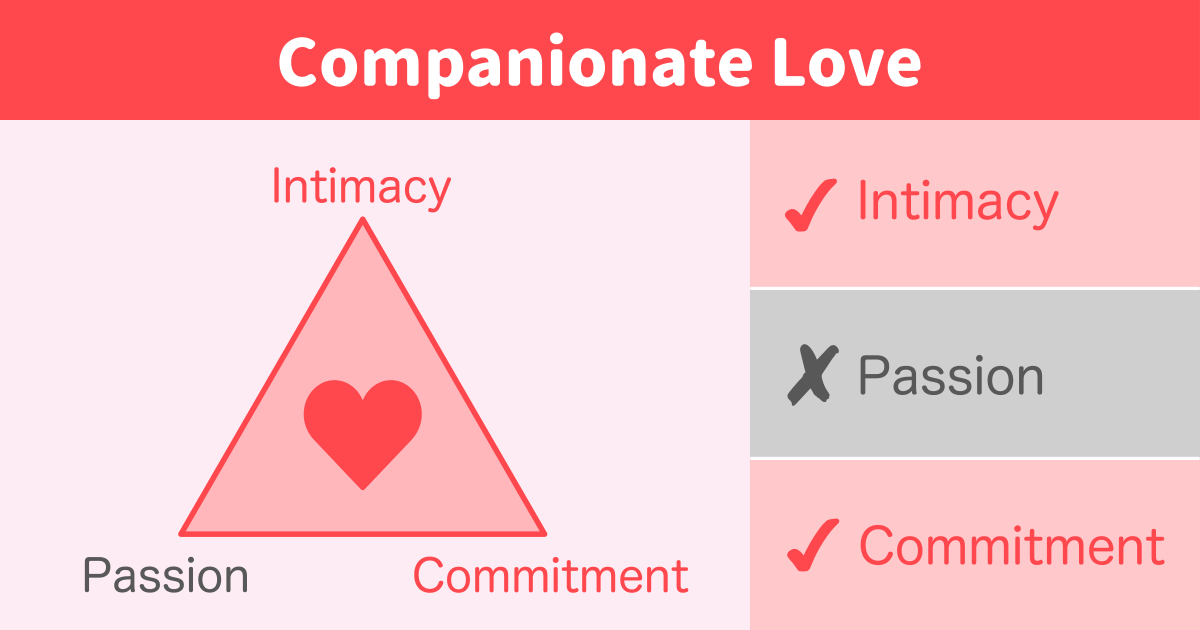
Companionate love is often described as a love that is characterized by deep affection, intimacy, trust, commitment, and a sense of partnership. Unlike passionate love, which is marked by intense longing, physiological arousal, and an obsessive focus on the beloved, companionate love is more subdued, stable, and enduring. It’s the kind of love that grows over time, nurtured by shared experiences, mutual respect, and a profound understanding of each other’s strengths, weaknesses, and aspirations.
Think of it as the comfortable silence shared between two people who have been together for years, where words are often unnecessary because a deep, unspoken connection exists. It’s the feeling of safety and security that allows individuals to be their authentic selves, vulnerabilities and all. This form of love is built on a foundation of friendship, where partners are not only lovers but also best friends, confidants, and unwavering allies.
The Pillars of Companionate Love
Several key elements contribute to the formation and sustenance of companionate love:
- Intimacy: This goes beyond physical intimacy and encompasses emotional closeness. It involves sharing thoughts, feelings, fears, and dreams without judgment. It’s about feeling truly seen and understood by another person. In our digital age, maintaining this deep emotional intimacy can be a challenge, as superficial interactions can sometimes masquerade as genuine connection.
- Commitment: Companionate love involves a conscious decision to stay together through thick and thin. It’s a willingness to invest time, effort, and emotional energy into the relationship, even when faced with difficulties. This commitment is not just about staying together but about actively working to strengthen the bond.
- Trust: This is the bedrock of any healthy relationship. Trust in companionate love means believing in your partner’s integrity, reliability, and good intentions. It’s knowing that they have your back and that you can depend on them. Building and maintaining trust requires consistent honesty and open communication.
- Affection: While perhaps less fiery than passionate love, affection in companionate love is warm, steady, and consistent. It manifests through kind words, thoughtful gestures, and a genuine desire for the other person’s well-being. It’s the gentle touch, the reassuring smile, and the comforting presence.
- Shared Values and Goals: Over time, couples in companionate love often find their values and life goals aligning. This shared direction provides a sense of purpose and unity, making it easier to navigate life’s journey together. It’s about building a future that both partners are excited about.
The Evolution of Love: From Passion to Partnership
Companionate love isn’t necessarily the absence of passion; rather, it’s often the evolution of it. Many relationships begin with the intense, intoxicating rush of passionate love. This phase is driven by novelty, excitement, and a strong physical attraction. However, the intense emotions of passionate love can be unsustainable in the long run. As the initial thrill begins to wane, a different kind of connection can emerge, one that is deeper, more stable, and more resilient.
The Role of Time and Shared Experiences
The passage of time is a crucial catalyst for the development of companionate love. As couples spend more time together, they accumulate a wealth of shared experiences – both positive and negative. These experiences, from celebrating milestones to weathering challenges, weave a rich tapestry of memories and create a unique shared history. This history forms the foundation of a deep understanding and a sense of shared identity.
Navigating everyday life together, managing finances, raising a family, or even pursuing hobbies collaboratively all contribute to the growth of this bond. The mundane moments, often overlooked in the pursuit of grand romantic gestures, are actually fertile ground for companionate love to flourish. It’s in the shared routine, the quiet evenings, and the mutual support that true partnership is forged.
Technology’s Double-Edged Sword in Fostering Connection
In our current technological landscape, the nature of connection is constantly being redefined. While technology offers unprecedented ways to stay connected, it also presents unique challenges to cultivating the deep, intimate bonds characteristic of companionate love.
- The Paradox of Digital Intimacy: Apps and social media can facilitate communication and connection, allowing partners to stay in touch across distances or share daily updates. However, the curated nature of online personas and the potential for superficial interactions can sometimes hinder the development of genuine emotional intimacy. We might have hundreds of online “friends,” but a lack of deep, authentic connection with a few significant individuals. The key lies in leveraging technology to enhance real-world intimacy, not replace it. Sharing meaningful experiences online can complement, but should not substitute, shared physical time and deep emotional conversations.
- The Impact on Attention and Presence: Constant notifications and the allure of digital distractions can fragment our attention, making it difficult to be fully present with our partners. True companionate love requires undivided attention and focused engagement. Learning to disconnect from devices and be truly present during interactions is vital.
- Building Shared Digital Lives (and Boundaries): Technology can also be a tool for shared experiences, from watching movies together virtually to collaborating on digital projects. However, it’s crucial to establish healthy boundaries around digital consumption and ensure that technology serves the relationship rather than detracting from it. This includes having open conversations about screen time and the impact of digital habits on the partnership.
Companionate Love in a Brand-Obsessed World

Our society places a significant emphasis on branding, both for individuals and corporations. Personal branding, in particular, has become a powerful force, encouraging us to curate our online and offline personas to project a desired image. This focus on presentation and perception can, at times, create a disconnect from the authentic self, which is essential for deep, companionate love.
Authenticity vs. Curated Identity
Companionate love thrives on authenticity. It requires partners to feel comfortable revealing their true selves, including their imperfections and vulnerabilities, without fear of judgment or rejection. In a world that rewards polished presentations and carefully crafted narratives, embracing vulnerability and allowing our partners to see our unvarnished selves can feel countercultural.
- The Challenge of “Performing” in Relationships: When individuals are highly focused on their personal brand, there’s a risk of “performing” in their relationships rather than simply being. This can lead to a superficial connection where partners are presenting idealized versions of themselves, masking true feelings or struggles. Companionate love requires shedding these performative layers and embracing genuine self-expression.
- Building Trust Through Transparency: True intimacy is built on transparency. When individuals are willing to be open and honest about their thoughts, feelings, and experiences, even the less glamorous ones, it fosters a deeper level of trust and connection. This transparency extends to acknowledging when our carefully curated brands might not align with our inner realities.
Brands as Shared Ventures
While the focus on individual branding can be challenging, the concept of “brand” can also be applied positively to relationships. Couples can, in a healthy way, think of their relationship as a shared venture, a brand in itself, built on shared values, a common vision, and a mutual commitment to its success. This doesn’t mean creating a superficial facade, but rather intentionally nurturing the positive attributes of the partnership and working towards shared goals.
This “relationship brand” can be characterized by the qualities it embodies: reliability, support, joy, and growth. By focusing on these shared strengths, couples can strengthen their bond and build a resilient partnership. It’s about understanding what makes your relationship unique and valuable, and actively working to enhance those qualities.
The Financial Dimension of Companionate Love
In today’s world, financial considerations are a significant aspect of our lives and deeply influence our relationships. From managing personal finances to planning for the future, money matters can be a source of both stress and strength within a partnership. Companionate love provides a framework for navigating these financial aspects in a healthy and collaborative way.
Shared Financial Goals and Decision-Making
Companionate love often involves a shared vision for the future, which naturally extends to financial planning. Couples who have developed this deep connection are more likely to engage in open and honest discussions about their financial goals, such as saving for a down payment, planning for retirement, or managing debt.
- The Power of Collaborative Financial Planning: When couples approach their finances as a team, it strengthens their bond and builds trust. This involves transparency about income, expenses, and financial aspirations. It’s about creating a joint financial strategy that serves both individuals and the partnership. The use of financial tools, budgeting apps, and investment platforms can be collaborative endeavors, fostering a sense of shared responsibility and accomplishment.
- Navigating Financial Stress Together: Financial challenges are a reality for many couples. However, a strong foundation of companionate love allows partners to weather these storms together. Instead of blaming or withdrawing, they can offer mutual support, brainstorm solutions, and face adversity as a united front. Open communication about financial anxieties is crucial, and the understanding that comes with companionate love can help mitigate the destructive potential of financial stress.
The Interplay of Personal Finance and Relationship Health
The health of a relationship can significantly impact financial well-being, and vice versa. When couples are in sync emotionally and communicatively, they are often more effective at managing their finances and making sound financial decisions. Conversely, chronic financial stress can strain even the strongest relationships.
- Financial Independence and Interdependence: Companionate love fosters a healthy balance between individual financial autonomy and mutual interdependence. Partners feel secure enough in their relationship to pursue their own financial goals while also contributing to the shared financial well-being of the partnership. This can involve supporting each other’s side hustles, investing in shared ventures, or simply having open conversations about individual financial aspirations.
- The Role of Financial Tools in Strengthening Bonds: Technology offers a plethora of financial tools, from budgeting apps to investment platforms. When used collaboratively, these tools can actually strengthen companionate love. Tracking shared expenses, planning for future investments together, or even utilizing apps that facilitate joint savings goals can foster a sense of teamwork and shared progress. The transparency and accountability that these tools can provide are invaluable in building a robust financial partnership.
Conclusion: Nurturing Enduring Love in a Modern World
Companionate love is not merely a consolation prize for the absence of passionate romance; it is a profound and vital aspect of lasting human connection. In a world increasingly shaped by technology, the strategic cultivation of brands, and the pragmatic realities of financial planning, understanding and nurturing companionate love has never been more important.
It is the quiet strength that underpins successful long-term relationships, the deep well of trust and affection that allows individuals to thrive, and the unwavering partnership that makes navigating life’s inevitable challenges more manageable. By prioritizing genuine intimacy, unwavering commitment, and open communication – even amidst the digital noise, the pressures of personal branding, and the complexities of financial management – we can cultivate this enduring form of love, creating relationships that are not only satisfying but also deeply resilient and truly fulfilling. The true brilliance of companionate love lies in its quiet power to illuminate our lives with steady, unwavering warmth, a light that can guide us through the ever-changing landscape of the modern world.
aViewFromTheCave is a participant in the Amazon Services LLC Associates Program, an affiliate advertising program designed to provide a means for sites to earn advertising fees by advertising and linking to Amazon.com. Amazon, the Amazon logo, AmazonSupply, and the AmazonSupply logo are trademarks of Amazon.com, Inc. or its affiliates. As an Amazon Associate we earn affiliate commissions from qualifying purchases.