
In the era of instant gratification and 24/7 digital connectivity, the traditional “banker’s hours” might seem like a relic of a bygone age. Yet, for millions of individuals and business owners, the physical branch remains a cornerstone of financial management. Whether you are looking to deposit a large sum of cash, secure a cashier’s check, or consult with a financial advisor, the question “What time do the banks close today?” remains a pivotal part of daily logistical planning.
Understanding banking hours is no longer just about knowing when the doors lock; it is about understanding the intersection of physical infrastructure and the digital clearinghouses that move money across the globe. This guide explores the standards of modern banking operations, the nuances of holiday schedules, and how to manage your personal and business finances when the local branch is no longer an option.
Understanding Standard Banking Hours in a Digital-First World
The traditional banking schedule has evolved significantly over the last decade. While the stereotypical 9:00 AM to 3:00 PM “banker’s hours” of the mid-20th century are long gone, most institutions still adhere to a schedule that aligns with the Federal Reserve’s processing cycles.
The Typical Operating Schedule
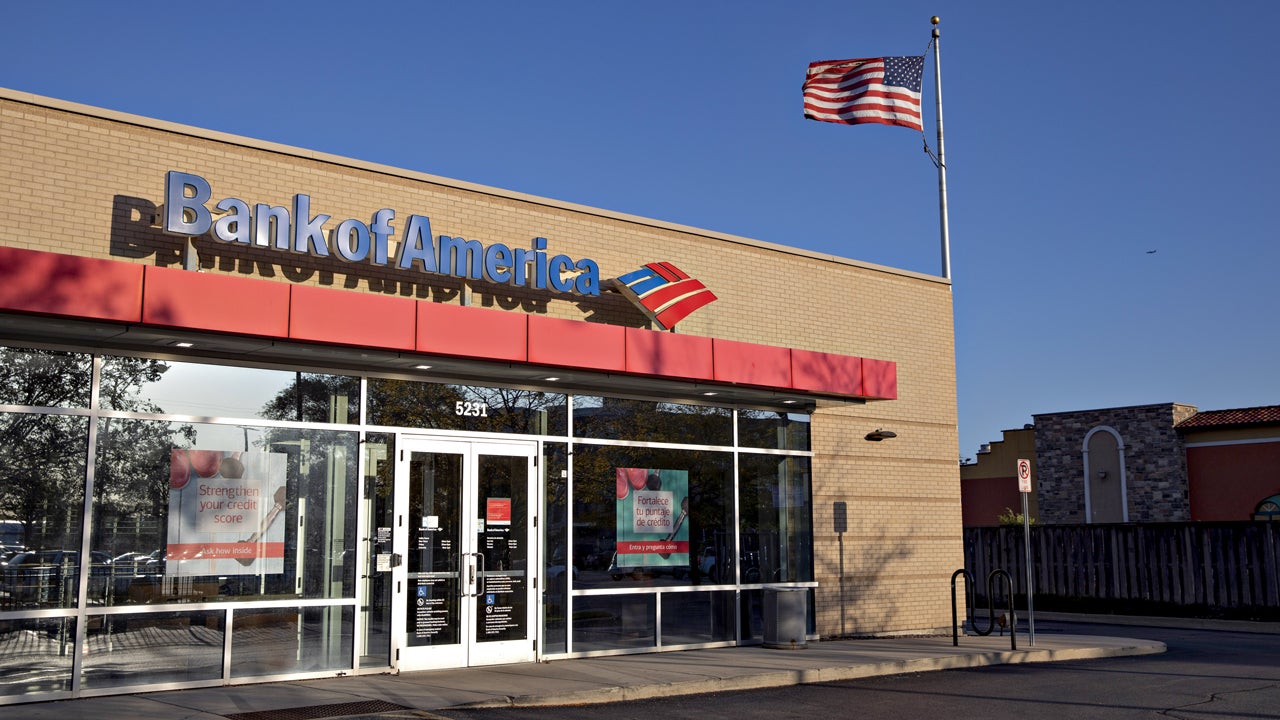
Most major retail banks, such as Chase, Bank of America, and Wells Fargo, typically operate from 9:00 AM to 5:00 PM or 6:00 PM on weekdays (Monday through Friday). These hours are designed to capture the peak activity of both retail consumers and business clients. However, many institutions have extended their Thursday or Friday hours to accommodate the end-of-week surge in payroll and personal financial errands.
On Saturdays, many branches offer a truncated schedule, often opening at 9:00 AM and closing as early as 12:00 PM or 1:00 PM. Sunday remains the standard day of rest for the vast majority of physical banking locations, though some branches located inside retail environments (like grocery stores) may maintain limited Sunday hours.
Regional Variations and Metropolitan Shifts
Banking hours are not universal and often depend on the specific location and the demographic it serves. In major metropolitan hubs like New York City, Chicago, or Los Angeles, you may find “flagship” branches with extended evening hours to serve the commuter population. Conversely, in rural areas, branches may close earlier due to lower foot traffic.
Furthermore, time zones play a critical role in how banking is perceived. If you are on the West Coast trying to initiate a wire transfer to a recipient on the East Coast, the “closing time” that matters most is often the 5:00 PM EST cut-off for the Federal Reserve’s Wire Network, regardless of when your local branch in Seattle actually closes its doors.
The Impact of Federal Holidays and Special Observances
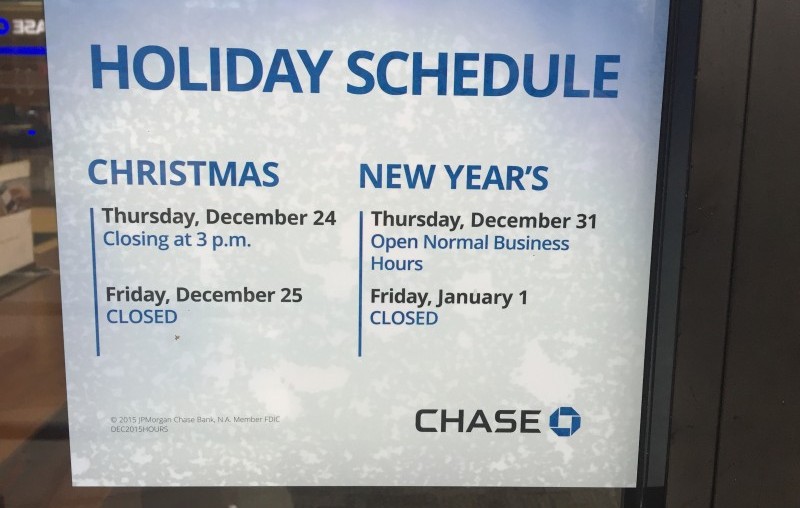
One of the most common reasons people find themselves locked out of a bank is an overlooked federal holiday. Because banks rely on the Federal Reserve System for the clearing and settlement of transactions, they almost universally observe the Federal Reserve holiday schedule.
The Federal Reserve Calendar
When the Federal Reserve is closed, the infrastructure for moving money between different institutions is effectively paused. There are eleven standard federal holidays in the United States:
- New Year’s Day
- Martin Luther King Jr. Day
- Presidents’ Day
- Memorial Day
- Juneteenth National Independence Day
- Independence Day
- Labor Day
- Columbus Day (Indigenous Peoples’ Day)
- Veterans Day
- Thanksgiving Day
- Christmas Day
If a holiday falls on a Sunday, banks typically close on the following Monday. If it falls on a Saturday, some institutions may close on the preceding Friday, though the Federal Reserve itself remains open on that Friday for certain processing tasks.
State-Level Holidays and Weekend Disruptions
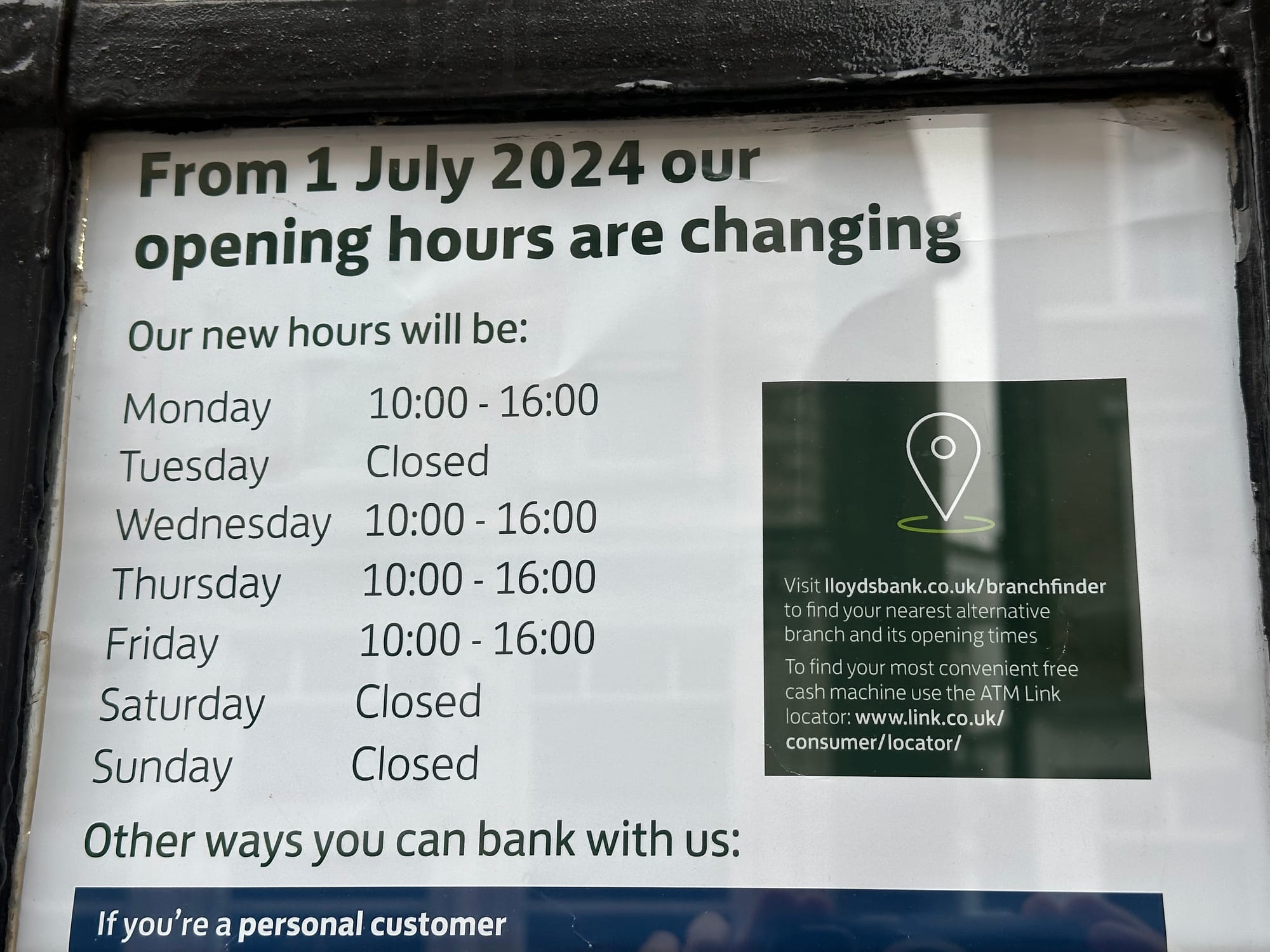
Beyond the federal calendar, some states have unique holidays that may result in local bank closures. For example, Patriots’ Day in Massachusetts or Mardi Gras in parts of Louisiana can lead to localized branch closures. It is always advisable to check your specific bank’s website or mobile app for “Holiday Closures” to ensure you aren’t caught off guard by a regional observance.
Strategies for Managing Your Finances After Closing Time
When you find that the bank has already closed, it does not mean your financial life has to stop. The rise of Financial Technology (FinTech) has created a robust ecosystem that functions 24/7, allowing you to bypass the limitations of physical branch hours for most routine tasks.
Mobile Banking: Your 24/7 Financial Command Center
The most powerful tool at your disposal after hours is the mobile banking app. Modern apps allow for:
- Mobile Check Deposit: By taking a photo of a check, you can initiate a deposit at 11:00 PM on a Saturday. While the funds may not be “cleared” until the next business day, the process is started immediately.
- Internal Transfers: Moving money between your checking and savings accounts is instantaneous and can be done at any time.
- Peer-to-Peer (P2P) Payments: Tools like Zelle, which are integrated into most banking apps, allow you to send money to individuals instantly, regardless of the time of day.
Leveraging ATMs for More Than Just Cash
Modern ATMs have evolved into “mini-branches.” Many now allow for envelope-free cash and check deposits. High-functioning ATMs, often called Interactive Teller Machines (ITMs), may even offer live video assistance from a remote teller during extended hours, bridging the gap between a machine and a human representative. This allows you to perform more complex transactions, such as making loan payments or withdrawing specific denominations, well after the lobby has closed.
Business Banking: Managing Cash Flow and Payroll Deadlines
For business owners, the closing time of a bank is more than a convenience; it is a critical deadline for cash flow management. Understanding the “cut-off time” is essential for ensuring that employees are paid on time and vendors receive their settlements.
Cut-off Times for Same-Day Processing
Just because a bank is physically open until 6:00 PM doesn’t mean a transaction made at 5:55 PM will be processed that day. Most banks have a “ledger cut-off time,” usually between 2:00 PM and 5:00 PM. Any deposit made after this time is technically treated as if it occurred the following business day.
For businesses managing tight margins, this distinction is vital. If you deposit a client’s large check after the cut-off time on a Friday, those funds may not be available to cover your Monday morning payroll, potentially leading to overdraft fees or delayed payments.
Navigating Wire Transfers and Large Deposits
Domestic and international wire transfers are subject to strict timelines. Domestic wires typically need to be initiated by 4:00 PM or 4:30 PM EST to be processed the same day. International wires, due to the complexities of the SWIFT network and differing global time zones, often require even earlier action. Business owners must plan their financial logistics around these systemic “closing times” rather than just the physical door-closing time of their local branch.
The Future of the Physical Branch: Evolution Over Erasure
As digital banking becomes the norm, the role and the hours of the physical bank branch are changing. We are seeing a shift from “transactional banking” to “advisory banking.”
The Shift Toward Advisory-Focused Hours
Many banks are rethinking their physical footprint. Instead of rows of tellers, new branches are designed with “discovery bars” and private consultation rooms. Because these locations focus on long-term financial planning, mortgages, and investment advice, their hours may shift to better accommodate the working professional. We are seeing more banks offer “By Appointment Only” hours on evenings or weekends, allowing for personalized service that fits into the client’s schedule rather than the bank’s internal ledger cycle.
Virtual Tellers and Interactive Banking Kiosks
The future of “opening hours” may eventually become a 24/7 hybrid model. Banks are increasingly investing in sophisticated kiosks that provide the security of a branch with the convenience of an ATM. As AI and remote-video technology improve, the physical closing time of a building will matter less, as customers will be able to access “human-like” assistance via secure terminals located in well-lit, 24-hour vestibules.
In conclusion, while the answer to “what time do the banks close today” provides the immediate logistical answer you need, a deeper understanding of banking cycles is essential for sophisticated financial management. By mastering the use of digital tools, staying aware of federal holiday schedules, and understanding the nuances of transaction cut-off times, you can ensure that your money is always working for you—even when the bank’s doors are locked. In the modern economy, the bank never truly closes; it simply changes its point of access.
aViewFromTheCave is a participant in the Amazon Services LLC Associates Program, an affiliate advertising program designed to provide a means for sites to earn advertising fees by advertising and linking to Amazon.com. Amazon, the Amazon logo, AmazonSupply, and the AmazonSupply logo are trademarks of Amazon.com, Inc. or its affiliates. As an Amazon Associate we earn affiliate commissions from qualifying purchases.