
The landscape of television has shifted dramatically from the era of coaxial cables and satellite dishes to the streamlined world of Over-the-Top (OTT) media services. At the forefront of this digital revolution is YouTube TV, Google’s answer to traditional cable. For tech enthusiasts and cord-cutters looking to migrate their viewing habits to the cloud, the first question is almost always regarding the barrier to entry: how long is the YouTube TV free trial, and what does the technology actually offer?
Understanding the nuances of the YouTube TV trial is more than just knowing a date on a calendar; it is about evaluating a sophisticated software ecosystem designed to replace the legacy hardware of the 20th century.
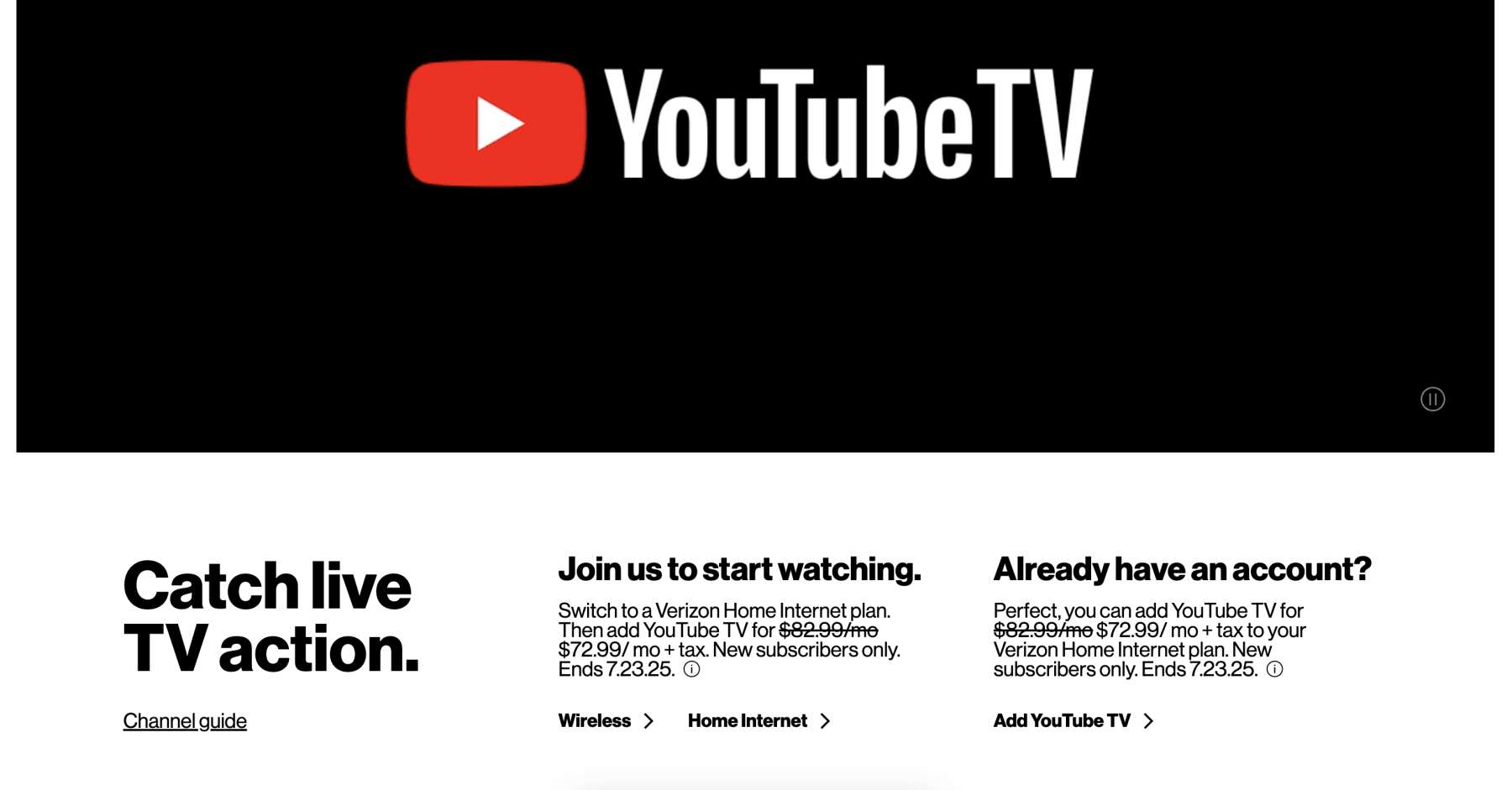
Decoding the Duration: How Long is the YouTube TV Free Trial?
The standard duration for a YouTube TV free trial is typically seven days. However, this timeframe is not static. Google frequently utilizes the YouTube TV platform as a testing ground for various marketing and technical rollout strategies, meaning the “standard” trial can fluctuate based on seasonal promotions, hardware partnerships, and user demographics.
Standard vs. Promotional Trial Lengths
While the one-week trial is the most common offering, it is frequent to see “Limited Time Offers” that extend this period. During major sporting events like the Super Bowl or the World Series, or during shopping holidays like Black Friday, Google has been known to offer 14-day, 21-day, or even 30-day trials. Furthermore, owners of specific tech hardware—such as Google Chromecast, Android TV, or certain Samsung Smart TVs—may find exclusive offers for extended trials pre-installed on their devices.
Eligibility and Technical Requirements
To initiate a trial, users must meet specific technical and account-based criteria. You must have a valid Google Account and a functional payment method on file. From a technical standpoint, the trial is only available to new users who have not previously redeemed a YouTube TV trial or subscribed to the service under that specific account or payment method. The system uses sophisticated tracking—linking IP addresses, device IDs, and payment credentials—to ensure the integrity of the “new user” status.
The Technical Infrastructure: What You Are Testing
When you sign up for a YouTube TV free trial, you aren’t just getting access to channels; you are gaining access to a cloud-based infrastructure that manages massive data loads with minimal latency. Understanding the tech behind the trial helps users determine if the service fits their digital lifestyle.
Cloud DVR and Server-Side Storage
One of the most significant technological advantages YouTube TV has over its competitors is its “Unlimited Cloud DVR.” Unlike traditional TiVo or cable boxes that rely on physical hard drives with limited capacity, YouTube TV utilizes Google’s massive server farms to record content. During your trial, you can test the efficiency of this system. There are no limits on simultaneous recordings, and the data is stored for nine months. This server-side processing ensures that your home internet bandwidth is not consumed while the recording takes place, a common bottleneck in older streaming technologies.
Bitrate and Streaming Quality
For the tech-savvy viewer, the quality of the stream is paramount. YouTube TV broadcasts most of its “Live” content in 1080p at 60 frames per second (fps), though this is dependent on the original source provided by the networks. The service employs VP9 and H.264 codecs to optimize data delivery. During the trial, users should explore the “Stats for Nerds” feature—a diagnostic overlay familiar to YouTube users—which provides real-time data on connection speed, buffer health, and dropped frames. This allows for a technical audit of how well the service performs on your specific local area network (LAN).
4K Plus and Technical Add-ons
Google also offers a “4K Plus” add-on. While the standard trial may not always include this, it is often available as a secondary trial within the app. This tech upgrade enables 4K Ultra High Definition streaming for select live and on-demand content, offline viewing (downloading recordings to a mobile device), and unlimited concurrent streams within the home network.
Navigating the User Interface and Accessibility Features

The YouTube TV trial is an opportunity to interact with one of the most refined User Interfaces (UI) in the streaming industry. Built on the backbone of Google’s Material Design philosophy, the interface is designed for speed and cross-platform consistency.
The Logic of the Live Guide
The “Live” tab utilizes a dynamic grid that is significantly faster than the laggy EPGs (Electronic Program Guides) found on legacy cable boxes. Under the hood, the app pre-loads metadata and thumbnails to ensure that scrolling through hundreds of channels feels instantaneous. Users can also customize this guide via the web interface, reordering channels to put their most-watched tech news or sports networks at the top.
Multi-View and Algorithmic Recommendations
A recent technical milestone for YouTube TV is the “Multi-view” feature. This allows users to stream up to four live feeds simultaneously on a single screen. This isn’t just a visual trick; it requires the server to “stitch” four different streams into a single feed before sending it to the user’s device, reducing the processing power required by the end-user’s hardware.
Furthermore, the “Home” tab uses machine learning algorithms similar to those on the main YouTube platform. It analyzes your viewing habits during the trial to suggest shows, movies, and events, creating a personalized “Discovery” engine that improves in accuracy the more you interact with the software.
Optimization and Technical Troubleshooting During the Trial
To truly evaluate the service during the free trial period, a user must ensure their hardware environment is optimized. A “buffering” experience is often a result of local network interference rather than a failure of the YouTube TV servers.
Network Requirements and Latency
Google recommends a minimum of 3 Mbps for standard definition, 7 Mbps for a single HD stream, and at least 25 Mbps if you are utilizing the 4K Plus features. During your trial, it is a best practice to test the service on both 2.4GHz and 5GHz Wi-Fi bands. For the most stable experience—especially for live sports where latency is a concern—connecting a streaming device like an Apple TV 4K or Shield TV via Ethernet is the gold standard.
Device Compatibility and Firmware
YouTube TV is a cross-platform application, available on iOS, Android, macOS, Windows, and various smart TV OSs (Tizen, webOS, Roku OS). During the trial, ensure your device’s firmware is updated. Modern streaming sticks (like the Fire TV Stick 4K Max or Chromecast with Google TV) provide dedicated hardware acceleration for the codecs used by YouTube TV, leading to smoother playback and faster app switching.
Managing the Subscription Lifecycle
From a technical management perspective, users should be aware of the “auto-renew” mechanism. The moment the trial period ends (down to the second), the system transitions into a paid subscription. To avoid unintended charges, users can navigate to the “Settings > Billing” section of the app. Google allows you to cancel the trial immediately while often retaining access until the end of the trial period, though this policy can vary based on the specific promotion.
The Evolution of Live TV Technology
The existence of the YouTube TV free trial represents a broader shift in how media is consumed and distributed. We are moving away from proprietary hardware and toward platform-agnostic software solutions.
YouTube TV vs. Competitor Tech Stacks
When comparing YouTube TV to competitors like Hulu + Live TV or Sling TV, the differences are often found in the backend. YouTube TV benefits from Google’s Global Cache (GGC) nodes, which place popular content closer to the end-user geographically, reducing the number of “hops” a data packet must take. This technical advantage often results in faster channel-changing speeds (the “zap time”) compared to other OTT services.

The Future of the Platform
Looking forward, the YouTube TV trial gives us a glimpse into the future of integrated media. With the integration of “Shorts,” interactive polls during live broadcasts, and the potential for AI-driven highlights (where an AI summarizes a sports game you missed), the service is evolving from a simple video player into a comprehensive media hub.
The seven-day (or extended) trial is essentially a “Beta test” for the consumer to see if their current digital infrastructure is ready for the future of television. By the end of the trial, the user should have a clear understanding of not just “what is on,” but how well the technology performs under the pressure of daily use, multi-device household demands, and high-definition data requirements.
aViewFromTheCave is a participant in the Amazon Services LLC Associates Program, an affiliate advertising program designed to provide a means for sites to earn advertising fees by advertising and linking to Amazon.com. Amazon, the Amazon logo, AmazonSupply, and the AmazonSupply logo are trademarks of Amazon.com, Inc. or its affiliates. As an Amazon Associate we earn affiliate commissions from qualifying purchases.