
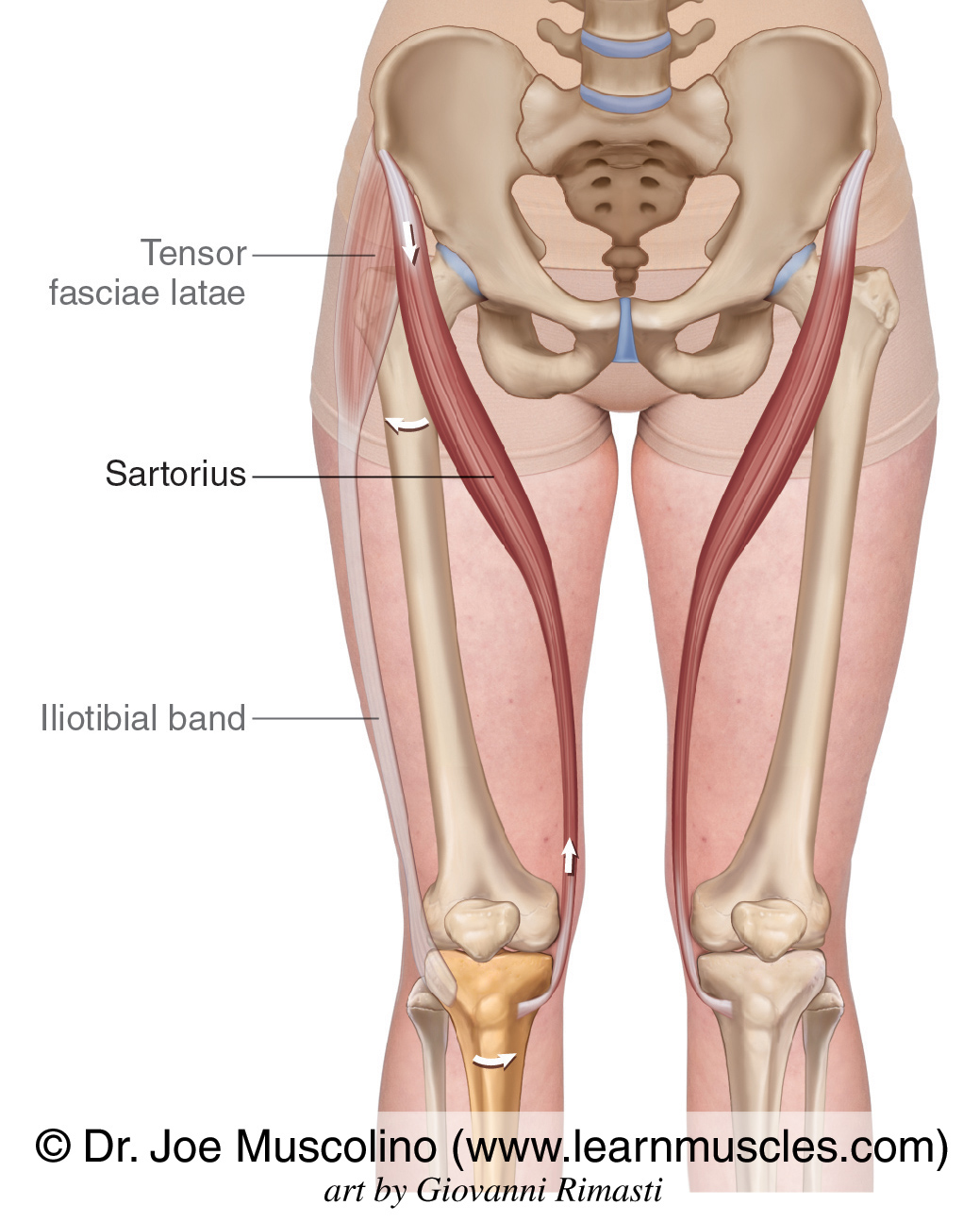
The sartorius muscle, often described as the longest muscle in the human body, plays a crucial role in a multitude of lower body movements. From the simple act of crossing your legs to the complex coordination required in athletic performance, its intricate functionality is often underestimated. However, in today’s technologically advanced world, our understanding and manipulation of this muscle have transcended traditional anatomical studies. This article delves into the sartorius muscle’s function through the lens of technology, exploring how cutting-edge tools and digital innovations are revolutionizing its analysis, training, and rehabilitation. We will examine the sophisticated technologies that allow us to quantify its performance, optimize its strength, and restore its health, offering an insightful perspective for anyone interested in the intersection of human biology and technological advancement.
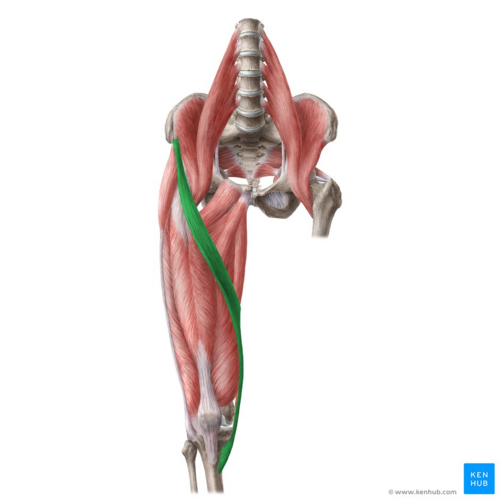
Understanding Sartorius Mechanics Through Advanced Biomechanical Analysis
The intricate movements facilitated by the sartorius muscle are a testament to the complex interplay of its anatomical structure and the nervous system. Traditionally, understanding muscle function involved direct observation and manual palpation. However, modern technology has introduced sophisticated methods for precisely quantifying sartorius activity and biomechanics, providing a level of detail previously unimaginable. These advancements are not just for elite athletes; they are increasingly informing therapeutic interventions and general fitness insights.
Electromyography (EMG) for Real-Time Muscle Activity Monitoring
Electromyography (EMG) stands as a cornerstone technology for understanding muscle activation. Surface EMG sensors, often integrated into wearable devices, can detect and record the electrical signals produced by muscle fibers as they contract. For the sartorius, EMG provides granular data on when it activates, how strongly it activates, and in coordination with other muscles during various movements.
Portable EMG Systems and Wearable Sensors
The evolution from cumbersome lab-based EMG equipment to sleek, portable wireless sensors has democratized this technology. Athletes and researchers can now collect data in real-time during dynamic activities, such as running, jumping, or cycling, providing ecological validity to the findings. Wearable EMG patches can be strategically placed along the sartorius to capture its unique electrical signature, revealing its contribution to hip flexion, knee flexion, and hip external rotation. Advanced algorithms can then process this raw data, translating electrical impulses into meaningful metrics like muscle activation intensity, duration, and fatigue levels. This allows for a precise understanding of how the sartorius is performing under different loads and conditions.
EMG-Guided Training and Rehabilitation Protocols
The data derived from EMG is not merely observational; it actively informs training and rehabilitation strategies. In sports science, EMG analysis can identify imbalances or weaknesses in the sartorius, guiding the development of targeted strengthening exercises. For example, if EMG data reveals that the sartorius is under-recruited during a specific movement, trainers can implement exercises designed to enhance its activation. In physical therapy, EMG can be used to monitor progress and ensure that the sartorius is engaging correctly during rehabilitation exercises post-injury. Biofeedback, a direct application of EMG, allows individuals to “see” or “hear” their muscle activity in real-time, empowering them to consciously control and improve their sartorius engagement, accelerating recovery and restoring proper biomechanics.
Motion Capture and 3D Kinematics for Positional and Movement Analysis
Complementing EMG, motion capture systems provide a visual and quantitative analysis of body segment movement. By tracking the position and orientation of anatomical landmarks with high precision, these systems allow for a detailed examination of the sartorius’s role in the overall kinematics of the lower limb.
Marker-Based vs. Markerless Motion Capture
Traditional marker-based motion capture systems utilize reflective markers placed on key anatomical points of the body. High-speed cameras then track the movement of these markers, allowing for the reconstruction of complex 3D movements. In the context of the sartorius, these markers would be placed on the hip, knee, and ankle to analyze the angles and velocities of these joints during activities that heavily involve sartorius function, such as walking or squatting.
More recently, markerless motion capture, often powered by sophisticated AI and computer vision algorithms, has emerged. This technology can analyze video footage to infer skeletal movement and joint angles without the need for physical markers. This offers greater convenience and can be applied in more naturalistic environments, making it increasingly accessible for a broader range of applications, from elite athletic analysis to everyday ergonomic assessments.
Quantifying Sartorius Contribution to Gait and Performance
By analyzing the kinematics of hip and knee movements in conjunction with EMG data, researchers can precisely quantify the sartorius’s contribution to specific phases of locomotion or athletic movements. For instance, motion capture can reveal how the sartorius contributes to the swing phase of walking, assisting in hip flexion and knee flexion. In sports, it can elucidate its role in the rapid hip and knee flexion required for kicking a ball or changing direction. This detailed biomechanical understanding helps in identifying inefficiencies, predicting injury risk, and designing performance enhancement strategies that specifically target the sartorius and its synergistic muscles.
Leveraging Digital Tools for Sartorius Strength and Conditioning
The pursuit of optimal sartorius function extends beyond basic biomechanical analysis to the active enhancement of its strength, endurance, and power. Digital tools are revolutionizing how we approach strength and conditioning, offering personalized, data-driven approaches that optimize training outcomes.
Smart Wearables and Performance Tracking
The proliferation of smart wearables has brought sophisticated performance tracking capabilities to the fingertips of consumers and athletes alike. While many wearables focus on broader metrics like heart rate and step count, advanced devices are beginning to offer more specialized insights relevant to muscular function.
Integrated Sensors for Movement Pattern Analysis
Next-generation smartwatches and fitness trackers are incorporating advanced sensors, such as accelerometers and gyroscopes, that can detect and analyze specific movement patterns. While direct sartorius measurement might still be limited in consumer-grade devices, these sensors can infer the engagement of lower limb muscles based on the quality and kinematics of movements like squats, lunges, and running strides. By analyzing the velocity, acceleration, and range of motion during these exercises, the technology can provide feedback on form and identify potential areas for improvement related to sartorius recruitment.

Personalized Training Programs and Real-Time Feedback
The data collected by smart wearables can be fed into intelligent training platforms that generate personalized workout plans. These platforms can adapt based on an individual’s performance, fatigue levels, and recovery status, ensuring that training is always optimized. For sartorius-focused training, this might involve recommending specific exercises like step-ups, leg raises, or exercises that involve hip and knee flexion with external rotation. Real-time feedback, delivered through haptic alerts or on-screen prompts, can guide users to maintain proper form and maximize sartorius engagement during each repetition.
Gamification and Virtual Reality in Rehabilitation and Training
The integration of gamification and virtual reality (VR) is transforming the often monotonous aspects of exercise and rehabilitation into engaging and motivating experiences. This is particularly beneficial for muscles like the sartorius, which are involved in a wide range of functional movements that can be effectively simulated.
VR Environments for Functional Movement Training
VR technology allows individuals to perform exercises in immersive, interactive virtual environments. For sartorius training, this could involve simulated scenarios like climbing stairs in a virtual world, navigating challenging terrains, or participating in virtual sports. These environments can be designed to specifically challenge hip and knee flexion, external rotation, and abduction, mimicking real-world functional demands. The multisensory engagement of VR can enhance motor learning and proprioception, leading to more effective and lasting improvements in sartorius control and strength.
Gamified Exercise Platforms for Motivation and Adherence
Gamification principles, such as points, badges, leaderboards, and challenges, can be applied to digital exercise platforms to boost motivation and adherence. When applied to sartorius-focused exercises, these platforms can turn strength training into a game. For instance, users might earn points for completing sets with proper form, achieve higher scores for increased repetitions or resistance, or compete with friends in virtual challenges. This playful approach can make repetitive exercises more enjoyable and encourage consistent engagement, which is crucial for building and maintaining sartorius strength and function over time.
The Future of Sartorius Health: AI-Powered Diagnostics and Predictive Analytics
The integration of Artificial Intelligence (AI) into healthcare and fitness is paving the way for a future where muscle health is monitored proactively, and potential issues are identified and addressed before they become significant problems. The sartorius muscle, with its complex biomechanical role, is a prime candidate for AI-driven advancements.
AI in Biomechanical Data Interpretation and Pattern Recognition
AI algorithms excel at processing and interpreting vast amounts of complex data. In the context of sartorius analysis, AI can sift through intricate biomechanical datasets generated by motion capture and EMG systems to identify subtle patterns that might be missed by human analysis.
Advanced Gait Analysis and Injury Prediction
AI-powered gait analysis systems can analyze movement patterns with exceptional precision, identifying subtle deviations from normal biomechanics that could indicate sartorius weakness, imbalance, or the early stages of an injury. By comparing an individual’s gait data against a large database of healthy and injured individuals, AI can predict the risk of specific sartorius-related injuries, such as strains or tendinopathies, allowing for preventative interventions. This predictive capability is a significant leap forward in sports medicine and injury management.
Muscle Fatigue and Performance Optimization Models
AI can also be used to develop sophisticated models of muscle fatigue and recovery. By analyzing physiological data (like EMG readings) and training loads, AI algorithms can predict when a sartorius muscle is at risk of overtraining or injury due to fatigue. This allows for the dynamic adjustment of training programs, ensuring that athletes or individuals can optimize their performance while minimizing the risk of strain. AI can also identify optimal training windows for maximizing sartorius hypertrophy and strength gains.
Digital Twins and Personalized Rehabilitation Pathways
The concept of a “digital twin” – a virtual replica of a physical entity – is emerging as a powerful tool in healthcare. Applied to muscle health, a digital twin of an individual’s sartorius muscle could revolutionize rehabilitation and personalized care.
Creating Virtual Replicas for Simulation and Testing
A digital twin of the sartorius would be built using a comprehensive dataset, including anatomical scans, biomechanical data, and physiological responses. This virtual replica could then be used to simulate various scenarios, such as the impact of different rehabilitation exercises, the stress of specific athletic movements, or the progression of a particular injury. By virtually testing different treatment protocols on the digital twin, clinicians and therapists can determine the most effective course of action for an individual without exposing them to unnecessary risk.
AI-Driven Personalized Treatment Plans and Progress Tracking
AI would be instrumental in managing and utilizing these digital twins. It could analyze the performance of the digital sartorius under simulated loads to generate highly personalized rehabilitation plans. Furthermore, as an individual progresses through their recovery, their real-world data would be fed back into the digital twin, allowing AI to continuously adapt and refine the treatment plan. This dynamic and adaptive approach ensures that the rehabilitation process remains optimized for individual needs, ultimately leading to a faster and more complete recovery of sartorius function.
In conclusion, while the sartorius muscle performs fundamental actions that have remained consistent throughout human evolution, the way we understand, train, and heal it is rapidly advancing. Through the power of biomechanical analysis, smart wearables, VR, and AI, technology is unlocking new potentials for optimizing sartorius health and performance. As these digital tools continue to evolve, they promise a future where muscle function is understood with unprecedented clarity, and interventions are more precise, personalized, and predictive than ever before.
aViewFromTheCave is a participant in the Amazon Services LLC Associates Program, an affiliate advertising program designed to provide a means for sites to earn advertising fees by advertising and linking to Amazon.com. Amazon, the Amazon logo, AmazonSupply, and the AmazonSupply logo are trademarks of Amazon.com, Inc. or its affiliates. As an Amazon Associate we earn affiliate commissions from qualifying purchases.