
The digital landscape has fundamentally altered the architecture of modern commerce. While the convenience of one-click ordering and same-day delivery has simplified our lives, it has also introduced a level of “spending frictionlessness” that can quietly erode a household budget. Saving money online is no longer just about finding a stray coupon code; it is a multi-faceted discipline that involves leveraging financial technology, understanding the psychology of e-commerce, and optimizing digital financial products.
To master the art of online saving, one must move beyond the transactional and toward the strategic. This guide explores the sophisticated mechanisms of the digital economy and provides a blueprint for maximizing every dollar spent—and saved—in the virtual world.

1. Leveraging Financial Tools and Automation
In the modern era, the most effective way to save money online is to automate the process. Manual price tracking is a relic of the past; today, financial tools and browser-based technologies can do the heavy lifting for you.
Utilizing Browser Extensions and Automated Coupon Aggregators
The first line of defense against overspending is the integration of automated discount tools. Extensions like Honey, Capital One Shopping, and Rakuten act as invisible assistants that scan the web for promotional codes and cashback opportunities the moment you reach a checkout page.
The value here is two-fold. First, it ensures you never pay the “sticker price” on goods ranging from clothing to electronics. Second, many of these tools provide historical price data. For instance, tools like CamelCamelCamel allow users to see the price fluctuations of items on Amazon over months or years. By understanding the “price floor” of a product, you can wait for a cyclical dip rather than buying at a peak, often saving 20–30% through patience alone.
High-Yield Online Savings Accounts (HYSA)
Saving money online isn’t just about spending less; it’s about where you store the money you’ve kept. Traditional “big box” banks often offer negligible interest rates on savings accounts. In contrast, digital-first banks—unencumbered by the overhead of physical branches—consistently offer High-Yield Savings Accounts with rates significantly higher than the national average.
By moving your emergency fund or “sinking funds” (money set aside for specific future purchases) to an online HYSA, you are effectively “saving” through interest accumulation. In a high-inflation environment, this is a critical strategy to ensure your liquid assets do not lose purchasing power over time.
Automated Micro-Investing and Round-Ups
Financial technology has democratized the concept of “change.” Apps like Acorns or digitized bank features now allow users to “round up” every online purchase to the nearest dollar, funneling those cents into a diversified investment portfolio. While these amounts seem trivial individually, the compounding effect over a year of online transactions can result in hundreds, or even thousands, of dollars in automated savings that are put to work in the market.
2. Master the Psychology of Online Spending
The interface of an e-commerce site is designed by experts in behavioral economics to encourage immediate action. To save money, one must recognize these psychological “nudges” and implement counter-strategies.
The 24-Hour Rule and Cart Architecture
Online shopping environments are built to minimize “friction”—the moment of hesitation before a purchase. “One-click” buttons and saved credit card info are designed to bypass the prefrontal cortex, the part of the brain responsible for logical decision-making.
To counter this, implement a mandatory 24-hour waiting period for any non-essential purchase over a certain threshold (e.g., $50). By adding the item to your cart and walking away, you break the dopamine loop of the “buy” trigger. Interestingly, this often leads to further savings; many sophisticated e-commerce platforms are programmed to send “abandoned cart” emails within 6 to 12 hours, often containing a 10–15% discount code to entice you to finish the transaction.
Subscription Management and the “SaaS” Audit
The “Software as a Service” (SaaS) model has migrated from tech tools to almost every consumer category, including streaming, fitness, food delivery, and beauty products. These recurring costs are the “silent killers” of online savings because they are easily forgotten.
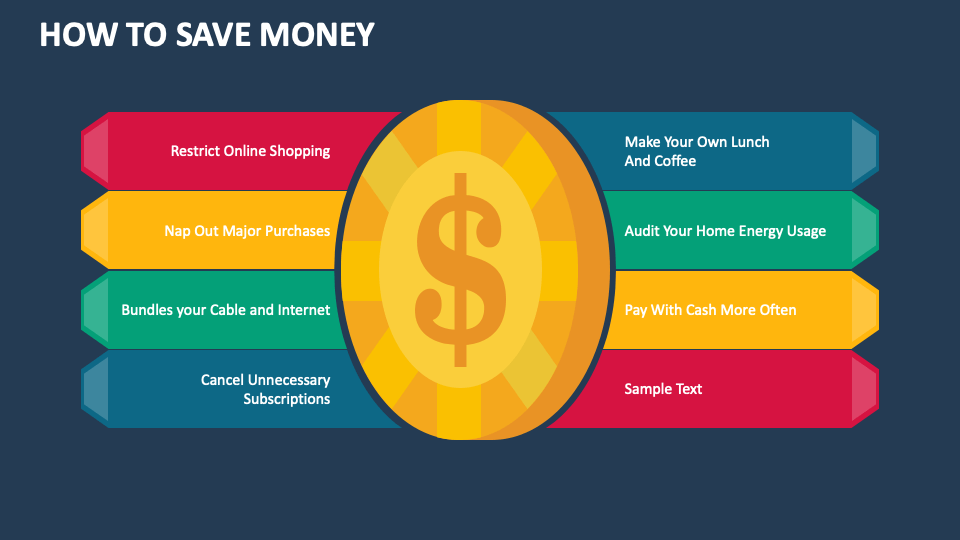
Perform a quarterly digital audit. Use tools like Rocket Money or simply review your credit card statements to identify “vampire subscriptions.” If you haven’t used a service in the last 30 days, cancel it. You can always resubscribe later, but the inertia of a monthly bill is a drain on your financial health.
Dynamic Pricing and Incognito Browsing
Many online retailers, particularly in the travel and airline industries, use “dynamic pricing” algorithms. These systems track your browsing history via cookies and may increase prices if they detect high intent or repeat visits to a specific flight or hotel page.
To save money, always perform the final stages of your price comparisons in an “Incognito” or “Private” browser window. This prevents the site from using your data to nudge prices upward, ensuring you see the most objective rate available.
3. Optimizing Digital Incentives and Loyalty Rewards
The digital economy is fueled by data, and brands are willing to “pay” for your loyalty and your information. If managed correctly, these incentives represent a significant avenue for online savings.
Strategic Use of Cashback Portals
Before making any significant online purchase, the savvy saver should check a cashback aggregator like CashbackMonitor. These sites compare the rebate rates of various portals (like Rakuten, TopCashback, or airline-specific malls). Instead of going directly to a retailer’s website, clicking through a portal can net you a rebate of 1% to 15% on your purchase. This is essentially a “delayed discount” that accumulates over time, providing a tax-free windfall at the end of each quarter.
Email Marketing and Burner Accounts
Retailers prioritize their email lists. Often, the deepest discounts (20–40% off) are reserved for subscribers and are never advertised on the homepage. However, signing up for every newsletter can clutter your primary inbox and lead to “temptation spending.”
The professional approach is to create a dedicated “shopping” email address. Use this address to sign up for brand newsletters and “first-time buyer” discounts. When you actually need to buy something, search this specific inbox for the brand name to find a current promo code. This keeps your personal life clutter-free while ensuring you always have access to the best available margins.
Maximizing Credit Card Rewards and Digital Wallets
When shopping online, the method of payment is just as important as the price of the item. Using a credit card that offers 2–5% cashback on “online shopping” or “digital services” categories provides a baseline discount on everything you buy.
Furthermore, integrating these cards with digital wallets like Apple Pay or Google Pay often unlocks additional security and occasionally exclusive “app-only” promotions. However, this strategy only works if the balance is paid in full every month; the interest accrued on a credit card balance will quickly negate any savings gained through rewards or coupons.
4. The Economics of the Second-Hand Digital Market
The “circular economy” has moved online, providing a massive opportunity to save money on high-quality goods that would otherwise be purchased at full retail price.
Refurbished Electronics and Certified Resales
For tech and gadgets, buying “new” is often a poor financial decision. Most major manufacturers, including Apple, Dell, and Amazon, have official “Refurbished” stores. These products are inspected, repaired, and often come with the same warranty as a brand-new item, yet they are priced 15–30% lower. By opting for “Certified Refurbished” rather than “Used” from a private seller, you mitigate the risk while reaping the financial rewards.
Digital Marketplaces for Household Goods
Platforms like Facebook Marketplace, Poshmark, and Mercari have revolutionized the second-hand market. Before buying a piece of furniture or a specific brand of clothing online, a quick search on these platforms can often yield the same item in “like-new” condition for a fraction of the price. The key to saving here is localized searching to avoid shipping costs, or utilizing the “saved search” feature to get notified the moment a specific item is listed at your target price point.

Conclusion: Developing a “Digital First” Financial Mindset
Saving money online is not a singular action, but a series of calculated habits. It requires a shift in perspective: seeing the internet not just as a global mall designed to take your money, but as a sophisticated toolset designed to help you optimize it.
By combining the automation of fintech tools, the psychological discipline of the 24-hour rule, and the strategic use of rewards and the second-hand market, you can significantly lower your cost of living without sacrificing quality of life. In the digital age, the most successful “savers” are those who use the technology at their fingertips to outsmart the algorithms designed to make them spend. Start small—install a price tracker, audit your subscriptions, and move your savings to a high-yield account. Over time, these incremental digital shifts will build a formidable foundation for long-term financial independence.
aViewFromTheCave is a participant in the Amazon Services LLC Associates Program, an affiliate advertising program designed to provide a means for sites to earn advertising fees by advertising and linking to Amazon.com. Amazon, the Amazon logo, AmazonSupply, and the AmazonSupply logo are trademarks of Amazon.com, Inc. or its affiliates. As an Amazon Associate we earn affiliate commissions from qualifying purchases.