
In the pre-digital era, answering the question “How many calories should I consume?” involved a pencil, a calculator, and a series of static, often inaccurate, mathematical formulas. Today, that question has transitioned from a dietary mystery to a data-science challenge. As we move deeper into the age of the “Quantified Self,” the intersection of technology and biology has redefined how we calculate, track, and optimize our energy intake.
From sophisticated AI-driven algorithms to the wearable sensors strapped to our wrists, technology has turned the vague estimate of caloric needs into a precision-guided metric. This article explores the technological landscape that allows individuals to determine their ideal caloric intake with unprecedented accuracy, examining the software, hardware, and digital security implications of the modern nutrition-tech ecosystem.
The Evolution of Caloric Estimation: From Static Formulas to AI Algorithms
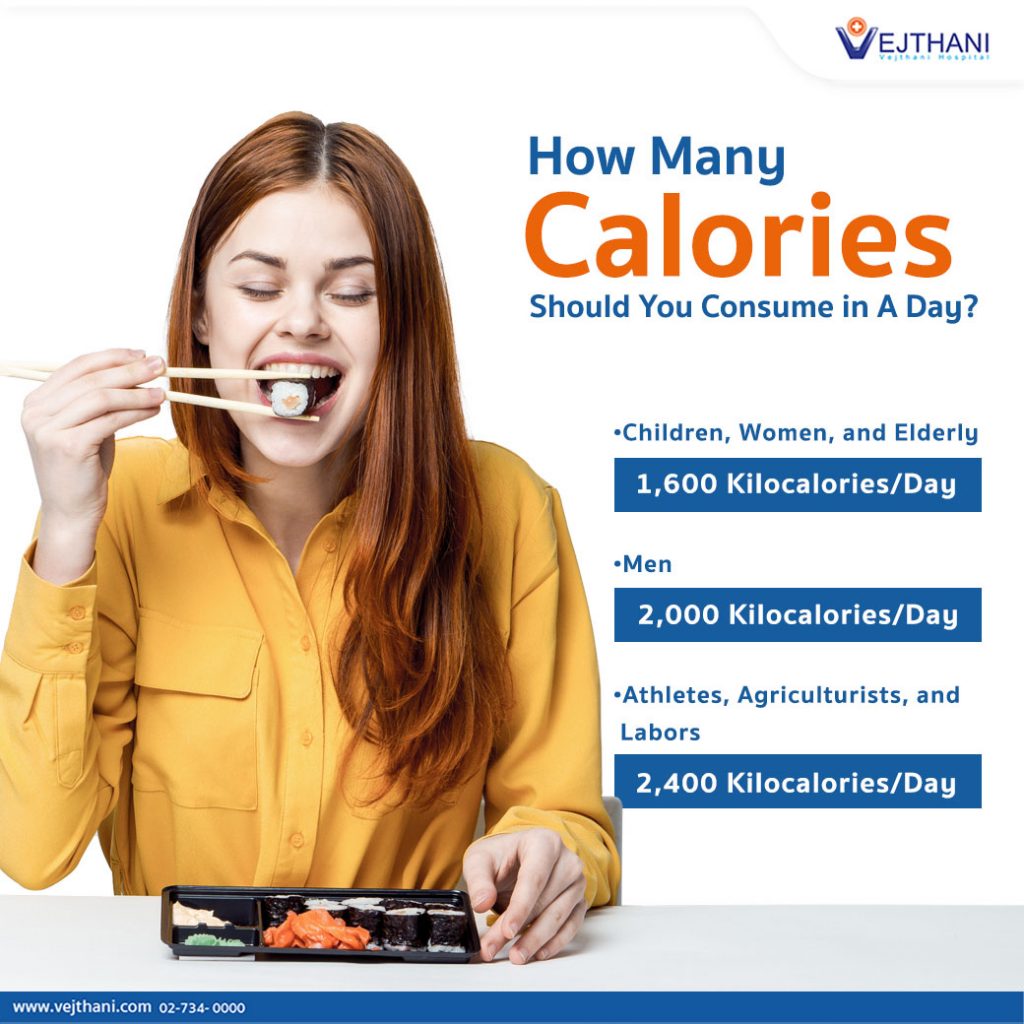
At the core of the question “How many calories should I consume?” lies a set of biological constants: Basal Metabolic Rate (BMR) and Total Daily Energy Expenditure (TDEE). Historically, these were calculated using the Harris-Benedict or Mifflin-St Jeor equations. While these formulas provided a baseline, they were unable to account for the nuances of individual metabolic variability.
The Integration of Machine Learning in Predictive Modeling
Modern software has moved beyond static math. Today’s sophisticated nutrition apps and web-based platforms utilize machine learning to refine caloric recommendations. Instead of relying solely on your height, weight, and age, these algorithms analyze historical data points. If a user logs 2,500 calories a day but the software observes a weight trend that contradicts the initial projection, the AI self-corrects. This “adaptive TDEE” modeling creates a dynamic feedback loop, allowing the software to “learn” a user’s specific metabolic speed, which can be influenced by factors like gut microbiome health and hormonal fluctuations—variables a standard calculator would miss.
Digital Calculators and Hyper-Personalization
The “one size fits all” approach has been replaced by hyper-personalization tools. Advanced digital calculators now factor in body fat percentage, lean muscle mass (often synced from smart scales), and even local climate data (as the body burns more energy to regulate temperature in extreme cold or heat). By aggregating these disparate data points, technology provides a more granular answer to the caloric question than any paper chart ever could.
The Ecosystem of Wearable Tech and Real-Time Metabolic Tracking
Software is only as good as the data it receives. The rise of wearable technology has bridged the gap between theoretical caloric needs and actual energy expenditure. To know how many calories you should consume, you must first know exactly how many you are burning.
Biometrics and Active Burn: The Sensor Revolution
Wearables from industry leaders like Apple, Garmin, and Oura utilize photoplethysmography (PPG) sensors to monitor heart rate and heart rate variability (HRV). By tracking heart rate in real-time, these devices can differentiate between a sedentary hour at a desk and an hour of high-intensity interval training.
Furthermore, tri-axial accelerometers and gyroscopes track movement in three-dimensional space, providing a high-fidelity map of “Active Calories.” When this data is synced with a central health dashboard, the answer to “How many calories should I consume?” updates in real-time. If you have an unusually active morning, your daily “caloric budget” may automatically increase in your linked nutrition app via an API (Application Programming Interface) call.
The Frontier of Continuous Glucose Monitoring (CGM)
One of the most significant technological leaps in nutrition is the consumer adoption of Continuous Glucose Monitors (CGMs). Originally designed for diabetics, companies like Levels and Nutrisense have repurposed this hardware for the general public. By placing a sensor on the arm that measures interstitial fluid glucose levels, users can see exactly how their body responds to specific caloric loads in real-time.
This tech provides a deeper level of insight: it’s not just about the number of calories, but how those calories affect blood sugar stability. If a specific caloric target leads to massive glucose spikes and subsequent crashes, the technology suggests a pivot in macronutrient distribution, proving that the digital answer to caloric consumption is increasingly qualitative as well as quantitative.
Smart Apps and Digital Ecosystems: Managing Your Nutritional Budget
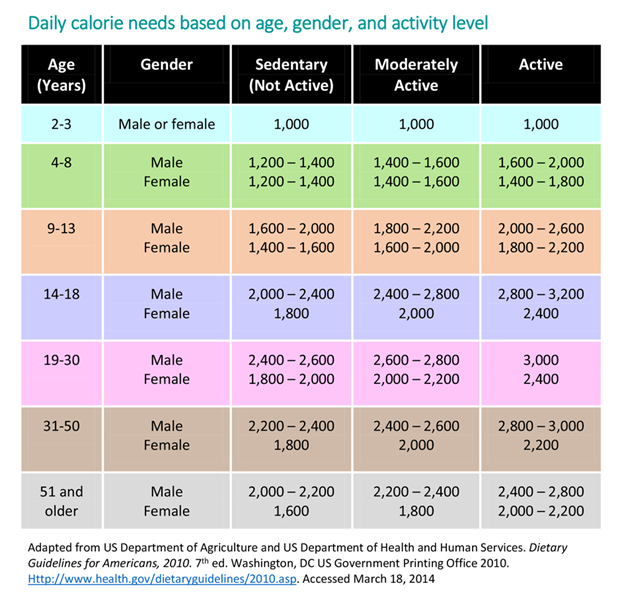
Once technology helps you determine a target number, the challenge shifts to management. The “App Economy” has produced a suite of tools designed to make caloric tracking frictionless, utilizing computer vision and massive cloud-based databases.
Computer Vision and Image Recognition
The most tedious part of answering “How many calories should I consume?” is the manual logging of food. To combat “logging fatigue,” developers are leveraging computer vision. Apps like SnapCalorie use AI-trained neural networks to identify food items through a smartphone camera. By analyzing the volume and type of food in a photo, the software can estimate caloric content with a degree of accuracy that often surpasses human estimation. This reduces the barrier to entry for data collection, ensuring that the “actual consumed” side of the equation is as accurate as the “recommended” side.
The Power of Interoperability and API Integration
The modern tech-savvy consumer does not use a single tool; they use an ecosystem. Through platforms like Apple HealthKit or Google Fit, data flows seamlessly between devices. Your smart scale (which measures body composition) talks to your Oura ring (which measures sleep and recovery), which talks to MyFitnessPal (which tracks intake).
This interoperability is crucial because caloric needs are not static. On a day when your wearable detects poor sleep quality (high stress/low recovery), the integrated AI might recommend a slight caloric surplus to manage cortisol levels. This level of sophisticated, tech-driven advice transforms the “calorie count” from a rigid number into a flexible, data-driven strategy.
Digital Security and Privacy in the Age of Health Tech
As we entrust technology to tell us how much to eat and how to live, we generate a massive trail of sensitive biometric data. This brings the “Tech” niche squarely into the realm of digital security and data ethics.
Protecting Sensitive Bio-Data
The data required to answer “How many calories should I consume?”—including weight, heart rate, metabolic markers, and location data (from GPS-tracked runs)—is incredibly personal. Cybersecurity is now a pillar of the health-tech industry. Users must navigate the trade-off between the convenience of cloud-synced nutrition data and the risk of data breaches. Encrypted databases and two-factor authentication (2FA) have become standard requirements for reputable health platforms. As these apps increasingly integrate with insurance providers or corporate wellness programs, the stakes for data privacy have never been higher.
The Ethics of Algorithmic Dieting
There is also a growing discussion regarding the “black box” nature of proprietary algorithms. If a tech company’s algorithm tells you to consume 1,200 calories, but does not disclose the logic behind that number, it creates a dependency on the software. Tech transparency—knowing how your data is being used to calculate your health metrics—is becoming a key differentiator for brands in the digital health space. Ethical tech development ensures that caloric recommendations are based on validated science rather than engagement-driven metrics that might encourage disordered patterns.
Conclusion: The Future of Automated Nutrition
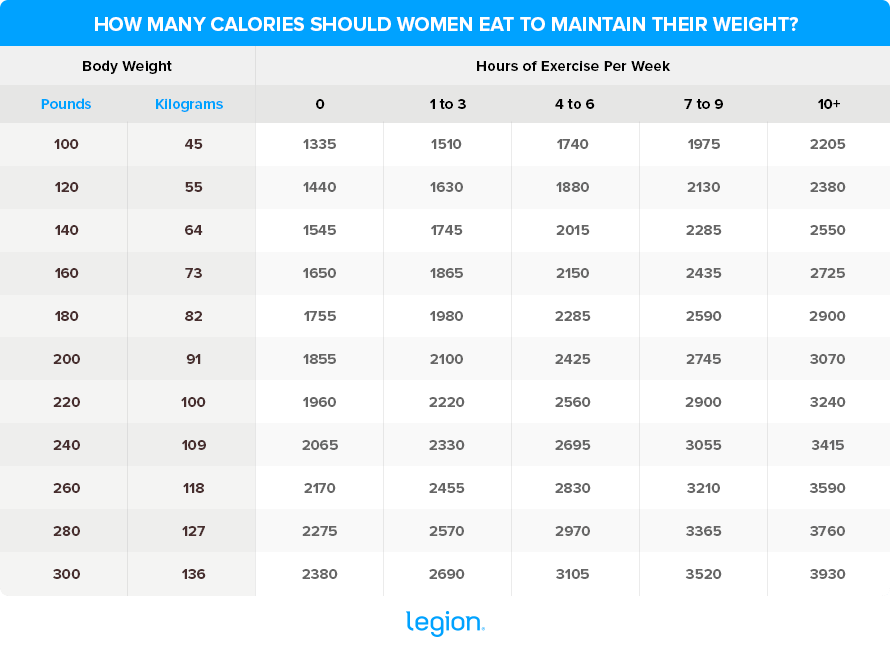
The question “How many calories should I consume?” has evolved from a matter of guesswork to a sophisticated application of data science. We are rapidly approaching a future where our digital environment will manage our nutritional needs almost entirely in the background.
Imagine a “Smart Kitchen” where your refrigerator, synced to your wearable data, knows you’ve had a high-intensity day and suggests a meal that perfectly hits your remaining caloric and macronutrient targets. We are seeing the rise of “Digital Twins,” where a virtual model of your metabolism is used to run simulations on how different caloric levels will affect your long-term health and longevity.
In this tech-driven landscape, the calorie is no longer just a unit of heat; it is a data point in a complex, beautiful, and highly personalized digital ecosystem. By leveraging the power of AI, the precision of modern sensors, and the connectivity of the Internet of Things (IoT), technology has finally provided a definitive, dynamic answer to one of humanity’s oldest health questions. As we move forward, the focus will remain on refining these tools to be more accurate, more secure, and more integrated into the fabric of our digital lives.
aViewFromTheCave is a participant in the Amazon Services LLC Associates Program, an affiliate advertising program designed to provide a means for sites to earn advertising fees by advertising and linking to Amazon.com. Amazon, the Amazon logo, AmazonSupply, and the AmazonSupply logo are trademarks of Amazon.com, Inc. or its affiliates. As an Amazon Associate we earn affiliate commissions from qualifying purchases.