
In the diverse landscape of human cognition, understanding how individuals best absorb and process information is paramount to effective learning and development. Among the various learning styles, kinesthetic learners stand out for their innate preference for physical activity, hands-on experience, and direct engagement with their environment. Unlike their auditory or visual counterparts, kinesthetic learners thrive when they can do, touch, build, or move. In an increasingly digital world, the challenge often lies in bridging the gap between this tactile need and the predominantly screen-based learning tools available. However, far from being a limitation, technology is proving to be a revolutionary ally, transforming how kinesthetic learners interact with, understand, and master complex concepts. By embracing innovative software, interactive apps, and immersive gadgets, we can unlock unprecedented opportunities for these dynamic learners.

Understanding the Kinesthetic Learning Style
To effectively leverage technology, we must first deeply understand the characteristics that define a kinesthetic learner. This foundational insight allows for the targeted development and application of digital tools that resonate with their unique cognitive processes.
Core Characteristics and Strengths
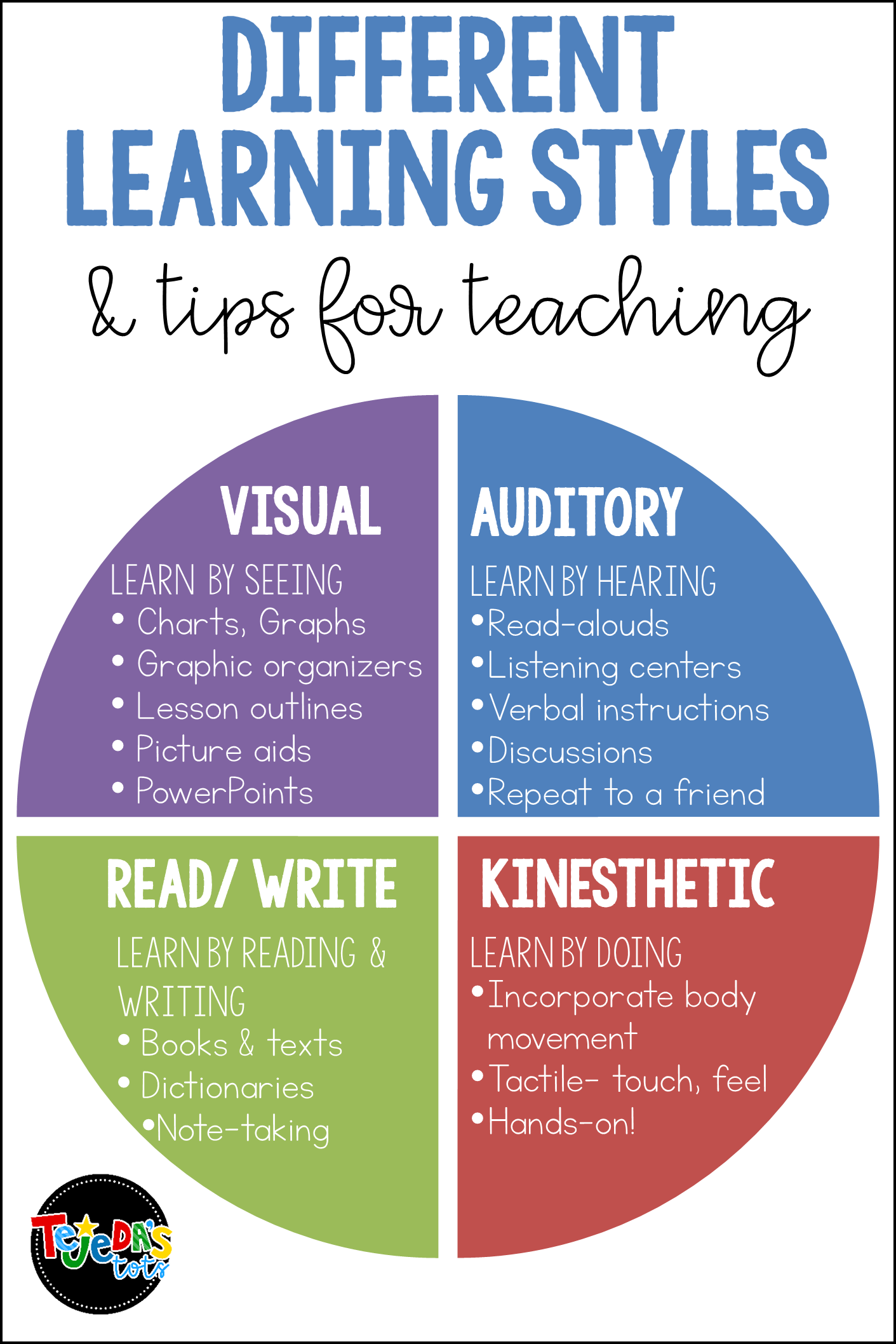
Kinesthetic learners are often recognized by their high energy levels, a penchant for fidgeting, and a natural inclination towards physical expression. They learn best through direct experience, manipulation of objects, and bodily engagement. For them, “learning by doing” isn’t just a phrase; it’s the most efficient pathway to knowledge retention and comprehension. Their strengths lie in areas requiring practical application, problem-solving through experimentation, and tasks that involve fine or gross motor skills. They excel in subjects like science experiments, engineering, sports, drama, and vocational training where physical interaction is central. These individuals often remember what they did, rather than what they saw or heard, translating abstract ideas into concrete actions.
They benefit immensely from activities such as role-playing, constructing models, field trips, simulations, and any task that involves movement or physical interaction. Their keen sense of spatial awareness and body language often makes them intuitive communicators and collaborators when given the opportunity for physical expression. In a team setting, they are often the ones who naturally gravitate towards prototyping, demonstrations, or leading activities that require physical coordination.
Common Misconceptions and Challenges
Despite their distinct strengths, kinesthetic learners often face challenges within traditional, passive learning environments. The misconception that they are easily distracted, unfocused, or “hyperactive” often arises because their need for movement is misinterpreted as a lack of attention. In reality, their physical activity is often a mechanism for concentration, helping them to process information more effectively. Lecture-heavy formats, extensive reading, or prolonged periods of sitting still can be incredibly disengaging for them, leading to boredom, frustration, and perceived underperformance.
One significant challenge in the digital age has been adapting screen-based content to meet their needs. Static presentations, purely visual tutorials, or text-heavy online courses can be particularly frustrating. The passive consumption of information, while suitable for visual or auditory learners, often leaves kinesthetic learners feeling unfulfilled and disconnected from the material. This gap highlights the critical need for technology to evolve beyond passive content delivery and embrace interactive, tactile, and experiential methodologies.
Technology as an Enabler for Kinesthetic Learners
The advent of sophisticated technology has revolutionized the potential for engaging kinesthetic learners, providing platforms that transform abstract concepts into tangible, interactive experiences. Modern tech tools are designed to move beyond traditional learning barriers, fostering environments where “doing” is at the core.
Interactive Simulations and Virtual Reality (VR)
Perhaps no technological advancement has greater potential for kinesthetic learners than interactive simulations and Virtual Reality (VR). These tools create immersive environments where learners can physically interact with digital objects and scenarios, mimicking real-world experiences without the associated risks or costs. For aspiring surgeons, VR allows for practicing intricate procedures; for engineers, it means designing and testing prototypes in a virtual lab; for architects, walking through a building before it’s built. These simulations provide a hands-on experience that is almost indistinguishable from reality, allowing learners to develop muscle memory, test hypotheses, and learn from mistakes in a safe, controlled digital space. Augmented Reality (AR) further blends the digital with the physical, overlaying virtual objects onto real-world environments, allowing for interactive exploration and manipulation that deeply resonates with kinesthetic learning preferences. From dissecting a virtual frog on a lab table to assembling a complex engine component, AR provides a layer of physical interaction previously unimaginable.
Educational Apps and Gamification
The proliferation of educational apps specifically designed with kinesthetic engagement in mind has dramatically shifted the landscape. These apps often incorporate gamification elements, turning learning into an interactive game where physical actions lead to progress and rewards. Think of apps that require users to drag and drop elements to solve puzzles, physically trace letters and numbers, or manipulate 3D models with touch gestures. Robotics coding apps, for instance, allow learners to program actual robots or virtual equivalents, seeing their code translate into physical movement. Even more basic apps that incorporate haptic feedback, allowing users to “feel” vibrations or resistance as they interact with the screen, can enhance the tactile experience. The key is active participation: requiring learners to tap, swipe, pinch, and drag their way through content, making the learning process a dynamic physical activity rather than passive observation.
Tangible Interfaces and Robotics Kits
Beyond screen-based interactions, the rise of tangible interfaces and educational robotics kits offers a direct, physical avenue for kinesthetic learning in the tech space. Tangible user interfaces (TUIs) allow users to interact with digital information through physical objects. For example, programming blocks that snap together to create code, or physical dials and sliders that control on-screen parameters. These tools bridge the gap between the digital and the physical, allowing learners to manipulate tangible objects to achieve digital outcomes.
Educational robotics kits, such as LEGO Mindstorms, VEX Robotics, or Sphero, exemplify this approach. Learners physically build robots, then program them using intuitive software, and finally observe their creations move and interact with the physical world. This cycle of building, coding, testing, and refining is a quintessential kinesthetic learning experience, engaging hands, eyes, and critical thinking skills simultaneously. These kits teach complex concepts in STEM (Science, Technology, Engineering, Mathematics) through direct, physical experimentation, making abstract principles concrete and understandable.
Designing Tech-Enhanced Learning Experiences
Successfully integrating technology for kinesthetic learners requires more than simply offering tools; it demands a thoughtful design philosophy that prioritizes interaction, experimentation, and active participation.
Principles for Engaging Kinesthetic Users
Designing effective tech for kinesthetic learners involves adherence to several core principles:
- Hands-On Interaction: Every piece of content should involve an action. Instead of reading about a concept, provide a simulation where they can perform it.
- Multisensory Engagement: While focusing on the tactile, remember that kinesthetic learners also benefit from visual and auditory cues that complement their physical actions. For example, a simulation might include realistic sounds and visual feedback alongside physical manipulation.
- Real-World Relevance: Connect abstract concepts to practical applications. Technology can create scenarios that mimic real-life challenges, allowing learners to apply their knowledge in a meaningful context.
- Experimentation and Feedback: Provide opportunities for trial and error. Kinesthetic learners thrive on experimenting and learning from the consequences of their actions. Immediate, constructive feedback from the tech tool is crucial for guiding their exploration.
- Freedom of Movement: Where possible, integrate technologies that allow for physical movement, such as VR setups that require walking, or apps that encourage standing and interacting with large touchscreens. Even allowing learners to physically stand up and move while engaging with a tablet can be beneficial.
- Collaborative Building: Design tools that support collaborative physical and digital creation, allowing groups to build and test ideas together.
Case Studies: Successful EdTech Implementations
Numerous EdTech platforms have successfully integrated these principles. For example, platforms like Minecraft: Education Edition allow students to learn history, science, and math by building and exploring virtual worlds, requiring physical input through keyboard/mouse/controller commands and spatial reasoning. Another example is Labster, which provides virtual laboratory simulations, enabling students to conduct complex experiments that might be too dangerous, expensive, or time-consuming in a physical lab, all through interactive digital manipulation.
In the realm of vocational training, companies like STRIVR use VR for training employees in complex tasks, from operating heavy machinery to customer service scenarios, where trainees physically practice actions and receive immediate performance feedback. These implementations demonstrate a clear understanding of the kinesthetic need for active engagement, providing immersive and interactive learning experiences that resonate deeply with this learning style. They offer environments where mistakes are learning opportunities, and progress is intrinsically linked to physical interaction and decision-making.
The Future of Kinesthetic Learning in a Digital World
As technology continues its rapid evolution, the future for kinesthetic learners in digital environments looks incredibly promising, promising even more personalized and integrated experiences.
Personalized Learning Paths and AI
The integration of Artificial Intelligence (AI) is set to revolutionize personalized learning paths for kinesthetic learners. AI can analyze a learner’s interactions, progress, and preferences within digital environments to dynamically adapt content and activities. For instance, an AI-powered platform could identify that a student learns best by physically building a model rather than dragging and dropping components in a simulation. It could then recommend or generate a specific hands-on project, perhaps even leveraging 3D printing technologies for physical output based on digital designs. AI could also curate interactive exercises that incrementally increase in complexity, providing challenges that are perfectly matched to the learner’s current skill level and preferred mode of interaction. This adaptive approach ensures that kinesthetic learners are consistently engaged with activities that maximize their learning potential, moving away from a one-size-fits-all digital curriculum.
Blended Learning Environments
The most effective future for kinesthetic learning will likely lie in sophisticated blended learning environments. These models seamlessly integrate digital tools with traditional physical learning spaces, creating a holistic experience. Imagine classrooms where students design a component in a CAD program (digital), 3D print it (physical), test its functionality (physical interaction), analyze performance data on a tablet (digital), and then refine their design (digital/physical). This continuous loop between the virtual and the tangible maximizes engagement and understanding. Blended learning allows educators to leverage the scalability and interactive nature of technology while still providing crucial opportunities for direct physical manipulation, group activities, and hands-on experimentation that are indispensable for kinesthetic learners. The flexibility offered by these environments means that lessons can be tailored to incorporate dynamic physical challenges alongside digital research and creation, catering to the full spectrum of a kinesthetic learner’s needs.

Conclusion
Kinesthetic learners represent a vibrant and essential segment of any learning population, bringing unique strengths and a preference for active engagement. While traditional educational settings and early digital tools sometimes struggled to accommodate their needs, the rapid advancement of technology has dramatically altered this landscape. From immersive VR simulations and gamified educational apps to tangible interfaces and sophisticated robotics kits, technology is no longer a barrier but a powerful accelerator for hands-on learning. By understanding the core characteristics of kinesthetic learners and intentionally designing tech-enhanced experiences that prioritize physical interaction, experimentation, and real-world relevance, we can unlock their full potential. The future promises even more personalized and integrated learning paths through AI and robust blended environments, ensuring that kinesthetic learners not only keep pace but truly thrive in our increasingly digital world, building, exploring, and doing their way to profound understanding.
aViewFromTheCave is a participant in the Amazon Services LLC Associates Program, an affiliate advertising program designed to provide a means for sites to earn advertising fees by advertising and linking to Amazon.com. Amazon, the Amazon logo, AmazonSupply, and the AmazonSupply logo are trademarks of Amazon.com, Inc. or its affiliates. As an Amazon Associate we earn affiliate commissions from qualifying purchases.