
In the complex landscape of personal finance and social economics, various programs exist to provide a floor for individuals facing extreme financial hardship. Among these, “General Relief” (often abbreviated as GR) stands as a critical, albeit frequently misunderstood, financial tool. Unlike federal programs designed for specific demographics—such as Social Security for the elderly or SNAP for food assistance—General Relief functions as a localized, last-resort financial safety net.
Understanding General Relief is essential for anyone navigating the nuances of personal finance, particularly during periods of transition or unexpected economic instability. This article provides a deep dive into the mechanics, eligibility, and economic implications of General Relief, framing it within the broader context of financial management and community stability.
Understanding the Mechanics of General Relief
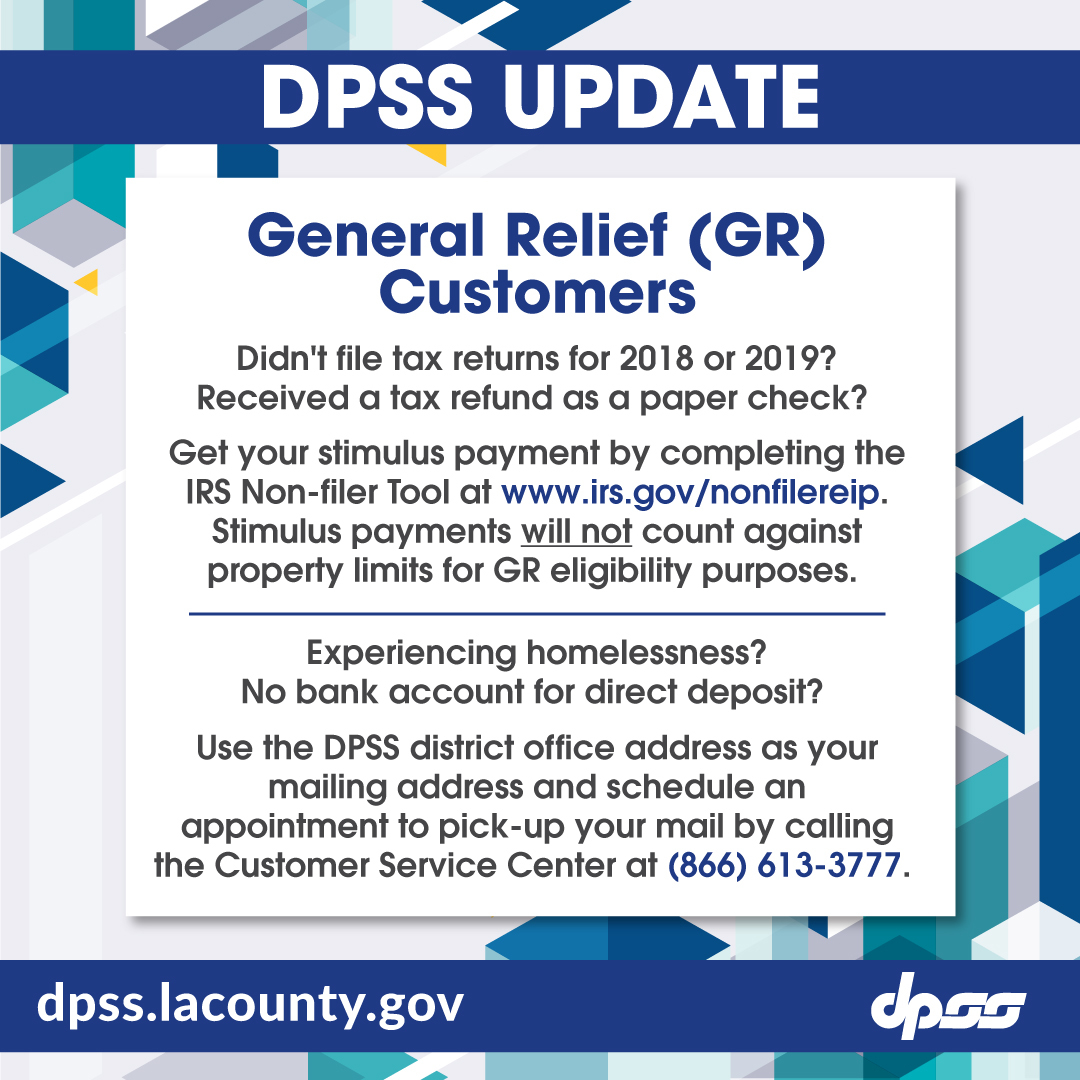
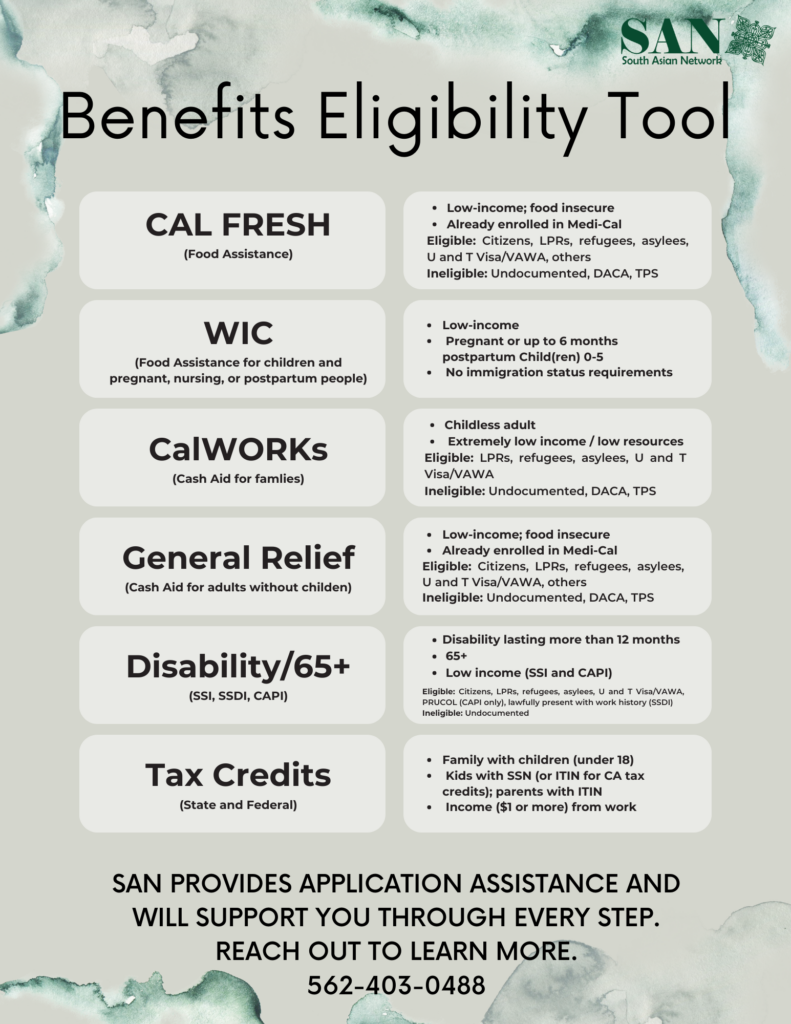
General Relief is a county- or state-funded program designed to provide basic living necessities to indigent adults who are ineligible for other types of federal or state assistance. While programs like Temporary Assistance for Needy Families (TANF) focus on households with children, GR is typically the only financial recourse for “employable” or “unemployable” single adults without dependents.
Who Qualifies for General Relief?
The eligibility criteria for General Relief are among the most stringent in the personal finance world. Because it is a program of last resort, applicants must demonstrate an absolute lack of resources. Generally, the target demographic includes:
- Single Adults: Individuals who do not have children living with them.
- Indigent Individuals: Those whose income and assets fall below a specific, very low threshold set by the local jurisdiction.
- Non-Categorical Eligibility: Individuals who do not qualify for Supplemental Security Income (SSI) or other specialized aid programs.
The definition of “indigent” varies by county. In some high-cost-of-living areas, the income ceiling might be slightly higher, but in most cases, it is calibrated to the bare minimum required for survival—often significantly lower than the federal poverty line.
The Difference Between GR and Other Financial Aid
It is vital to distinguish General Relief from other financial instruments. While unemployment insurance is an earned benefit funded by employer taxes, and Social Security is a contributory system, General Relief is a non-contributory, needs-based grant.
Furthermore, General Relief is often structured as a loan rather than a pure gift. Many jurisdictions require recipients to sign a “reimbursement agreement.” This means that if the recipient later receives a retroactive payment from another source (such as an SSI settlement or a legal windfall), the government has the right to recoup the funds paid out through General Relief. This underscores its role as a temporary bridge rather than a permanent income stream.
Navigating the Application Process and Requirements
For those in a position to utilize General Relief, the application process is a rigorous exercise in financial disclosure. Because it involves the distribution of public funds, the level of scrutiny is intense, requiring a high degree of transparency regarding one’s personal financial status.
Income and Asset Limits
The “Money” aspect of General Relief is defined by its strict asset tests. To qualify, an individual must usually prove they have very little “countable” property. This often includes:
- Liquid Assets: Cash on hand, bank account balances, and stocks must typically be near zero.
- Personal Property: While certain items like a primary vehicle (up to a specific value) or clothing are exempt, other luxury items may need to be liquidated before aid is granted.
- Real Estate: Generally, an applicant cannot own significant real estate, although some counties allow for a primary residence if the equity is below a certain threshold.
These limits are designed to ensure that the program remains a safety net for those with no other options, reinforcing the principle that personal assets must be exhausted before public financial intervention occurs.
Documentation and Compliance
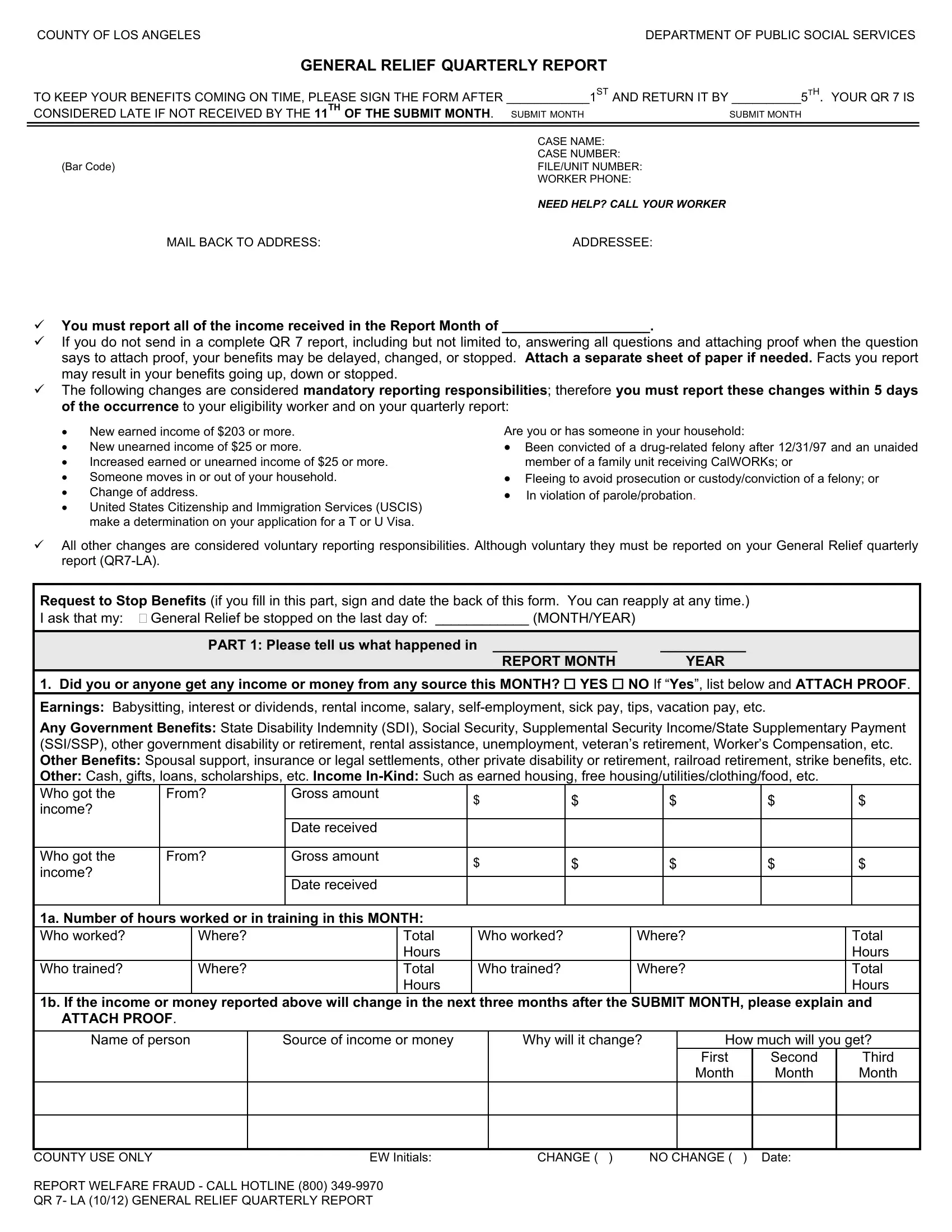
Applying for General Relief is not a one-time event; it is an ongoing process of financial compliance. Applicants must provide extensive documentation, including identification, proof of residency, bank statements, and tax returns.
Once enrolled, recipients are often subject to “Work Requirements” or “Mandatory Participation.” If the individual is deemed “employable,” they may be required to participate in job search programs, community service, or vocational training. This is a strategic move by local governments to transition individuals from public assistance back into the private sector, thereby reducing the long-term financial burden on the county budget. Failure to comply with these administrative requirements can lead to “sanctions,” which result in the temporary or permanent suspension of financial aid.
The Economic Impact of General Relief on Local Communities
From a business finance and macroeconomic perspective, General Relief plays a subtle but vital role in local economies. It acts as an automatic stabilizer, injecting liquidity into the bottom tier of the economy during downturns.
Funding and Budgetary Allocation
Unlike federal programs that have the backing of the U.S. Treasury, General Relief is primarily funded at the county level. This creates a unique financial challenge for local governments. During economic recessions, the demand for GR increases exactly when local tax revenues (from sales and property taxes) are often declining.
Budgetary experts must carefully balance the “Mandated” nature of these programs with the fiscal health of the municipality. Because many states mandate that counties provide for their indigent residents, GR is often a “non-discretionary” line item. This means that in times of financial crisis, counties may have to cut funding for parks, libraries, or infrastructure to ensure the General Relief fund remains solvent.
General Relief as a Tool for Economic Stability
While the monthly stipend provided by General Relief is modest—often just a few hundred dollars—its velocity of money is incredibly high. Recipients of GR spend their funds almost immediately on essential goods and services within the local community: rent, transit, and hygiene products.
By providing this minimal liquidity, the program helps prevent more costly social outcomes. From a purely financial standpoint, it is often more cost-effective for a municipality to provide General Relief than to bear the secondary costs associated with total destitution, such as increased emergency room visits or the expansion of homeless shelter infrastructure. In this sense, GR is a form of “preventative financial maintenance” for the community.
Long-term Financial Planning Beyond Temporary Assistance
General Relief is, by design, a temporary solution. For the recipient, the goal is always to move toward a more sustainable and robust financial position. Integrating GR into a long-term personal finance strategy requires a proactive approach to income generation and financial literacy.
Transitioning to Sustainable Income
The transition from General Relief to a side hustle or full-time employment is a critical financial milestone. Because GR benefits are so low, they rarely provide enough for a “poverty trap” to exist; almost any form of employment will yield a higher net income.
However, the “cliff effect” is a real concern. This occurs when a small increase in earned income leads to a total loss of benefits, potentially leaving the individual in a worse financial position temporarily. Smart financial planning during this phase involves:
- Budgeting for the Transition: Saving what little is possible to cover the gap between the first day of work and the first paycheck.
- Utilizing Earned Income Disregards: Some programs allow recipients to keep a portion of their benefits while they begin working, easing the transition into the workforce.
- Seeking Supplemental Support: Identifying other tools, such as the Earned Income Tax Credit (EITC), which can bolster a low-income worker’s financial standing.
Leveraging Financial Literacy Resources
Many General Relief programs are now being paired with financial literacy initiatives. Recognizing that temporary cash infusions are only part of the solution, counties are increasingly offering workshops on basic banking, credit repair, and debt management.
For an individual on General Relief, rebuilding their “financial identity” is paramount. This often starts with opening a low-fee “second-chance” bank account to avoid the high costs of check-cashing services. From there, the focus shifts to building a small emergency fund and understanding how to navigate the credit system. By viewing General Relief not just as a survival grant, but as a window of opportunity to reset one’s financial foundation, individuals can begin the climb toward long-term fiscal independence.
Conclusion
General Relief is a vital component of the modern financial landscape, serving as the ultimate safety net for those who fall through the cracks of broader social programs. While the benefits are modest and the requirements are strict, its role in preventing total economic collapse for individuals and providing stability to local communities cannot be overstated.
Whether viewed through the lens of personal finance management or as a study in local government budgeting, General Relief reminds us that the health of an economy is often measured by how it supports its most vulnerable participants. By understanding how this program works, the requirements for participation, and the pathways toward financial recovery, we gain a clearer picture of the complex web of support that keeps the wheels of our society turning.
aViewFromTheCave is a participant in the Amazon Services LLC Associates Program, an affiliate advertising program designed to provide a means for sites to earn advertising fees by advertising and linking to Amazon.com. Amazon, the Amazon logo, AmazonSupply, and the AmazonSupply logo are trademarks of Amazon.com, Inc. or its affiliates. As an Amazon Associate we earn affiliate commissions from qualifying purchases.