
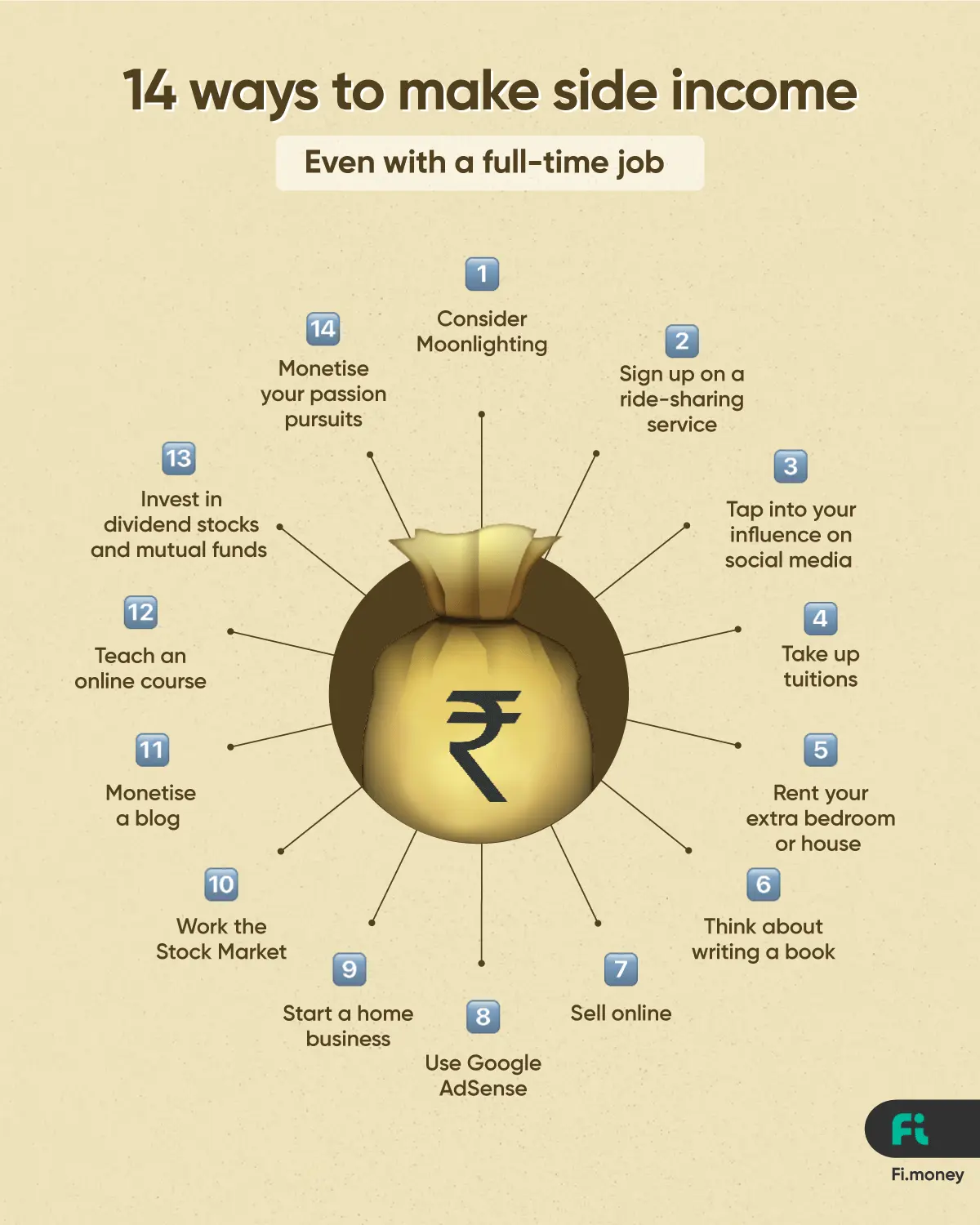
In the modern economic landscape, the traditional concept of a single “9-to-5” income stream is rapidly becoming an artifact of the past. As inflation fluctuates and the cost of living continues to rise, the pursuit of side money has transitioned from a supplemental hobby to a financial necessity for many. However, the true value of a side hustle lies not just in the immediate cash flow, but in its ability to provide financial security, accelerate debt repayment, and fuel long-term investment portfolios.
Generating side money requires a strategic approach that balances time commitment against potential Return on Investment (ROI). This guide explores the most effective avenues for building additional income streams, focusing on scalable models that align with professional skill sets and capital management.

The Evolution of the Gig Economy: Strategic Freelancing and Consulting
The “gig economy” has evolved far beyond simple ride-sharing or delivery services. Today, the most lucrative way to make side money is by leveraging specialized professional skills in the digital marketplace. This shift toward high-value freelancing allows individuals to command premium rates while maintaining control over their schedules.
High-Value Skill Arbitrage
The most effective way to maximize hourly earnings is through skill arbitrage—identifying services that are in high demand but have a limited supply of qualified providers. Professionals in fields such as financial analysis, legal writing, data science, and strategic marketing can find significant opportunities on platforms like Upwork, Toptal, or specialized consulting boards.
Unlike entry-level gig work, strategic freelancing allows you to set rates based on value delivered rather than time spent. For example, a freelance corporate strategist might earn in a single weekend what a ride-share driver earns in a month. The key is to position yourself as an expert rather than a generalist, creating a brand that attracts high-paying clients who prioritize quality over cost.
Scaling Through Agency Models
Once a steady stream of side income is established through freelancing, the next step in financial optimization is the “agency model.” This involves outsourcing portions of your workload to other freelancers while you focus on client acquisition and project management. This transition moves you from “trading time for money” to “managing systems for profit.” By capturing the margin between what the client pays and what you pay your sub-contractors, you create a scalable business entity that generates income with decreasing amounts of your direct labor.
Passive Income Streams: Making Your Capital Work for You
True financial freedom is rarely achieved through active labor alone. To build significant side money that grows independently of your daily schedule, you must utilize your existing savings to generate passive returns. This requires a shift in mindset from consumer to investor.
Dividend Growth Investing
One of the most reliable methods for generating recurring side money is through a portfolio of dividend-paying stocks. By investing in established companies with a history of increasing their payouts, you create a “private pension” that pays out quarterly or monthly.
The strategy here is not just to chase high yields, which can often be a trap for failing companies, but to focus on “Dividend Aristocrats”—companies that have increased dividends for at least 25 consecutive years. Reinvesting these dividends during the early stages of your side-money journey allows for the power of compounding to take over, eventually creating a stream of income that can cover basic living expenses without ever touching the principal investment.
Real Estate Crowdfunding and REITs
For many, the barrier to entry for real estate—a classic side income generator—is the high cost of down payments and the headache of property management. However, modern financial tools like Real Estate Investment Trusts (REITs) and crowdfunding platforms (such as Fundrise or RealtyMogul) have democratized access to property income.
REITs allow you to invest in large-scale, income-producing real estate, such as apartment complexes or commercial warehouses, and receive a portion of the rental income as dividends. This provides the benefits of real estate—inflation hedging and steady cash flow—without the “active” work of being a landlord. It is an ideal way to diversify your income streams using capital rather than sweat equity.
The Knowledge Economy: Turning Expertise into Scalable Products
In the digital age, information is a high-margin commodity. If you possess specialized knowledge in a particular niche—be it corporate finance, tax law, or business management—you can package that expertise into digital products that sell while you sleep.
Online Courses and Digital Workshops
Creating a comprehensive online course is a front-loaded effort that can yield significant financial rewards for years. Platforms like Teachable, Kajabi, or even LinkedIn Learning allow experts to reach a global audience. The beauty of the digital product model is the near-zero marginal cost of production; once the course is recorded and the curriculum is set, selling it to the 1,000th student costs you no more than selling it to the first.
To succeed in this space, focus on “pain point” resolution. People pay for side money-making secrets, career advancement, or complex problem-solving. A course that helps a small business owner navigate their first tax season or assists a mid-level manager in reaching the C-suite carries a high perceived value, allowing for premium pricing.
Affiliate Marketing and Niche Content
If you prefer writing or content creation over direct teaching, affiliate marketing provides a way to monetize your influence. By creating a niche website or a newsletter (such as on Substack) focused on a specific financial or professional topic, you can recommend tools, books, and software that you genuinely use.
When your audience makes a purchase through your links, you earn a commission. This is particularly effective in the “Money” niche, where financial tools like brokerage accounts, credit cards, and accounting software offer high commission structures. The key to long-term success in affiliate marketing is maintaining editorial integrity; your audience’s trust is the primary asset that drives your side income.
Financial Stewardship: Managing and Multiplying Your Side Income
Generating side money is only half the battle; the other half is ensuring that the money is managed, taxed, and reinvested correctly to maximize its long-term impact. Without proper financial stewardship, side income can easily be lost to lifestyle creep or unexpected tax liabilities.
Tax Optimization for Side Hustlers
When you begin earning side money, you are essentially a small business owner in the eyes of the government. This brings both responsibilities and opportunities. It is crucial to set aside a percentage of every “side” dollar earned for self-employment taxes to avoid a massive bill at the end of the year.
However, you can also leverage business deductions. Expenses such as home office equipment, professional software, and even a portion of your internet bill can often be deducted from your taxable income, effectively lowering your tax bracket. Consulting with a tax professional to set up an LLC or an S-Corp can further protect your assets and optimize your take-home pay.
Reinvestment and the Path to Wealth
The most common mistake people make with side money is spending it on luxury items or non-essential consumer goods. To truly change your financial trajectory, side income should be treated as “investment capital.”
By funneling your side earnings into tax-advantaged accounts like a Solo 401(k) or a SEP IRA, you not only reduce your current tax burden but also accelerate your journey toward retirement. The goal is to create a feedback loop: your side hustle generates cash, that cash is invested into income-producing assets, and those assets generate even more cash. This “flywheel effect” is how modest side money eventually transforms into substantial wealth.

Conclusion
Making side money in today’s economy is a multifaceted endeavor that requires a blend of active effort, strategic positioning, and disciplined capital management. Whether you are leveraging your professional skills in the gig economy, building a portfolio of passive income assets, or monetizing your knowledge through digital products, the objective remains the same: to decouple your income from your time.
By approaching your side hustle with the mindset of a business owner and the discipline of an investor, you can turn a few extra hundred dollars a month into a robust financial engine that provides security, freedom, and the ability to build a lasting legacy. The opportunities are vast; the key is to start small, stay consistent, and always keep your long-term financial goals in focus.
aViewFromTheCave is a participant in the Amazon Services LLC Associates Program, an affiliate advertising program designed to provide a means for sites to earn advertising fees by advertising and linking to Amazon.com. Amazon, the Amazon logo, AmazonSupply, and the AmazonSupply logo are trademarks of Amazon.com, Inc. or its affiliates. As an Amazon Associate we earn affiliate commissions from qualifying purchases.