
In the modern financial landscape, the transition from physical currency to digital liquidity has redefined how we perceive value and exchange. At the heart of this revolution is PayPal, a pioneer in the fintech space that has evolved from a simple payment gateway into a sophisticated financial ecosystem. Whether you are an individual looking to streamline your personal budgeting, a freelancer seeking to capture global income, or an entrepreneur building a scalable business, understanding how to properly create and optimize a PayPal account is a fundamental step in modern wealth management.
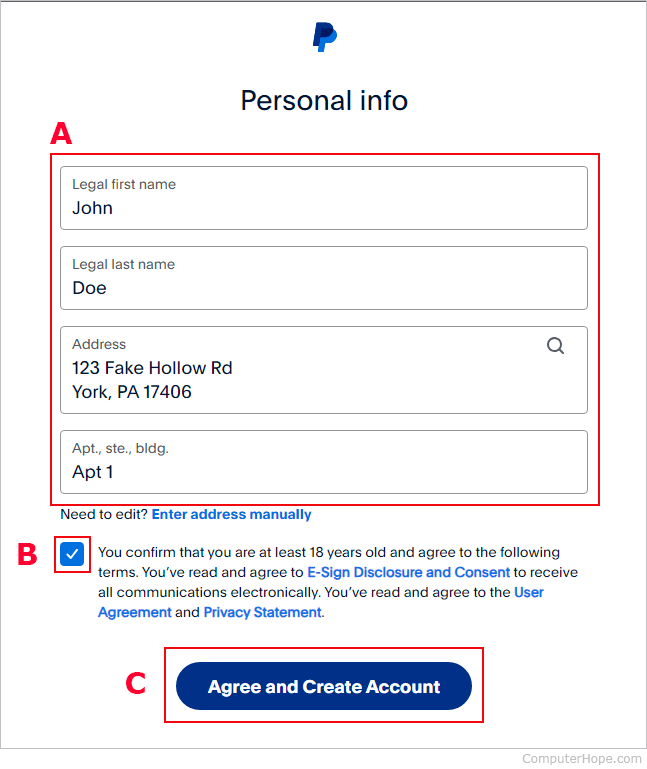
This guide explores the intricacies of the PayPal platform through the lens of personal and business finance, ensuring that your entry into the world of digital payments is secure, efficient, and strategically aligned with your financial goals.
Choosing the Right Financial Gateway: Personal vs. Business Accounts
Before embarking on the registration process, it is essential to determine which account structure serves your specific financial trajectory. PayPal categorizes its users into two primary archetypes, each governed by different fee structures, privacy levels, and utility features.
Understanding the Personal Account
The Personal account is designed for the everyday consumer. It is the ideal tool for individuals who primarily use the internet to shop, send money to family and friends, or engage in low-volume casual selling. From a financial management perspective, the Personal account offers a streamlined interface that focuses on liquidity and ease of use. It allows you to link your debit and credit cards, providing a layer of abstraction that protects your sensitive banking data from individual merchants. For most people, this is the entry point into digital finance, offering zero-cost peer-to-peer transfers within the same country when funded by a bank balance or PayPal balance.
Exploring the Benefits of a Business Account
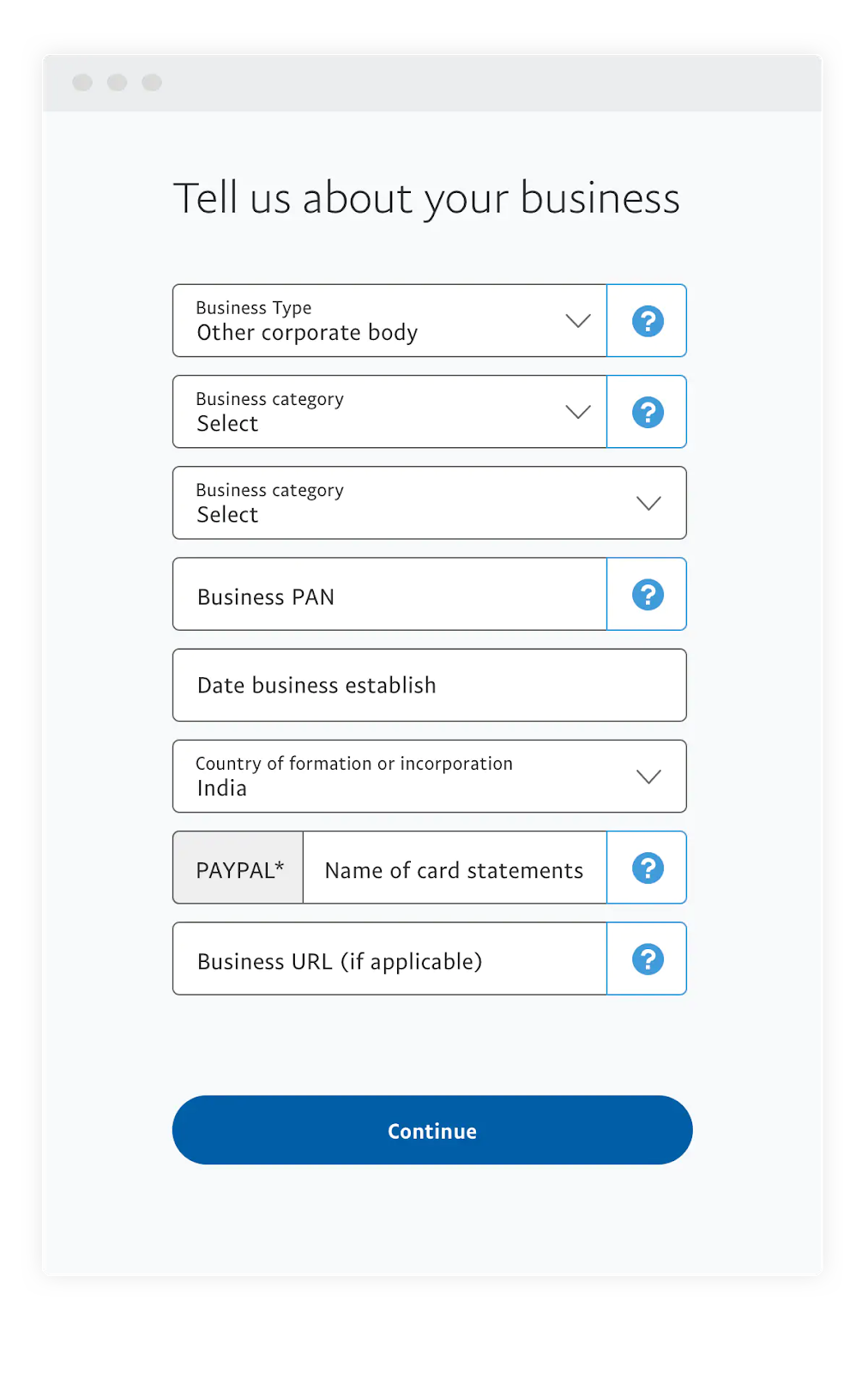
For those focused on professional income and business finance, the Business account is a prerequisite. This account type allows you to operate under a legal company name, providing a layer of professional separation between your personal identity and your commercial activities. Beyond branding, the Business account unlocks advanced financial tools, such as the ability to issue professional invoices, set up recurring subscription payments, and allow up to 200 employees limited access to specific account features. While Business accounts are subject to transaction fees when receiving payments for goods and services, they offer the robust reporting and tax-documentation features necessary for any serious side hustle or corporate entity.
The Step-by-Step Architecture of Your PayPal Profile
Creating a PayPal account is more than just filling out a form; it is the process of establishing a digital financial identity that complies with international “Know Your Customer” (KYC) and Anti-Money Laundering (AML) regulations.
Initial Registration and Email Verification
To begin, visit the PayPal website or download the mobile application. You will be prompted to select your account type and provide a primary email address. In the world of digital finance, your email address acts as your account number; it is the public-facing identifier that others will use to send you funds.
Once you have entered your details—including a legal name that matches your government-issued identification—PayPal will send a verification link to your email. Confirming this link is a critical security step. Without a verified email, your account’s ability to receive and withdraw funds will be severely restricted to prevent fraudulent activity.
Integrating Traditional Banking: Linking Cards and Accounts
A PayPal account is most effective when it is integrated into your broader financial infrastructure. To move money from the digital space into your “real-world” bank account, you must link a bank account or a debit/credit card.
The verification process for a bank account often involves “micro-deposits.” PayPal will send two small amounts (usually a few cents) to your bank. Once these appear on your bank statement, you must log back into PayPal and enter the exact amounts to prove ownership of the account. This rigorous verification process ensures that your financial bridge is secure, preventing unauthorized transfers of your hard-earned capital.
Strengthening Your Financial Security Online
In the digital age, financial security is synonymous with personal peace of mind. As your PayPal account becomes a repository for your capital, implementing high-level security protocols is non-negotiable.
Two-Factor Authentication (2FA) and Biometrics

Security in personal finance should always be multi-layered. PayPal offers Two-Factor Authentication (2FA), which requires a secondary code—usually sent via SMS or generated by an authenticator app—before access is granted. This ensures that even if a malicious actor obtains your password, they cannot breach your account without physical access to your mobile device. Furthermore, if you use the PayPal app, enabling biometric markers like fingerprint or facial recognition adds a personalized layer of encryption that is significantly harder to bypass than traditional alphanumeric passwords.
Recognizing and Avoiding Common Phishing Scams
Financial literacy involves more than just managing numbers; it includes recognizing threats to your assets. One of the most common risks for PayPal users is “phishing”—fraudulent emails designed to look like official PayPal communications. These emails often claim there is a “problem with your account” and urge you to click a link.
Always remember that PayPal will never ask for your password or sensitive financial data via email. To maintain the integrity of your funds, always navigate directly to the official website or app to check your account status. Protecting your digital wallet from social engineering is a vital component of modern financial stewardship.
Maximizing Your Account for Wealth Management and Income
Once your account is operational and secure, it serves as a powerful instrument for maximizing your online income and managing your global assets.
Streamlining Freelance and Side Hustle Payments
For the modern gig worker, PayPal is the gold standard for receiving international payments. By utilizing the “PayPal.Me” feature, you can create a custom link that allows clients to pay you instantly without needing your email address. Furthermore, the invoicing tool allows you to track outstanding debts and send automated reminders, which is essential for maintaining a healthy cash flow. By centralizing your freelance income within PayPal, you can easily track your gross earnings, making the transition to tax season significantly more organized.
Utilizing PayPal Savings and Investment Features
In recent years, PayPal has expanded its offerings to include high-yield savings accounts and cryptocurrency gateways. For the savvy investor, this provides a unique opportunity to keep “idle” cash working. By moving excess balance into a PayPal Savings account (offered in partnership with established banks), you can earn a competitive Annual Percentage Yield (APY) that often exceeds traditional “big bank” savings rates. Additionally, the ability to buy, hold, and sell major cryptocurrencies directly within the app allows for portfolio diversification without the need for a separate digital exchange.
Navigating Fees and International Transactions
Understanding the cost of doing business is a hallmark of financial intelligence. While PayPal offers immense convenience, it is important to navigate its fee structure to protect your margins.
Understanding the Fee Structure for Sellers
When you receive money for “Goods and Services,” PayPal charges a percentage of the total transaction plus a fixed fee. As of current standards, this typically ranges around 2.9% to 3.49% depending on the region and the nature of the transaction. For business owners, these fees should be factored into your pricing strategy. It is also worth noting that these fees are often tax-deductible as a “cost of doing business,” which can help offset the expense during your annual financial reconciliation.
Currency Conversion and Cross-Border Transfers
One of PayPal’s greatest strengths is its ability to handle over 25 different currencies. However, international finance comes with the challenge of exchange rates. When you receive a payment in a foreign currency, PayPal provides a conversion rate that includes a “spread” or a margin above the mid-market rate.
To manage your finances efficiently, you can choose to hold multiple currency balances within your PayPal wallet. This allows you to wait for favorable market movements before converting your funds into your local currency, or to pay international vendors directly from your foreign currency balance, thereby avoiding double-conversion fees.
Conclusion
Creating a PayPal account is a strategic entry point into the global digital economy. By carefully selecting the right account type, meticulously verifying your identity, and implementing robust security measures, you transform a simple app into a comprehensive financial command center.
As the boundaries between local and global finance continue to blur, tools like PayPal provide the necessary infrastructure to manage wealth with agility and precision. Whether you are saving for the future, building a business, or simply enjoying the convenience of digital commerce, mastering the nuances of this platform is an investment in your financial future. Through disciplined management and an awareness of the platform’s diverse tools, you can ensure that your digital assets are not only safe but are also positioned for consistent growth.
aViewFromTheCave is a participant in the Amazon Services LLC Associates Program, an affiliate advertising program designed to provide a means for sites to earn advertising fees by advertising and linking to Amazon.com. Amazon, the Amazon logo, AmazonSupply, and the AmazonSupply logo are trademarks of Amazon.com, Inc. or its affiliates. As an Amazon Associate we earn affiliate commissions from qualifying purchases.