
The journey toward financial independence often begins with a fundamental shift in perspective: moving from working for money to making your money work for you. Investing is the process of allocating resources, usually capital, with the expectation of generating an income or profit over time. While the prospect of the stock market or real estate can seem daunting to the uninitiated, the core principles of investing remain constant. By understanding the mechanisms of wealth creation and maintaining a disciplined approach, anyone can harness the power of markets to build a secure financial future.

1. The Foundations of Successful Wealth Creation
Before diving into specific asset classes, it is essential to establish a solid psychological and financial foundation. Investing is not a “get rich quick” scheme; rather, it is a long-term strategy that requires patience, risk management, and a clear understanding of your personal objectives.
Understanding Risk Tolerance and Time Horizons
Every investor has a unique risk profile, which is a combination of their ability and willingness to lose money in exchange for potential gains. Generally, your risk tolerance is dictated by your time horizon—how long you plan to keep your money invested before needing it. A young professional in their 20s can afford to take higher risks because they have decades to recover from market downturns. Conversely, someone approaching retirement may prioritize capital preservation over aggressive growth. Identifying where you sit on this spectrum is the first step in constructing a portfolio that won’t keep you awake at night.
The Power of Compound Interest
Albert Einstein reportedly called compound interest the “eighth wonder of the world.” In the context of investing, compounding occurs when the earnings on your investment are reinvested to generate their own earnings. Over short periods, the effects are modest, but over 20 or 30 years, they become exponential. To maximize this effect, the most important factor is not the amount of money you start with, but the amount of time you stay invested. Starting early, even with small amounts, often yields a larger nest egg than starting late with larger sums.
Setting Clear Financial Goals
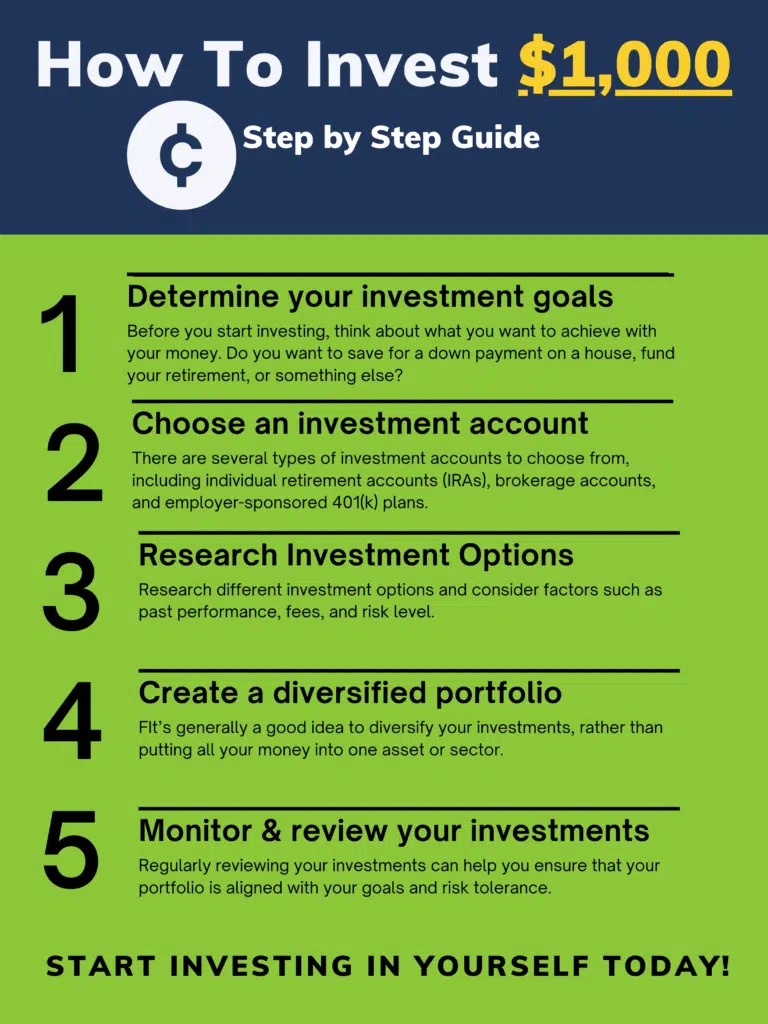
Investing without a goal is like sailing without a map. Are you investing for a down payment on a home, a child’s education, or a comfortable retirement? Each of these goals requires a different strategy. Short-term goals (under 3 years) should generally be kept in low-risk, liquid assets like high-yield savings accounts. Long-term goals (10+ years) are better suited for growth-oriented assets like equities. By defining your “why,” you can better determine the “how” of your investment strategy.
2. Navigating Core Investment Vehicles
Once the foundation is set, the next step is to choose the vehicles that will carry you toward your financial goals. Historically, three primary asset classes have served as the pillars of wealth creation: stocks, bonds, and real estate.
The Stock Market: Ownership and Capital Appreciation
Buying a stock means buying a piece of a business. When the company grows and becomes more profitable, the value of your share increases—this is known as capital appreciation. Many companies also distribute a portion of their profits to shareholders in the form of dividends, providing a steady stream of passive income. While individual stocks offer the highest potential for returns, they also carry the highest risk. To mitigate this, many investors choose diversified funds rather than picking single companies.
Bonds and Fixed-Income Assets
Bonds represent a different relationship: you are acting as the lender. When you buy a bond, you are essentially loaning money to a government or a corporation for a set period in exchange for regular interest payments (coupons) and the return of your principal at the end of the term. Bonds are generally considered safer than stocks and serve as a “cushion” during market volatility. They provide a predictable income stream, though their growth potential is usually lower than that of equities.
Real Estate: Physical Assets and REITs
Real estate has long been a favorite for wealth builders because it offers both rental income and potential appreciation in property value. However, physical real estate requires significant capital and active management. For those who want exposure to property without the hassle of being a landlord, Real Estate Investment Trusts (REITs) are an excellent alternative. REITs are companies that own or finance income-producing real estate and are traded on stock exchanges like regular stocks, providing liquidity and diversification.
3. Modern Strategies and Alternative Investments
In the 21st century, the landscape of investing has expanded beyond traditional stocks and bonds. Technological advancements and new financial instruments have democratized access to markets that were once reserved for the wealthy.
Low-Cost Index Funds and ETFs
For the average investor, trying to “beat the market” by picking winning stocks is notoriously difficult. Instead, many financial experts recommend “joining the market” through index funds or Exchange-Traded Funds (ETFs). These funds track a specific index, such as the S&P 500, providing instant diversification across hundreds of companies. Because they are passively managed, they have much lower fees than actively managed mutual funds, ensuring that more of your money stays in your pocket rather than going to fund managers.
The Rise of Digital and Alternative Assets
The advent of blockchain technology has introduced cryptocurrencies and digital assets into the mainstream. While highly volatile and speculative, some investors allocate a small percentage of their portfolio to Bitcoin or Ethereum as a “high-risk, high-reward” play. Beyond crypto, alternative investments also include commodities (like gold or oil), private equity, and venture capital. These assets often have a low correlation with the stock market, meaning they can provide a hedge when traditional markets are struggling.
Investing in Yourself and Your Business
One of the most overlooked ways to “invest money to make money” is investing in your own earning potential. This could mean pursuing an advanced degree, obtaining professional certifications, or launching a side hustle. The return on investment (ROI) for a new skill that increases your salary can often far exceed the returns of the stock market. Furthermore, starting a business allows you to control the levers of growth, potentially creating a significant asset that can eventually be sold or used to generate passive cash flow.
4. Strategic Portfolio Management and Maintenance
Investing is not a “set it and forget it” activity. To ensure long-term success, an investor must actively manage their portfolio to respond to life changes and market shifts while avoiding the traps of emotional decision-making.
The Importance of Asset Allocation and Diversification
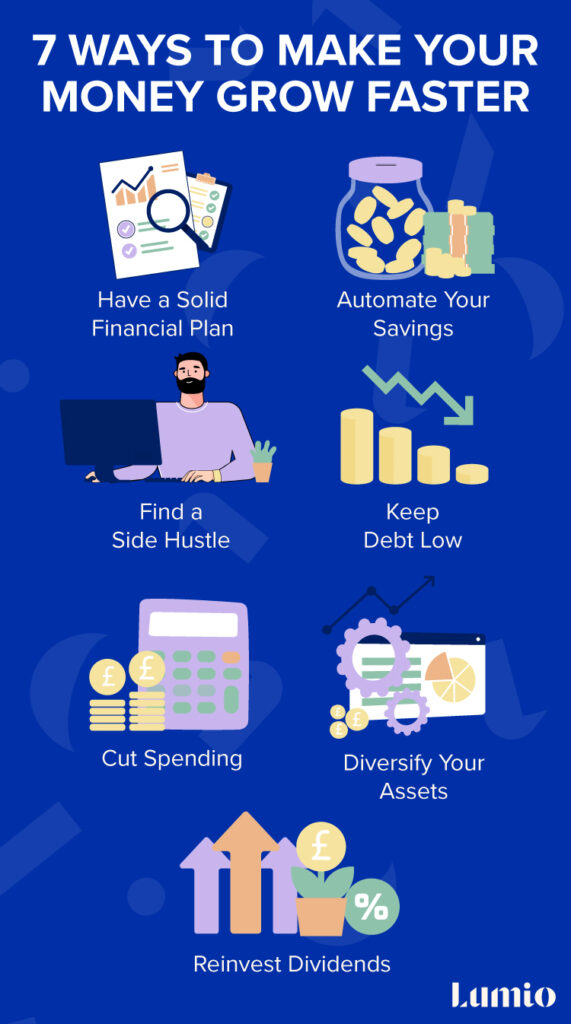
Asset allocation is the process of deciding how much of your money goes into stocks, bonds, and other categories. It is arguably the most important decision an investor makes. Diversification—the practice of spreading your investments across various industries and geographies—further reduces risk. If one sector, such as technology, experiences a downturn, a diversified portfolio with exposure to healthcare, energy, and consumer goods will be less severely impacted. As the saying goes, “don’t put all your eggs in one basket.”
Periodic Rebalancing for Long-Term Success
Over time, different investments grow at different rates. If your target allocation was 60% stocks and 40% bonds, a strong year for the stock market might leave you with 75% stocks. This means you are now taking more risk than you originally intended. Rebalancing is the process of selling some of your “winners” and buying more of your “underperformers” to return to your original target. While it may feel counterintuitive to sell assets that are doing well, rebalancing forces you to buy low and sell high, reinforcing a disciplined investment cycle.
Tax-Advantaged Accounts and Fiscal Efficiency
It’s not just about how much you make; it’s about how much you keep. Using tax-advantaged accounts like 401(k)s, IRAs (Individual Retirement Accounts), or HSAs (Health Savings Accounts) can significantly boost your long-term returns. These accounts offer either tax-deferred growth or tax-free withdrawals, depending on the structure. Additionally, being mindful of capital gains taxes and using strategies like tax-loss harvesting can help minimize the “tax drag” on your portfolio, allowing your wealth to compound more efficiently.
Conclusion: The Path Forward
Investing to make money is a marathon, not a sprint. It requires a blend of education, discipline, and the courage to stay the course when markets become volatile. By focusing on the fundamentals—starting early, diversifying your assets, and minimizing fees—you create a framework for financial success.
The most important step is often the first one. You do not need thousands of dollars to begin; with the rise of fractional shares and no-fee brokerage apps, you can start with as little as $5. The key is to develop the habit of consistent investing. As your knowledge grows and your capital accumulates, you will find that the goal of making your money work for you is not just a dream, but a reachable reality. Focus on the long term, ignore the short-term noise, and let the dual forces of time and compounding build the wealth you deserve.
aViewFromTheCave is a participant in the Amazon Services LLC Associates Program, an affiliate advertising program designed to provide a means for sites to earn advertising fees by advertising and linking to Amazon.com. Amazon, the Amazon logo, AmazonSupply, and the AmazonSupply logo are trademarks of Amazon.com, Inc. or its affiliates. As an Amazon Associate we earn affiliate commissions from qualifying purchases.