
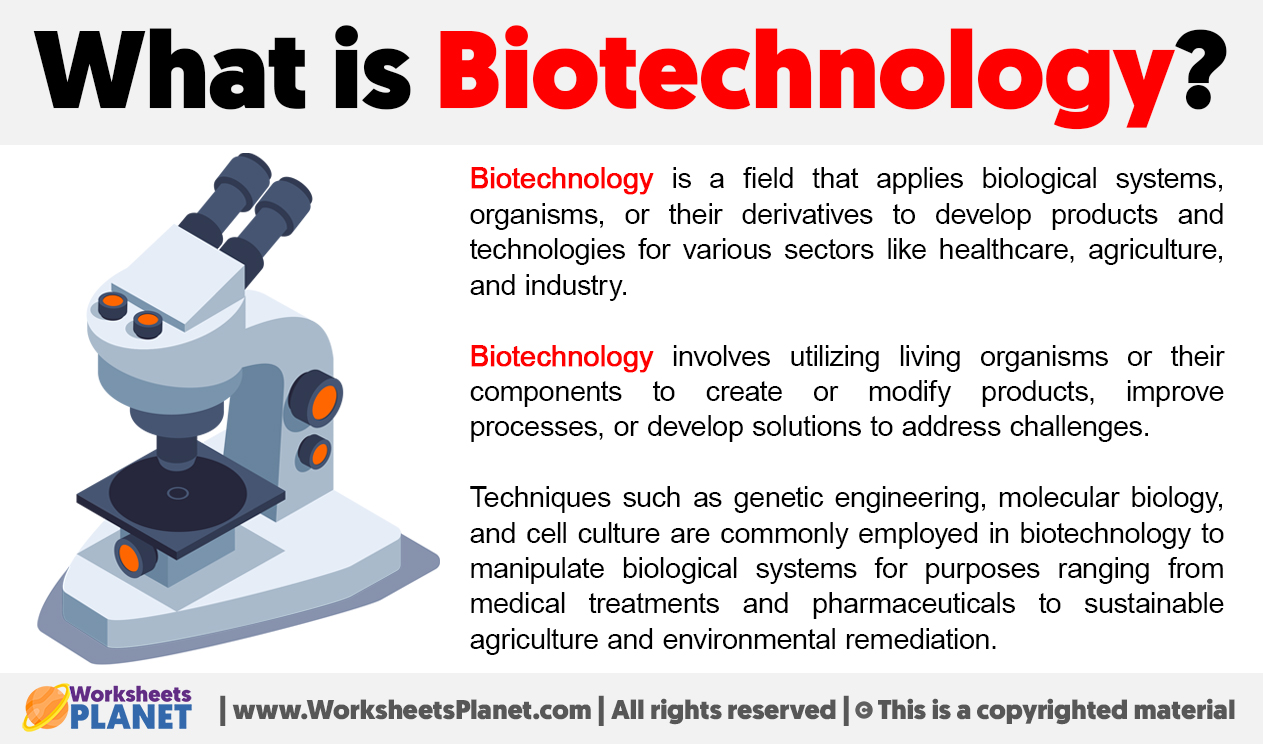
Biotechnology represents one of the most significant technological shifts of the 21st century. While the term may evoke images of sterile laboratories and microscopes, modern biotechnology is increasingly a digital pursuit—a convergence of biological sciences and high-performance computing, artificial intelligence, and sophisticated engineering. At its core, biotechnology is the use of living systems and organisms to develop products or technologies that improve our lives and the health of our planet.
In the contemporary tech landscape, biotechnology has evolved from basic fermentation and selective breeding into a complex suite of tools including gene editing, synthetic biology, and bioinformatics. By treating biological systems as “programmable” entities, researchers and engineers are solving some of the world’s most pressing challenges. This article explores the primary technological applications of biotechnology, categorized by their impact on medicine, industry, and the digital frontier.
1. The Digital Revolution in Bio-Tech: AI and Data Integration
The most profound shift in biotechnology over the last decade has been its integration with information technology. We are no longer just observing biology; we are simulating and predicting it using massive datasets and algorithmic modeling.
AI-Driven Drug Discovery
Traditionally, bringing a new drug to market took over a decade and cost billions of dollars, with a high rate of failure. Technology is changing this through AI-driven drug discovery. Machine learning algorithms can now screen millions of chemical compounds against digital models of viral or bacterial proteins to see which might “fit.” This predictive modeling allows tech-heavy biotech firms to narrow down potential candidates in weeks rather than years. Companies are now using deep learning to predict how new drugs will interact with the human body, significantly reducing the need for early-stage animal testing and accelerating the path to clinical trials.
Bioinformatics and Big Data
The human genome consists of over three billion base pairs. Analyzing this amount of data is a task far beyond human capability, requiring sophisticated bioinformatics—the use of software tools to understand biological data. By applying high-performance computing to genomics, scientists can identify patterns that link specific genetic sequences to diseases. This “Tech-Bio” approach allows for the cataloging of genetic variations across global populations, providing a massive database that informs everything from evolutionary biology to the development of targeted therapies for rare conditions.
Computational Protein Folding
One of the greatest “Grand Challenges” in biology was predicting how a protein’s amino acid sequence determines its three-dimensional shape—a shape that dictates its function. In a landmark achievement for technology, AI systems like DeepMind’s AlphaFold have essentially “solved” this problem. By using neural networks to predict protein structures with incredible accuracy, biotechnology has gained a powerful tool for designing new enzymes, understanding diseases like Alzheimer’s, and creating novel materials that do not exist in nature.
2. Programmable Life: Genetic Engineering and CRISPR
In the realm of modern technology, “coding” is no longer restricted to Python or C++. With the advent of advanced gene-editing tools, we are effectively learning to code in the language of DNA.
CRISPR-Cas9: The Code Editor for Life
CRISPR-Cas9 is perhaps the most famous technological breakthrough in modern biology. It acts as a pair of molecular scissors, guided by a specific “search” string of RNA to find a precise location in a genome and snip the DNA. This allows engineers to “delete” faulty genes or “paste” in functional ones. From a tech perspective, CRISPR is a platform technology—it provides a standardized way to edit the biological operating system of plants, animals, and humans. Current applications include engineering immune cells to recognize and destroy cancer (CAR-T therapy) and treating hereditary blindness.
Synthetic Biology and Bio-Foundries
Synthetic biology takes genetic engineering a step further by applying engineering principles to biology. Instead of just tweaking existing organisms, “SynBio” aims to design and construct new biological parts, devices, and systems. This has led to the rise of “bio-foundries”—highly automated laboratories where robots and software handle the assembly of DNA sequences. These foundries function like silicon chip manufacturing plants, but instead of circuits, they produce engineered microbes that can manufacture insulin, biofuels, or even specialized flavors and fragrances for the food industry.
Gene Drives and Environmental Engineering
Biotechnology is also being used as a tool for environmental management. Through “gene drives,” tech-enabled genetic traits can be pushed through a population faster than through standard inheritance. This technology is being explored to combat vector-borne diseases; for example, engineering mosquitoes so they cannot carry malaria or so their offspring are primarily male, eventually crashing the local population of disease-carriers. While ethically complex, the technical capability represents a massive leap in our ability to manage ecosystems.
3. Advanced Diagnostics and High-Tech Medical Monitoring
The intersection of hardware, software, and biology has birthed a new generation of diagnostic tools that are more precise, portable, and interconnected than ever before.
Next-Generation Sequencing (NGS)
The first human genome took 13 years and $2.7 billion to sequence. Today, thanks to Next-Generation Sequencing technology, it can be done in a day for under $1,000. NGS technology uses high-speed imaging and fluidics to read millions of small fragments of DNA simultaneously. This technological leap has moved genomics from the research lab to the clinic. Doctors can now use “liquid biopsies”—simple blood tests that look for fragments of tumor DNA—to detect cancer at its earliest, most treatable stages, long before it shows up on an MRI or CT scan.
Biosensors and Wearable Health Tech
The next frontier of the “Internet of Things” (IoT) is the “Internet of Bodies.” Biotechnology is being integrated into wearable sensors that monitor much more than just heart rate or steps. Modern biosensors use engineered enzymes or antibodies to monitor glucose levels, lactate, and even cortisol (stress hormones) in real-time. This data is then synced to smartphone apps, providing a continuous stream of biological data that allows for “predictive maintenance” of the human body, similar to how industrial sensors monitor factory machinery.
Point-of-Care Diagnostics
Technology has enabled the miniaturization of complex lab tests into “lab-on-a-chip” devices. These portable diagnostic tools use microfluidics—the manipulation of tiny amounts of fluids on a chip—to perform rapid tests for infectious diseases like COVID-19, HIV, or malaria in remote areas without access to centralized hospitals. This democratization of biotechnology is a vital trend in global health tech, ensuring that advanced diagnostics are available at the point of need.
4. Industrial Biotech: The Shift to Sustainable Tech
Biotechnology is not only about health; it is a critical component of the “Green Tech” movement, providing sustainable alternatives to traditional manufacturing and chemical processing.
Bio-Manufacturing and Circular Economy
Traditional chemical manufacturing often requires high heat, high pressure, and toxic solvents. Industrial biotechnology uses enzymes and microorganisms as “micro-factories” to produce chemicals, plastics, and textiles at ambient temperatures with much lower energy inputs. This technological shift is essential for the “circular economy.” For instance, companies are now using engineered microbes to turn carbon emissions from steel mills into ethanol, or to break down plastic waste into its original chemical building blocks so it can be infinitely recycled.
AgriTech and CRISPR-Enhanced Crops
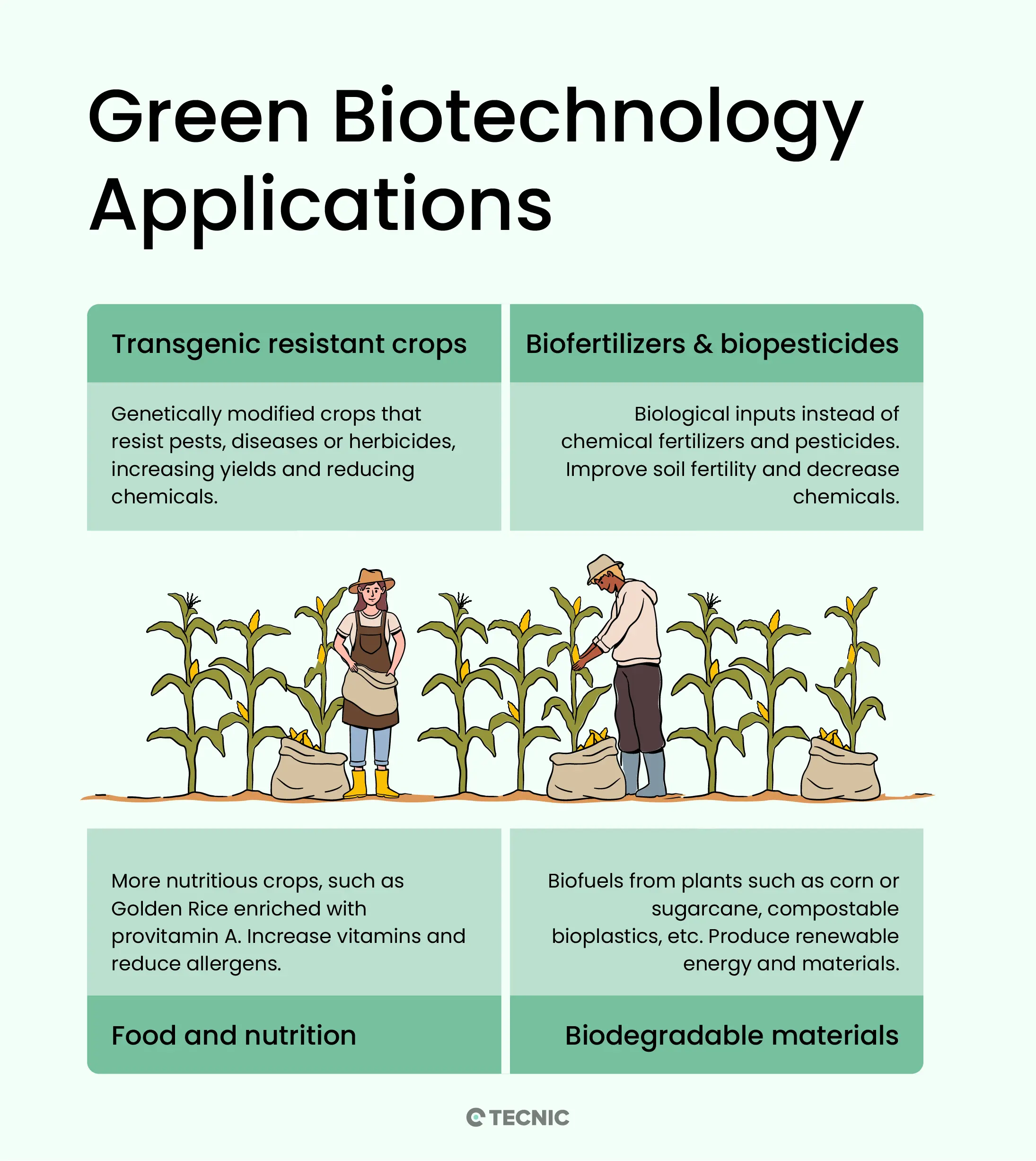
In the face of climate change, biotechnology is being used to harden our food systems. Modern AgriTech uses gene editing to create crops that are resistant to drought, heat, and pests without the need for heavy chemical pesticides. Beyond simple resistance, biotechnology is being used to enhance the nutritional profile of foods—such as rice with added Vitamin A—and to develop perennial versions of annual crops, which could significantly reduce the carbon footprint of global agriculture by minimizing tilling and soil erosion.
Bioplastics and Novel Materials
The tech industry is increasingly looking toward bio-based materials to solve the plastic crisis. Biotechnology allows us to engineer bacteria to produce polymers like PHA (polyhydroxyalkanoates), which have properties similar to petroleum-based plastics but are fully biodegradable in marine and soil environments. Additionally, “mycelium tech” uses the root structures of mushrooms to grow sustainable alternatives to leather and packaging foam, providing a high-tech, low-impact solution for the fashion and logistics industries.
The Future: The Convergence of Bio and Tech
As we look toward the future, the boundaries between biotechnology and other tech sectors will continue to blur. We are seeing the emergence of DNA data storage, where the incredible density and longevity of DNA are used to store massive amounts of digital information—potentially solving the global data storage crisis. We are also seeing the rise of “Organ-on-a-Chip” technology, where microchips lined with living human cells mimic the functions of entire organs, providing a high-tech platform for testing new drugs without human subjects.
Biotechnology is no longer a peripheral field; it is the fundamental infrastructure for a new era of innovation. By treating the biological world with the same precision and scalability as the digital world, we are unlocking a future where medicine is personalized, manufacturing is sustainable, and the very building blocks of life are used to build a better, more technologically advanced society. Whether it is through the lens of AI, CRISPR, or industrial bio-foundries, the use of biotechnology is defining the next great leap in human capability.
aViewFromTheCave is a participant in the Amazon Services LLC Associates Program, an affiliate advertising program designed to provide a means for sites to earn advertising fees by advertising and linking to Amazon.com. Amazon, the Amazon logo, AmazonSupply, and the AmazonSupply logo are trademarks of Amazon.com, Inc. or its affiliates. As an Amazon Associate we earn affiliate commissions from qualifying purchases.