
For decades, the beverage aisle has presented consumers with a curious conundrum: two seemingly similar products, Diet Coke and Coca-Cola Zero Sugar (originally Coke Zero), both promising a sugar-free cola experience. While their core function is identical—to deliver the iconic Coca-Cola taste without the caloric burden of sugar—their existence side-by-side is a masterclass in brand differentiation, market segmentation, and strategic portfolio management. This isn’t merely about ingredients; it’s a profound study in how a global giant like The Coca-Cola Company crafts distinct brand identities, targets diverse demographics, and adapts its messaging to shifting consumer perceptions and health trends.
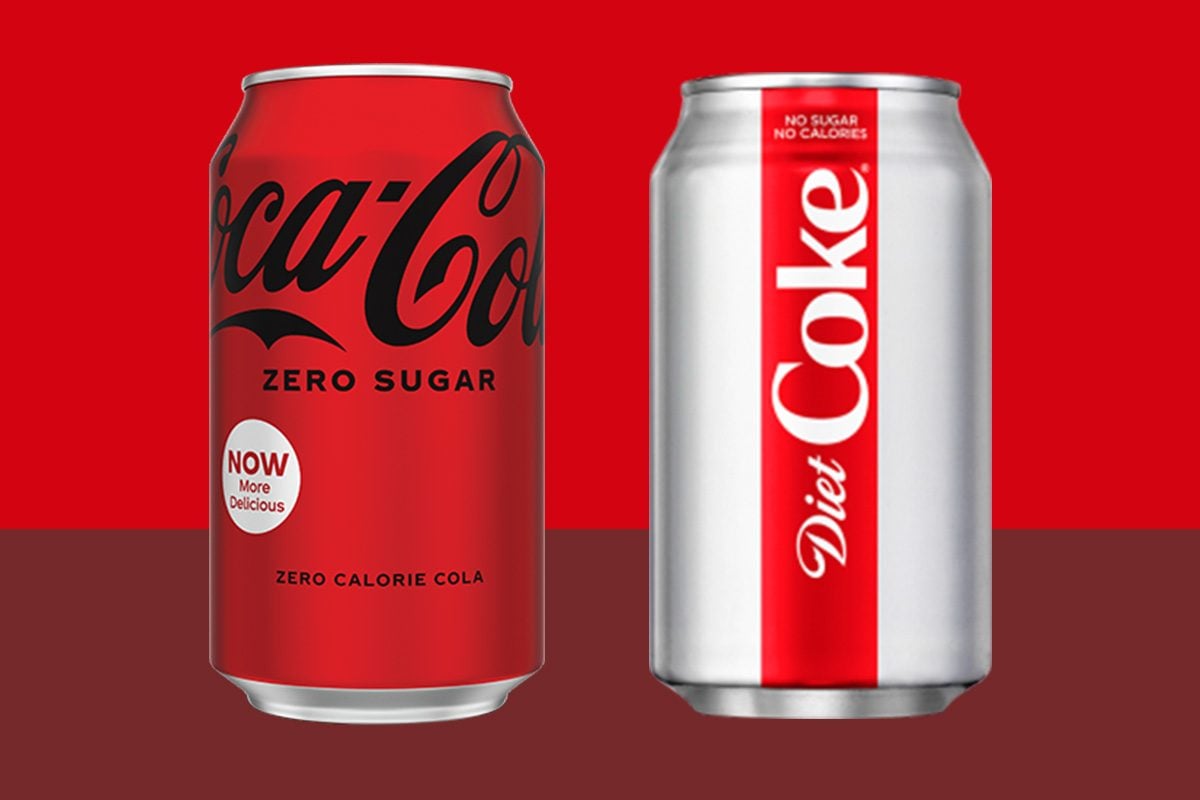
This article will dissect the strategic rationale behind the coexistence of these two products, exploring the branding decisions, marketing narratives, and target audiences that have shaped their individual journeys and contributed to Coca-Cola’s overarching dominance in the beverage market.
The Genesis of Distinction: Understanding Coca-Cola’s Portfolio Expansion
Coca-Cola’s decision to introduce multiple sugar-free cola options was never accidental; it was a calculated move to expand its market reach and cater to nuanced consumer demands. Each product emerged from a specific historical and cultural context, imbued with distinct brand personalities from its inception.
Diet Coke: A Pioneer in the Low-Calorie Segment
Launched in 1982, Diet Coke was a trailblazer in the burgeoning low-calorie beverage market. Its introduction marked a significant departure for The Coca-Cola Company, as it was the first extension of the Coca-Cola trademark that didn’t directly use the “Coke” name, opting instead for “Diet Coke.” This strategic naming allowed it to forge its own identity, separate yet related to the original Coca-Cola.
The initial branding of Diet Coke was sophisticated, light, and often associated with fashion, lifestyle, and a more mature, predominantly female demographic. Its sleek silver cans and bottles, distinct from the classic red of Coca-Cola, communicated a sense of modernity and conscious choice. Diet Coke’s marketing campaigns frequently featured stylish individuals enjoying the beverage, positioning it as an accessory to a contemporary, health-aware lifestyle rather than just a soda substitute. The focus was on calorie reduction, tapping into the diet craze of the era, and offering a sweet indulgence without guilt. Its taste profile, distinct from classic Coke, quickly garnered a loyal following who appreciated its unique flavor.
Coke Zero (now Zero Sugar): A New Era of “Real Coke Taste”
Two decades later, in 2005, The Coca-Cola Company unveiled Coke Zero (later rebranded to Coca-Cola Zero Sugar). This launch was a direct response to a perceived gap in the market and a shift in consumer attitudes. While Diet Coke was successful, research indicated that many consumers, particularly men, found the “diet” label unappealing, associating it with femininity or a compromise in taste. They wanted the full, bold taste of Coca-Cola, but without the sugar.
Coke Zero was designed to address this directly. Its core promise was “real Coke taste, zero sugar.” The branding was deliberately masculine, bold, and modern. Its black packaging, often featuring prominent red accents, evoked a sense of power and directness, aligning it more closely with the iconic visual identity of original Coca-Cola. Marketing campaigns for Coke Zero often emphasized the indistinguishable taste from regular Coke, challenging consumers to “try it and see.” It targeted younger consumers and men who might have shied away from Diet Coke, offering them a “no compromise” sugar-free option that felt less like a diet product and more like the authentic Coca-Cola experience. This was a clear strategy to prevent cannibalization of Diet Coke by appealing to a different psychological and demographic segment.
Deconstructing the Brand Architecture: Messaging, Design, and Target Audiences
The genius of Coca-Cola’s strategy lies in its meticulous construction of distinct brand architectures for Diet Coke and Coke Zero Sugar, allowing them to thrive simultaneously in the competitive beverage landscape.
Divergent Brand Personalities and Visual Identities
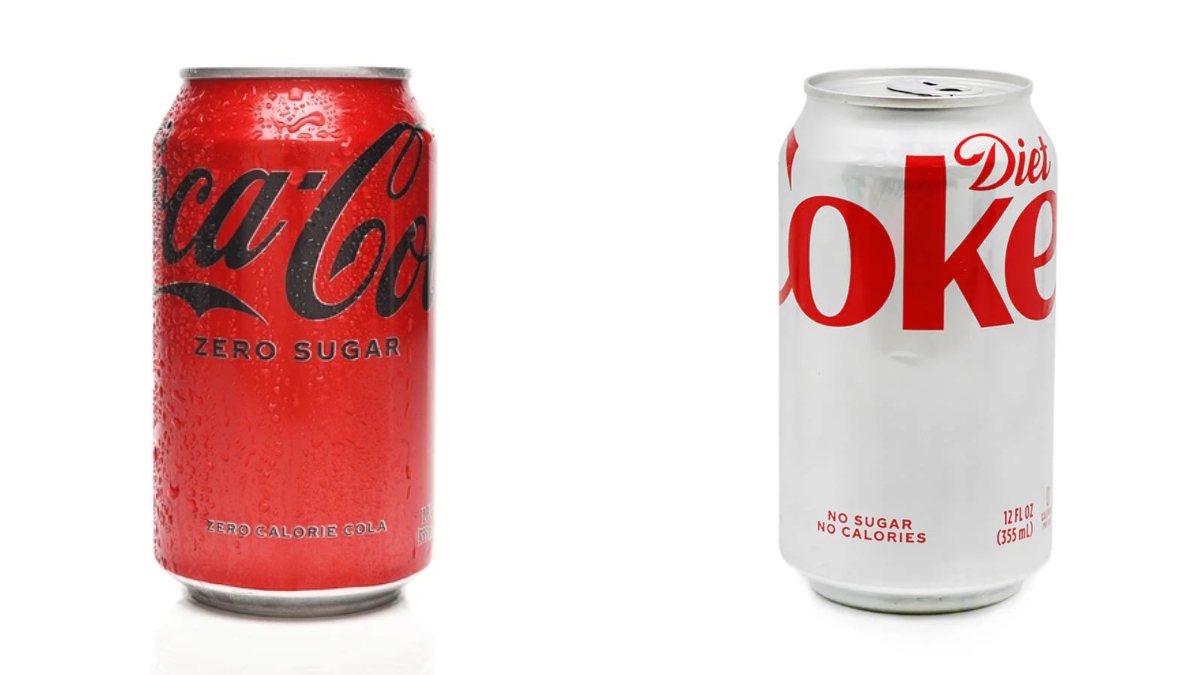
The visual identities of Diet Coke and Coca-Cola Zero Sugar are perhaps the most immediate indicators of their intended brand personalities. Diet Coke consistently employs a sleek, elegant silver backdrop, often paired with red or black lettering. This color scheme, along with its often-slimmer packaging, conveys a sense of lightness, sophistication, and a more refined aesthetic. Its visual language often aligns with fashion and art, reinforcing its lifestyle-oriented positioning. The typography for “Diet Coke” is often more fluid or classic, subtly differentiating it from the robust, blockier font of the original Coke logo.
In contrast, Coca-Cola Zero Sugar primarily utilizes a strong black color palette, punctuated by the classic Coca-Cola red. This combination is assertive, bold, and aims to communicate strength and directness. The use of the exact Coca-Cola Spencerian script and the familiar red disc on black packaging for Coke Zero Sugar (especially after its rebranding) served to visually underscore its promise of tasting “like Coke.” This visual consistency with the flagship product was paramount to its branding strategy, ensuring consumers associated it with the authentic taste, while the black distinguished its sugar-free nature. The brand message is less about lifestyle aspiration and more about direct taste satisfaction without compromise.
Marketing Narratives and Consumer Perception
The narratives woven into the marketing campaigns for each product further solidify their distinct identities. Diet Coke’s advertising often focuses on emotional connection, personal indulgence, and aspirational living. Campaigns might feature individuals enjoying a Diet Coke during a creative break, a social gathering, or a moment of personal reflection. The messaging frequently highlights the feeling of refreshment, unique taste, and its role in a balanced, modern lifestyle. It’s about a choice that complements one’s personal brand and values.
Coke Zero Sugar’s marketing, particularly in its early “Coke Zero” days, was built around challenging perceptions and directly addressing taste concerns. Its tagline, “Zero Sugar, Real Coca-Cola Taste,” was a direct shot at the idea that sugar-free meant sacrificing flavor. Campaigns often used humor, direct taste comparisons, and masculine imagery to attract a demographic that might have felt alienated by Diet Coke’s more refined image. The focus was on the product’s functional benefit (zero sugar) without compromising the experiential benefit (the iconic taste of Coke). The strategic move to rename it Coca-Cola Zero Sugar in 2017 was part of a global “One Brand” strategy, attempting to unify all Coca-Cola variants under the master brand while clearly communicating the zero-sugar benefit, subtly shifting the emphasis from “diet” to “sugar-free.”
The Evolving Target Demographics
From their inceptions, Diet Coke and Coke Zero Sugar were strategically designed to appeal to different demographic segments, although these lines have blurred over time. Diet Coke initially aimed at health-conscious women, particularly those in their 20s and 30s, who valued calorie control and a specific taste profile. Its association with fashion and pop culture further entrenched its appeal within this demographic.
Coke Zero Sugar, on the other hand, explicitly targeted men aged 18-34, who desired a sugar-free option but wanted to avoid the “diet” stigma. Its masculine branding and emphasis on “real Coke taste” successfully captured a segment that felt overlooked by Diet Coke. Over time, as perceptions of “diet” versus “zero sugar” evolved, and as the “One Brand” strategy gained traction, the company aimed for Coca-Cola Zero Sugar to appeal more broadly to anyone seeking the classic Coke taste without sugar, eventually becoming the primary sugar-free alternative. While Diet Coke retains its fiercely loyal customer base, its growth trajectory and marketing efforts have been re-evaluated in light of Coke Zero Sugar’s broader appeal.
The Strategic Rationale for Coexistence: Mitigating Cannibalization and Maximizing Market Share
The continued presence of both Diet Coke and Coca-Cola Zero Sugar, despite their overlapping core function, underscores a sophisticated brand strategy aimed at market maximization rather than direct competition.
Addressing Diverse Consumer Needs and Preferences
Despite the chemical similarities in their artificial sweeteners (both primarily use aspartame and acesulfame potassium), the perceptual differences between Diet Coke and Coca-Cola Zero Sugar are significant. Consumers often report distinct taste profiles—some prefer Diet Coke’s lighter, slightly tangy taste, while others find Coca-Cola Zero Sugar to be a closer replica of original Coca-Cola. These perceived taste differences are critical. For a brand, taste is highly personal, and offering even subtly different options allows Coca-Cola to cater to a wider spectrum of palates.
Beyond taste, the emotional and psychological associations with each brand are profound. Diet Coke represents a legacy, a familiar comfort for its long-time adherents. It evokes a sense of established choice and personal identity for many. Coca-Cola Zero Sugar, however, offered a fresh start, untainted by the historical connotations of “diet,” appealing to those who prioritized a perceived authenticity of taste without the sugar. This segmentation based on nuanced preferences and psychological triggers allows Coca-Cola to capture market share from consumers who would otherwise choose a competitor’s sugar-free option.
Adapting to Changing Health Trends and Consumer Sentiments
The landscape of health and wellness has dramatically shifted since Diet Coke’s launch. The term “diet” has, for many, acquired negative connotations, often associated with restrictive eating, artificiality, or a perceived lack of efficacy. Consumers increasingly gravitate towards “sugar-free” or “zero sugar” labels, which are seen as more transparent, direct, and less prescriptive.
Coca-Cola’s rebranding of Coke Zero to Coca-Cola Zero Sugar was a direct strategic response to this evolving consumer sentiment. It clarified the product’s benefit and aligned it with contemporary preferences for explicit “zero sugar” claims. While Diet Coke still holds a powerful nostalgic pull and a dedicated customer base, the strategic emphasis has clearly shifted towards the “Zero Sugar” nomenclature across the Coca-Cola portfolio, signaling a long-term adaptation to market trends and a proactive approach to maintaining relevance. This ensures that the company remains competitive, especially against newer, more health-conscious beverage entrants.
Brand Refresh and Consolidation: The “Zero Sugar” Era
The “One Brand” strategy, launched globally by Coca-Cola, sought to unite all variants—Coca-Cola, Coca-Cola Life, Diet Coke, and Coca-Cola Zero Sugar—under the iconic Coca-Cola master brand. This move aimed to leverage the equity of the original Coca-Cola and simplify consumer choice, while using color and specific descriptors (e.g., “Zero Sugar”) to differentiate between the variants.
Within this strategy, Coca-Cola Zero Sugar has been positioned as the primary sugar-free option that tastes most like the original. This strategic consolidation means that while Diet Coke continues to exist for its loyalists, the company’s main marketing push for a “no sugar” alternative is increasingly focused on Coca-Cola Zero Sugar. This allows for a more streamlined global marketing message and better resource allocation, ensuring that the company’s most modern sugar-free offering is prominently featured and continuously innovated.
Lessons in Brand Portfolio Management and Differentiation
The saga of Diet Coke and Coca-Cola Zero Sugar offers invaluable lessons for any brand navigating a complex market with multiple, seemingly similar products.
The Power of Perception Over Product Parity
Perhaps the most profound lesson is that in branding, perception often trumps objective reality. Despite having very similar chemical compositions and serving the same basic need, the meticulously crafted brand narratives, visual identities, and targeted marketing campaigns created two distinct products in the minds of consumers. The “difference” wasn’t just in a subtle flavor variation, but in what each brand represented—lifestyle versus authentic taste, heritage versus modernity, a feminine appeal versus a masculine one. This highlights that a strong brand can create unique value propositions even when product functionality is largely equivalent.
Navigating Brand Evolution in a Dynamic Market
Coca-Cola’s journey with these two brands demonstrates the critical importance of continuous adaptation. From launching Diet Coke to pioneering Coke Zero, and then strategically rebranding to Coca-Cola Zero Sugar, the company has consistently responded to shifts in consumer preferences, health trends, and cultural norms. This agility, including the courage to make bold changes to established brands, is essential for long-term relevance and market leadership. Brands must be willing to evolve, refresh their messaging, and even re-engineer their portfolio to stay ahead of the curve.

The Art of Strategic Segmentation
Finally, the coexistence of Diet Coke and Coca-Cola Zero Sugar is a textbook example of effective market segmentation. By understanding the nuanced psychological and demographic profiles of different consumer groups, Coca-Cola successfully created two distinct brands that appealed to different desires without directly cannibalizing each other for an extended period. This strategic segmentation maximized overall market penetration, ensuring that almost every consumer looking for a sugar-free cola found an option that resonated with their personal brand, taste preference, or perception of “diet.” It’s about offering choice, but choice that is carefully curated to expand the brand’s footprint rather than dilute it.
In conclusion, the “difference” between Diet Coke and Coca-Cola Zero Sugar is a testament to the power of strategic branding. It’s not just about what’s in the can, but the story told, the perception built, and the specific consumer need met through meticulous design, marketing, and a deep understanding of human psychology. It stands as a compelling case study in how a brand can successfully navigate market complexities by offering distinct experiences within a unified portfolio.
aViewFromTheCave is a participant in the Amazon Services LLC Associates Program, an affiliate advertising program designed to provide a means for sites to earn advertising fees by advertising and linking to Amazon.com. Amazon, the Amazon logo, AmazonSupply, and the AmazonSupply logo are trademarks of Amazon.com, Inc. or its affiliates. As an Amazon Associate we earn affiliate commissions from qualifying purchases.