
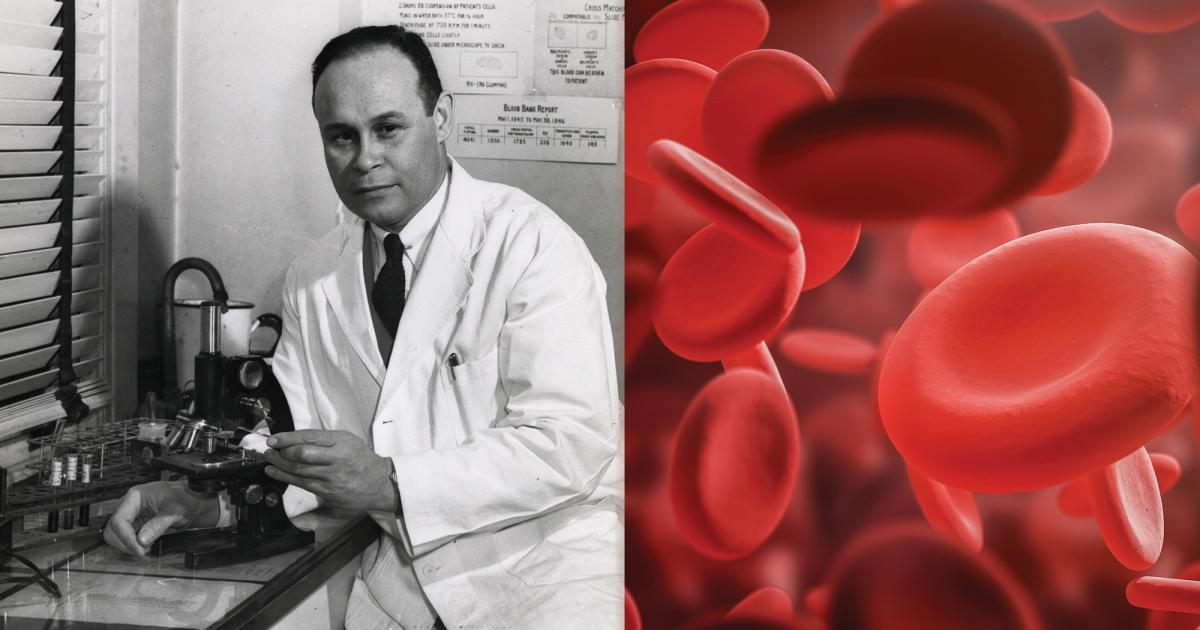
The name Dr. Charles Richard Drew often evokes an immediate sense of profound impact, yet the specifics of his groundbreaking contributions sometimes remain generalized. When we ask “what did Charles Drew invent?”, we are not talking about a single gadget or a patentable device in the conventional sense. Instead, Drew’s genius lay in the invention of systems, processes, and techniques that fundamentally transformed medical technology related to blood preservation and transfusion. His innovations were not merely incremental improvements; they were revolutionary advancements that built the very foundation of modern blood banking, saving millions of lives and shaping emergency medicine, surgery, and public health on a global scale. In the landscape of technological progress, Drew’s work stands as a towering example of how applied science and ingenious logistical design can create life-saving infrastructure.
The Critical Challenge of Blood Storage: A Pre-Drew Landscape
Before Dr. Charles Drew’s interventions, the medical world grappled with severe limitations regarding blood transfusions. The technology, or lack thereof, for storing blood made large-scale operations incredibly difficult and often impossible. Understanding this pre-Drew era is crucial to appreciating the magnitude of his inventions.
Early Blood Transfusion Limitations
For centuries, the idea of blood transfusion was fraught with danger and inefficiency. Even by the early 20th century, transfusions were primarily direct, meaning blood was transferred directly from a donor to a recipient, often in the same room. This was a cumbersome, time-sensitive, and resource-intensive process. Blood, once drawn, had a very short shelf life—just a matter of hours or, at best, a day or two before it would coagulate or become unusable due to bacterial contamination and cell degradation.
This short viability meant several critical problems:
- Immediate Donor-Recipient Matching: A compatible donor had to be found and brought to the patient immediately when a transfusion was needed, which was often impossible in emergency situations.
- Limited Availability: Blood could not be stockpiled or transported over long distances. Hospitals could not maintain a ready supply, severely limiting their capacity to handle multiple trauma cases or complex surgeries.
- Logistical Nightmares: In times of crisis, like wars, moving fresh blood to battlefronts was an insurmountable challenge, leading to preventable deaths from hemorrhage. The lack of a stable, accessible blood supply was a critical bottleneck in delivering effective medical care.
The Urgent Need for Innovation
As the world edged closer to World War II, the specter of massive casualties loomed large. Military strategists and medical professionals recognized that rapid and effective treatment for battlefield injuries would be paramount, and a reliable blood supply was at the top of the list of needs. The conventional methods were simply inadequate. The ability to collect, process, store, and transport blood efficiently and safely became a military and humanitarian imperative. This pressing need set the stage for Dr. Drew’s pioneering work. The demand wasn’t just for a way to give blood, but for a robust, scalable system to manage it – a technological challenge that transcended mere medical procedure and ventured into logistics and preservation science.
Dr. Charles Drew’s Groundbreaking Contributions to Medical Technology
Dr. Charles Drew, an exceptionally gifted surgeon and researcher, rose to this challenge, developing solutions that were nothing short of revolutionary. His “inventions” were not single devices but rather interconnected systems and methodologies that transformed blood from a fleeting resource into a storable, transportable, and life-saving commodity.
The Innovation of Blood Plasma Separation
Drew’s most significant and perhaps most lauded invention was his technique for the effective separation of blood plasma from red blood cells. He discovered that plasma, the liquid component of blood, could be stored for much longer periods than whole blood without deterioration. This was a monumental breakthrough.
- The Process: Drew devised and refined methods to centrifuge whole blood, separating the plasma from the cellular components. He then developed techniques to freeze-dry the plasma, converting it into a powdered form.
- Why it was Revolutionary:
- Extended Shelf Life: Dried plasma could be stored for months, even years, without refrigeration, far exceeding the lifespan of whole blood.
- Universal Compatibility: Unlike whole blood, which requires precise ABO blood group matching, plasma could be given to patients of any blood type, making it a universal treatment for shock and hemorrhage when whole blood wasn’t available or compatible.
- Portability: The dried plasma powder could be easily reconstituted with sterile water right on the battlefield or in remote hospitals, making it incredibly portable and practical for emergency use.
This innovation was the technological linchpin that unlocked the potential for widespread blood storage and deployment. It addressed the immediate problem of patient stabilization in situations of severe blood loss, where restoring blood volume was critical.
Developing the First Large-Scale Blood Banks
Beyond the scientific method of plasma separation, Drew’s genius extended to the systematization of blood collection and storage. He essentially invented the modern blood bank as a practical, operational entity.
- Standardized Procedures: Drew established rigorous protocols for blood collection (aseptic techniques, anticoagulant use), processing (plasma separation, drying), storage, and distribution. These standards ensured the safety, efficacy, and consistency of blood products.
- The First Blood Bank Programs: In 1940, Drew was appointed medical director of the Blood Plasma Project for Great Britain, which aimed to provide desperately needed plasma to British soldiers and civilians. He organized a massive campaign to collect blood from thousands of donors in New York City, processed it, and shipped vast quantities of dried plasma across the Atlantic. This was arguably the first large-scale, centrally managed blood banking system.
- Leadership and Organization: His organizational prowess was critical. He managed the logistics, trained staff, and oversaw the entire process, demonstrating that large-scale blood procurement and processing were not just scientifically possible but also operationally feasible.
The Creation of Blood Plasma “Banks”
Drew’s work wasn’t just about individual units of plasma; it was about creating reservoirs of life-saving material. The concept of a “blood bank” as a physical repository of processed blood products, ready for immediate use, largely stems from his efforts.
- Mass Production and Supply Chain: He designed the framework for a system that could handle blood collection from a civilian population, process it industrially, and then manage its inventory and distribution to military and civilian hospitals. This was a sophisticated logistical operation, akin to a modern supply chain, but for a highly perishable biological product.
- “Blood for Britain”: His successful leadership of the “Blood for Britain” project demonstrated the viability of creating national blood plasma reserves. This effort was a blueprint for similar initiatives, including those later developed by the American Red Cross for U.S. troops during WWII.
The Impact and Legacy of Drew’s Technological Innovations
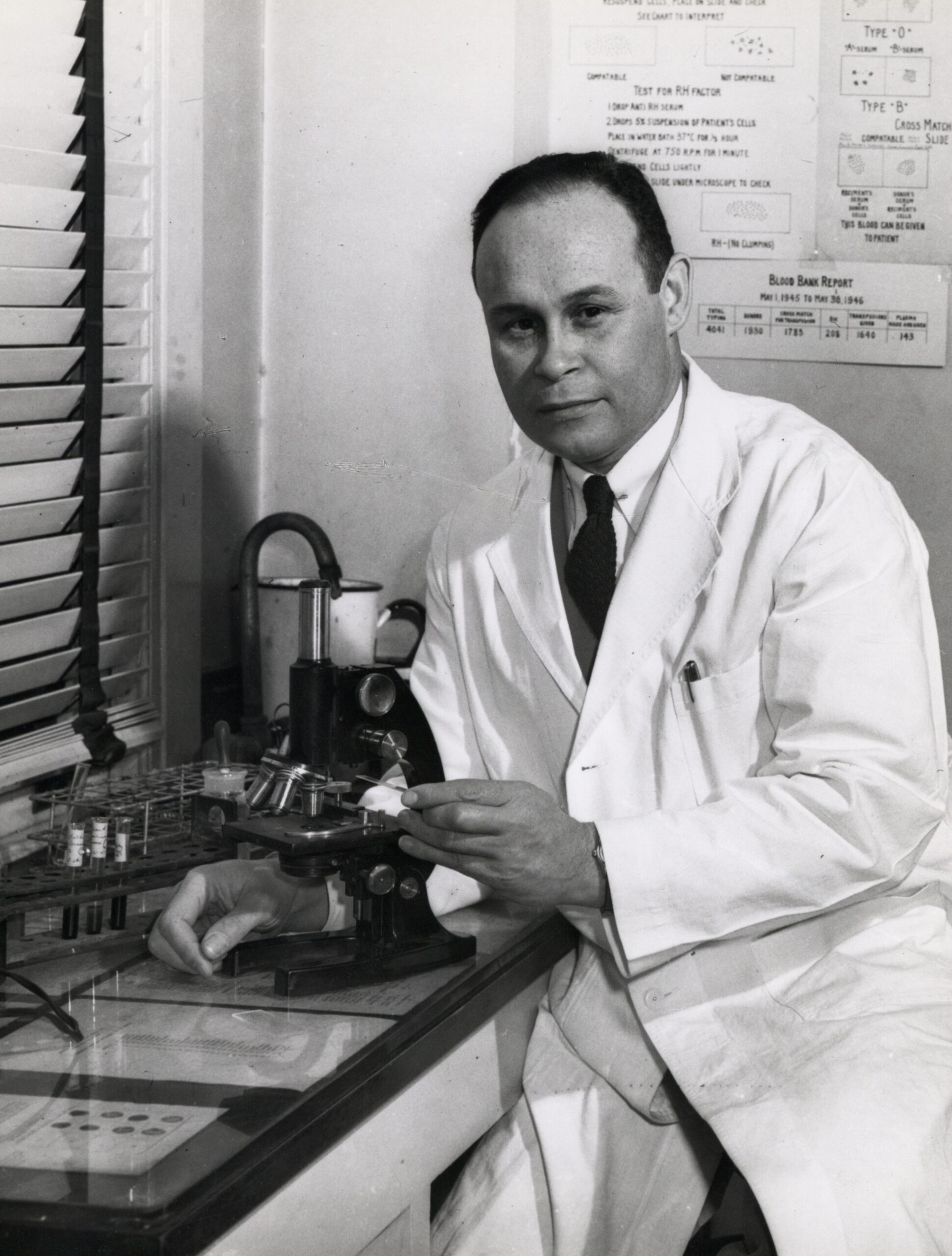
The ripple effect of Dr. Charles Drew’s work was immediate and profound, transforming medical practice and saving countless lives. His inventions—the methods, systems, and organizational frameworks—became universal standards, demonstrating the power of technological advancement in healthcare.
Saving Lives on an Unprecedented Scale
Drew’s blood plasma technology literally changed the course of medical care during World War II.
- Battlefield Medicine: Dried plasma became indispensable on the front lines. Soldiers suffering from severe blood loss or shock could receive immediate transfusions of plasma, stabilizing them until whole blood or more definitive care could be provided. This dramatically reduced mortality rates among the wounded.
- Emergency Care: The ability to rapidly administer a universally compatible product like plasma meant that precious time was saved in emergency situations, both military and civilian. It was a critical bridge to survival.
- Global Impact: The methods developed by Drew were quickly adopted by medical services worldwide, becoming a cornerstone of modern military and civilian emergency medicine.
The Foundation of Modern Transfusion Medicine
The systems and techniques pioneered by Drew were not temporary solutions; they became the enduring global standard for blood banking.
- Standard Operating Procedures: The protocols he established for collection, processing, testing, and storage laid the groundwork for the meticulous procedures followed by blood banks today. Every unit of blood collected, processed, and stored in the 21st century owes a debt to Drew’s foundational work.
- Component Therapy: His work highlighted the utility of separating blood into its components (plasma, red cells). This concept evolved into modern component therapy, where patients receive only the specific blood components they need (e.g., packed red cells for anemia, platelets for clotting disorders), optimizing resources and improving patient outcomes.
- Research Catalyst: Drew’s work spurred further research into blood preservation, extending shelf life even further, improving safety, and discovering new blood components and therapies.
Beyond the Battlefield: Civilian Healthcare Transformation
The innovations born out of wartime necessity quickly transitioned to civilian medical practice, revolutionizing everyday healthcare.
- Enabling Complex Surgeries: The availability of readily accessible blood and plasma made complex surgical procedures, which often involve significant blood loss, safer and more routine. Open-heart surgery, organ transplants, and extensive trauma surgeries would be far riskier without modern blood banking.
- Treating Trauma and Disease: From accident victims to patients undergoing chemotherapy or suffering from chronic conditions like hemophilia, access to a reliable supply of blood products became a critical part of comprehensive medical care.
- Public Health Infrastructure: Blood banks became a vital part of national public health infrastructure, providing a continuous, safe supply of blood products essential for a functioning healthcare system.
Enduring Principles: Drew’s Influence on Contemporary Medical Tech
While Dr. Charles Drew’s primary work was nearly a century ago, the core principles underlying his “inventions” continue to inform and inspire advancements in contemporary medical technology. His legacy is not just historical; it is a living blueprint for innovation in biological preservation and healthcare logistics.
Principles of Preservation and Logistics
Drew’s focus on extending the viability of a biological product and creating a robust supply chain remains a central challenge in modern medical technology.
- Organ Donation and Transplantation: The same challenges Drew faced with blood—preservation, transport, and rapid matching—are now central to organ transplantation. Researchers continuously seek better methods to extend the “cold ischemia time” of organs, mimicking Drew’s quest for longer blood product shelf life.
- Vaccine and Pharmaceutical Storage: The need for stable, long-term storage and efficient distribution of temperature-sensitive biologicals, from vaccines to advanced biopharmaceuticals, directly echoes Drew’s work with dried plasma. His principles inform cold chain management and lyophilization (freeze-drying) techniques used today.
- Biobanking: The concept of biobanks, which store vast quantities of human biological samples for research, owes much to the logistical and preservation models established by Drew. Managing these extensive collections requires similar standardization, tracking, and environmental control.
The Interdisciplinary Nature of Medical Innovation
Drew’s success was a testament to his ability to integrate scientific discovery with practical engineering and logistical planning. This interdisciplinary approach is a hallmark of modern medical technology development.
- From Lab to Clinic: Drew bridged the gap between basic scientific understanding (plasma properties) and real-world application (battlefield transfusions). Today, medical tech development relies heavily on collaboration between scientists, engineers, clinicians, and regulatory experts.
- System Design: His creation of an entire blood banking system—from donor recruitment to patient delivery—underscores the importance of holistic system design in healthcare technology, moving beyond individual devices to interconnected solutions.
- Data and Analytics: While not using modern data tools, Drew’s meticulous record-keeping and standardization set a precedent for the data-driven approaches now used to optimize blood bank operations, track inventory, and ensure product safety.
Ethical Considerations and Systemic Impact
Beyond the scientific and technological advancements, Drew’s journey highlights the complex interplay between technology, society, and ethics.
- Challenging Segregation: Tragically, despite his groundbreaking contributions, Drew encountered racial discrimination, famously resigning from the American Red Cross over its policy of segregating blood based on donor race—a policy he scientifically refuted as baseless. This stands as a stark reminder that even the most universally beneficial technologies can be marred by societal prejudices.
- Universal Access and Equity: Drew’s work implicitly championed the idea of universal access to life-saving medical resources. His fight against blood segregation resonates with contemporary efforts to ensure equitable access to new medical technologies and treatments, regardless of race, socio-economic status, or geography.
- Continuous Improvement for Safety: His emphasis on rigorous standards for blood processing laid the groundwork for ongoing efforts in blood safety, including screening for infectious diseases (HIV, Hepatitis), pathogen reduction technologies, and robust quality control systems, ensuring that today’s blood supply is safer than ever before.
Conclusion
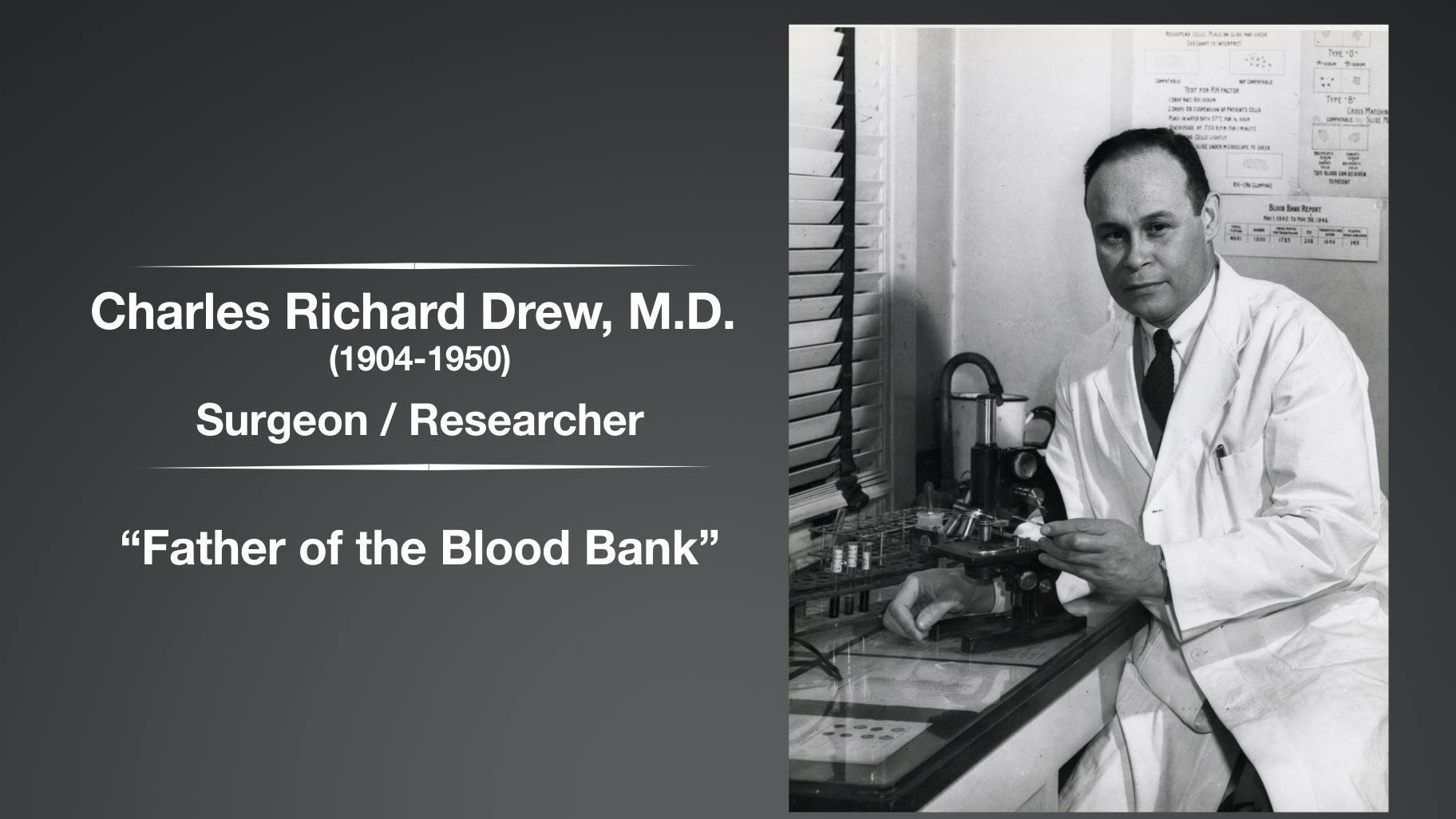
When we inquire “what did Charles Drew invent?”, the answer transcends a simple list of gadgets. He invented the system of modern blood banking, the process of long-term blood plasma preservation, and the organizational framework that enabled the widespread and safe use of blood products. His contributions were fundamentally technological—applied science combined with ingenious logistical design—that created an entirely new medical infrastructure.
Dr. Charles Richard Drew was a visionary whose work laid the bedrock for a critical branch of medical technology. His inventions were not confined to laboratories but spread across battlefields and into every hospital, transforming emergency medicine, making complex surgeries possible, and saving countless lives. His legacy continues to influence the preservation of biological materials, the design of medical supply chains, and the ethical considerations surrounding access to life-saving technologies, ensuring his pivotal role in shaping modern healthcare remains eternally relevant.
aViewFromTheCave is a participant in the Amazon Services LLC Associates Program, an affiliate advertising program designed to provide a means for sites to earn advertising fees by advertising and linking to Amazon.com. Amazon, the Amazon logo, AmazonSupply, and the AmazonSupply logo are trademarks of Amazon.com, Inc. or its affiliates. As an Amazon Associate we earn affiliate commissions from qualifying purchases.