
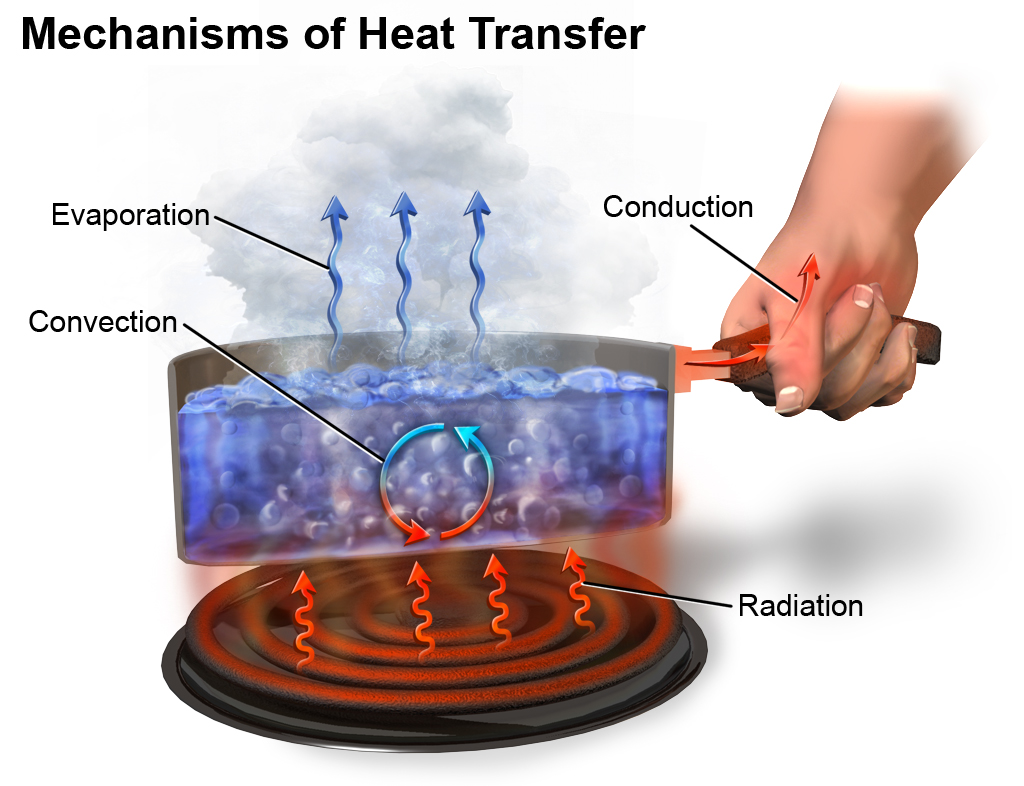
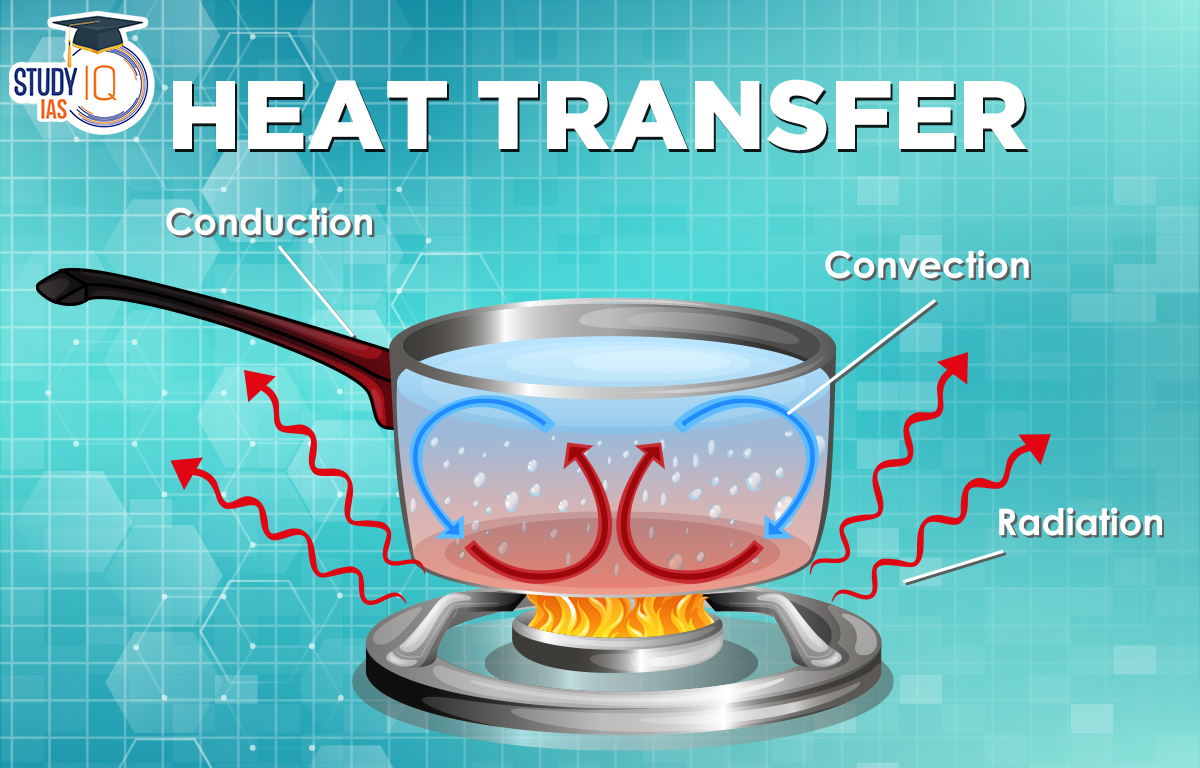
In an era defined by rapid technological advancement, from the miniaturization of powerful processors to the efficiency of sustainable energy systems, the invisible forces governing heat transfer play a foundational role. Understanding how energy moves through different mediums and spaces is not just a scientific curiosity; it is a critical discipline for engineers, designers, and innovators across every facet of the technology sector. Conduction, convection, and radiation are the three fundamental mechanisms by which thermal energy travels, dictating everything from the operational lifespan of a smartphone to the successful deployment of a satellite in orbit. Far from being mere physics concepts, these principles are the very bedrock upon which modern technological solutions are built, refined, and optimized for performance, reliability, and efficiency. This exploration delves into each mode of heat transfer, elucidating their core mechanics and, more importantly, showcasing their indispensable applications and implications within the dynamic world of technology.

Conduction: The Direct Pathway of Thermal Energy in Tech
Conduction represents the most direct form of heat transfer, occurring when thermal energy moves through a material from one molecule or atom to another via direct contact. It’s an atomic dance, where vibrating particles transfer kinetic energy to their neighbors, propagating heat through the material without any macroscopic movement of the material itself. This fundamental process is absolutely critical in countless technological applications, particularly in electronics where managing heat is paramount to performance and longevity.
Fundamentals of Conductive Heat Transfer
At its core, conduction is governed by the vibrational energy of atoms and, in conductive materials like metals, the movement of free electrons. When one end of a material is heated, the atoms or molecules at that end vibrate more vigorously. These increased vibrations are then passed along to adjacent particles, much like a domino effect, until the entire material warms up. In metals, the presence of a “sea” of free electrons allows for exceptionally efficient heat transfer, as these highly mobile electrons can quickly carry thermal energy across the material. Insulators, conversely, have tightly bound electrons and less efficient atomic vibration transfer, making them poor conductors of heat. The rate of conduction is influenced by the material’s thermal conductivity, its cross-sectional area, and the temperature gradient across it.
Applications in Electronics and Computing
The reliance on conduction in electronics is ubiquitous. Consider the central processing unit (CPU) in a computer, a tiny silicon chip that generates significant heat during operation. To prevent thermal throttling and damage, this heat must be efficiently removed. This is where conduction becomes vital:
- Heat Sinks: These devices, typically made from highly conductive materials like aluminum or copper, are designed with fins to maximize surface area. They conduct heat away from components like CPUs, GPUs, and power transistors. The heat is conducted from the chip, through a thin layer of thermal paste (another conductive material), into the base of the heat sink.
- Thermal Pastes and Pads: These materials are applied between the heat-generating component and the heat sink to fill microscopic air gaps, which are poor conductors. They improve the conductive pathway, ensuring maximum heat transfer.
- Printed Circuit Board (PCB) Design: The traces and layers within PCBs are designed not only for electrical conductivity but also for thermal management. Copper layers, for instance, help spread and conduct heat away from sensitive components.
- Semiconductor Manufacturing: Precise temperature control during manufacturing processes, such as doping and annealing, relies heavily on controlled conductive heating and cooling to achieve desired material properties.
Efficient conduction is not merely about cooling; it’s about enabling higher performance, greater reliability, and extending the lifespan of sophisticated electronic devices. Without effective conductive pathways, our powerful gadgets would quickly overheat and fail.
Advanced Materials for Conduction
The quest for better thermal management has spurred innovation in materials science. Researchers are continuously developing new materials with superior thermal conductivity to meet the demands of increasingly compact and powerful electronics:
- Graphene and Carbon Nanotubes: These carbon-based materials exhibit extraordinary thermal conductivities, far surpassing copper. Their integration into heat spreading layers and thermal interface materials holds immense promise for next-generation devices.
- Diamond Films: While expensive, synthetic diamond films boast the highest known thermal conductivity at room temperature, making them ideal for specialized, high-performance applications where extreme heat dissipation is required.
- Advanced Alloys and Composites: Engineers are developing novel metal alloys and polymer composites embedded with thermally conductive fillers (like ceramic particles or metallic fibers) to create materials that are both lightweight and highly efficient at conducting heat. These are critical for aerospace, automotive, and portable electronics.
Convection: Harnessing Fluid Motion for Thermal Regulation
Convection is the transfer of heat through the movement of fluids (liquids or gases). Unlike conduction, where heat moves through static matter, convection involves the actual displacement of heated fluid, carrying thermal energy along with it. This dynamic process is instrumental in many cooling and heating systems, from the grand scale of HVAC in buildings to the intricate cooling of data centers.
Principles of Convective Heat Transfer
Convection can occur in two primary forms:
- Natural (Free) Convection: This occurs due to density differences within the fluid caused by temperature variations. As a fluid (like air or water) is heated, it becomes less dense and rises, while cooler, denser fluid sinks to take its place. This continuous circulation creates a natural convective current, transferring heat. Think of how a radiator heats a room or how a hot air balloon rises.
- Forced Convection: This involves an external mechanism, such as a fan, pump, or blower, to actively circulate the fluid and enhance heat transfer. This method is far more efficient than natural convection for controlled thermal management.
The effectiveness of convective heat transfer depends on factors like the fluid’s properties (viscosity, thermal conductivity, specific heat capacity), the fluid velocity, and the geometry of the surface interacting with the fluid.
Cooling Systems in Data Centers and PCs
Forced convection is arguably the most common and critical method for active cooling in the technology world, particularly for high-power devices:
- Computer Fans: The ubiquitous fans in laptops, desktops, and servers are quintessential examples of forced convection. They draw cooler ambient air over heat sinks (which conduct heat away from components) and exhaust warmer air, maintaining optimal operating temperatures.
- Liquid Cooling Loops: For high-performance gaming PCs, workstations, and especially data centers, liquid cooling systems (often water-based) are employed. Pumps circulate a coolant through cold plates attached to hot components. The coolant absorbs heat by convection, then carries it to a radiator where the heat is dissipated to the ambient air (often with the aid of fans, combining convection modes).
- Immersion Cooling: An emerging technology in data centers, this involves submerging servers directly into a non-conductive dielectric fluid. This allows for extremely efficient heat transfer via direct liquid convection, eliminating the need for traditional air conditioning in the server racks.
- Air Conditioning Systems: Large-scale computing infrastructure, like data centers, relies on massive HVAC (Heating, Ventilation, and Air Conditioning) systems that use forced convection to circulate chilled air, maintaining environmental temperatures conducive to server operation.
Energy Transfer and HVAC Technologies
Beyond individual components, convection dictates the thermal performance of entire technological environments:
- Smart Buildings: Modern building management systems (BMS) integrate advanced HVAC controls that optimize convective airflow and temperature distribution. By intelligently managing fans, vents, and air handling units, smart buildings can significantly reduce energy consumption while maintaining comfortable and productive environments.
- Ventilation Systems: Proper ventilation, driven by forced convection, is essential not just for comfort but also for removing pollutants, ensuring air quality, and preventing heat buildup in enclosed spaces, which is crucial for sensitive equipment rooms.
- Industrial Processes: Many industrial technologies, from furnaces to chemical reactors, utilize controlled convective heating or cooling to manage process temperatures, ensuring product quality and operational safety.
Radiation: Invisible Waves of Energy in the Digital Age
Radiation is the third mode of heat transfer and is distinct from conduction and convection because it does not require a medium for energy propagation. Instead, heat is transferred through electromagnetic waves, primarily in the infrared spectrum. This “invisible” form of heat transfer is fundamental to remote sensing, thermal imaging, and advanced thermal control in environments where traditional convection and conduction are impractical or impossible, such as space.
The Electromagnetic Spectrum and Thermal Radiation
Every object with a temperature above absolute zero emits thermal radiation. The hotter an object, the more radiation it emits and the shorter the dominant wavelength of that radiation (moving from infrared towards visible light). This radiation travels at the speed of light, and when it strikes another object, it can be absorbed, reflected, or transmitted. Dark, matte surfaces are generally good emitters and absorbers of thermal radiation, while light, reflective, or polished surfaces are poor emitters and absorbers. This principle, described by the Stefan-Boltzmann law, is key to understanding energy transfer in many tech applications.
Infrared Technology and Sensing
Thermal radiation in the infrared spectrum forms the backbone of a vast array of sensing and imaging technologies:
- Thermal Cameras/Imagers: These devices detect the infrared radiation emitted by objects and convert it into a visible image, allowing users to “see” heat. Applications are incredibly diverse:
- Industrial Monitoring: Detecting hot spots in electrical panels, machinery, or process equipment to prevent failures.
- Building Inspections: Identifying insulation gaps, moisture intrusion, and air leaks based on temperature differences.
- Security and Surveillance: Night vision capabilities, detecting intruders based on body heat regardless of ambient light.
- Medical Diagnostics: Identifying areas of inflammation or unusual temperature patterns.
- Automotive: Night vision assistance for drivers, detecting pedestrians or animals beyond headlight range.
- Remote Temperature Sensing: Infrared thermometers can measure the temperature of objects from a distance without physical contact, crucial for measuring hazardous materials, moving parts, or in sterile environments.
- Fiber Optics: While primarily used for data transmission, infrared radiation is the chosen wavelength for optical fibers due to its lower attenuation, enabling long-distance, high-bandwidth communication.
Energy Efficiency and Space Applications
Controlling radiative heat transfer is vital for energy conservation and the survival of technology in extreme environments:
- Low-Emissivity (Low-E) Coatings: These microscopically thin, transparent metallic coatings are applied to window panes to reduce heat transfer by radiation. In cold climates, they reflect interior heat back into the room; in warm climates, they reflect exterior solar radiation away, significantly improving building energy efficiency.
- Thermal Insulation: While often associated with trapping air (reducing convection), many advanced insulation materials also incorporate reflective layers (radiant barriers) to minimize radiative heat transfer, further enhancing their insulating properties.
- Spacecraft Thermal Control: In the vacuum of space, conduction and convection are largely absent (except within the spacecraft itself). Therefore, managing heat primarily relies on radiation. Spacecraft use specialized coatings (e.g., highly reflective multi-layer insulation or MLI blankets) to either reflect solar radiation away or radiate excess internal heat into space, maintaining critical operating temperatures for onboard electronics and instruments.
- Satellite Cooling: Radiators on satellites are designed to efficiently emit thermal radiation into the cold void of space, dissipating heat generated by internal electronics. Without meticulous radiative thermal control, satellites would quickly overheat.
The Synergy of Heat Transfer in Integrated Systems
While often discussed individually, conduction, convection, and radiation rarely act in isolation within complex technological systems. Instead, they work in concert, often simultaneously, to manage thermal energy flows. Effective engineering lies in understanding and strategically manipulating the interplay of these three modes to achieve desired thermal outcomes.
Multi-Mode Thermal Management
Most modern devices employ a combination of heat transfer modes:
- Laptops and Smartphones: Heat is generated by the processor (conduction), transferred to a heat spreader (conduction), then often to a heat sink (conduction), and finally dissipated to the environment via a fan (forced convection) and some natural radiation from the device’s casing.
- Data Centers: Servers internally use conduction and forced convection. The entire facility uses forced convection (HVAC) to cool the air, and the building structure itself manages heat transfer with the external environment through conduction, convection, and radiation, often employing low-E windows and insulated walls.
- Electric Vehicles: Battery packs and power electronics require sophisticated thermal management involving liquid cooling (forced convection), heat sinks (conduction), and strategic routing of heat to reduce cabin warming or to aid in battery pre-conditioning during cold weather.
Optimizing these multi-mode systems is a complex engineering challenge, requiring a holistic approach to thermal design that considers material properties, fluid dynamics, and surface characteristics.
Future of Thermal Engineering in Tech
As technology continues its relentless march towards greater power, miniaturization, and new frontiers, the challenges in thermal management only intensify:
- Miniaturization Challenges: Packing more components into smaller spaces increases heat density, making efficient heat removal via conduction, convection, and radiation even more critical and difficult.
- Quantum Computing Cooling: Qubit stability in quantum computers often requires temperatures near absolute zero. Achieving and maintaining these extreme cryogenic conditions involves highly specialized and advanced techniques that push the boundaries of all three heat transfer modes, particularly radiation shielding and controlled conduction.
- Sustainable Thermal Solutions: With increasing concerns about energy consumption and environmental impact, the tech industry is focusing on passive cooling strategies, waste heat recovery, and highly efficient active cooling systems to reduce the energy footprint associated with thermal management.
- AI-Driven Thermal Optimization: Artificial intelligence and machine learning are increasingly being applied to predict thermal behavior, optimize cooling system performance in real-time, and design more efficient heat transfer pathways in complex systems.
Conclusion
Conduction, convection, and radiation are more than just scientific principles; they are the invisible architects shaping the capabilities, limitations, and future of technology. From enabling the microscopic intricacies of semiconductor chips to ensuring the survival of spacecraft in the harsh vacuum of space, a profound understanding and masterful application of these heat transfer mechanisms are absolutely indispensable. As we push the boundaries of processing power, data density, and energy efficiency, the ability to precisely control and manipulate thermal energy will remain at the forefront of technological innovation. Engineers and scientists across the tech spectrum will continue to leverage these fundamental principles, not just to solve existing challenges but to unlock entirely new possibilities, driving progress in an ever-evolving digital world.
aViewFromTheCave is a participant in the Amazon Services LLC Associates Program, an affiliate advertising program designed to provide a means for sites to earn advertising fees by advertising and linking to Amazon.com. Amazon, the Amazon logo, AmazonSupply, and the AmazonSupply logo are trademarks of Amazon.com, Inc. or its affiliates. As an Amazon Associate we earn affiliate commissions from qualifying purchases.