
Insurance is often viewed as a necessary evil in the world of personal finance—a recurring monthly outflow that offers no immediate gratification. However, from a strategic financial perspective, insurance is the ultimate tool for risk mitigation. It protects your net worth, your assets, and your future earning potential from catastrophic loss. The challenge for the modern consumer is not just finding coverage, but optimizing the cost-to-benefit ratio.
Getting “cheap” insurance does not mean settling for inferior protection; rather, it involves a sophisticated understanding of how premiums are calculated and leveraging financial maneuvers to reduce those costs. By treating insurance as a component of your broader financial portfolio, you can unlock significant savings without compromising your safety net.
Understanding the Variables of Insurance Pricing
Before one can effectively lower insurance costs, it is essential to understand the actuarial logic that governs premium pricing. Insurance companies are, at their core, data-driven entities that price policies based on the statistical probability of a claim.
Risk Assessment and Demographic Factors
Every individual carries a “risk profile” in the eyes of an underwriter. For auto insurance, this includes your driving history, age, and geographical location. For homeowners, it involves the age of the structure, the proximity to fire departments, and local crime rates. In the realm of personal finance, understanding these variables allows you to make lifestyle adjustments that can lead to lower costs. For instance, moving to a zip code with a lower crime rate or a lower frequency of natural disasters can drastically reduce property insurance premiums. While you cannot change your age, maintaining a clean record and understanding how your environment impacts your financial obligations is the first step toward optimization.
The Role of Credit Scores in Premium Calculation
A factor often overlooked in the quest for affordable insurance is the impact of one’s credit-based insurance score. In many jurisdictions, insurers use credit data to predict the likelihood of a policyholder filing a claim. Statistically, individuals with higher credit scores are viewed as more fiscally responsible and less likely to engage in risky behaviors that lead to claims. Consequently, improving your credit score is not just beneficial for securing low-interest loans; it is a direct lever for reducing insurance premiums. Monitoring your credit report for errors and maintaining a low debt-to-income ratio are essential financial habits that pay dividends in the insurance market.
Leveraging Bundling and Strategic Discounts
One of the most effective ways to lower the cost of insurance is to capitalize on the marketing and retention strategies used by large carriers. Insurance companies value “multi-line” customers because they are statistically less likely to switch providers.
The Power of Multi-Policy Bundling
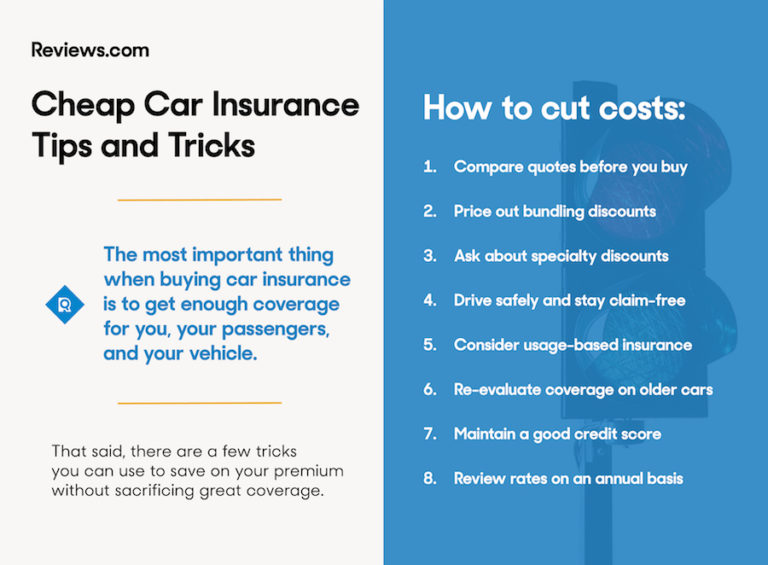
Bundling—the practice of purchasing multiple types of insurance (such as auto, home, and life) from the same provider—is perhaps the most accessible way to secure a discount. From a financial management perspective, this simplifies your accounts while providing a “loyalty” discount that can range from 10% to 25% across all policies. When auditing your annual expenses, it is worth calculating the total cost of individual policies versus a consolidated bundle. However, the savvy financial planner should always verify that the bundled price is actually lower than the best-in-class individual rates from separate providers.
Safety Features and Professional Affiliations
Beyond bundling, there are numerous “niche” discounts that many policyholders fail to claim. For auto insurance, this includes safety features like anti-theft devices, lane-departure warnings, and telematics programs that track safe driving habits. For homeowners, installing smart leak detection systems or upgraded security cameras can trigger premium reductions. Additionally, many insurers offer discounts based on professional affiliations, alumni associations, or employer partnerships. Scouring your policy for these eligible reductions is a high-return activity for your personal finances, requiring only a few phone calls or digital updates to implement.
Fine-Tuning Deductibles and Coverage Limits
In the world of personal finance, the “deductible” is the amount you pay out of pocket before your insurance coverage kicks in. Adjusting this figure is one of the fastest ways to manipulate your monthly premium.
Balancing Out-of-Pocket Costs with Monthly Premiums
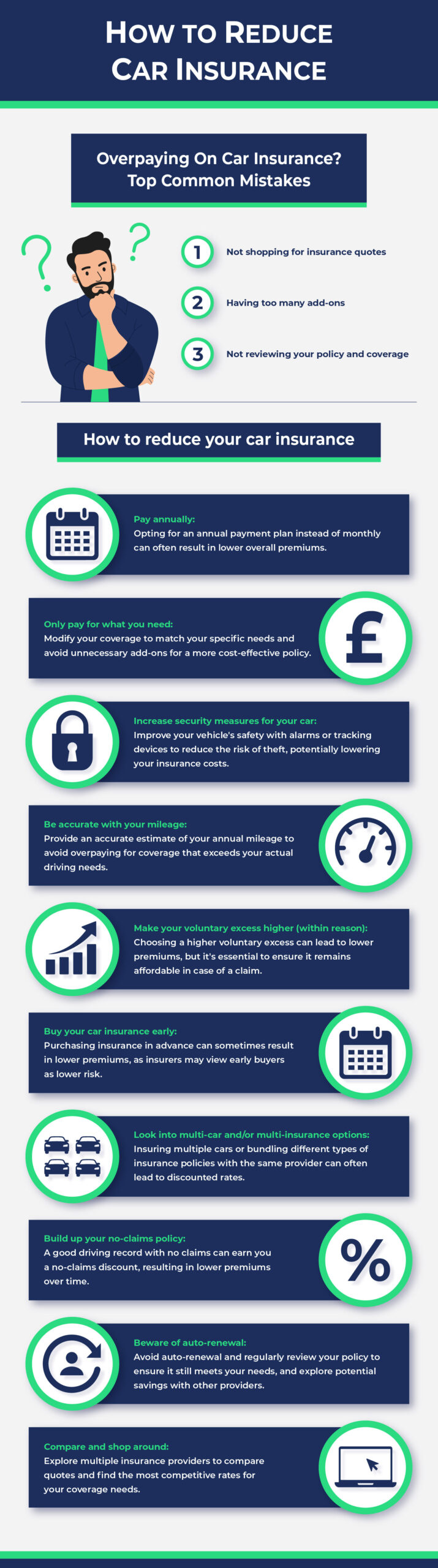
There is an inverse relationship between deductibles and premiums. By opting for a higher deductible—moving from $500 to $1,000 or even $2,500—you assume more of the initial risk, which leads the insurance company to lower your monthly premium. This strategy is highly effective for individuals with an established emergency fund. If you have $5,000 set aside for financial shocks, carrying a $1,000 deductible is a mathematically sound way to save hundreds of dollars annually on premiums. You are essentially “self-insuring” the small losses while using the policy to protect against the large ones.
Evaluating the Necessity of Comprehensive vs. Liability Coverage
As assets age, the type of coverage you need changes. A common mistake in personal finance is over-insuring a depreciating asset. For example, if you are driving an older vehicle with a market value of $3,000, paying for collision and comprehensive coverage with a $1,000 deductible might not make financial sense. If a total loss occurs, the payout after the deductible would be negligible compared to the premiums paid over time. Periodically reviewing the “Actual Cash Value” (ACV) of your insured assets allows you to drop unnecessary coverage tiers, redirecting those funds into savings or investment accounts.
Digital Tools and Comparison Methodologies
The modern financial landscape offers an array of tools designed to bring transparency to the insurance market. The days of calling individual agents for manual quotes are largely over, replaced by sophisticated digital aggregators.
Utilizing Aggregators for Real-Time Market Data
Price transparency is the consumer’s greatest ally. Using online comparison tools allows you to view dozens of quotes simultaneously, ensuring that you are not paying a “loyalty tax” to a provider that has slowly increased its rates over time. In a competitive market, new entrants often offer lower introductory rates to gain market share. By utilizing digital financial tools, you can identify these shifts in the market and pivot your coverage accordingly. It is recommended to perform this market scan at least once every twelve months or whenever a major life event—such as a marriage, a home purchase, or a significant change in credit score—occurs.
The Importance of Annual Policy Audits
Securing “cheap” insurance is not a one-time event but an ongoing process of financial maintenance. An annual policy audit involves reviewing your coverage limits to ensure they align with your current net worth. As your wealth grows, you may need higher liability limits (or an umbrella policy) to protect your assets from lawsuits, even if you are looking for ways to save on the base premium. Conversely, you might find that your lifestyle has changed in a way that reduces risk—such as working from home and driving fewer miles—which should be communicated to your insurer to trigger a rate reduction.
Long-Term Financial Habits That Lower Costs
Ultimately, the most sustainable way to keep insurance costs low is to maintain a lifestyle that minimizes risk. This long-term approach integrates insurance savings into your daily financial habits.
Maintaining a Clean Claims History
While insurance exists to be used, frequent small claims can lead to a “hardened” risk profile and significantly higher premiums or even policy non-renewal. From a financial standpoint, it is often better to pay for minor repairs out of pocket rather than filing a claim. This preserves your “claims-free” discount, which is often one of the largest discounts available. By viewing insurance only as protection against “unrecoverable” financial disasters, you maintain a cleaner record and lower long-term costs.

Enhancing Asset Security to Reduce Risk Profiles
Investing in the maintenance and security of your assets is a proactive financial strategy. For homeowners, this means staying on top of roof repairs, electrical updates, and plumbing maintenance, as these are common sources of high-dollar claims. For vehicle owners, it means following regular maintenance schedules to prevent accidents caused by mechanical failure. By proactively managing the health of your assets, you reduce the statistical likelihood of a loss, which keeps you in the most favorable “preferred” pricing tiers of the insurance market.
In conclusion, obtaining affordable insurance is a multifaceted endeavor that requires a blend of market awareness, strategic risk management, and fiscal discipline. By understanding the variables that drive pricing, leveraging the power of bundling, and using digital tools to remain informed, you can significantly reduce one of your largest recurring expenses. In the broader context of personal finance, the money saved on insurance premiums can then be redirected toward wealth-building activities, turning a mandatory expense into a source of financial efficiency.
aViewFromTheCave is a participant in the Amazon Services LLC Associates Program, an affiliate advertising program designed to provide a means for sites to earn advertising fees by advertising and linking to Amazon.com. Amazon, the Amazon logo, AmazonSupply, and the AmazonSupply logo are trademarks of Amazon.com, Inc. or its affiliates. As an Amazon Associate we earn affiliate commissions from qualifying purchases.