
The traditional ritual of checking a physical newspaper for movie showtimes has been relegated to the archives of history. Today, the query “what movies are in theaters near me” triggers a complex sequence of technological events, involving hyper-local geolocation, real-time data synchronization, and sophisticated search algorithms. For the modern cinephile, the transition from curiosity to the theater seat is facilitated by a seamless tech stack designed to minimize friction and maximize the immersive experience.
This evolution is not merely a matter of convenience; it represents a fundamental shift in how digital infrastructure interfaces with physical entertainment venues. From the APIs that power ticketing apps to the advanced laser projection systems within the auditorium, technology is the invisible protagonist in the story of modern cinema.
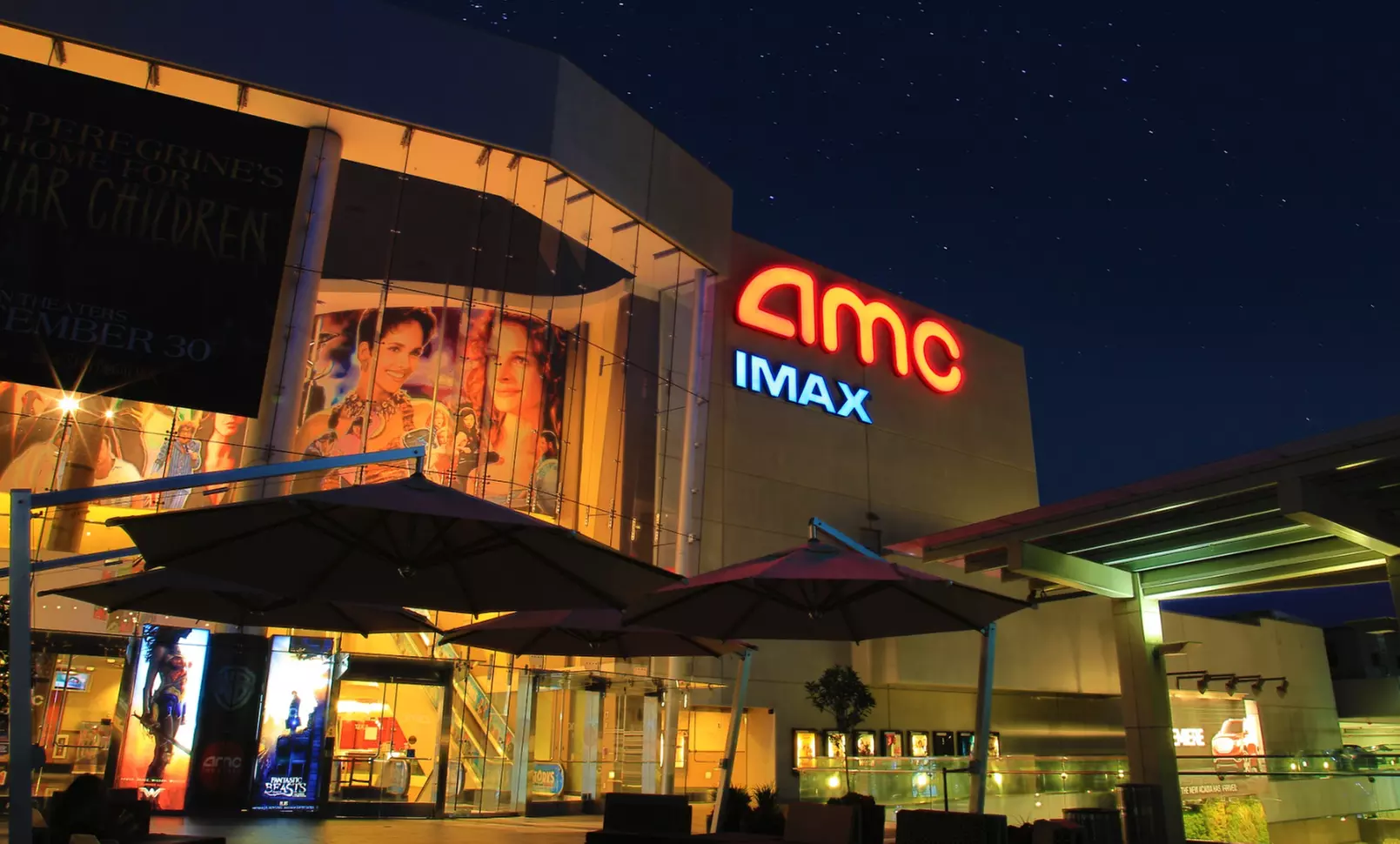
The Algorithm of Discovery: How Search and Geolocation Map Your Movie Night
When you type a query into a search engine or voice assistant, you are engaging with a high-speed data retrieval system that prioritizes geographical relevance above all else. The tech behind “near me” searches relies on a combination of Global Positioning System (GPS) data, IP address triangulation, and Wi-Fi network signals to pinpoint your location with startling accuracy.
The Role of Local SEO and Structured Data
For a theater to appear in your search results, it must utilize a specific set of technical protocols known as Schema markup. This structured data allows search engine crawlers to understand not just that a theater exists, but what specific movies are playing, the exact showtimes, and the availability of premium formats like IMAX or Dolby Cinema. By implementing “MovieTheater” and “ScreeningEvent” JSON-LD scripts, exhibitors ensure that their schedules are parsed and displayed directly within the Search Engine Results Pages (SERPs), often bypassing the need for the user to even click on a website.
API Integration and Real-Time Scheduling
The “near me” experience is powered by robust Application Programming Interfaces (APIs). These software intermediaries allow different systems—such as a theater’s internal Point of Sale (POS) and a third-party platform like Google or Fandango—to communicate. When a theater sells out of tickets for a 7:00 PM showing, that data is transmitted via API in near real-time to the search results you see on your smartphone. This prevents the “digital disconnect” where a user arrives at a theater only to find that the information they saw online was outdated.
Leading Platforms and the Architecture of Modern Ticketing
The transition from the box office window to the mobile screen has birthed a specialized sector of software development focused on the “theatrical journey.” Today’s ticketing platforms are more than just digital storefronts; they are sophisticated data hubs that manage inventory, user preferences, and loyalty programs.
Aggregators vs. Native Theater Apps
The market is divided between third-party aggregators like Fandango and Atom Tickets, and native apps developed by major chains like AMC, Regal, or Cinemark. From a tech perspective, aggregators act as massive data warehouses, pulling information from thousands of independent and circuit-owned theaters simultaneously. Native apps, conversely, focus on deep integration with proprietary loyalty tech and hardware. For instance, an AMC app might integrate with the theater’s Bluetooth beacons to automatically check you in as you walk through the lobby, a feat of “Proximity Marketing” and Internet of Things (IoT) integration.
Mobile Wallets and NFC Implementation
The final stage of the digital ticketing journey involves Near Field Communication (NFC) and mobile wallet integration. Modern moviegoers rarely print tickets. Instead, they leverage the Secure Element (SE) chip in their smartphones to store encrypted ticket data in Apple Wallet or Google Pay. This tech allows for a “tap-and-go” entry system, reducing bottlenecks in the lobby and enhancing digital security by replacing easily forgeable paper tickets with dynamic, time-sensitive QR codes or encrypted tokens.

Cinematic Innovation: The High-Tech Features of Modern Theaters
Once the technology has guided you to the theater, the focus shifts from software to high-performance hardware. The modern theater is a marvel of engineering, designed to provide an experience that cannot be replicated by consumer-grade home theaters.
Laser Projection and High Frame Rates (HFR)
The “Digital Cinema” revolution of the early 2000s has entered its second phase: the transition from Xenon bulb projectors to Laser projection. Laser technology offers significantly higher brightness levels, a wider color gamut (following the Rec. 2020 standard), and much higher contrast ratios. Furthermore, tech-forward directors are increasingly experimenting with High Frame Rates (HFR)—shooting at 48 or 120 frames per second rather than the traditional 24—requiring specialized projection hardware and high-bandwidth servers capable of processing massive amounts of data per second.
Spatial Audio and the Science of Sound
Sound technology has moved beyond simple surround sound to “Object-Based Audio,” with Dolby Atmos being the industry leader. In this tech environment, sound is not assigned to a specific speaker but is treated as a 3D object that can move through a virtual space. The theater’s processor calculates which speakers to fire in real-time to simulate that movement. This requires a sophisticated network of 64 or more speakers and a dedicated audio rendering engine that manages the complex acoustics of the room.
The Future of Moviegoing: AI, VR, and Personalization
As we look toward the next decade, the tech used to find and watch movies will become even more predictive and immersive. The “theaters near me” of the future will likely leverage Artificial Intelligence to personalize the entire experience before you even realize you want to see a film.
AI-Driven Recommendation Engines
Machine Learning (ML) algorithms are already being used by theaters to predict attendance patterns and optimize showtimes. In the future, these AI models will interface directly with consumers. Based on your previous viewing habits, your “near me” search results might be curated to highlight indie films in your favorite genre or suggest a theater that offers your preferred seating type (such as heated recliners). This level of hyper-personalization is powered by Big Data analytics, transforming “search” into “suggestion.”
The Rise of the Interactive Lobby and AR
The technology is also expanding outside of the auditorium. Many theaters are experimenting with Augmented Reality (AR) in their lobbies. By pointing a smartphone at a movie poster, guests can unlock interactive trailers, 3D character models, or exclusive digital content. This creates a bridge between the physical environment and the digital world, turning the theater lobby into a high-tech “pre-show” experience.
Cloud-Based Content Delivery
On the backend, the method of delivering movies to theaters is undergoing a radical shift. Historically, movies were shipped on physical hard drives (DCPs). Today, the industry is moving toward secure, high-speed cloud delivery. By utilizing satellite or fiber-optic broadband, studios can “beam” encrypted movie files directly to a theater’s central server. This allows for extreme flexibility; a theater can add a screening of a popular film to an empty auditorium in minutes by simply downloading the file and the corresponding digital “KDM” (Key Delivery Message) license.

The Synergy of Software and the Silver Screen
The answer to “what movies are in theaters near me” is no longer a simple list; it is a gateway into a massive technological ecosystem. From the moment the search algorithm processes your location to the moment the 4K laser projector illuminates the screen, your cinematic experience is curated by cutting-edge software and hardware.
As moviegoers, we often focus on the art of the film, but the “tech of the theater” is what enables that art to be seen as the creators intended. Whether it is the convenience of an NFC-enabled ticket or the overwhelming immersion of a 128-channel spatial audio system, technology continues to ensure that the cinema remains the gold standard for visual and auditory storytelling. In an era where streaming services are ubiquitous, the theater survives—and thrives—by consistently pushing the boundaries of what is technologically possible in a shared physical space.
aViewFromTheCave is a participant in the Amazon Services LLC Associates Program, an affiliate advertising program designed to provide a means for sites to earn advertising fees by advertising and linking to Amazon.com. Amazon, the Amazon logo, AmazonSupply, and the AmazonSupply logo are trademarks of Amazon.com, Inc. or its affiliates. As an Amazon Associate we earn affiliate commissions from qualifying purchases.