
In the modern travel landscape, the quest for the most affordable airfare has evolved from a game of chance into a sophisticated exercise in data science and digital literacy. Gone are the days of calling travel agents or visiting airline kiosks; today, the “cheap seat” is won by those who understand how to navigate the complex ecosystem of Global Distribution Systems (GDS), predictive algorithms, and digital arbitrage. Finding cheap airlines is no longer just about where you want to go, but about how effectively you can manipulate the technology designed to track your every move.
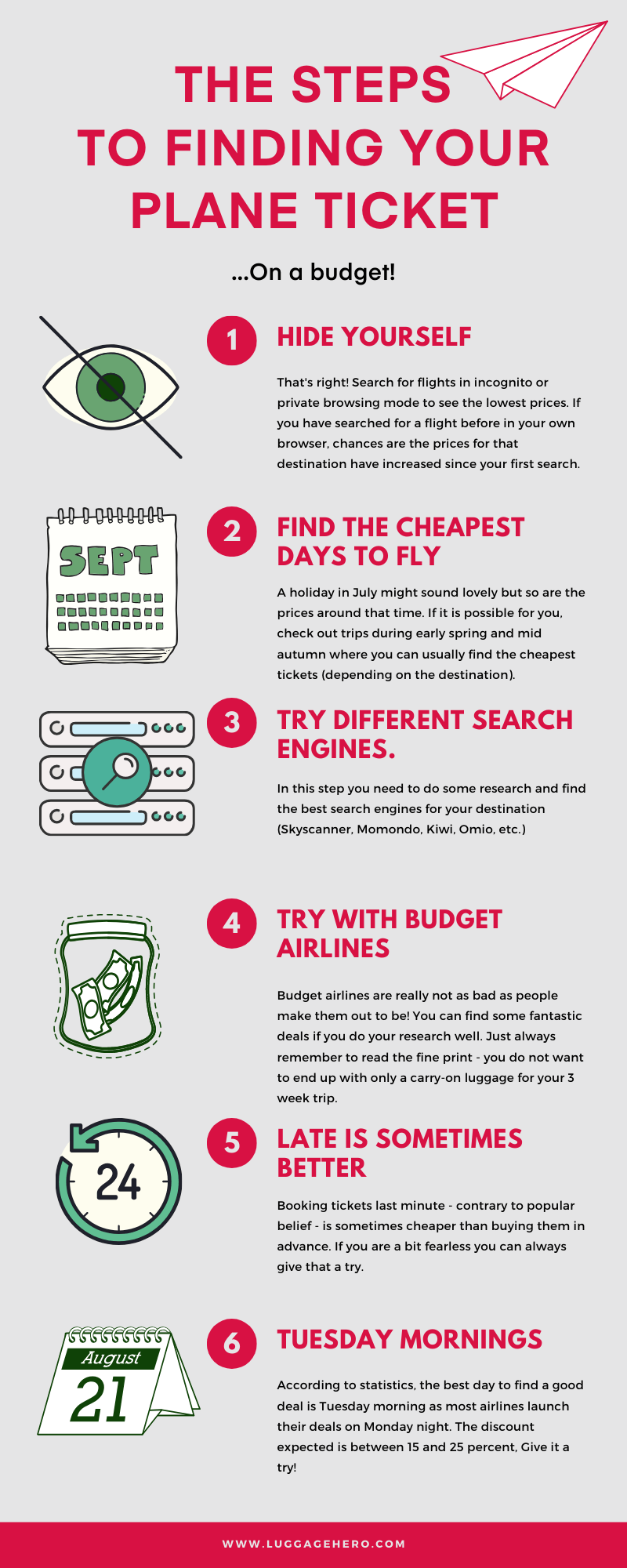
By mastering specific software tools, understanding the mechanics of dynamic pricing, and utilizing advanced web protocols, travelers can outmaneuver the artificial intelligence (AI) used by airlines to maximize profit. This guide explores the technical methodologies required to secure the lowest possible fares in an era of hyper-connected commerce.
Leveraging AI and Big Data: How Flight Search Engines Predict Pricing
At the heart of every flight search is a massive amount of data processing. Airlines use sophisticated Revenue Management Systems (RMS) that adjust prices in real-time based on demand, historical data, and competitor behavior. To find cheap airlines, a traveler must use tools that offer equivalent or superior data processing capabilities.
Predictive Analytics and Machine Learning
The most significant advancement in travel tech is the integration of predictive analytics. Platforms like Hopper and Google Flights utilize machine learning models that analyze trillions of historical price points to predict whether a fare will rise, fall, or remain steady.
Hopper, for instance, boasts a 95% accuracy rate in its price forecasting. From a technical perspective, these tools function by monitoring “fare buckets”—specific inventory levels assigned to different price points. When the AI detects that a specific bucket is nearing capacity earlier than historical norms, it alerts the user to “Buy Now.” Understanding these algorithms allows a tech-savvy user to wait for the optimal “trough” in the pricing curve rather than reacting to emotional triggers.
The Role of Metasearch Engines vs. Aggregators
Distinguishing between a metasearch engine (like Skyscanner or Kayak) and an Online Travel Agency (OTA like Expedia) is crucial. Metasearch engines function as specialized scrapers; they query the APIs (Application Programming Interfaces) of hundreds of airlines and OTAs simultaneously to present a unified view of the market.
The technical advantage of a metasearch engine lies in its ability to find “interline” connections—flights where two different airlines are used for different legs of a journey, often resulting in a lower price than a single carrier could provide. By leveraging these scrapers, users can identify the “hubs” where low-cost carriers (LCCs) dominate, providing a data-driven map for cheaper routing.
Digital Arbitrage: Using VPNs and Geolocation to Bypass Dynamic Pricing
One of the most controversial yet effective technical maneuvers in finding cheap flights is bypassing “geographic pricing.” Airlines often display different prices for the exact same seat based on the user’s IP address, currency, and perceived purchasing power of their home country. This is known as price discrimination, and it can be countered through digital tools.
Regional Pricing Discrepancies and VPNs
Virtual Private Networks (VPNs) allow users to mask their true location and appear as though they are browsing from a different country. By routing your traffic through a server in a country with a lower cost of living or a weaker currency, you can often unlock “local” fares that are hidden from international users.
For example, booking a domestic flight within Peru via a Peruvian IP address often yields significantly lower prices than booking that same flight from a London or New York IP. This is because the airline’s algorithm categorizes the local user as having a lower price ceiling. From a technical standpoint, this requires clearing your browser’s cache and cookies to ensure the site’s tracking scripts do not recognize your previous session’s metadata.
The Myth and Reality of Incognito Mode
There is a persistent debate in the tech community regarding whether “Incognito Mode” actually lowers flight prices. While airlines deny using cookies to hike prices for repeat visitors, the technical reality is that “session-based pricing” is a common feature in e-commerce.
When you search for a flight, the site places a tracking cookie on your browser. If you return to the same flight later, the airline’s server recognizes your high intent to buy and may withhold the lowest fare classes to create a sense of urgency. Using a private browser window ensures a “clean” session, preventing the server-side logic from associating your current search with your previous interest.

Mobile Ecosystems and Automation: Alerts, Apps, and APIs
In the race to find cheap airlines, speed is a technical requirement. Great deals, such as “error fares” (where a technical glitch causes a $1,000 ticket to be listed for $100), often last only minutes. To catch these, travelers must move beyond manual searching and embrace automation.
The Power of Push Notifications and Scrapers
Manual searching is inefficient. Instead, tech-savvy travelers utilize automated scrapers and notification services like Secret Flying or Scott’s Cheap Flights (Going). These services use scripts to constantly ping airline databases for anomalies.
By setting up “Ifttt” (If This, Then That) applets or specialized Discord webhooks, a user can receive an instant push notification the moment a price drops below a certain threshold for a specific route. This minimizes latency between the deal’s appearance and the booking process, ensuring you secure the fare before the airline’s IT department corrects the error.
Utilizing Hidden-City Ticketing Tech
Software like Skiplagged has revolutionized the way users find cheap fares by exploiting “hidden-city” opportunities. Technically, this involves booking a flight where your actual destination is the layover, rather than the final stop.
For example, a direct flight from New York to Orlando might be $300, but a flight from New York to Miami with a layover in Orlando might only be $150. Skiplagged’s algorithm identifies these discrepancies by analyzing the entire hub-and-spoke network of major airlines. While this requires a deep understanding of airline “Conditions of Carriage” and technical limitations (such as not being able to check luggage), it represents a high-level use of data analysis to find lower costs.
Payment Tech and Digital Security in Air Travel Booking
The final stage of finding and securing cheap airlines involves the transaction layer. In an era of increasing cyber threats, utilizing the right payment technology is as important as finding the deal itself.
Cryptocurrencies and Alternative Payments
A growing number of budget-friendly airlines and aggregators are beginning to accept alternative payment methods, including cryptocurrencies like Bitcoin and Ethereum. For the tech-forward traveler, this can offer a way to avoid international transaction fees or currency conversion markups imposed by traditional banks.
Furthermore, some Decentralized Finance (DeFi) platforms offer “cashback” in the form of tokens for travel bookings. By routing payments through these digital ledgers, users can effectively lower the net cost of their airfare through a technical rebate system that operates outside of traditional loyalty programs.
Avoiding Phishing and Malicious Booking Sites
The search for cheap airlines often leads users to obscure third-party booking sites. It is vital to use technical verification methods to ensure these sites are legitimate. Before entering credit card data, users should verify the site’s SSL/TLS certificate and use tools like “Have I Been Pwned” or browser-based sandboxes to test for malicious scripts.
Using “virtual credit cards” (VCCs) offered by fintech apps like Revolut or Privacy.com adds an extra layer of security. These apps allow you to generate a one-time-use card number for a specific booking. If the low-cost booking site turns out to be a data-harvesting front, the card number becomes useless immediately after the transaction, protecting your primary financial accounts.

Conclusion: The Algorithm Always Wins—Unless You Evolve
Finding cheap airlines is no longer a matter of luck; it is a technical discipline. By understanding the AI that drives pricing, using VPNs to exploit geographic data gaps, automating the search process via scrapers, and securing transactions through modern fintech, travelers can gain a significant edge.
The digital landscape of travel is constantly shifting, with airlines deploying more advanced tracking and pricing bots every year. However, for those willing to stay at the forefront of technology, the tools to find affordable travel are more powerful than ever. To find the cheapest flight, you don’t just search—you optimize, automate, and out-code the system.
aViewFromTheCave is a participant in the Amazon Services LLC Associates Program, an affiliate advertising program designed to provide a means for sites to earn advertising fees by advertising and linking to Amazon.com. Amazon, the Amazon logo, AmazonSupply, and the AmazonSupply logo are trademarks of Amazon.com, Inc. or its affiliates. As an Amazon Associate we earn affiliate commissions from qualifying purchases.