
To the casual observer, Orlando, Florida, is a collection of theme parks, sprawling resorts, and neon-lit boulevards. However, to the professional strategist, Orlando represents one of the most successful case studies in global brand development, experience design, and corporate identity in human history. When we ask, “What is there to do in Orlando?” we are not merely asking for a list of attractions; we are inquiring into the mechanics of how a city transformed itself from a central Florida swamp into a multi-billion-dollar global brand.
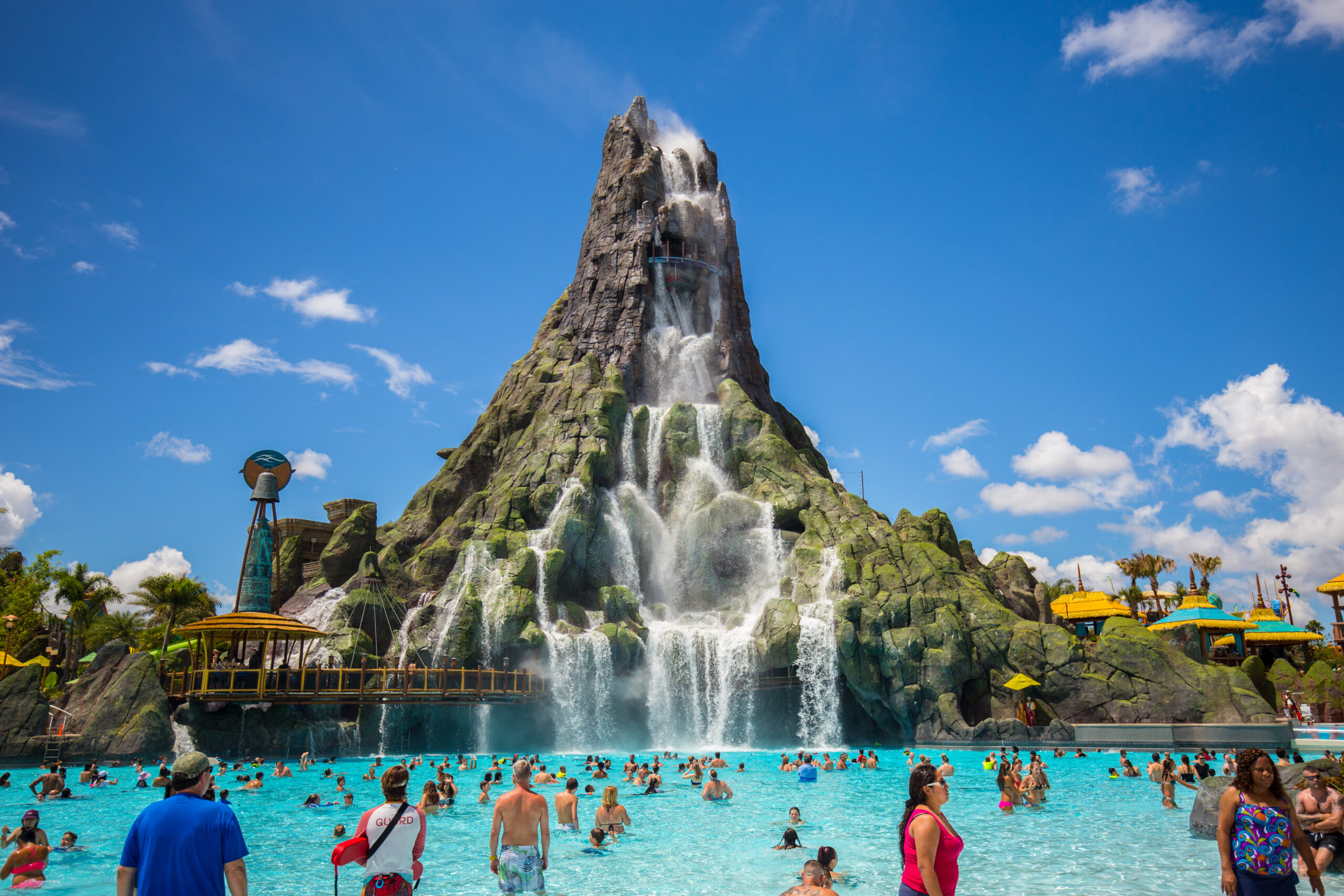
The “Orlando Experience” is a masterclass in the experience economy—a shift where businesses must orchestrate memorable events for their customers, and that memory itself becomes the product. For brand architects and marketing professionals, Orlando offers a living laboratory to study how narrative, consistency, and sensory design can create a level of brand loyalty that rivals religious devotion.
The Power of Storytelling: How Orlando Defined the Experience Economy
At the heart of Orlando’s success is the mastery of narrative. Long before “content marketing” became a buzzword, the architects of Orlando’s primary attractions understood that a physical space is only as valuable as the story it tells. What there is “to do” in Orlando is, essentially, to step inside a brand’s narrative.
Transmedia Storytelling at Theme Park Giants
The Walt Disney World Resort and Universal Orlando Resort are the twin pillars of the city’s brand identity. Their strategy relies on transmedia storytelling—the process of telling a single story or story experience across multiple platforms and formats. In Orlando, this means a brand that started on a cinema screen (like Harry Potter or Star Wars) is translated into a three-dimensional environment.
For the brand strategist, the takeaway is the seamlessness of the transition. When a visitor enters “The Wizarding World of Harry Potter,” every touchpoint—from the font on the menus to the texture of the stone walls—reinforces the brand. This level of immersion ensures that the consumer is not just a spectator but a participant in the brand’s universe.
Consistent Brand Voices Across Diverse Touchpoints
Orlando’s branding success is also found in its consistency. Whether a guest is interacting with a mobile app to book a dining reservation, speaking with a front-desk concierge, or riding a high-tech attraction, the “voice” of the brand remains constant. This consistency builds trust and reduces friction, which are the two most critical components of long-term brand equity. Orlando proves that when a brand makes a promise (in this case, the promise of “magic” or “adventure”), every departmental silo must work in unison to fulfill it.
Strategic Diversification: Beyond the Mouse House
While the major theme parks provide the gravitational pull for the city’s brand, Orlando’s true strategic brilliance lies in its ability to diversify its corporate identity. The city has successfully positioned itself as more than just a playground for children; it has rebranded as a premier destination for sports, luxury, and professional conventions.
The Evolution of Universal’s Brand Positioning
For years, Orlando was synonymous with Disney’s family-friendly, wholesome image. Universal Orlando Resort strategically pivoted to capture a different demographic: the “thrill-seeker” and the “teen/young adult” market. By focusing on edgier intellectual properties and high-octane technology, Universal created a distinct brand identity that complements rather than competes directly with Disney. This is a vital lesson in market segmentation; Universal identified a gap in the “wholesome” market and filled it with a brand that emphasizes excitement and cinematic grit.
Leveraging Niche Markets: Sports and Convention Branding
Orlando’s brand extends into the professional sphere through its world-class convention centers and sports facilities. The Orange County Convention Center is a pivot point for the city’s B2B (business-to-business) brand. By hosting some of the world’s largest trade shows, Orlando has branded itself as a hub of industry and innovation.
Similarly, the presence of the Orlando Magic and the development of the USTA National Campus have allowed the city to tap into the sports-tourism market. This diversification ensures that the “Orlando” brand remains resilient even when consumer trends in leisure travel fluctuate. It demonstrates the importance of a multi-faceted corporate identity that can appeal to different stakeholders without losing its core essence.
The Logistics of Brand Loyalty: Creating Raving Fans
What there is to do in Orlando is often defined by the “VIP experience.” This is where the city’s brands excel at the “Logistics of Loyalty”—using data, service design, and personalization to turn a one-time visitor into a lifelong advocate.
Service Recovery as a Brand Pillar
One of the most profound lessons from the Orlando brand ecosystem is the concept of “Service Recovery.” In a high-volume environment, mistakes are inevitable. However, companies like Disney and Hyatt have turned service failure into a branding opportunity. Their staff are trained in specific protocols to not only fix a problem but to “plus” the experience, often leaving the customer more loyal than they would have been had the mistake never occurred. In branding, the way you handle a crisis defines your identity more than your successes do.
Personalization Through Technological Integration
The introduction of technologies like the “MagicBand” and mobile integration has revolutionized how Orlando brands interact with their audience. These tools allow for a high degree of personalization, from greeting a guest by name to suggesting attractions based on past behavior. For a brand, this data is gold. It allows for a “segment of one” marketing approach, where the brand feels intimately connected to the individual consumer. This tech-driven design ensures that the brand remains relevant in an increasingly digital world.
Lessons for Corporate Identity: Building Your Own “Orlando”
When we analyze the landscape of what there is to do in Orlando, we see a blueprint for building a powerful corporate identity. Any organization, regardless of size, can implement the strategies that have made Orlando a global powerhouse.
Scalability and Seasonal Adaptation
A key component of the Orlando brand is its scalability. The city manages to maintain its brand integrity whether it is hosting 10,000 people or 100,000. This is achieved through rigorous process mapping and a commitment to infrastructure. Furthermore, Orlando brands are masters of seasonal adaptation. From “Halloween Horror Nights” to “Epcot International Food & Wine Festival,” the core brand remains the same, but the “flavor” of the experience changes to drive repeat business. This teaches us that a brand must be flexible enough to evolve with the seasons while remaining anchored in its core values.
Community Integration and Local Brand Advocacy
Finally, Orlando’s brand is supported by its people. The “Cast Members” and “Team Members” who live in the area are the primary ambassadors of the city’s identity. Successful branding requires internal buy-in; if your employees don’t believe in the brand, your customers won’t either. Orlando invests heavily in its local identity, ensuring that the city’s growth benefits the community, which in turn strengthens the brand’s reputation on a global scale.
Conclusion: The Brand is the Destination
In conclusion, “what there is to do in Orlando” is to witness the pinnacle of brand strategy in action. Orlando is not just a location; it is a carefully curated experience designed to evoke specific emotions and drive specific behaviors. It is a city that understands that in the modern world, products are commodities, but brands are everything.
From the narrative-driven environments of the theme parks to the strategic diversification of its business and sports sectors, Orlando provides an endless source of insight for marketing professionals and brand designers. It teaches us that a successful brand is consistent but flexible, data-driven but human-centric, and, above all, rooted in the power of a well-told story. Whether you are building a startup or managing a legacy corporation, the lessons of the Orlando brand—immersion, loyalty, and diversification—are the keys to creating a lasting and impactful corporate identity.
aViewFromTheCave is a participant in the Amazon Services LLC Associates Program, an affiliate advertising program designed to provide a means for sites to earn advertising fees by advertising and linking to Amazon.com. Amazon, the Amazon logo, AmazonSupply, and the AmazonSupply logo are trademarks of Amazon.com, Inc. or its affiliates. As an Amazon Associate we earn affiliate commissions from qualifying purchases.