
Closing a bank account might seem like a simple administrative task, but in the modern financial landscape, it is a strategic move that requires precision and foresight. Whether you are switching to a high-yield savings account, consolidating your assets, or moving to a financial institution with lower fees, the process involves more than just withdrawing your cash and walking away. If handled incorrectly, a closed account can lead to missed payments, “zombie” accounts that reappear due to automated charges, and even negative marks on your credit report.
In this guide, we will explore the professional methodology for closing a bank account, ensuring your transition is seamless, your credit remains protected, and your personal capital is efficiently transferred.
Phase 1: Strategic Preparation and the Transition Period
Before you notify your current bank of your intent to leave, you must lay the groundwork. Moving your financial life is akin to moving houses; you wouldn’t vacate your old home before ensuring the utilities are running at the new one.
Auditing Your Recurring Transactions
The most common mistake individuals make when closing an account is forgetting the “invisible” transactions. You must perform a deep audit of at least six months of bank statements to identify every automated clearing house (ACH) transfer, subscription, and direct deposit.
Commonly overlooked items include:
- Utility Bills: Electricity, water, and gas payments.
- Subscription Services: Streaming platforms, gym memberships, and software-as-a-service (SaaS) fees.
- Insurance Premiums: Auto, home, or life insurance that may be on a quarterly or annual cycle.
- Direct Deposits: Not just your primary paycheck, but also tax refunds, dividend payments, and government benefits.
Establishing a New Financial Anchor
Never close your old account until your new one is fully operational. Open the new account and fund it with a “bridge” amount—enough to cover at least one month of expenses plus a safety margin. This ensures that as you migrate your automated payments, there is no risk of a “non-sufficient funds” (NSF) error. Only once you have received your new debit card, set up your online banking portal, and confirmed that your employer’s payroll department has updated your direct deposit information should you proceed to the next step.
The “Wait and See” Period
Financial experts recommend a 30-day “burn-in” period. During this month, leave a small balance in the old account while the new account handles the bulk of your activity. This period allows any “straggler” transactions—checks that haven’t been cashed or annual subscriptions you forgot—to hit the old account without causing a financial crisis. If a charge appears on the old account during this window, you know you have one more link to update before the final closure.
Phase 2: Methods for Formal Account Closure
Once your new financial infrastructure is stable, you must formally request the closure. Simply letting the balance hit zero is not the same as closing an account; in fact, an empty account can still incur maintenance fees, eventually resulting in a negative balance that could be reported to ChexSystems.
Closing Your Account Online or via Mobile App
Many modern “fintech” banks and major national institutions allow you to close accounts through their secure messaging portal or mobile app. This is often the most convenient method, as it creates a digital paper trail of your request. When using this method, ensure you take screenshots of the confirmation page and save any correspondence. However, be aware that some banks may restrict this option if the account has a high balance or associated loans.
The In-Person Branch Experience
For traditional brick-and-mortar banks, visiting a branch is the most definitive way to close an account. Speaking with a personal banker allows you to settle any final interest calculations on the spot and receive a printed receipt confirming the closure. When you go, bring a valid government-issued ID and your new account information so the banker can wire or transfer the remaining funds directly.
Certified Mail and Phone Requests
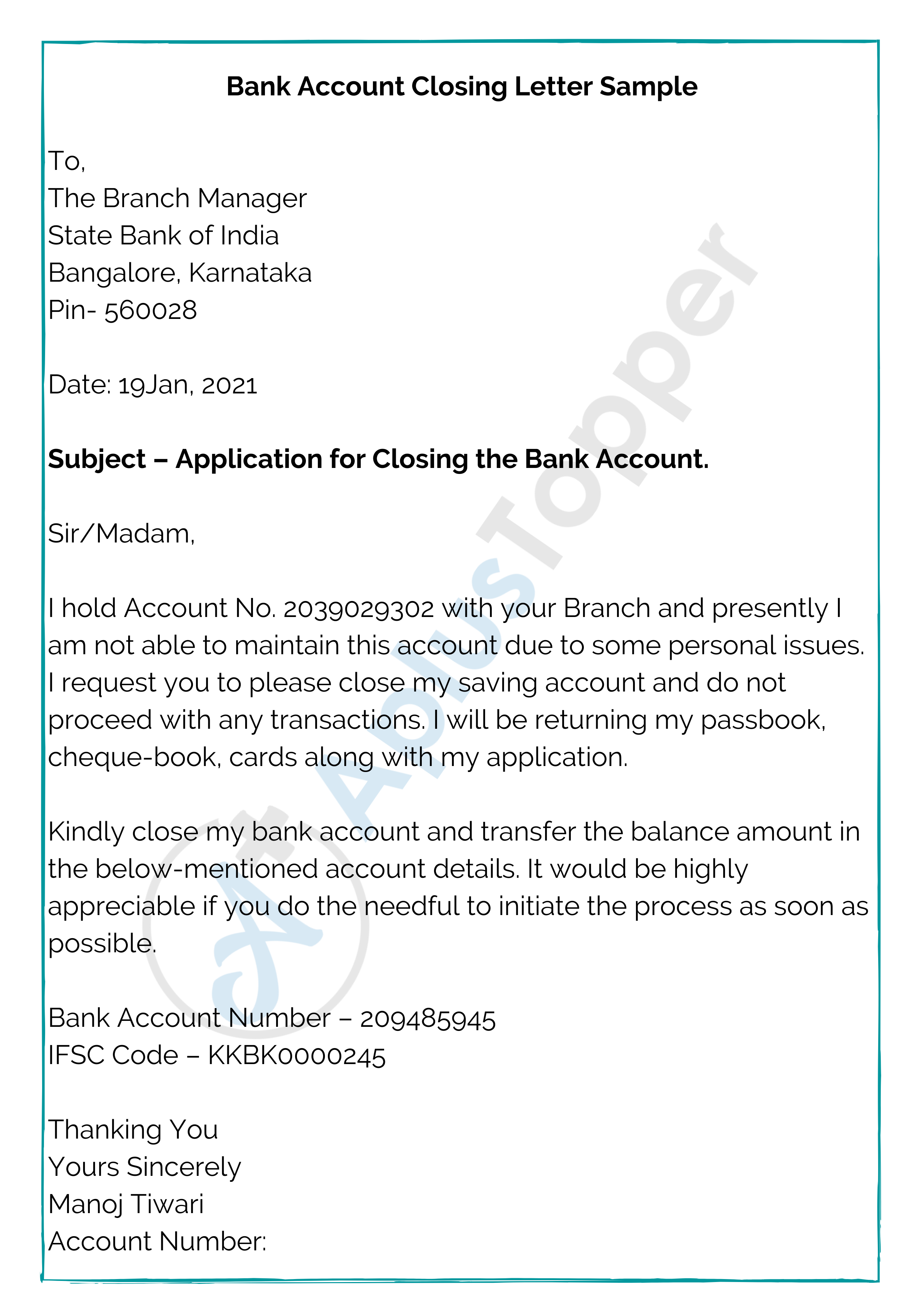
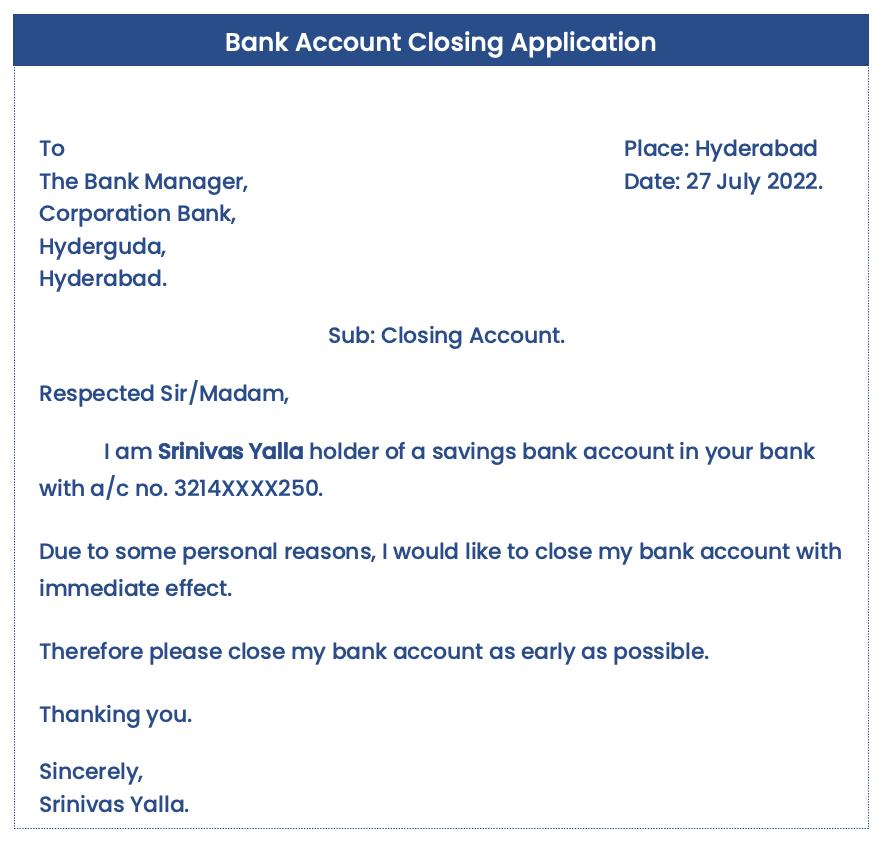
If you have moved away from your bank’s physical footprint, you may need to close the account via phone or mail. If closing by phone, ask the representative for their name and an interaction ID number. For maximum legal protection, sending a notarized letter via Certified Mail with a Return Receipt Requested is the gold standard. This provides physical proof that the bank received your request, which is invaluable if they continue to charge fees after the requested closure date.
Phase 3: Executing the Final Withdrawal and Settlement

The final stage of the closure involves zeroing out the balance. This is more complex than it sounds because of how banks calculate interest and fees.
Handling Residual Interest and Fees
If you are closing an interest-bearing savings account or an interest-earning checking account, you likely have “accrued but unpaid” interest. This is interest you earned since the last statement cycle but hasn’t been credited yet. If you withdraw the exact balance shown on your screen today, the bank might credit that interest tomorrow, reopening the account. Ask the bank representative to calculate the “payoff amount” or the final balance including all pending interest.
Zeroing Out the Balance Correctly
Once the final amount is determined, you have several options for receiving your funds:
- Wire Transfer: Fast but usually involves a fee ($20–$30).
- Cashier’s Check: A secure way to move large sums, though some banks charge for the check itself.
- Electronic Transfer (ACH): If you have linked your new account to your old one, you can initiate a final transfer. Wait for this to clear completely before sending the final closure authorization.
Securing Written Confirmation
Do not consider the account closed until you have a document—either physical or digital—that explicitly states “Account Closed.” This document should include the date of closure and a confirmation that the balance is zero. Store this document in your permanent financial records for at least seven years. This is your primary defense if a credit bureau or a debt collector ever claims you owe money on an old, forgotten account.
Phase 4: Long-Term Financial Security and Maintenance
After the account is officially closed, your responsibility doesn’t end immediately. There are several post-closure steps required to maintain your financial health.
Managing Your Credit Score and ChexSystems
While closing a standard checking or savings account does not typically impact your FICO credit score (unlike closing a credit card), it does affect your standing with ChexSystems. ChexSystems is a specialized credit reporting agency that tracks “mishandled” bank accounts. If you close an account with a negative balance or unpaid fees, it will be reported here, making it difficult to open a bank account anywhere else for five to seven years. Periodically check your ChexSystems report to ensure the closure was reported accurately as “Closed by Consumer.”
Document Retention for Tax and Legal Purposes
Even though the account is closed, the IRS still cares about the activity within it. You will likely receive a 1099-INT form the following January if you earned more than $10 in interest during the year. Ensure the bank has your current mailing address even after the account is closed so you receive these tax documents. Additionally, download at least the last 12 months of statements in PDF format before you lose access to the online banking portal. Once the account is closed, you will likely be locked out of the website, and requesting paper copies later can be expensive.
Safely Disposing of Physical Banking Media
Your old debit cards, unused checks, and deposit slips contain sensitive routing and account numbers. Do not simply throw them in the trash. Use a cross-cut shredder to destroy:
- Debit/ATM Cards: Cut through the EMV chip and the magnetic stripe.
- Checks: Shred every remaining check in the book.
- Old Statements: Once you have digital backups, shred the physical copies to prevent identity theft.
Common Pitfalls and How to Avoid Them
Even with a plan, certain “traps” can derail the process of closing a bank account.
The “Zombie” Account Phenomenon
A “zombie” account occurs when a bank reopens a closed account because an automated payment (like a forgotten utility bill) was presented for payment. The bank “honors” the payment as a courtesy, reopens the account, and then hits you with an overdraft fee and a returned item fee. To prevent this, ensure you have received the final closure letter and notify your bank in writing that you are revoking authorization for any further ACH transactions.
Joint Account Complications
If you are closing a joint account, many institutions require the consent and signatures of both parties. This can be a hurdle in the event of a divorce or a business partnership dissolution. Plan ahead by ensuring both parties can be present at the branch or available to sign digital documents simultaneously.
Overdraft Traps During Transition
If a check you wrote three months ago finally gets cashed the day after you withdraw your funds, you will face significant fees. This is why the 30-day “wait and see” period is non-negotiable. It protects your liquidity and ensures your reputation with the bank remains untarnished.
By following this structured approach, you transform a potentially stressful administrative chore into a clean, professional financial transition. Closing a bank account is not just about ending a relationship with a provider; it is about taking active control of your capital and ensuring your financial trajectory remains unburdened by the remnants of the past.
aViewFromTheCave is a participant in the Amazon Services LLC Associates Program, an affiliate advertising program designed to provide a means for sites to earn advertising fees by advertising and linking to Amazon.com. Amazon, the Amazon logo, AmazonSupply, and the AmazonSupply logo are trademarks of Amazon.com, Inc. or its affiliates. As an Amazon Associate we earn affiliate commissions from qualifying purchases.