
In an increasingly globalized and diverse marketplace, brands face the imperative to connect authentically with consumers from all walks of life. A foundational question that often arises, albeit sometimes implicitly, is “what race are Asians?” While seemingly a straightforward demographic query, its implications for brand strategy, marketing efficacy, and corporate identity are profound and far-reaching. Misunderstanding or oversimplifying this complex identity can lead to ineffective campaigns, alienating messaging, and a failure to capture the immense potential of diverse consumer segments.
This article delves into why understanding the multifaceted nature of “Asian” as a racial and ethnic category is not merely an academic exercise, but a critical component of building resilient, inclusive, and successful brands. We will explore how moving beyond a monolithic perception allows brands to forge deeper connections, cultivate trust, and drive meaningful engagement in a multicultural world.
The Branding Imperative: Beyond Surface-Level Demographics
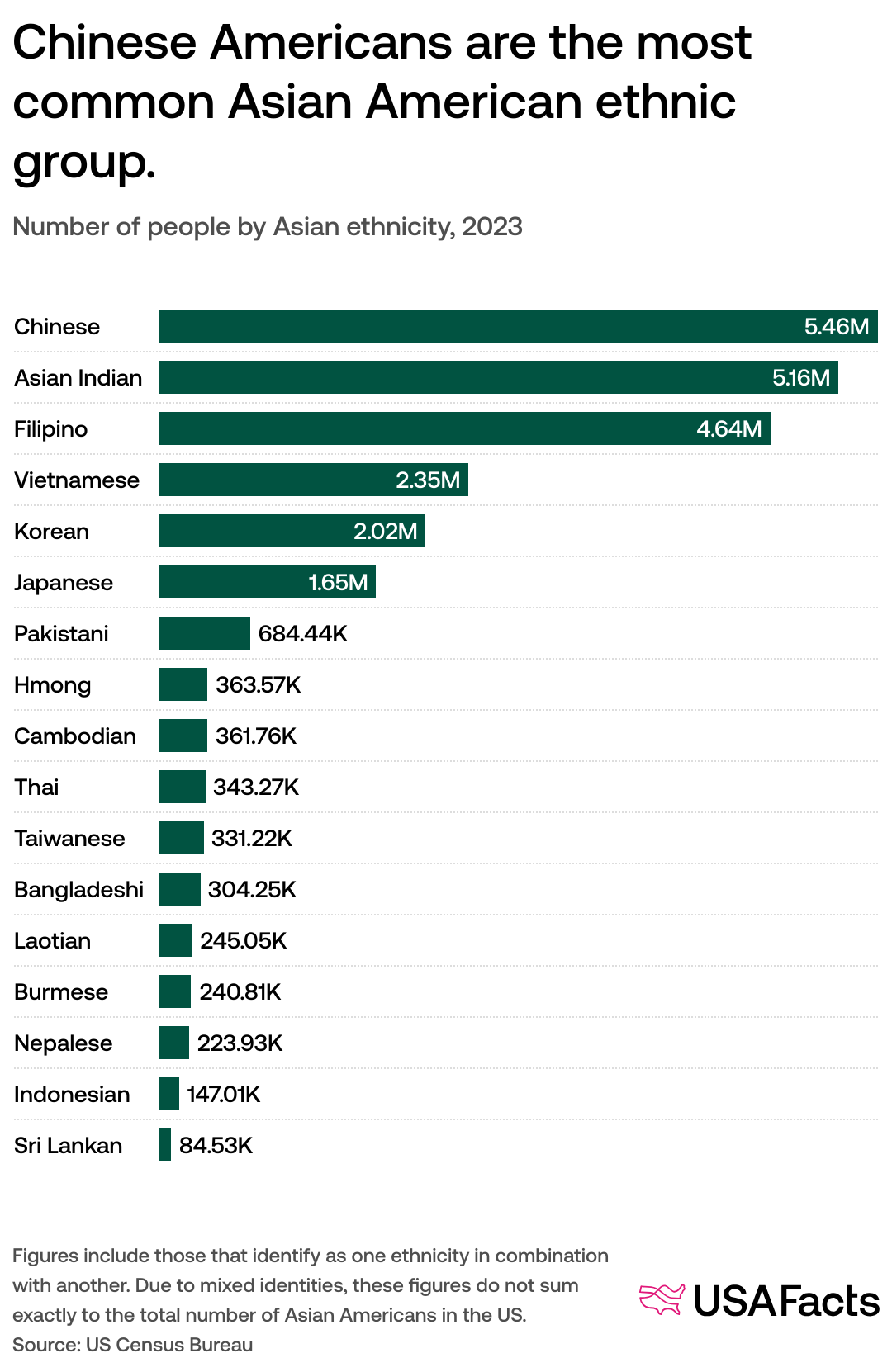
For brands, demographics are often the starting point for market segmentation and targeting. Age, gender, income, and race are standard data points. However, when it comes to racial and ethnic categories, particularly “Asian,” a surface-level understanding can be more detrimental than helpful. The term “Asian” is a pan-ethnic designation encompassing an immense diversity of cultures, languages, religions, histories, and socio-economic realities spanning over 50 countries and thousands of distinct ethnic groups. For a brand, treating “Asians” as a single, homogenous race is a critical misstep.
Why “Asian” is Not a Monolith: Implications for Market Segmentation
Imagine a brand attempting to market a product across all of Europe without differentiating between German, Italian, Swedish, and Greek consumers—it would be unthinkable. Yet, a similar oversight frequently occurs when brands approach the “Asian” market. From East Asia (e.g., Chinese, Japanese, Korean) to Southeast Asia (e.g., Filipino, Vietnamese, Thai, Indonesian) to South Asia (e.g., Indian, Pakistani, Bangladeshi), the cultural differences are vast. Each sub-group possesses unique traditions, communication styles, media consumption habits, purchasing behaviors, and brand loyalties.
For effective market segmentation, brands must disaggregate “Asian” into more granular, culturally relevant categories. Understanding the specific ethnic origins, cultural values, and linguistic preferences of target sub-segments within the broader Asian demographic allows for the development of highly tailored products, services, and marketing messages. Failing to do so risks diluting brand impact, wasting marketing resources on irrelevant campaigns, and, at worst, inadvertently offending or alienating potential customers due to cultural insensitivity or the perpetuation of stereotypes. A brand that understands the distinct nuances of a Vietnamese American consumer versus a Korean immigrant, for example, can craft far more powerful and resonant messaging.
From Stereotypes to Specificity: Crafting Resonant Brand Narratives
The danger of a monolithic view of “Asian” identity is the perpetuation of harmful stereotypes. From the “model minority” myth to exoticized portrayals, these simplistic narratives fail to capture the rich tapestry of Asian experiences and can damage a brand’s credibility. When a brand’s marketing leans into these stereotypes, it signals a lack of understanding and respect, eroding trust and alienating a significant consumer base.
Crafting resonant brand narratives requires specificity and authenticity. This means moving beyond generic imagery or token representation to feature diverse Asian individuals and families in authentic situations that reflect their real lives, aspirations, and values. It involves researching cultural nuances, understanding specific community values, and even consulting with members of target communities during the creative process. Brands that invest in this level of specificity demonstrate genuine empathy and a commitment to cultural intelligence, thereby building stronger emotional connections and fostering loyalty. This authenticity becomes a powerful brand asset, distinguishing it from competitors who rely on lazy generalizations.
Corporate Identity and Diversity: Reflecting a Global Consumer Base
A brand’s identity is not solely expressed through its marketing campaigns but also through its internal culture, leadership, and public stance on social issues. In an era where consumers increasingly scrutinize corporate values, a brand’s approach to diversity and inclusion, particularly concerning racial identity, plays a crucial role in shaping its overall reputation and appeal.
Internal Branding: Fostering an Inclusive Workplace
The question of “what race are Asians?” extends internally for brands. A truly inclusive corporate identity starts from within. This means understanding and appreciating the diverse racial and ethnic backgrounds of employees, including those identifying as Asian. Fostering an environment where Asian employees feel seen, valued, and understood helps to unlock their full potential, enhance creativity, and improve employee retention.
Internal branding initiatives should reflect this understanding. Diversity and inclusion programs, employee resource groups (ERGs) for various Asian communities, and leadership development tailored to support diverse talent all contribute to a corporate identity that is genuinely inclusive. When a brand’s internal culture authentically embraces the multifaceted nature of Asian identity, it empowers employees to bring their whole selves to work, which in turn influences the authenticity and cultural intelligence of the brand’s external output. An inclusive internal brand fosters loyalty not just among employees but also among external stakeholders who value ethical and progressive corporate practices.
External Branding: Authentic Representation in Marketing and Advertising
The external face of a brand—its advertising, social media presence, and public relations—must consistently reflect an authentic understanding of racial diversity. For Asian communities, this means going beyond tokenism or superficial representation. It involves strategically featuring diverse Asian individuals in prominent roles, showcasing a range of experiences, and avoiding culturally tone-deaf messaging.
Authentic external branding requires careful consideration of creative choices. Is the representation accurate and respectful? Does it avoid perpetuating stereotypes? Are diverse Asian voices involved in the creation and review process? Brands that excel in this area demonstrate a commitment to reflecting the reality of their global consumer base, building a reputation for thoughtfulness and inclusivity. This not only resonates with Asian consumers but also with a broader audience that values social responsibility and genuine representation. For instance, campaigns that celebrate specific Asian festivals or traditions, when executed with cultural sensitivity and accuracy, can create powerful connections that generic campaigns cannot.
Marketing with Cultural Intelligence: Avoiding Pitfalls and Building Trust
Effective brand marketing in diverse markets demands more than just translating ad copy. It requires deep cultural intelligence, a sophisticated understanding of how specific cultural contexts shape consumer perceptions, values, and behaviors. For Asian consumers, this means acknowledging the vast differences within the group.
The Power of Nuance: Language, Values, and Consumer Behavior

The linguistic landscape across Asian communities is incredibly diverse. Mandarin, Cantonese, Hindi, Bengali, Korean, Japanese, Tagalog, Vietnamese, and many other languages are spoken, each with its own dialects and cultural nuances. A brand cannot simply translate an English campaign into one “Asian” language and expect universal resonance. Localized marketing goes beyond translation; it involves transcreation, adapting content to ensure cultural relevance and emotional impact in specific linguistic and cultural contexts.
Beyond language, understanding core cultural values is paramount. Concepts like filial piety, community orientation, saving face, respect for elders, and a strong emphasis on education may vary in expression and importance across different Asian cultures. Brands that align their messaging with these underlying values are more likely to build trust and affinity. For example, a financial brand might emphasize intergenerational wealth transfer when targeting certain East Asian segments, while a food brand might highlight community gatherings for South Asian families. These nuanced approaches demonstrate cultural respect and a genuine understanding of what truly matters to consumers.
Data-Driven Branding: Utilizing Research Beyond Broad Categories
To achieve this level of nuance, brands must commit to robust data-driven research that goes beyond broad “Asian” categories. This includes:
- Ethnographic research: Understanding consumer behavior in their natural environments.
- Segment-specific surveys: Designing questionnaires that capture the unique preferences and attitudes of specific Asian ethnic groups.
- Digital analytics: Tracking online behavior to identify preferred platforms, content types, and influencers within particular communities.
- Partnerships with cultural experts: Collaborating with community leaders, cultural consultants, and marketing agencies specializing in specific Asian markets.
This granular approach to data allows brands to develop highly targeted strategies, identify untapped market opportunities, and personalize experiences in ways that resonate deeply. It shifts branding from guesswork to informed strategic decisions, ensuring that marketing spend is optimized for maximum impact and authenticity.
Personal Branding in a Multicultural World: Embracing Intersectionality
The principles of understanding Asian identity are not exclusive to corporate entities; they are equally vital for individuals navigating their personal and professional lives, particularly in the context of personal branding. In today’s interconnected world, authenticity is a cornerstone of a strong personal brand, and for many, racial and ethnic identity is an inextricable part of that authenticity.
Navigating Identity in Professional Spaces
For individuals of Asian descent, effectively articulating their identity in professional spaces can be a nuanced challenge. Whether in job interviews, networking events, or within the workplace, questions about background, heritage, and “where are you really from?” are common. A strong personal brand involves confidently and articulately embracing one’s Asian identity, without letting stereotypes define them. This means leveraging cultural background as a unique strength, highlighting bilingual skills, international experience, or specific cultural perspectives that add value to a team or organization.
Developing a personal brand that strategically incorporates one’s Asian identity can mean curating a professional narrative that celebrates heritage while demonstrating adaptability and universal professional competence. It’s about finding the balance between showcasing unique cultural insights and demonstrating broad appeal, ensuring that one’s racial identity enhances, rather than limits, professional opportunities.
Authenticity as a Brand Asset for Individuals
Authenticity is the bedrock of a compelling personal brand. For individuals with Asian heritage, this means embracing the full spectrum of their identity, including their racial background, as a unique selling proposition. In a world increasingly valuing diversity, a personal brand that genuinely reflects one’s multicultural identity can be a powerful asset. This might involve sharing personal stories of navigating cultural identities, advocating for diversity and inclusion, or leveraging cultural insights in professional work.
By being genuine about their background, individuals can build trust, foster deeper connections, and differentiate themselves in competitive fields. This authenticity attracts mentors, collaborators, and opportunities that align with their values, ultimately leading to a more fulfilling and impactful professional journey. The question “what race are Asians?” in this context becomes an invitation for individuals to define and articulate their own unique racial identity with pride and strategic intent.
Future-Proofing Your Brand: Embracing Evolving Racial and Ethnic Identities
The concept of race and identity is not static; it evolves with societal changes, intergenerational shifts, and increasing multiculturalism. For brands, this means that an understanding of “Asian” identity today may need to be revisited and updated tomorrow. Brands must cultivate an adaptive and learning-oriented approach to demographics and identity.
The Dynamic Nature of Self-Identification
Younger generations, particularly those of mixed heritage or those growing up in diverse urban environments, often have more fluid and intersectional understandings of their racial and ethnic identities. They may identify with multiple heritages, reject rigid classifications, or prioritize cultural identity over government-defined racial categories. Brands that fail to recognize this evolving landscape risk appearing outdated or out of touch.
Engaging with diverse communities, supporting relevant research, and maintaining open channels for feedback are crucial for staying abreast of these shifts. Brands need to understand how the children of immigrants or multi-racial individuals within the “Asian” umbrella choose to self-identify and what that means for their values and consumption patterns.
Building Adaptable Brand Frameworks
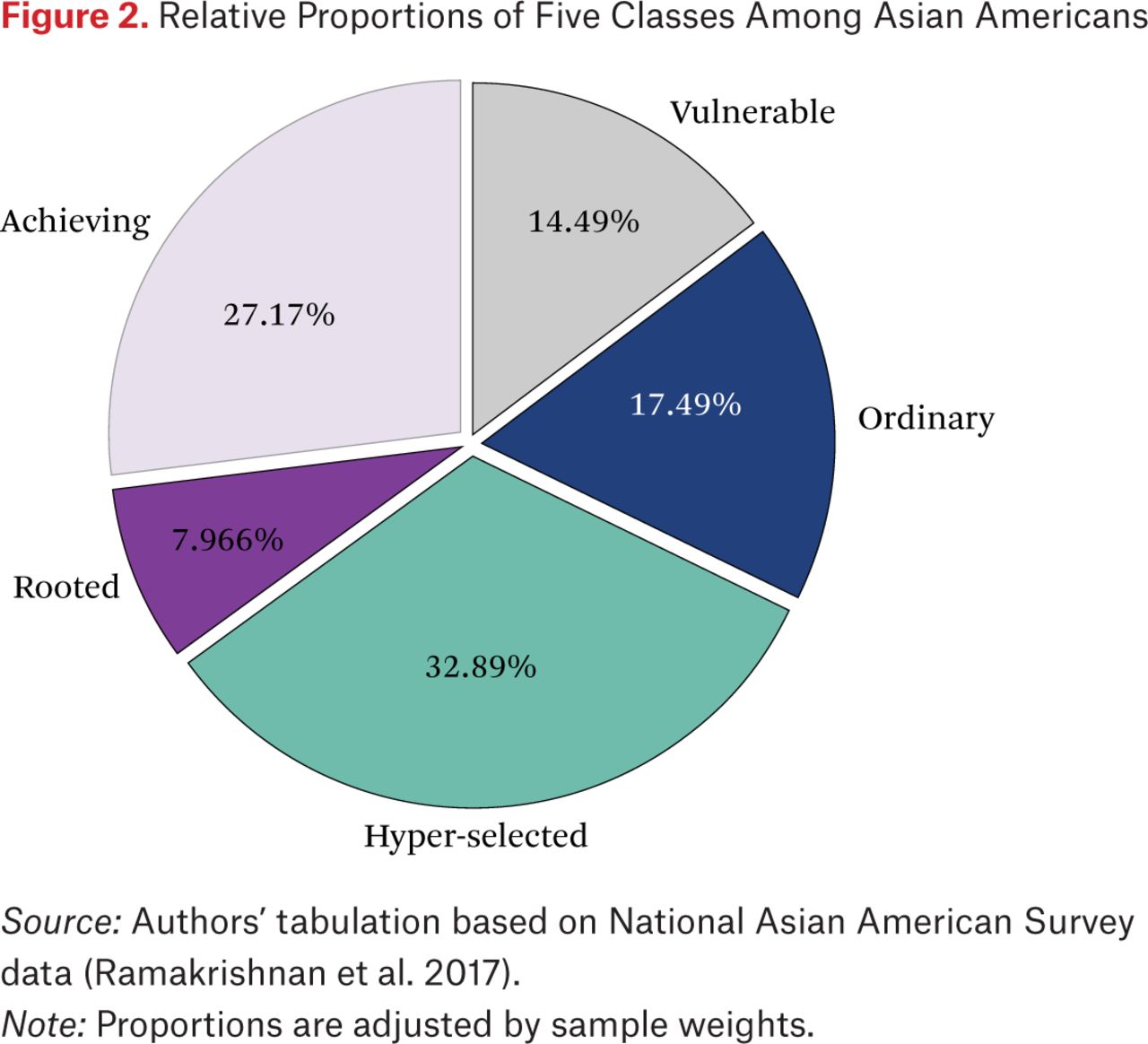
Ultimately, future-proofing a brand requires building adaptable frameworks for understanding and engaging with diverse populations. This means moving beyond rigid demographic boxes to embrace a more nuanced, empathetic, and culturally intelligent approach to market segmentation, communication, and corporate values. It involves a continuous commitment to learning, listening, and evolving alongside the communities a brand serves.
The question “what race are Asians?” is not merely a request for a categorical answer but a prompt for deeper inquiry. For brands, it signifies the need to embark on a journey of cultural discovery, to understand the intricate tapestry of identities that make up the “Asian” demographic, and to leverage this understanding to build stronger, more authentic, and more impactful brands in a truly multicultural world. By embracing this complexity, brands can move from simply selling products to truly connecting with people, fostering loyalty, and driving meaningful impact.
aViewFromTheCave is a participant in the Amazon Services LLC Associates Program, an affiliate advertising program designed to provide a means for sites to earn advertising fees by advertising and linking to Amazon.com. Amazon, the Amazon logo, AmazonSupply, and the AmazonSupply logo are trademarks of Amazon.com, Inc. or its affiliates. As an Amazon Associate we earn affiliate commissions from qualifying purchases.