
In the bustling landscape of modern commerce, the acronym “CPG” often floats around, particularly within marketing, retail, and business strategy discussions. But what exactly does it signify? CPG, an abbreviation for Consumer Packaged Goods, refers to everyday items that consumers purchase repeatedly and at a relatively low cost. These are the staples that fill our pantries, adorn our bathrooms, and are essential for daily life. Understanding CPG brands is fundamental to grasping a significant portion of the global economy, the intricacies of consumer behavior, and the strategies employed by companies to reach and retain their customer base. This article delves into the essence of CPG brands, exploring their characteristics, their diverse product categories, the unique challenges and opportunities they face, and their profound impact on our lives.
The Ubiquitous Nature of CPG Brands and Their Defining Characteristics
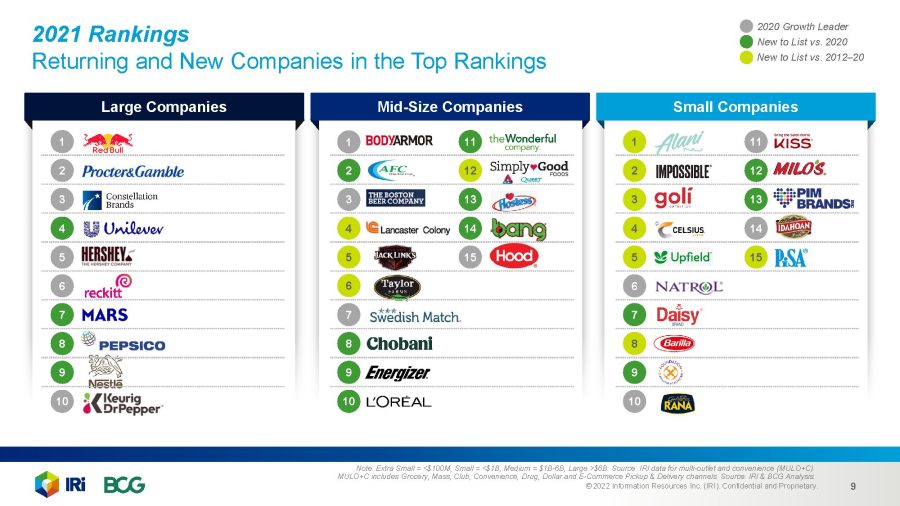
CPG brands are so ingrained in our daily routines that we often overlook their distinct nature. They are the silent architects of convenience and habit, present in virtually every household and purchasing decision. Their ubiquity is not accidental; it’s a testament to well-honed branding and marketing strategies that prioritize accessibility, affordability, and consistent quality.
Defining CPG: More Than Just “Stuff”
At its core, CPG encompasses a broad spectrum of products characterized by their rapid turnover. This means consumers tend to buy them frequently, often on a weekly or bi-weekly basis, unlike durable goods such as cars or appliances. Examples are abundant and diverse: the toothpaste you use each morning, the cereal you eat for breakfast, the cleaning supplies that keep your home tidy, the snacks you grab on the go, and the beverages you drink throughout the day.
Key characteristics that define CPG products include:
- Low Price Point: While prices can vary, CPG items are generally affordable, making them accessible to a wide consumer base. This contrasts with high-ticket items that require significant financial planning.
- High Sales Volume: Due to their frequent purchase cycles and broad appeal, CPG products are sold in massive quantities. This volume is crucial for the profitability of CPG companies.
- Short Shelf Life: Many CPG products have a limited shelf life, necessitating a continuous supply chain and prompt consumer purchase. This applies particularly to food and beverage items.
- Mass Market Appeal: CPG brands aim to serve a large segment of the population, often transcending specific demographics or niche interests, though segmentation within CPG is a critical marketing strategy.
- Branding and Packaging: Distinctive branding and eye-catching packaging are paramount in the CPG sector. With so many similar products on shelves, a brand’s ability to stand out and communicate its value proposition quickly is vital for capturing consumer attention.
The Psychological Impact of CPG Brands
CPG brands often tap into emotional connections and ingrained habits. Think about the comfort associated with a familiar breakfast cereal from childhood or the perceived trustworthiness of a laundry detergent brand passed down through generations. These brands become more than just products; they evolve into symbols of reliability, nostalgia, or aspirational lifestyles.
The constant exposure to CPG brands through advertising, in-store placement, and digital media fosters brand recognition and loyalty. This psychological anchoring influences purchasing decisions, often leading consumers to choose brands they know and trust, even when presented with alternatives. The perceived value isn’t just about the product’s functional benefits but also about the emotional resonance and the ease of making a familiar choice.
Navigating the Diverse Landscape of CPG Product Categories
The CPG industry is incredibly diverse, encompassing a vast array of product categories that cater to nearly every human need and desire. This segmentation allows brands to specialize and target specific consumer preferences within the broader CPG market.
Food and Beverages: The Cornerstones of CPG
This is arguably the largest and most visible segment of the CPG market. It includes everything from fresh produce and packaged meats to pantry staples, snacks, and a wide variety of beverages.
- Staples: Canned goods, pasta, rice, flour, sugar, cooking oils – these are the foundational items of any household kitchen. Brands in this sub-segment often compete on price and perceived quality.
- Packaged Foods: Cereals, crackers, cookies, ready-to-eat meals, sauces, and condiments fall under this umbrella. Innovation in flavors, healthier options, and convenience features are key drivers here.
- Beverages: From water and soft drinks to juices, coffee, tea, and alcoholic beverages, this category is vast. Brand loyalty is often very high in this segment, influenced by taste, perceived health benefits, and lifestyle associations.
- Snacks: Chips, nuts, granola bars, and confectionery are impulse buys and a significant part of the CPG landscape. Brands focus on taste, convenience, and innovative packaging to appeal to on-the-go consumers.
Health and Beauty: Personal Care Essentials
This category covers products related to personal hygiene, grooming, and cosmetics. These are items that consumers use regularly to maintain their appearance and well-being.
- Oral Care: Toothpaste, toothbrushes, mouthwash – these are daily necessities. Brands often differentiate based on specialized benefits like whitening, sensitivity protection, or gum health.
- Personal Hygiene: Soaps, body washes, deodorants, shampoos, and conditioners are fundamental to daily routines. The market is highly competitive, with brands focusing on scent, ingredients, and perceived efficacy.
- Cosmetics and Skincare: While some premium brands exist, the mass-market segment of makeup, lotions, and other skincare products falls squarely within CPG. Brands compete on trends, ingredients, and affordability.
Household Goods: Keeping the Home Running
These are the products that consumers use for cleaning, maintenance, and general household upkeep. They are essential for a functional and pleasant living environment.
- Cleaning Supplies: Laundry detergents, dish soaps, surface cleaners, and disinfectants are vital for hygiene. Brands emphasize effectiveness, scent, and eco-friendliness.
- Paper Products: Toilet paper, paper towels, tissues, and facial tissues are recurring purchases. Quality, softness, and value for money are key considerations for consumers.
- Home Fragrance and Air Care: Air fresheners, candles, and diffusers contribute to the ambiance of a home. Brands often link their products to mood enhancement and lifestyle aspirations.
Other Notable CPG Categories
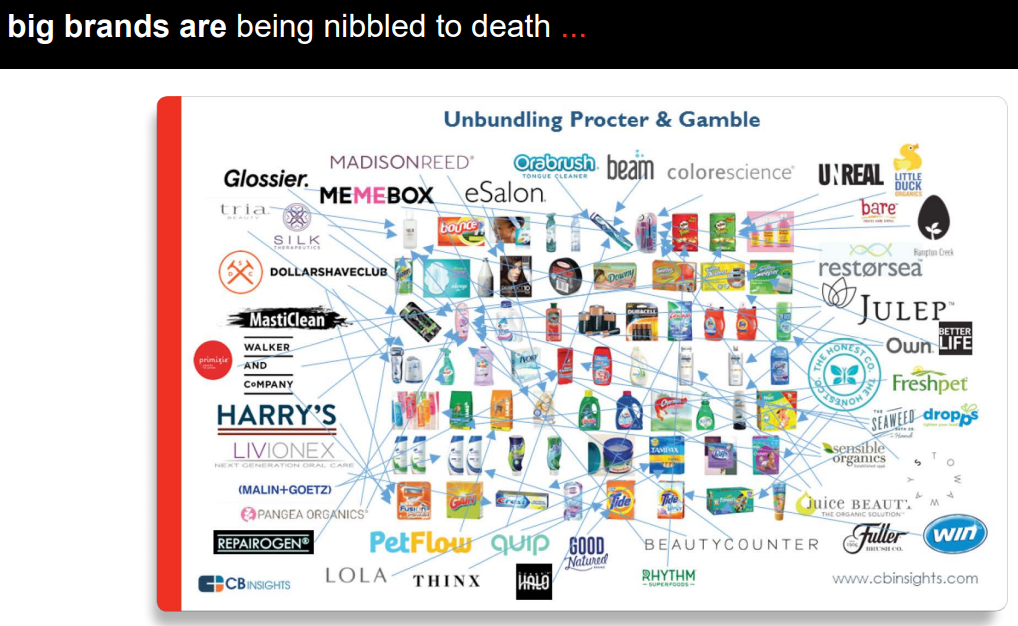
Beyond these core areas, CPG also encompasses pet food, baby care products, and even certain over-the-counter medications. Each category has its own unique market dynamics, consumer behaviors, and competitive pressures.
The Dynamic Marketing and Distribution Strategies of CPG Brands
The success of CPG brands hinges on their ability to effectively reach consumers and make their products readily available. This involves sophisticated marketing campaigns and efficient distribution networks.
The Power of Branding and Advertising
In a crowded marketplace where product differentiation can sometimes be subtle, branding is paramount. CPG brands invest heavily in creating strong brand identities that resonate with their target audiences.
- Emotional Connection: Successful CPG brands forge emotional connections with consumers. This can be achieved through storytelling, associating the brand with positive values, or evoking nostalgia. For instance, a beverage brand might be associated with summer fun and social gatherings, while a food brand might be tied to family meals and comfort.
- Visual Identity: Logos, packaging design, and color palettes are meticulously crafted to be memorable and appealing. The packaging itself acts as a silent salesperson on the shelf, communicating key product attributes and brand personality.
- Advertising Channels: CPG brands utilize a multi-channel approach to advertising, including television, print, radio, digital platforms (social media, search engines, programmatic advertising), and in-store promotions. The goal is to create consistent brand messaging across all touchpoints.
Navigating the Retail Landscape: Distribution and Shelf Space
Getting products onto store shelves and in front of consumers is a critical challenge for CPG brands. Retailers play a pivotal role in this ecosystem.
- Mass Retailers and Supermarkets: These are the primary distribution channels for most CPG products. Brands work closely with these retailers to secure shelf space, negotiate pricing, and participate in promotional programs.
- Convenience Stores and Drugstores: These outlets cater to impulse purchases and immediate needs, making them crucial for certain CPG categories like snacks, beverages, and personal care items.
- E-commerce and Direct-to-Consumer (DTC): The rise of online shopping has presented new opportunities and challenges. CPG brands are increasingly leveraging e-commerce platforms and even developing their own DTC channels to reach consumers directly, offering greater convenience and potentially richer customer data.
- Trade Marketing: This refers to marketing efforts directed at retailers rather than end consumers. It involves strategies like slotting fees, promotional allowances, and cooperative advertising to incentivize retailers to stock and promote specific CPG brands.
Innovation and Adaptation in a Changing Market
The CPG landscape is not static. Consumer preferences evolve, new technologies emerge, and competitive pressures intensify. CPG brands must constantly innovate and adapt to remain relevant.
- Product Development: This includes introducing new flavors, formulations, packaging formats, and product lines. Trends like health and wellness, sustainability, and plant-based alternatives are significant drivers of innovation.
- Supply Chain Efficiency: Given the high volume and often perishable nature of CPG products, an efficient and robust supply chain is crucial. This involves managing inventory, logistics, and production to ensure timely delivery and minimize waste.
- Data Analytics: CPG companies are increasingly using data analytics to understand consumer behavior, track sales performance, and personalize marketing efforts. This data-driven approach helps them make more informed decisions about product development, marketing, and distribution.
The Enduring Influence and Future of CPG Brands
CPG brands are more than just a collection of products; they are deeply interwoven into the fabric of modern society, shaping our consumption habits, influencing our daily routines, and reflecting cultural trends. Their enduring influence stems from their accessibility, their ability to meet fundamental needs, and the psychological connections they cultivate with consumers.
Impact on Consumer Behavior and Lifestyles
The constant presence and strategic marketing of CPG brands have a profound impact on consumer behavior. They establish norms, create desires, and often influence our purchasing decisions before we even consciously realize it. The convenience they offer simplifies daily life, allowing individuals to focus their time and energy on other pursuits. Furthermore, CPG brands often act as signals of status, identity, and belonging, aligning with aspirational lifestyles or reinforcing cultural values.
The Evolving Role of Sustainability and Ethics
In recent years, consumers have become increasingly aware of the environmental and social impact of their purchasing choices. This has led to a growing demand for CPG brands to adopt more sustainable practices, from sourcing raw materials to packaging and distribution. Brands that demonstrate a genuine commitment to ethical sourcing, reduced waste, and environmental stewardship are increasingly favored by conscious consumers. Transparency in these practices is no longer a bonus but a critical expectation.
The Digital Transformation of CPG
The digital age has dramatically reshaped how CPG brands connect with consumers. Social media has become a powerful tool for building communities, engaging in direct dialogue, and launching viral marketing campaigns. E-commerce has opened new avenues for distribution and customer acquisition, while the rise of influencer marketing allows brands to tap into trusted voices within specific niches. The ability to leverage data from digital interactions is paramount for understanding consumer preferences at a granular level and tailoring marketing messages accordingly.
The Future Outlook: Personalization and Purpose
Looking ahead, the future of CPG brands will likely be characterized by an even greater emphasis on personalization and purpose. Consumers will expect brands to understand their individual needs and preferences, offering tailored product recommendations and customized experiences. Brands that can articulate a clear sense of purpose beyond profit – addressing social or environmental issues, for example – will resonate more deeply with a generation of consumers who seek to align their purchasing power with their values. The ongoing innovation in product development, coupled with sophisticated digital strategies and a commitment to sustainability, will ensure that CPG brands continue to be a dominant force in the global marketplace, quietly shaping our lives one purchase at a time.
aViewFromTheCave is a participant in the Amazon Services LLC Associates Program, an affiliate advertising program designed to provide a means for sites to earn advertising fees by advertising and linking to Amazon.com. Amazon, the Amazon logo, AmazonSupply, and the AmazonSupply logo are trademarks of Amazon.com, Inc. or its affiliates. As an Amazon Associate we earn affiliate commissions from qualifying purchases.