
When individuals consider using Depo-Provera, commonly known as the Depo shot, their primary focus often lies on its efficacy as a birth control method and the immediate physical side effects. However, a comprehensive understanding requires looking beyond the clinical symptoms to the often-overlooked financial ramifications that these side effects can entail. While the Depo shot is an effective contraceptive, its potential adverse reactions can create a complex web of direct medical costs, lost income, and long-term financial planning challenges, deeply impacting one’s personal financial health. This article delves into the financial dimension of Depo shot side effects, equipping individuals with a more holistic view for informed decision-making.

Beyond the Clinical: Understanding the Financial Burden of Depo Shot Side Effects
The medical side effects of the Depo shot, such as weight changes, mood shifts, irregular bleeding, and potential bone density loss, are well-documented. Yet, each of these symptoms carries an implicit financial tag that can significantly alter an individual’s budget and financial stability. Understanding these potential costs is crucial for anyone considering or currently using this method of contraception.
Direct Medical Costs: Managing Adverse Reactions
One of the most immediate financial impacts stems from the necessity to manage any adverse reactions that arise. When side effects manifest, they often necessitate additional medical intervention, leading to a cascade of expenses.
- Doctor Visits and Consultations: Experiencing symptoms like persistent irregular bleeding, severe headaches, or mood disturbances often prompts follow-up visits to a primary care physician, gynecologist, or even specialists. Each consultation, even with insurance, typically involves co-pays or deductibles. For those without adequate health insurance, these fees can quickly accumulate, ranging from tens to hundreds of dollars per visit.
- Diagnostic Tests and Lab Work: To understand the cause or severity of a side effect, doctors may order various tests. For instance, irregular bleeding might lead to ultrasounds or hormonal blood tests. Concerns about bone density loss could necessitate a DEXA scan. These diagnostic procedures, while vital for health management, come with their own costs, which can range from modest co-pays to several hundred dollars, depending on the test and insurance plan.
- Prescription Medications for Symptom Management: Sometimes, side effects are managed with additional medications. For example, individuals experiencing severe mood swings might be prescribed antidepressants or anxiety medications. Those dealing with bone density issues might require calcium and Vitamin D supplements or even more potent bone-strengthening drugs. The ongoing cost of these prescriptions can become a regular drain on a monthly budget, especially if generic options are unavailable or ineffective.
- Specialist Referrals: Persistent or severe side effects might warrant referrals to specialists. A mental health professional for mood disorders, an endocrinologist for hormonal imbalances, or an orthopedic specialist for bone health issues each represent additional layers of consultation fees, potential new diagnostic tests, and specialized treatment plans, all contributing to a growing financial outlay.
The cumulative effect of these direct medical costs can quickly escalate, diverting funds intended for savings, debt repayment, or other essential expenses. It underscores the importance of having a robust emergency fund or health savings account (HSA) to absorb such unforeseen medical expenditures.
Indirect Financial Strain: Impact on Daily Life and Income
Beyond direct medical bills, the side effects of the Depo shot can also cast a long shadow over an individual’s earning capacity and daily financial responsibilities. These indirect costs are often harder to quantify but can be equally, if not more, impactful.
- Loss of Productivity and Workdays: Severe side effects, such as debilitating migraines, intense fatigue, or significant mood disturbances, can impair an individual’s ability to perform their job effectively or even show up for work. Frequent sick days or reduced productivity can lead to lost wages, diminished performance reviews, or even job insecurity in extreme cases. For hourly workers or those in commission-based roles, this can translate directly into a noticeable drop in monthly income.
- Impact on Career Progression: Chronic or severe side effects can make it challenging to maintain consistent performance, take on new responsibilities, or pursue career advancement opportunities. If health issues frequently interfere with work, it can hinder promotions or lead to missed opportunities for higher-paying positions, thus impacting long-term earning potential and financial growth.
- Childcare and Dependent Care Costs: For parents, coping with severe side effects might mean needing additional help with childcare or household tasks. If a parent is incapacitated by fatigue or other symptoms, they might need to hire temporary help or rely more heavily on paid services, adding unexpected costs to the family budget. This can be particularly burdensome for single-parent households or those with limited support networks.
- Increased Transportation Costs: Frequent medical appointments to manage side effects can also lead to increased transportation costs, whether it’s fuel, public transport fares, or ride-sharing services, further chipping away at disposable income.
These indirect financial strains highlight how health decisions can ripple through various aspects of personal finance, making it essential to consider them when evaluating any medical treatment.
Navigating Potential Long-Term Financial Implications
Some side effects associated with the Depo shot are not just immediate inconveniences but potential long-term health concerns that can have profound and lasting financial consequences. Planning for these eventualities is a critical component of comprehensive financial wellness.
Bone Density Loss and Future Healthcare Expenses
One of the most significant long-term concerns with Depo-Provera is its association with a reversible loss of bone mineral density. While bone density typically recovers after discontinuing the shot, prolonged use or susceptibility to bone loss can pose a serious risk.
- Risk of Osteoporosis and Related Fractures: In some cases, significant bone density loss could potentially contribute to an increased risk of osteoporosis later in life, particularly if other risk factors are present. Osteoporosis can lead to debilitating fractures, especially of the hip, spine, and wrist. The medical costs associated with treating a fracture—surgery, hospitalization, rehabilitation, and long-term care—can be astronomical, easily running into tens of thousands of dollars, even with good insurance.
- Long-Term Treatment and Monitoring: Individuals identified with significant bone density issues might require ongoing monitoring, specialized diets, supplements, and potentially expensive prescription medications designed to strengthen bones. These treatments can be long-term, creating a continuous financial drain for years or even decades.
- Impact on Health Insurance Premiums and Eligibility: A history of significant health issues like osteoporosis or frequent fractures can potentially impact future health insurance premiums or the types of coverage available, especially in markets where pre-existing conditions might be factored into policy pricing (though less common under current U.S. law, future changes are always a possibility, and international markets vary).
The potential for bone density loss underscores the importance of discussing long-term health projections and associated financial risks with healthcare providers and financial advisors.
Mental Health Support and Financial Outlays
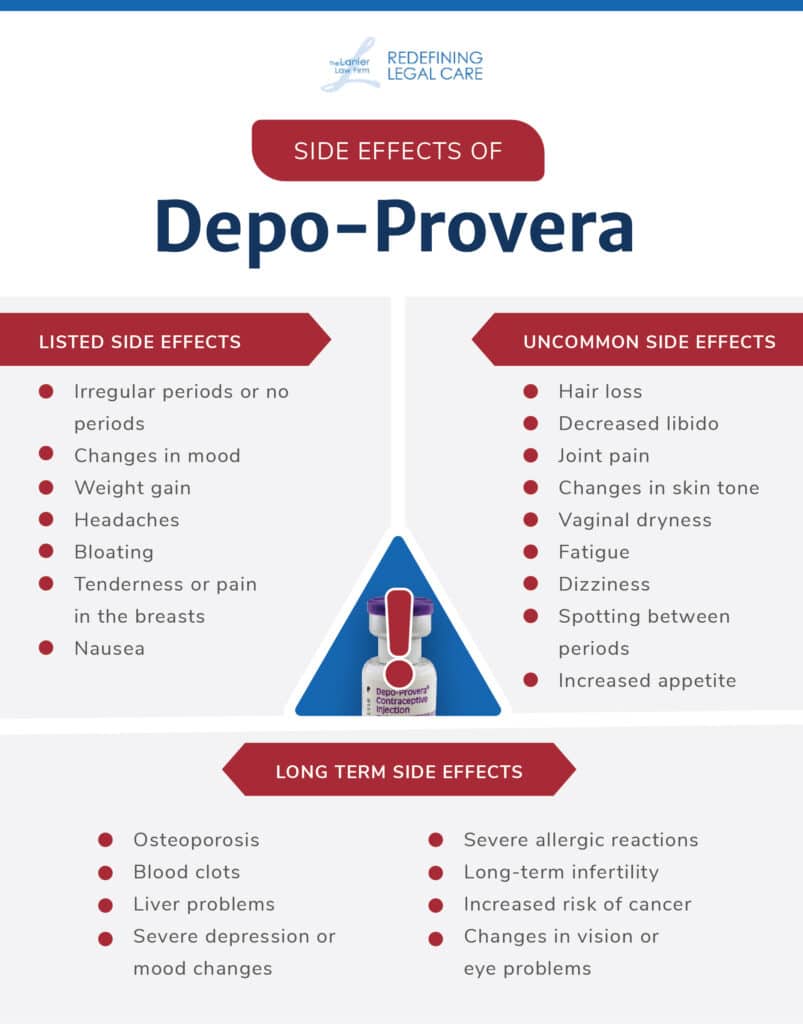
Mood changes, including depression and anxiety, are reported side effects of the Depo shot for some users. While often reversible, these conditions can require professional intervention, leading to significant financial outlays.
- Costs of Therapy and Counseling: Seeking professional help for depression, anxiety, or severe mood swings—from a therapist, psychologist, or psychiatrist—can be expensive. Therapy sessions typically range from $75 to $200 per hour or more, and while insurance may cover a portion, co-pays can still add up, especially with regular weekly or bi-weekly sessions.
- Psychiatric Medication Expenses: If medication is deemed necessary for mental health management, the monthly cost of prescriptions can become a significant recurring expense, similar to other ongoing medical treatments.
- Difficulty Maintaining Employment or Relationships: Severe or untreated mental health issues can lead to prolonged periods of unemployment, underemployment, or significant relationship strain, indirectly affecting financial stability and support networks. The compounded stress of financial difficulties and mental health challenges can create a vicious cycle that is costly to break.
Investing in mental health support is crucial for overall well-being, but the financial commitment required is a vital consideration when evaluating the Depo shot’s suitability.
Financial Preparedness: Strategies for Depo Users
Given the potential financial implications of Depo shot side effects, proactive financial planning becomes an indispensable tool for current and prospective users. Integrating health considerations into personal finance strategies can mitigate unexpected burdens.
Budgeting for Unexpected Medical Costs
A robust financial plan should always account for unforeseen medical expenses, which can be particularly relevant for those on the Depo shot.
- Building a Dedicated Emergency Fund: Establishing an emergency fund specifically for health-related costs is paramount. This fund should ideally cover at least 3-6 months of essential living expenses, with a portion earmarked for medical co-pays, deductibles, and prescription costs not fully covered by insurance. This acts as a financial buffer against the direct medical costs of managing side effects.
- Reviewing Health Insurance Plans Annually: It’s crucial to understand your health insurance coverage in detail. Regularly review your plan’s co-pays, deductibles, out-of-pocket maximums, and coverage for specialists, mental health services, and diagnostic tests. Consider if a higher-premium plan with lower out-of-pocket costs might be more financially prudent if you anticipate needing frequent medical attention for side effects. Utilizing Health Savings Accounts (HSAs) or Flexible Spending Accounts (FSAs) can also provide tax-advantaged ways to save for these expenses.
- Tracking Medical Expenses: Keeping meticulous records of all medical expenses, including doctor visits, tests, and prescriptions, can help in budgeting, tax planning (for potential medical expense deductions), and monitoring overall health spending.
Seeking Financial Counseling and Support
When medical costs become overwhelming, understanding available financial resources and seeking professional guidance can be invaluable.
- Resources for Managing Medical Debt: If side effects lead to significant medical debt, exploring options like payment plans with providers, negotiating bills, or understanding medical debt relief programs can be crucial. Many hospitals have financial assistance programs or charity care policies.
- Understanding Patient Assistance Programs: For high-cost medications used to manage side effects, many pharmaceutical companies offer patient assistance programs that can reduce or eliminate prescription costs for eligible individuals. Researching these programs can lead to substantial savings.
- Financial Advisors Specializing in Healthcare Costs: Some financial advisors specialize in helping clients navigate healthcare costs, retirement health planning, and insurance options. Consulting with such an expert can provide personalized strategies for managing the financial aspects of health conditions.
Informed Decisions: Weighing Health and Financial Wellness
Ultimately, the decision to use the Depo shot involves a careful weighing of its benefits against its potential risks, both health-wise and financially. An informed choice integrates both dimensions for holistic well-being.
Comprehensive Consultation: Discussing All Facets with Providers
Before starting or continuing the Depo shot, engage in a thorough discussion with your healthcare provider that extends beyond just the clinical efficacy and potential side effects.
- Asking About Potential Side Effects AND Their Management Costs: Explicitly inquire about the most common and severe side effects, but also ask how these would typically be managed and what the average costs associated with that management would be. For example, “If I experience severe headaches, what’s the typical diagnostic process, and what costs should I anticipate for specialist visits or medications?”
- Exploring Alternative Birth Control Methods and Their Financial Profiles: Discuss other contraceptive options. While some methods might have higher upfront costs, their long-term financial implications regarding side effect management might be lower. Compare the complete financial picture, including regular visits, prescriptions, and potential side effect management, for each option.
- Personal Risk Assessment: Discuss your personal health history, pre-existing conditions, and lifestyle factors that might predispose you to certain side effects or influence the financial impact of managing them. For instance, if you already have a history of mood disorders, this factor could heighten the potential financial need for mental health support.

Personal Financial Health Check Before Committing
Just as a medical check-up is recommended, a personal financial health check can be beneficial before making long-term medical decisions with potential financial repercussions.
- Assessing Current Financial Stability: Evaluate your current financial standing. Do you have an emergency fund? Is your health insurance robust? Can you comfortably absorb unexpected medical costs without jeopardizing other financial goals?
- Contingency Planning: Consider “what if” scenarios. What if you experience a severe side effect that requires extensive and costly treatment? How would that impact your income, savings, and overall financial plan? Having a contingency plan, even if it’s just knowing your options, can provide peace of mind.
By consciously integrating financial considerations into the decision-making process for the Depo shot, individuals can better prepare for potential challenges, protect their financial well-being, and make choices that support both their health and their economic stability. The side effects of medical treatments are not solely clinical; they are also deeply financial, demanding a comprehensive and financially astute approach to personal health management.
aViewFromTheCave is a participant in the Amazon Services LLC Associates Program, an affiliate advertising program designed to provide a means for sites to earn advertising fees by advertising and linking to Amazon.com. Amazon, the Amazon logo, AmazonSupply, and the AmazonSupply logo are trademarks of Amazon.com, Inc. or its affiliates. As an Amazon Associate we earn affiliate commissions from qualifying purchases.