
The question of “what religion is Poland” is far more than a simple demographic inquiry; it delves into the very core of the nation’s identity, its historical trajectory, and its enduring cultural fabric. For centuries, a singular faith has woven itself so deeply into the Polish psyche that it has become an indelible part of its national brand. This isn’t merely about statistics of adherence; it’s about the pervasive influence of religion on societal values, political discourse, artistic expression, and the collective memory that defines Poland on the global stage. Understanding Poland’s relationship with its dominant religion is crucial to grasping the nuances of its national character and how it presents itself to the world.
The Enduring Pillars of Polish Identity: Catholicism’s Historical Hegemony
From its very inception as a unified state, Poland has been profoundly shaped by the Roman Catholic Church. This historical dominance has not been a passive acceptance but an active, often defiant, embrace that has cemented Catholicism as a cornerstone of Polish identity, influencing everything from political alliances to everyday life. The narrative of Poland’s faith is one of resilience, where religious affiliation became synonymous with national survival, especially during periods of foreign occupation and suppression.
The Baptism of Poland and the Genesis of a National Brand
The official adoption of Christianity in 966 AD by Duke Mieszko I, known as the Baptism of Poland, marked a pivotal moment. This act wasn’t just a spiritual conversion; it was a strategic political maneuver designed to integrate the nascent Polish state into the Western European cultural and political sphere, aligning it with Christendom and the Holy Roman Empire. This foundational event immediately began to forge a distinct Polish brand, one intrinsically linked to the Latin Rite of Catholicism. It provided a unifying force for disparate Slavic tribes, establishing a shared cultural and religious identity that would serve as a bulwark against external pressures and a foundation for future statehood.
Catholicism as a Symbol of Resistance and National Sovereignty
Throughout its tumultuous history, particularly during periods of partition by neighboring empires (Russia, Prussia, and Austria) and under communist rule, the Catholic Church in Poland became a powerful symbol of national resistance and an unwavering bastion of Polish identity. When the state was absent or oppressed, the Church often stepped into the void, preserving language, culture, and a sense of self. Priests acted as community leaders, and churches served as clandestine centers for national discourse and spiritual fortitude. This deep-seated connection between faith and nationhood meant that to be Polish was, in the eyes of many, to be Catholic. This association became a crucial element of Poland’s brand, projecting an image of a nation steadfast in its faith and resilient in its spirit, even in the face of overwhelming adversity.
The Post-Communist Era: Reassertion and Evolving Influence
The fall of communism in 1989 witnessed a dramatic resurgence of the Catholic Church’s public presence and influence. After decades of state-sanctioned atheism and religious suppression, the Church emerged as a significant moral and social authority. This period saw a powerful reassertion of traditional values, with religious institutions playing a prominent role in public life, education, and political discourse. This reaffirmed faith contributed to a renewed sense of national pride and a distinct brand image that emphasized traditionalism and a strong moral compass, often differentiating Poland from its more secularized Western European neighbors. The Church’s continued prominence in public life, including its role in national celebrations and its influence on legislative debates, solidified its position as a key component of Poland’s enduring national brand.
Beyond the Dominant Faith: A Spectrum of Beliefs and Their Impact on Poland’s Brand
While Catholicism undeniably forms the bedrock of Poland’s religious identity and brand, it is essential to acknowledge the presence and historical contributions of other faiths. These minority religions, though smaller in number, have also subtly influenced the Polish narrative, adding layers of complexity and diversity to its national brand, and in some instances, acting as catalysts for challenging or refining the dominant religious narrative.
The Historical Tapestry of Other Faiths in Poland
Poland’s history is not solely a Catholic story. For centuries, significant Jewish, Protestant, Orthodox Christian, and Muslim communities thrived within its borders, contributing immensely to its cultural and economic landscape. The interwar period, in particular, saw a vibrant multiculturalism, where different religious groups coexisted, albeit sometimes with challenges. Jewish communities, for example, were integral to Polish urban life, trade, and intellectual circles. Protestant communities, particularly in regions like Silesia and Wielkopolska, fostered distinct cultural traditions and economic practices. The presence of these diverse groups, even when diminished by historical tragedies like the Holocaust and post-war population shifts, has left an indelible mark on Poland’s historical brand, hinting at a past that was more religiously pluralistic than often remembered.
The Modern Landscape: Evolving Demographics and Religious Pluralism
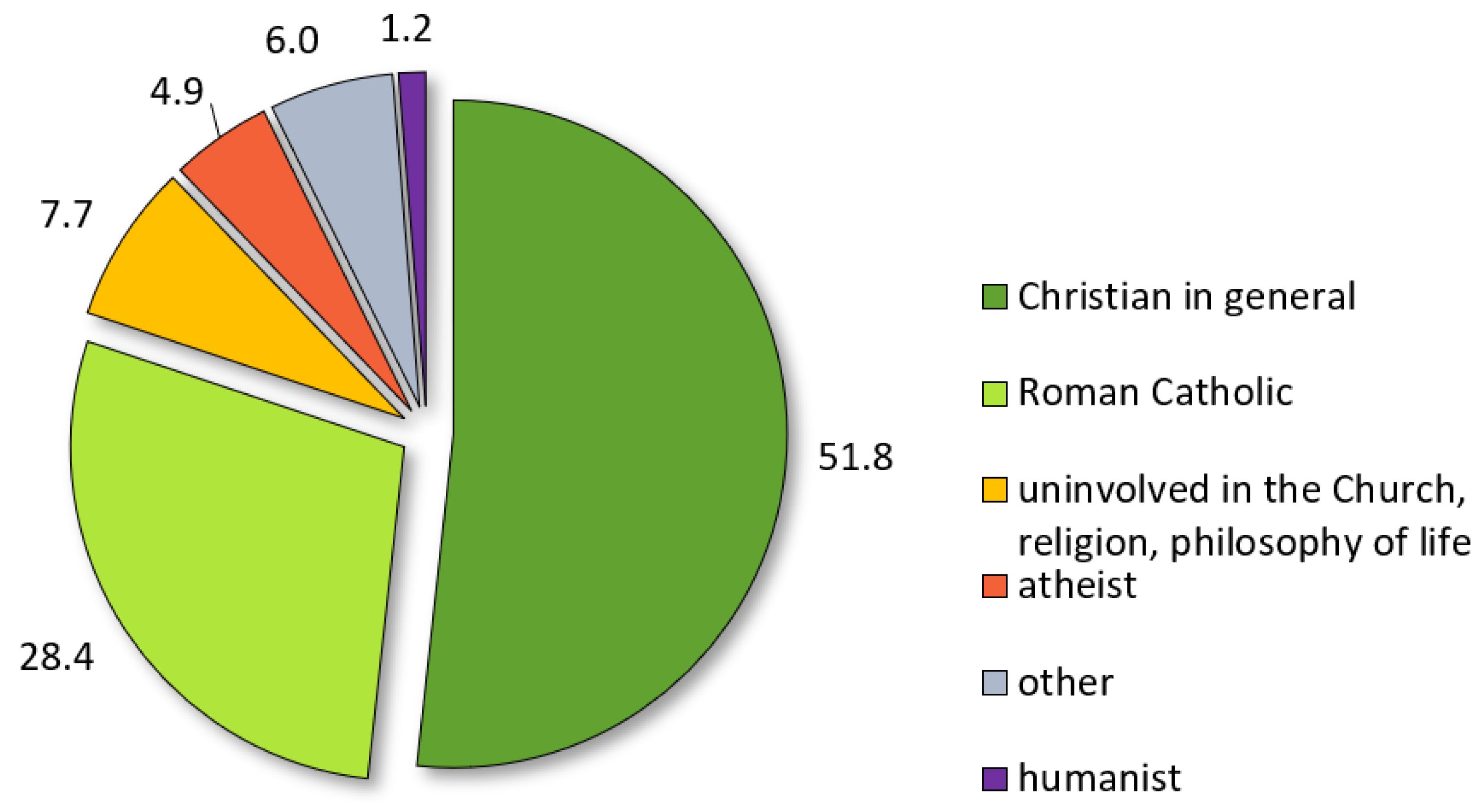
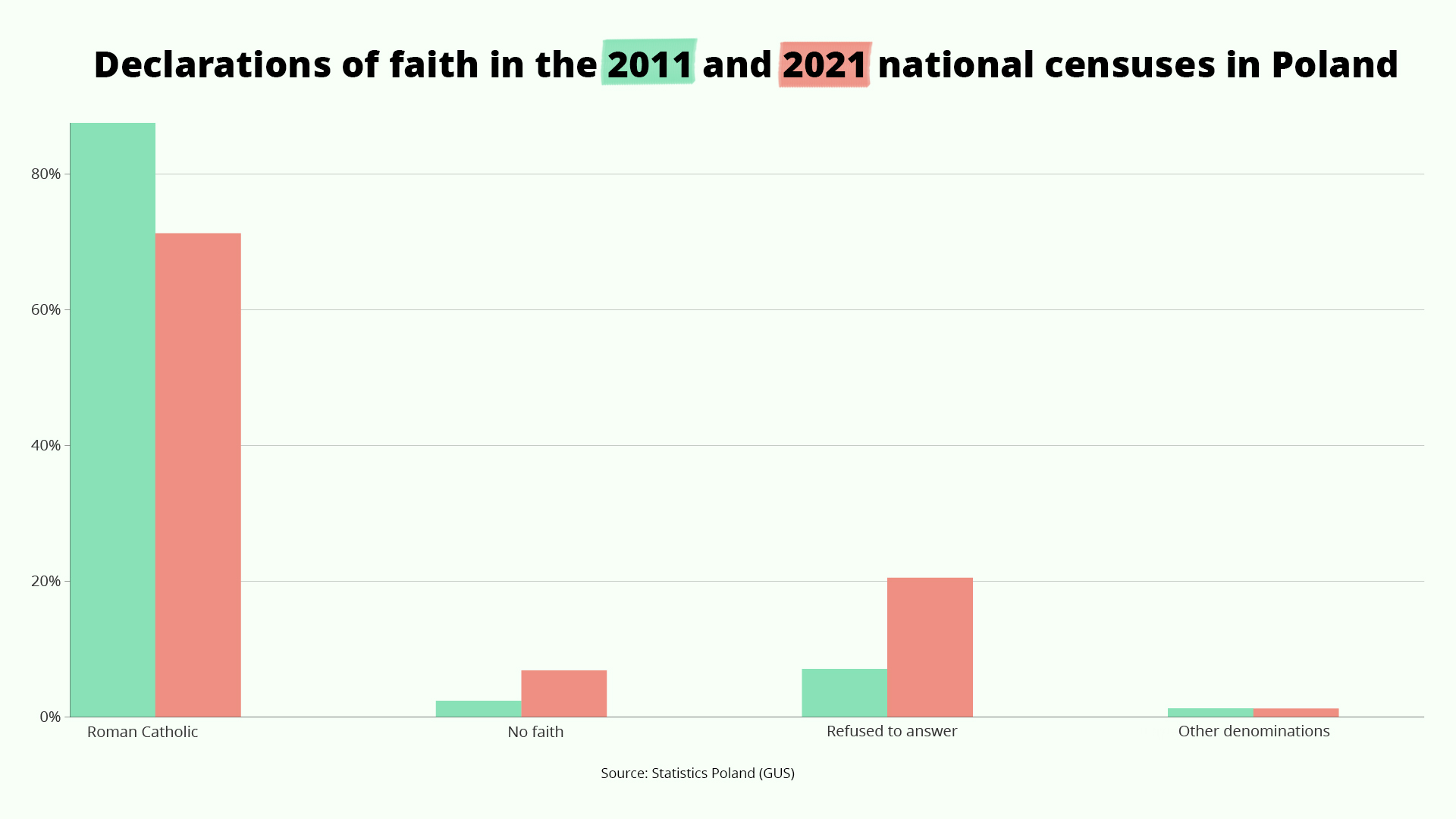
In contemporary Poland, while Catholicism remains dominant, there is a growing, albeit gradual, trend towards religious pluralism and secularization. Increased mobility, immigration, and the influence of globalized culture are leading to a more diverse religious landscape. While the majority continues to identify as Catholic, there are growing numbers of individuals who identify with no religion or belong to smaller Christian denominations, as well as other faiths. This evolving demographic presents an opportunity for Poland’s national brand to embrace a more nuanced and inclusive image, one that recognizes the contributions of all its citizens and reflects a more modern, outward-looking society. The challenge lies in integrating this growing diversity into the national narrative without diluting the historical resonance of its predominantly Catholic identity.
The Impact of Non-Catholic Narratives on the Polish Brand
The presence of non-Catholic groups, and indeed the increasing secularization, has begun to subtly influence the perception of Poland’s national brand. For some, the strong Catholic identity is a source of pride, projecting an image of a nation with deep-rooted traditions and unwavering moral values. For others, particularly in international contexts, this strong identification can sometimes be perceived as insular or out of step with more secularized Western European nations. As Poland continues to engage with the global community, the narrative of its religious identity may need to evolve to present a more multifaceted brand that encompasses both its historical religious heritage and its contemporary embrace of diversity and individual freedoms. This evolution could strengthen its appeal as a modern, dynamic European nation.
The Contemporary Brand: Poland’s Faith in a Globalized World
In the 21st century, Poland’s brand is a complex interplay of its deeply ingrained religious heritage and the realities of a globalized, increasingly interconnected world. The enduring influence of Catholicism shapes its internal societal dynamics and external perceptions, while new influences and challenges continually reshape its national identity and how it is presented to the international community.
Faith as a Differentiator: Poland’s Unique Selling Proposition
Poland’s strong Catholic identity has become a distinct selling proposition in the European market. It offers a narrative of tradition, historical depth, and a perceived moral anchor in a rapidly changing world. This can appeal to tourists seeking cultural authenticity, investors looking for stable social environments, and partners who value traditional diplomatic relationships. The image of a nation deeply connected to its faith is a powerful element of its national brand, providing a point of differentiation from more secularized counterparts. This religious underpinning can be leveraged to create a unique and recognizable brand identity that resonates with specific international audiences.
Navigating Secularization and Modernization: A Balancing Act
The rising tide of secularization, while not yet dominating the landscape, presents a significant challenge for the traditional brand of a predominantly Catholic nation. Poland must navigate this trend by finding a balance between celebrating its religious heritage and embracing a more inclusive and secular modern identity. This means fostering an environment where religious freedom is paramount and where individuals of all beliefs, or no beliefs, feel represented and valued. The way Poland manages this transition will significantly impact its brand perception, determining whether it is seen as a nation clinging to the past or one evolving with the times while retaining its core values.

The Future of Poland’s Brand: A Syncretic Identity
The future of Poland’s national brand will likely be shaped by a syncretic identity that acknowledges and integrates its historical religious roots with the evolving realities of a modern, diverse society. This doesn’t necessitate a rejection of Catholicism, but rather a broadening of the narrative to encompass a wider spectrum of beliefs and values. By showcasing its rich cultural heritage, its democratic aspirations, and its commitment to human rights, while still honoring its faith traditions, Poland can project a powerful and authentic brand that resonates globally. The ability to present a cohesive yet multifaceted identity will be key to Poland’s continued success on the international stage.
aViewFromTheCave is a participant in the Amazon Services LLC Associates Program, an affiliate advertising program designed to provide a means for sites to earn advertising fees by advertising and linking to Amazon.com. Amazon, the Amazon logo, AmazonSupply, and the AmazonSupply logo are trademarks of Amazon.com, Inc. or its affiliates. As an Amazon Associate we earn affiliate commissions from qualifying purchases.