
The quest for understanding our health often leads us to a myriad of medical tests, each with its own acronym and purpose. Among these, the FBS test, or Fasting Blood Sugar test, is a cornerstone of diagnostic procedures, particularly for identifying and managing diabetes. While the title “What is FBS Test of Blood” might initially sound purely medical, its implications resonate deeply with broader themes of well-being, financial preparedness, and even the technology that underpins modern healthcare. This article will delve into the FBS test, exploring its medical significance, its connection to personal finance and proactive health management, and the technological advancements that make it accessible.
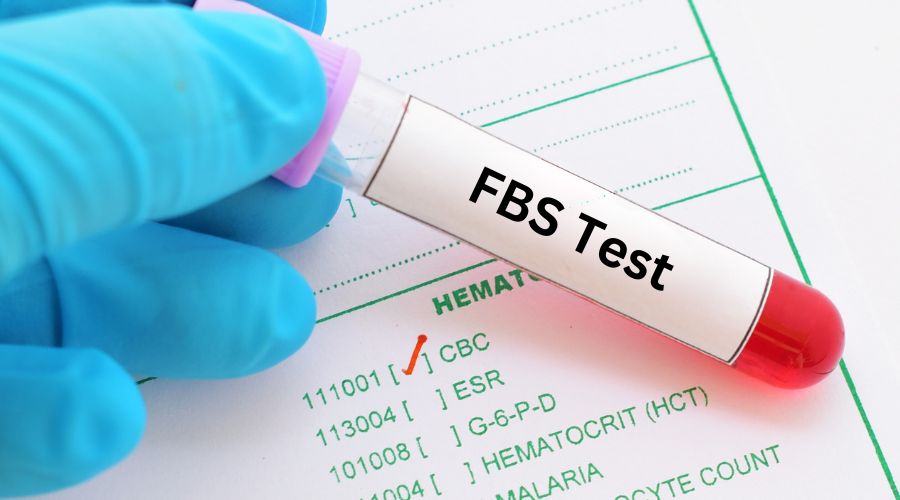
Understanding the FBS Test: A Deeper Dive into Blood Glucose
At its core, the FBS test is a simple yet powerful tool that measures the amount of glucose (sugar) circulating in your bloodstream after a period of fasting. Glucose is our body’s primary source of energy, derived from the food we consume. After digestion, carbohydrates are broken down into glucose, which then enters the bloodstream. Insulin, a hormone produced by the pancreas, plays a crucial role in regulating blood glucose levels by helping cells absorb glucose for energy or storing it for later use.
Why Fasting is Key: The Science Behind the FBS
The “Fasting” aspect of the FBS test is critical. When we eat, our blood glucose levels naturally rise as food is digested. If we were to measure blood sugar immediately after a meal, the results wouldn’t accurately reflect our body’s baseline ability to manage glucose over time. By fasting for a specified period, typically 8-12 hours (often overnight), we ensure that the blood glucose reading is representative of how our body is regulating sugar without the immediate influence of recent food intake. This baseline measurement is vital for identifying potential imbalances.
What the FBS Test Reveals: Normal Ranges and What They Mean
The FBS test provides a snapshot of our blood glucose levels, which are typically interpreted within specific ranges:
- Normal Fasting Blood Glucose: Generally considered to be between 70 to 99 milligrams per deciliter (mg/dL) for most adults. Values within this range indicate that the body is effectively managing blood sugar.
- Prediabetes: A fasting blood glucose level between 100 to 125 mg/dL suggests prediabetes. This is a condition where blood sugar levels are higher than normal but not yet high enough to be diagnosed as type 2 diabetes. Prediabetes signifies an increased risk of developing type 2 diabetes, heart disease, and stroke.
- Diabetes Mellitus: A fasting blood glucose level of 126 mg/dL or higher on two separate occasions usually indicates diabetes. This is a chronic condition where the body either doesn’t produce enough insulin or can’t effectively use the insulin it produces, leading to persistently high blood glucose levels.
It’s important to remember that these are general guidelines, and an individual’s normal range might vary slightly based on their age, health status, and other factors. Always consult with a healthcare professional for accurate interpretation of your FBS test results.
Beyond the Numbers: The Significance of FBS in Health Management
The FBS test is more than just a number; it’s a vital diagnostic tool that underpins significant health management strategies.
- Early Detection of Diabetes: The FBS test is a primary screening tool for diabetes and prediabetes. Early detection is crucial for implementing lifestyle changes and, if necessary, medical interventions to prevent or delay the progression of the disease. Untreated diabetes can lead to serious complications affecting the eyes, kidneys, nerves, heart, and blood vessels.
- Monitoring Existing Diabetes: For individuals already diagnosed with diabetes, regular FBS tests are essential for monitoring the effectiveness of their treatment plan, which may include diet, exercise, and medication. This ongoing monitoring helps healthcare providers adjust treatment as needed to keep blood glucose levels within a target range.
- Assessing Overall Metabolic Health: While primarily linked to diabetes, elevated or low FBS readings can also sometimes be indicative of other underlying health issues, such as problems with the thyroid, adrenal glands, or liver. It contributes to a broader understanding of an individual’s metabolic health.
The Financial Implications: Proactive Health and Your Bottom Line
The FBS test, while seemingly a simple medical procedure, has significant financial implications when viewed through the lens of personal finance and proactive health management. Investing in regular health screenings, including FBS tests, can be a wise financial decision in the long run.
The Cost of Prevention vs. The Cost of Treatment
Consider the stark contrast in costs associated with proactive health management versus managing chronic conditions. A routine FBS test is typically a relatively inexpensive procedure, often covered by health insurance or costing a modest amount out-of-pocket. In contrast, the long-term costs of managing diabetes and its complications can be substantial. These include:
- Medication Costs: Insulin, oral medications, and other diabetes-related prescriptions can represent a significant ongoing expense.
- Healthcare Provider Visits: Frequent check-ups with endocrinologists, primary care physicians, and other specialists are often necessary.
- Treating Complications: Managing conditions like diabetic neuropathy, retinopathy, nephropathy, and cardiovascular disease requires specialized treatments, surgeries, and ongoing care, all of which are financially burdensome.
- Lost Productivity: Chronic illness can lead to missed workdays, reduced productivity, and even disability, impacting earning potential.

Therefore, an FBS test, as an early detection mechanism, is an investment in preventing far greater financial outlays down the line. It allows for timely interventions that can mitigate the severity and cost of potential health issues.
Insurance and Financial Planning for Health
Understanding how health insurance covers FBS tests and other preventive screenings is a crucial aspect of personal finance. Many insurance plans offer comprehensive coverage for routine check-ups and diagnostic tests, recognizing their role in long-term health. Individuals should familiarize themselves with their insurance policy’s details regarding preventive care.
Furthermore, incorporating health into broader financial planning is essential. This includes:
- Budgeting for Healthcare: Allocating funds for regular medical appointments, diagnostic tests, and potential out-of-pocket medical expenses.
- Considering Health Savings Accounts (HSAs) or Flexible Spending Accounts (FSAs): These tax-advantaged accounts can help individuals save for qualified medical expenses, including preventive care like FBS tests.
- Understanding the Value of a Healthy Lifestyle: Recognizing that maintaining a healthy weight, eating a balanced diet, and engaging in regular physical activity – often recommended as a result of FBS test findings – can significantly reduce the likelihood of developing conditions like type 2 diabetes, thus saving money on future medical costs.
The FBS test serves as a tangible reminder that personal finance is intrinsically linked to personal well-being. Proactive health is not just about feeling good; it’s also about building financial resilience.
Technological Advancements in Blood Glucose Monitoring
The accessibility and accuracy of the FBS test, and indeed blood glucose monitoring in general, have been dramatically enhanced by technological advancements. These innovations have transformed how we diagnose, manage, and even continuously monitor blood sugar levels, impacting areas from digital security of health data to the development of new AI tools for analysis.
From Lab to Home: The Evolution of Testing
Historically, blood glucose testing was primarily confined to clinical laboratories. However, the advent of:
- Blood Glucose Meters (BGMs): These portable devices allow individuals to measure their blood glucose levels at home using a small drop of blood from a finger prick. They have revolutionized diabetes management by providing immediate feedback and enabling more frequent monitoring.
- Continuous Glucose Monitoring (CGM) Systems: These sophisticated devices use a small sensor inserted under the skin to continuously measure glucose levels in the interstitial fluid. They provide real-time data, trend information, and can alert users to high or low glucose levels. This technology has been a game-changer for individuals with diabetes, offering a more comprehensive understanding of their glucose fluctuations throughout the day and night.
These technologies have not only made testing more convenient but have also empowered individuals to take a more active role in managing their health.
The Role of Data and Digital Security
The data generated by modern glucose monitoring devices is vast and holds immense potential for analysis and personalized healthcare. This brings into play critical aspects of technology trends, particularly concerning digital security.
- Data Collection and Analysis: CGM systems, for example, collect data points every few minutes. This data, when analyzed by healthcare professionals or even AI algorithms, can reveal patterns and trends that might otherwise go unnoticed. This can lead to more precise treatment adjustments and a deeper understanding of individual responses to diet, exercise, and medication.
- AI and Machine Learning in Healthcare: Artificial intelligence (AI) is increasingly being used to analyze large datasets of patient information, including glucose readings. AI tools can help predict potential glucose spikes or drops, identify risk factors for complications, and even personalize treatment recommendations. This moves us closer to a future of proactive and predictive healthcare.
- Digital Security of Health Data: As more health data is collected digitally, ensuring its security and privacy becomes paramount. Robust cybersecurity measures are essential to protect sensitive patient information from breaches and unauthorized access. This is a critical concern for individuals and healthcare providers alike, influencing the trust and adoption of new health technologies.
- Wearable Technology and Apps: The integration of glucose monitoring data with wearable devices and health apps further enhances the user experience. These apps can track diet, exercise, and medication, providing a holistic view of an individual’s health and enabling better informed lifestyle choices.
The ongoing evolution of technology in blood glucose monitoring promises even more innovative solutions in the future, making health monitoring more integrated, personalized, and data-driven.

Conclusion: The FBS Test – A Bridge Between Health, Wealth, and Technology
The FBS test of blood is far more than a simple medical check-up. It stands at the intersection of our physical well-being, our financial prudence, and the ever-evolving landscape of technology. Understanding what an FBS test is, its significance for health, and its broader implications allows us to approach our health journey with greater awareness and a more holistic perspective.
From identifying potential health risks early on, thereby saving future medical expenses, to leveraging cutting-edge technologies for accurate and convenient monitoring, the FBS test embodies a proactive approach to life. By staying informed about our bodies, managing our finances wisely, and embracing the advancements that technology offers, we can all strive for a healthier, more secure, and ultimately, a more fulfilling life.
aViewFromTheCave is a participant in the Amazon Services LLC Associates Program, an affiliate advertising program designed to provide a means for sites to earn advertising fees by advertising and linking to Amazon.com. Amazon, the Amazon logo, AmazonSupply, and the AmazonSupply logo are trademarks of Amazon.com, Inc. or its affiliates. As an Amazon Associate we earn affiliate commissions from qualifying purchases.