
In the landscape of modern scholarship and professional technical writing, the American Psychological Association (APA) style has evolved far beyond a mere set of grammatical rules. It has become a standardized data architecture for the exchange of scientific information. While traditionally associated with social sciences, APA format citation is now a critical component of the EdTech ecosystem, dictating how citation management software, AI writing assistants, and digital databases organize human knowledge.
Understanding APA format is no longer just about knowing where a comma goes; it is about understanding the metadata structures that allow digital repositories to index, retrieve, and cross-reference millions of scholarly articles. This guide explores the technical foundations of APA citation, the software tools that automate these processes, and the role of artificial intelligence in maintaining academic integrity.
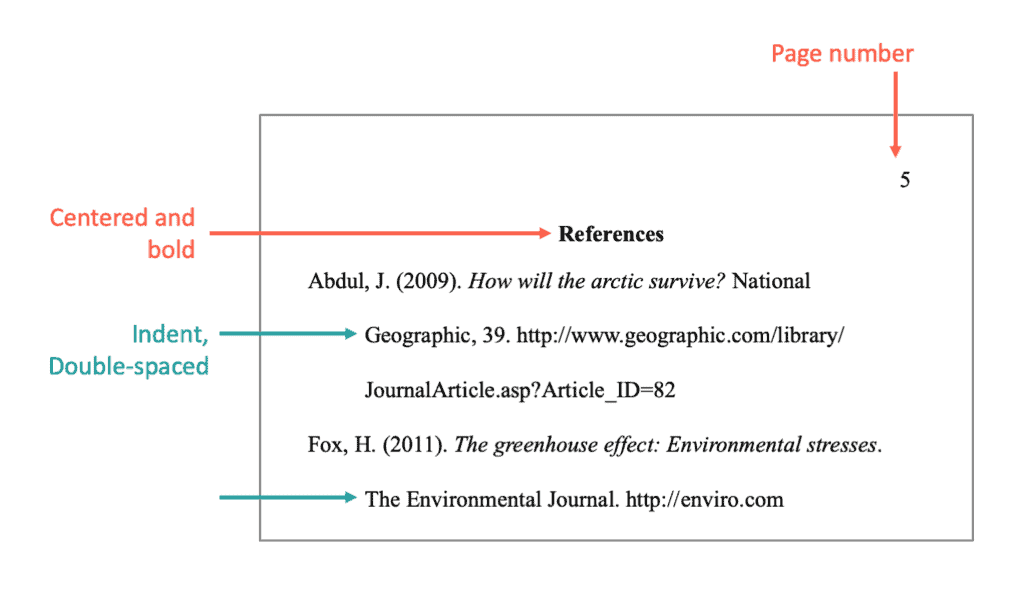
1. Decoding the APA Standard: A Schema for Information Metadata
At its core, APA format is a system designed to facilitate clear communication and technical precision. In the tech world, we might view APA style as a “schema”—a blueprint for how data points (author, date, title, source) should be organized so that both humans and machines can interpret them without ambiguity.
The Logic of the Author-Date System
The APA 7th edition, the current standard, utilizes an author-date system for in-text citations. From a technical perspective, this creates a chronological “version control” for ideas. By placing the date immediately after the author’s name, the reader—and the indexing software—can immediately determine the currency of the information. In fast-moving fields like Artificial Intelligence or Cyber Security, the date is often the most critical metadata point.
The Anatomy of a Reference Entry
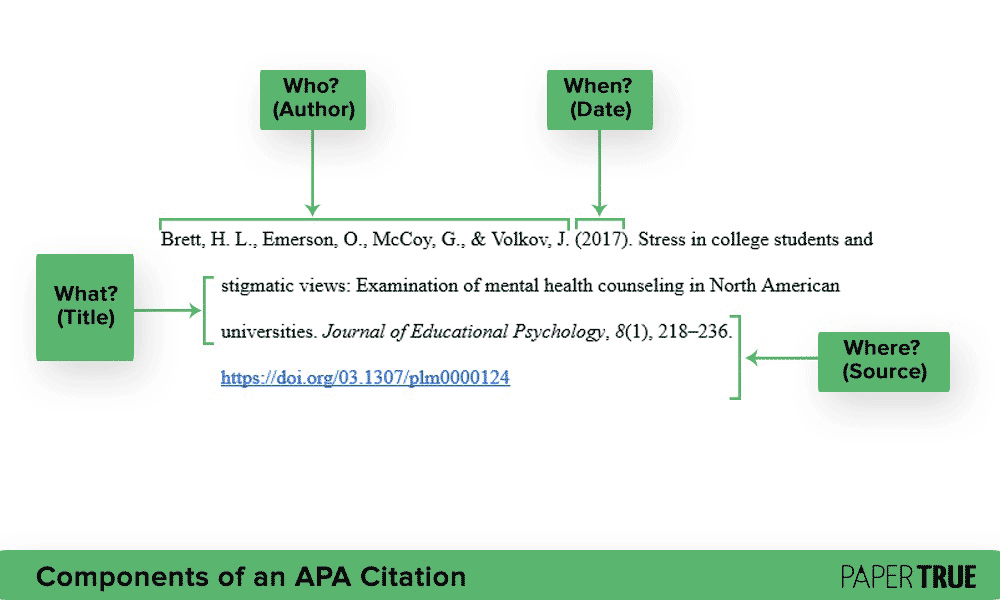
A full APA reference is essentially a structured data block. Each entry provides four specific “keys” to the source:
- Who: The author or creator (The “User” or “Entity”).
- When: The publication date (The “Timestamp”).
- What: The title of the work (The “Object Name”).
- Where: The source location, often a DOI or URL (The “Address”).
In the digital age, the “Where” has become the most vital technical component. The transition from physical page numbers to Digital Object Identifiers (DOIs) represents a major shift in how citation technology operates, ensuring that even if a journal changes its web domain, the link to the knowledge remains persistent.
2. Essential EdTech Tools for Automating APA Citations
Manually formatting a bibliography is an inefficient use of cognitive resources. The rise of Reference Management Software (RMS) has transformed citation from a tedious chore into a seamless integration within the digital workspace. These tools leverage web scraping and API integrations to pull metadata directly from library databases and publisher websites.
Leading Citation Managers: Zotero and Mendeley
Zotero and Mendeley are the industry standards for researchers who need to manage large volumes of data.
- Zotero: An open-source tool that excels in its ability to detect content in a web browser. Using a browser extension, it identifies the metadata on a page (such as a PDF on a server) and automatically populates the APA fields. This is an example of “Translation Technology,” where raw HTML or PDF metadata is converted into a standardized APA format.
- Mendeley: Owned by Elsevier, this tool functions as a cross-platform app that combines a PDF reader with a citation engine. Its technical strength lies in its cloud synchronization, allowing researchers to annotate documents on a tablet and have the APA-formatted citations ready in a Word document on their desktop via a “Cite While You Write” (CWYW) plugin.
Integrated Writing Environments
Modern word processors like Google Docs and Microsoft Word have integrated citation engines. These tools allow users to input source details into a GUI (Graphical User Interface), which the software then renders into perfect APA format. For tech-savvy users, LaTeX—a document preparation system—uses BibTeX or BibLaTeX packages to handle APA citations through code, ensuring that the formatting remains consistent regardless of the document’s length or complexity.
3. The Role of Artificial Intelligence in Citation Accuracy
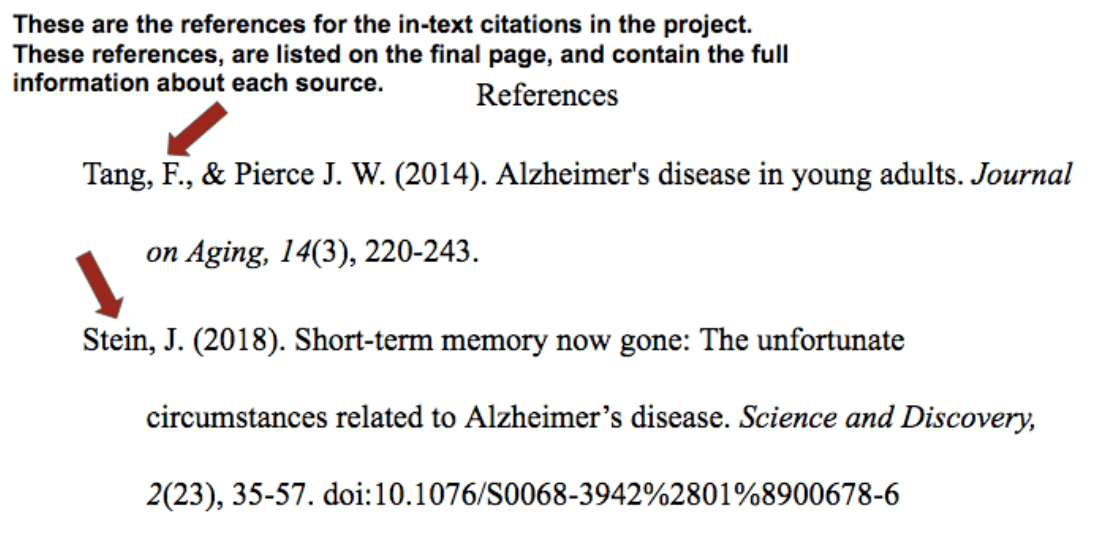
The integration of Large Language Models (LLMs) and AI writing assistants has introduced both opportunities and significant challenges for APA formatting. As we move toward AI-augmented research, the “tech” behind the citation is becoming increasingly sophisticated.
AI-Powered Formatting Assistants
Tools like Grammarly and specialized AI citation generators use Natural Language Processing (NLP) to scan a paper for missing citations. They compare the text against vast databases of published work to suggest where a “cite” might be necessary. This proactive error-checking is a significant leap from the passive “style checkers” of the past. These tools don’t just check for punctuation; they check for the logic of the citation.
The Challenge of AI Hallucinations
A critical technical issue in the current AI landscape is “hallucination,” where LLMs like ChatGPT generate plausible-sounding but entirely fake APA citations. From a digital security and integrity standpoint, this has led to the development of “Verification Tech”—tools designed specifically to cross-reference AI-generated bibliographies against real-world databases like CrossRef or PubMed. For a citation to be valid in a tech-forward academic environment, it must be “resolvable,” meaning the DOI must lead to a verified digital asset.
Plagiarism Detection Algorithms
Software like Turnitin and Copyscape has evolved to understand APA structures. They utilize complex algorithms to distinguish between a properly formatted quote and unoriginal content. These platforms are essentially search engines that index the web and internal repositories, using string-matching technology to ensure that every APA in-text citation correctly points to the source material, thereby maintaining the “security” of intellectual property.
4. Technical Specifications of APA 7th Edition: Digital Standards
The shift from the 6th to the 7th edition of the APA manual was largely driven by the need to better accommodate digital-first content. The technical requirements of the 7th edition reflect a world where data is fluid and hyperlinked.
DOI and URL Management
In APA 7th edition, DOIs are formatted as functional URLs (e.g., https://doi.org/10.1037/0000165-000). This is a technical decision to make citations “clickable.” In the realm of digital documents, a citation is now a portal. The requirement to include “Retrieved from” for standard URLs was removed in the 7th edition because, technologically, the presence of a URL implies a retrieval. This streamlining reflects a more mature understanding of web navigation.
Social Media and Emerging Media Types
APA format now includes specific technical schemas for citing tweets, YouTube videos, and even AI-generated responses. This requires the inclusion of “handles” (e.g., @username) and timestamps. The tech-centric nature of these citations allows researchers to track the flow of information across non-traditional digital platforms, ensuring that the “digital footprint” of an idea is preserved.
Data Sets and Software Citations
A major addition to modern APA style is the formalized method for citing software and raw data sets. In the tech industry, giving credit to the specific version of an R package or a Python library used in data analysis is vital for replicability. APA format provides the syntax to cite the version number and the repository (like GitHub), bridging the gap between academic writing and software documentation.
5. Future-Proofing Scholarly Communication: Beyond the Static Page
As we look toward the future of technology in academia, the APA format is likely to become even more integrated with automated systems. We are moving away from “documents” and toward “linked data.”
Blockchain and Citation Integrity
There is growing interest in using blockchain technology to create immutable records of citations. Imagine an APA citation that, when created, is logged on a ledger. This would make it impossible to misattribute work or fabricate sources, as the “address” of the information would be verified by a decentralized network. This would be the ultimate evolution of the APA’s mission: total transparency and accountability in information exchange.
The Move Toward Open-Access Digital Repositories
Tech trends toward Open Access (OA) are changing how APA citations function. With more research living in “Institutional Repositories” rather than behind paywalls, the “Source” element of an APA citation is becoming more diverse. Citation software must now be able to distinguish between a pre-print version of a paper on arXiv and the final peer-reviewed version, adding a layer of “Status Metadata” to the APA entry.
Conclusion
“What is APA format citation?” In the modern tech context, it is much more than a style guide. It is a sophisticated system of metadata management that powers the global engine of research. By utilizing citation management software, navigating the complexities of AI-generated content, and adhering to the digital-first standards of the 7th edition, researchers and tech professionals ensure that their work is discoverable, verifiable, and permanent. As technology continues to reshape how we consume and produce information, the APA format will remain the “API” that connects different branches of human knowledge into a cohesive, searchable whole.
aViewFromTheCave is a participant in the Amazon Services LLC Associates Program, an affiliate advertising program designed to provide a means for sites to earn advertising fees by advertising and linking to Amazon.com. Amazon, the Amazon logo, AmazonSupply, and the AmazonSupply logo are trademarks of Amazon.com, Inc. or its affiliates. As an Amazon Associate we earn affiliate commissions from qualifying purchases.