
The acronym “UNRWA” might not be instantly recognizable to everyone, especially when juxtaposed with the seemingly disparate spheres of technology, branding, and finance. However, understanding what UNRWA stands for, and the broader context it operates within, offers a fascinating lens through which to view the complexities of international aid, humanitarian efforts, and the very real impact these initiatives have on individuals and communities worldwide. This exploration will delve into the meaning of UNRWA and then pivot to consider how its mission and the principles it embodies resonate within the core topics of our digital age: technological innovation, the strategic importance of brand, and the fundamental necessity of financial well-being.

Understanding the Core: What UNRWA Stands For
At its most fundamental level, UNRWA stands for the United Nations Relief and Works Agency for Palestine Refugees in the Near East. Established by United Nations General Assembly Resolution 302 (IV) of December 8, 1949, the agency was created in response to the displacement of hundreds of thousands of Palestinian Arabs who fled or were expelled from their homes during the 1948 Arab-Israeli War. Its mandate, therefore, is specific and enduring: to provide assistance, protection, and advocacy for Palestine refugees, ensuring they have access to essential services such as education, healthcare, relief and social services, camp infrastructure and improvement, and microfinance.
The Evolution of UNRWA’s Mission
Initially conceived as a temporary measure to address the immediate aftermath of the 1948 conflict, UNRWA’s mission has, unfortunately, become a protracted and vital commitment. The ongoing nature of the refugee crisis has necessitated a continuous and evolving approach to service delivery. Over the decades, UNRWA has expanded its operations to support not only those displaced in 1948 but also their descendants, who now number in the millions. The agency operates across five fields of operation: Jordan, Lebanon, the Syrian Arab Republic, the West Bank (including East Jerusalem), and the Gaza Strip.
The scope of UNRWA’s work is immense. It directly employs tens of thousands of people, the vast majority of whom are Palestine refugees themselves, embodying a principle of community empowerment. The agency’s services are not merely about providing handouts; they are designed to foster dignity, self-reliance, and the preservation of human potential in circumstances that are undeniably challenging. This commitment to its beneficiaries, and the complex geopolitical realities it navigates, makes UNRWA a significant entity in the international humanitarian landscape.
The Digital Frontier: UNRWA and Technology’s Reach
While UNRWA’s origins lie in a humanitarian crisis of a bygone era, its operations are increasingly intertwined with the very fabric of the modern world, particularly through the lens of technology. The website’s focus on Tech – encompassing trends, software, AI tools, apps, gadgets, and digital security – offers a powerful framework for understanding how UNRWA leverages and is impacted by technological advancements.
Bridging Divides with Digital Solutions
In regions where physical infrastructure may be strained and access to traditional services can be difficult, technology becomes an indispensable tool. UNRWA utilizes digital platforms to enhance its reach and efficiency. For instance, digital learning tools are crucial for its extensive education program, providing students with access to educational resources, remote learning opportunities, and interactive content, especially vital in areas with restricted movement. Mobile applications can facilitate communication with refugees, disseminate important information regarding health advisories or aid distribution, and streamline registration processes.
Furthermore, in the realm of digital security, UNRWA faces unique challenges. Protecting sensitive data pertaining to millions of individuals requires robust cybersecurity measures. The agency must ensure that its systems are secure against breaches, safeguarding the privacy and personal information of those it serves. This includes safeguarding against misinformation and disinformation, which can have a destabilizing effect on vulnerable communities.
The adoption of AI tools and other software can significantly improve UNRWA’s operational efficiency. Predictive analytics might help anticipate needs in specific communities, while data management software can aid in resource allocation and program monitoring. Gadgets, from ruggedized tablets for field staff to communication devices, are essential for ensuring effective service delivery on the ground. Ultimately, for an organization like UNRWA, technology is not a luxury but a necessity – a critical enabler for fulfilling its mandate in an increasingly digitalized world.
Building Trust and Resilience: UNRWA’s Brand and Reputation
The website’s emphasis on Brand – covering strategy, personal and corporate identity, marketing, design, case studies, and reputation – provides another crucial angle from which to analyze UNRWA. In the humanitarian sector, an organization’s “brand” is not about selling products; it’s about building trust, fostering credibility, and maintaining a strong reputation among a diverse range of stakeholders.
The Power of a Trusted Identity
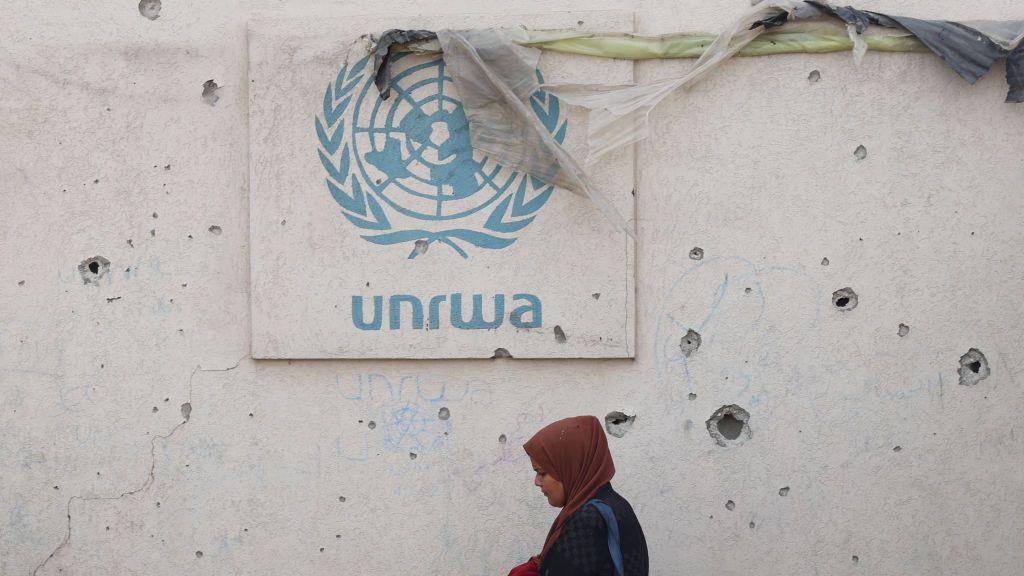
For UNRWA, its identity is intrinsically linked to its mandate and its commitment to Palestine refugees. Its corporate identity is built on decades of service, humanitarian principles, and a consistent effort to provide essential support. The design of its communications, its logo, and its visual presence all contribute to this identity, aiming to convey professionalism, empathy, and reliability.
Brand strategy for UNRWA involves effectively communicating its mission, its impact, and its ongoing needs to a global audience. This includes engaging with governments, international organizations, NGOs, and the general public. Marketing in this context translates to advocacy, fundraising, and public awareness campaigns. Showcasing case studies of successful programs, highlighting the stories of individuals who have benefited from UNRWA’s support, can powerfully illustrate the agency’s tangible impact and reinforce its positive reputation.
However, the reputation of any large international organization, especially one operating in a politically charged environment, can be subject to scrutiny and challenges. Maintaining a strong and transparent reputation is paramount for UNRWA’s continued ability to secure funding and operate effectively. This requires consistent communication, accountability, and a proactive approach to addressing any concerns or criticisms. The very essence of UNRWA’s brand is its unwavering dedication to the well-being of Palestine refugees, a commitment that must be consistently communicated and upheld to secure the trust and support it needs.
Sustaining Impact: UNRWA and the Financial Imperative
Finally, the website’s focus on Money – covering personal finance, investing, online income, side hustles, business finance, and financial tools – underscores the critical importance of financial resources for any endeavor, including humanitarian work. For UNRWA, financial sustainability is not just a matter of operational efficiency; it is directly linked to the ability to provide life-saving services.

The Lifeline of Funding
UNRWA is primarily funded through voluntary contributions from UN member states and other donors. The business finance of the agency involves meticulous budgeting, resource management, and transparent financial reporting. The financial tools it employs are vital for tracking expenditures, managing budgets, and ensuring that every dollar is used as effectively as possible.
The agency’s ability to meet the needs of millions of refugees is directly dependent on a steady and predictable flow of online income – through donations and contributions. This can be a challenging aspect, as funding can fluctuate based on geopolitical events, donor priorities, and economic conditions. Strategies to diversify funding sources and build long-term financial resilience are therefore crucial.
Moreover, the principles of personal finance and sound financial management, when scaled up, are mirrored in UNRWA’s operations. Just as an individual needs to budget, save, and invest wisely, UNRWA must manage its finances with prudence and foresight to ensure the continuous provision of services. The challenges faced in securing adequate funding can have profound implications, impacting everything from the availability of textbooks for students to essential medical supplies. Therefore, understanding the financial backbone of UNRWA is just as important as understanding its mission and operational strategies.
In conclusion, while the acronym UNRWA might initially seem removed from the everyday concerns of technology, branding, and finance, a deeper examination reveals profound connections. The agency’s critical humanitarian mission necessitates embracing technological advancements to enhance its reach and efficiency, building a strong and trustworthy brand to garner essential support, and managing its finances with utmost diligence to ensure the sustained well-being of Palestine refugees. Understanding what UNRWA stands for is therefore not just an exercise in deciphering an acronym, but an insight into the complex interplay of global challenges and the vital work undertaken to address them, even as the world continues its rapid evolution across technological, commercial, and financial landscapes.
aViewFromTheCave is a participant in the Amazon Services LLC Associates Program, an affiliate advertising program designed to provide a means for sites to earn advertising fees by advertising and linking to Amazon.com. Amazon, the Amazon logo, AmazonSupply, and the AmazonSupply logo are trademarks of Amazon.com, Inc. or its affiliates. As an Amazon Associate we earn affiliate commissions from qualifying purchases.