
The transition to Real ID compliance across the United States marks a significant milestone in the evolution of domestic security and identity verification technology. In Georgia, the Department of Driver Services (DDS) has implemented a sophisticated array of physical and digital security features that distinguish a Real ID-compliant license from older versions. Understanding what a Georgia Real ID looks like is not merely a matter of aesthetics; it is an exploration of advanced document security, biometric integration, and the technological infrastructure designed to protect citizens’ identities in an increasingly digital world.
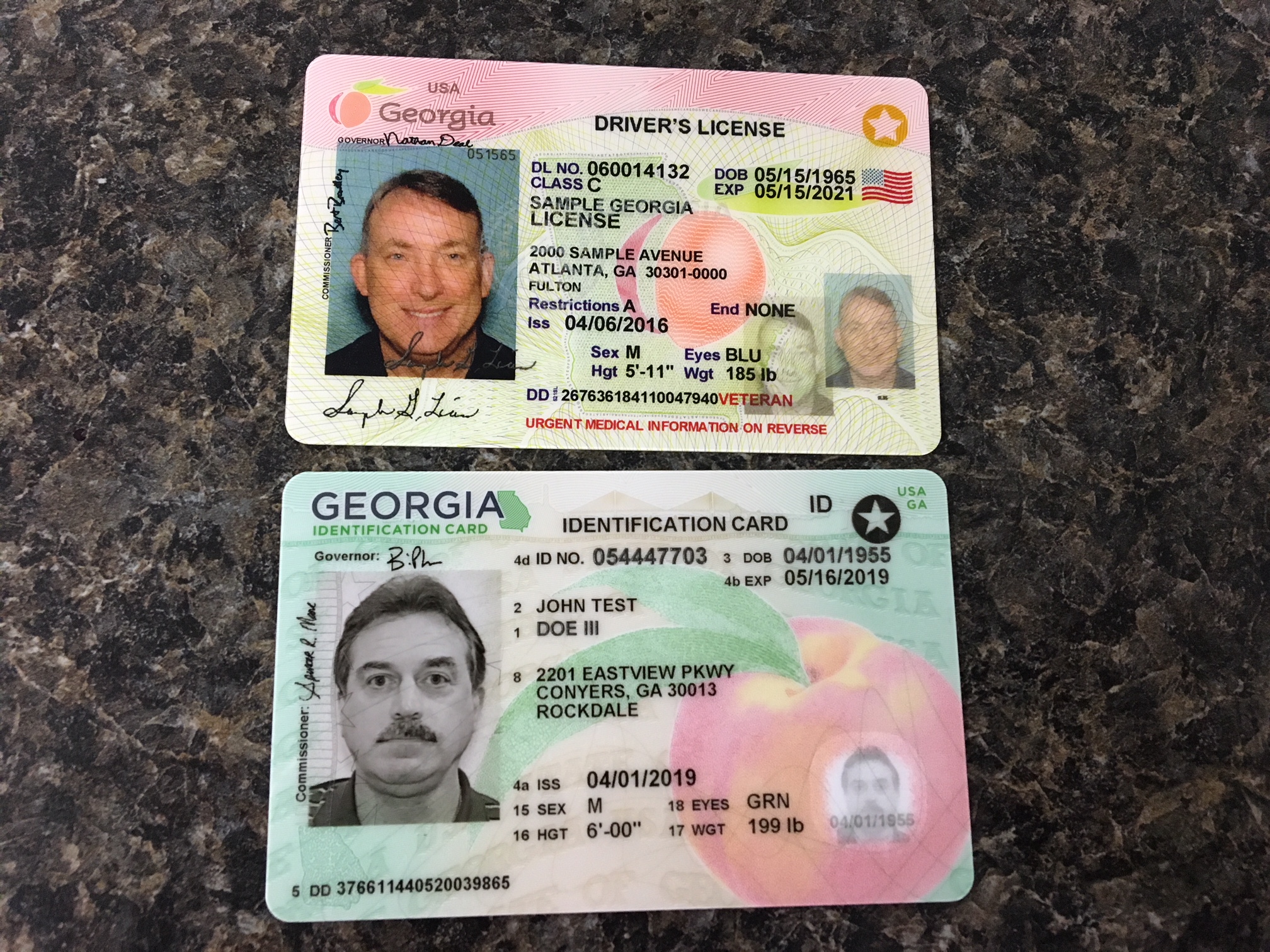
As of May 7, 2025, the federal government will require a Real ID-compliant document for boarding commercial aircraft and entering certain federal facilities. This shift has prompted a massive technological overhaul of state-level identification systems. For Georgia residents, the Real ID is more than a plastic card—it is a high-tech tool engineered to meet rigorous federal standards while paving the way for future digital identity solutions.
The Anatomy of a Georgia Real ID: Visual and Technical Markers
At first glance, a Georgia Real ID might look similar to a traditional driver’s license, but a closer inspection reveals a series of sophisticated technological markers. These features are designed to be “machine-readable” and “tamper-evident,” ensuring that the document remains a trusted source of truth for law enforcement and security personnel.
The Gold Star: The Universal Identifier of Compliance
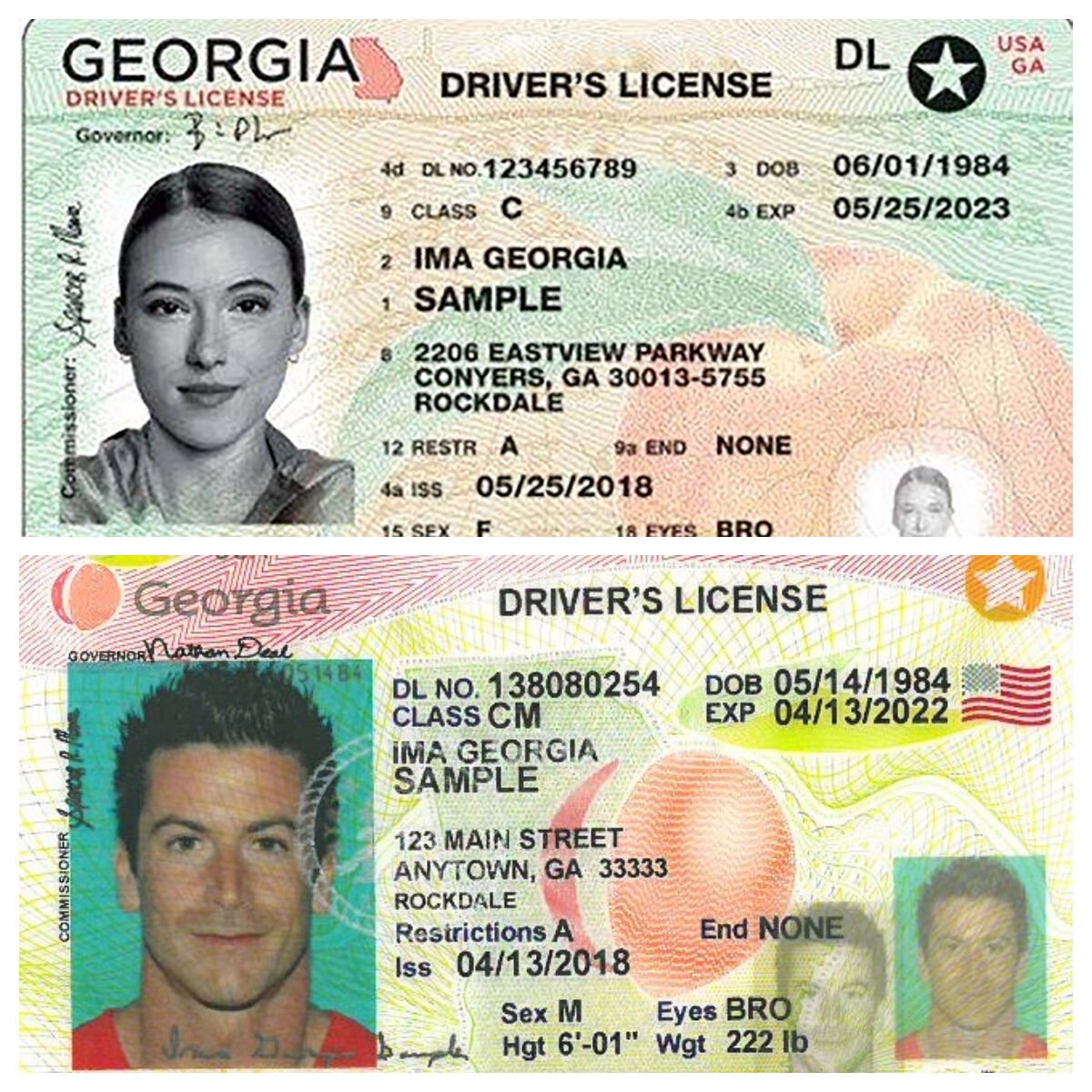
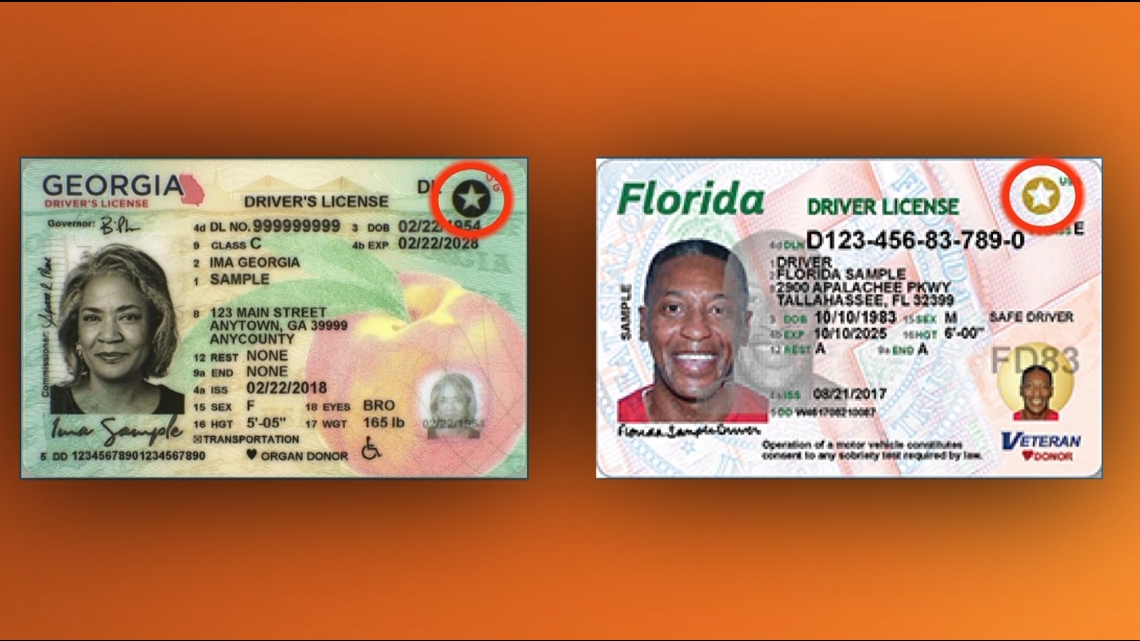
The most prominent visual indicator of a Georgia Real ID is the small, gold star located in the upper right-hand corner of the card. This star is not merely a graphic; its presence signifies that the cardholder has undergone a rigorous verification process that meets the federal standards established by the Real ID Act of 2005. Technically, the star is integrated into the card’s laminate or printing layers to prevent it from being easily scraped off or duplicated by counterfeiters.
Advanced Holographic Features and Ghost Images
To combat forgery, Georgia utilizes multi-layered security printing. One of the primary tech-driven features is the “ghost image.” This is a smaller, semi-transparent version of the primary portrait photo, usually positioned on the right side of the card. This secondary image is difficult to replicate using standard printing equipment. Furthermore, Georgia licenses incorporate holographic overlays that become visible when tilted under light. these holograms often feature the state seal or specific patterns that are chemically bonded to the polycarbonate or Teslin substrate, making any attempt at alteration immediately obvious to the naked eye or a scanning device.
Machine-Readable Zones (MRZ) and Barcode Technology
On the reverse side of the Georgia Real ID, the technology shifts from visual to data-driven. The card features two specific types of barcodes: a 1D barcode for basic inventory and a complex 2D PDF417 barcode. This 2D barcode contains the cardholder’s demographic information, such as name, date of birth, and address, in a standardized format. When a security agent at an airport or a state official scans the card, the software instantly decodes this information, cross-referencing it with the printed text to ensure the card hasn’t been altered. This machine-readability is the backbone of modern automated identity verification.
Digital Security Infrastructure: What Lies Beneath the Plastic
While the physical card is what the user carries, the true “Real ID” exists within a secure digital ecosystem. The process of issuing a Georgia Real ID involves a complex backend infrastructure that connects state databases with federal verification systems.
Centralized Issuance and Biometric Data Verification
Georgia uses a “Centralized Issuance” model, which is a key security protocol. When you visit a DDS office, you do not receive your permanent Real ID on the spot. Instead, your data—including a high-resolution biometric photograph—is sent to a high-security facility. Here, facial recognition algorithms compare the new photo against existing databases to prevent identity fraud and ensure that one individual does not hold multiple licenses under different names. Once verified, the card is manufactured and mailed to the resident, reducing the risk of theft or “insider” fraud at local offices.
The Role of the SAVE System in Identity Authentication
A critical component of the Real ID tech stack is the integration with federal verification systems. Georgia DDS utilizes the Systematic Alien Verification for Entitlements (SAVE) program and the Social Security Online Verification (SSOLV) system. When a technician scans an applicant’s documents—such as a birth certificate or passport—the system performs an instantaneous digital handshake with federal servers. This ensures that the foundational documents used to obtain a Georgia Real ID are legitimate and haven’t been revoked or flagged in any national security databases.
Transitioning to the Digital Future: Georgia’s Mobile ID Technology
Georgia is currently at the forefront of identity technology, moving beyond the physical Real ID card into the realm of Mobile Driver’s Licenses (mDL). This digital evolution represents the next phase of “what a Real ID looks like” in a smartphone-centric world.
The GA Digital Driver’s License and Apple Wallet Integration
Georgia was one of the first states to partner with major tech providers like Apple and Google to offer a digital version of the Real ID. This mobile version is not a simple photo of the card; it is a cryptographically signed identity token. Residents can add their Georgia Real ID to their digital wallets, allowing them to present their ID at select TSA checkpoints using only their smartphone or Apple Watch.
Encryption Standards in Mobile Identity Verification
The technology powering the Georgia Mobile ID is far more secure than a physical card. It utilizes ISO 18013-5 standards, which govern the communication between the mobile device and the identity reader. When presenting a digital ID, the user does not need to hand over their phone. Instead, the phone communicates with the reader via Near Field Communication (NFC) or a QR code. The data transfer is encrypted, and the user can choose to share only the necessary information (e.g., “Over 21” status) without revealing their full name or home address. This “Privacy by Design” approach is a significant technological leap in personal data protection.
Cybersecurity and Privacy: Protecting the Georgia Real ID Ecosystem
As identity verification becomes more tech-dependent, the importance of cybersecurity in the Real ID ecosystem cannot be overstated. The state of Georgia must protect not only the physical document but also the vast amounts of sensitive data stored in its servers.
Mitigating Identity Theft through Document Security
The physical features of the Georgia Real ID—such as micro-printing (text so small it requires a magnifying glass to read) and tactile features (raised lettering)—are designed to thwart high-end scanners and printers. From a digital security perspective, these features are the first line of defense against identity theft. If a fraudster cannot accurately simulate the tactile feel or the microscopic details of a genuine Georgia ID, the document fails the initial tech-check at any high-security checkpoint.
The Evolution of Anti-Counterfeiting Measures
The “look” of the Georgia Real ID is constantly evolving as new anti-counterfeiting technologies emerge. For instance, some states are moving toward polycarbonate cards, which are constructed of multiple layers of plastic fused into a single solid piece. This makes it impossible to peel back layers to change information. Georgia’s ongoing investment in these material sciences ensures that their Real ID remains one of the most secure documents in the country. Furthermore, the state’s IT infrastructure is regularly audited to ensure that the databases holding cardholder information are protected against data breaches and unauthorized access.
Technical Guide: How to Obtain and Verify Your Georgia Real ID
For those looking to transition to the current Real ID standard, the process is a structured sequence of document verification and data entry. Following the technical requirements correctly ensures that your ID will be issued without delays.
Required Documentation and Digital Scanning Procedures
To obtain a Georgia Real ID, you must provide specific documents that the DDS will scan into their secure system. These include:
- Identity Proof: A certified birth certificate or a valid U.S. Passport.
- Social Security Verification: Your Social Security Card or a W-2 form.
- Residency Proof: Two utility bills or lease agreements showing your Georgia address.
Technically, these documents are converted into high-resolution digital assets and stored in an encrypted format. This ensures that the state has a “digital paper trail” for every identity it verifies, a core requirement of the federal Real ID mandate.
Troubleshooting Verification Errors
Occasionally, the technology behind Real ID issuance can hit a snag, such as a mismatch between a name on a birth certificate and a Social Security record. In these instances, the DDS utilizes a reconciliation process. This might involve additional verification through the Social Security Administration’s electronic records. If you are renewing online or via an app, ensure that your photo upload meets the biometric requirements: high contrast, no glasses, and a neutral expression. These technical parameters are essential for the facial recognition software to accurately map your features and link them to your identity profile.
In conclusion, the Georgia Real ID is a masterpiece of modern document technology. From its gold star and holographic overlays to the complex encryption of its mobile counterparts, every element of its design is intentional. By integrating physical security with robust digital verification systems, Georgia ensures that its residents carry an identity document that is not only federally compliant but also fortified against the evolving threats of the digital age. Moving forward, the “look” of a Georgia ID will continue to shift from physical plastic to encrypted mobile tokens, further cementing the role of technology in personal identity and national security.
aViewFromTheCave is a participant in the Amazon Services LLC Associates Program, an affiliate advertising program designed to provide a means for sites to earn advertising fees by advertising and linking to Amazon.com. Amazon, the Amazon logo, AmazonSupply, and the AmazonSupply logo are trademarks of Amazon.com, Inc. or its affiliates. As an Amazon Associate we earn affiliate commissions from qualifying purchases.