
The question “what year was Gatorade invented?” might seem like a simple factual query, a mere footnote in the annals of consumer product history. Yet, for brand strategists, marketers, and anyone fascinated by the enduring power of corporate identity, the answer — 1965 — is far more than a date. It represents the crucible moment for one of the most successful and recognized brands in the world, a testament to innovation, necessity, and brilliant brand building. The year 1965 didn’t just mark the creation of a beverage; it marked the birth of an entirely new product category and a brand that would define athletic performance hydration for generations. Understanding Gatorade’s invention year is to understand the foundational pillars upon which a multi-billion-dollar empire was built, offering invaluable lessons in brand strategy, market entry, and sustained relevance.
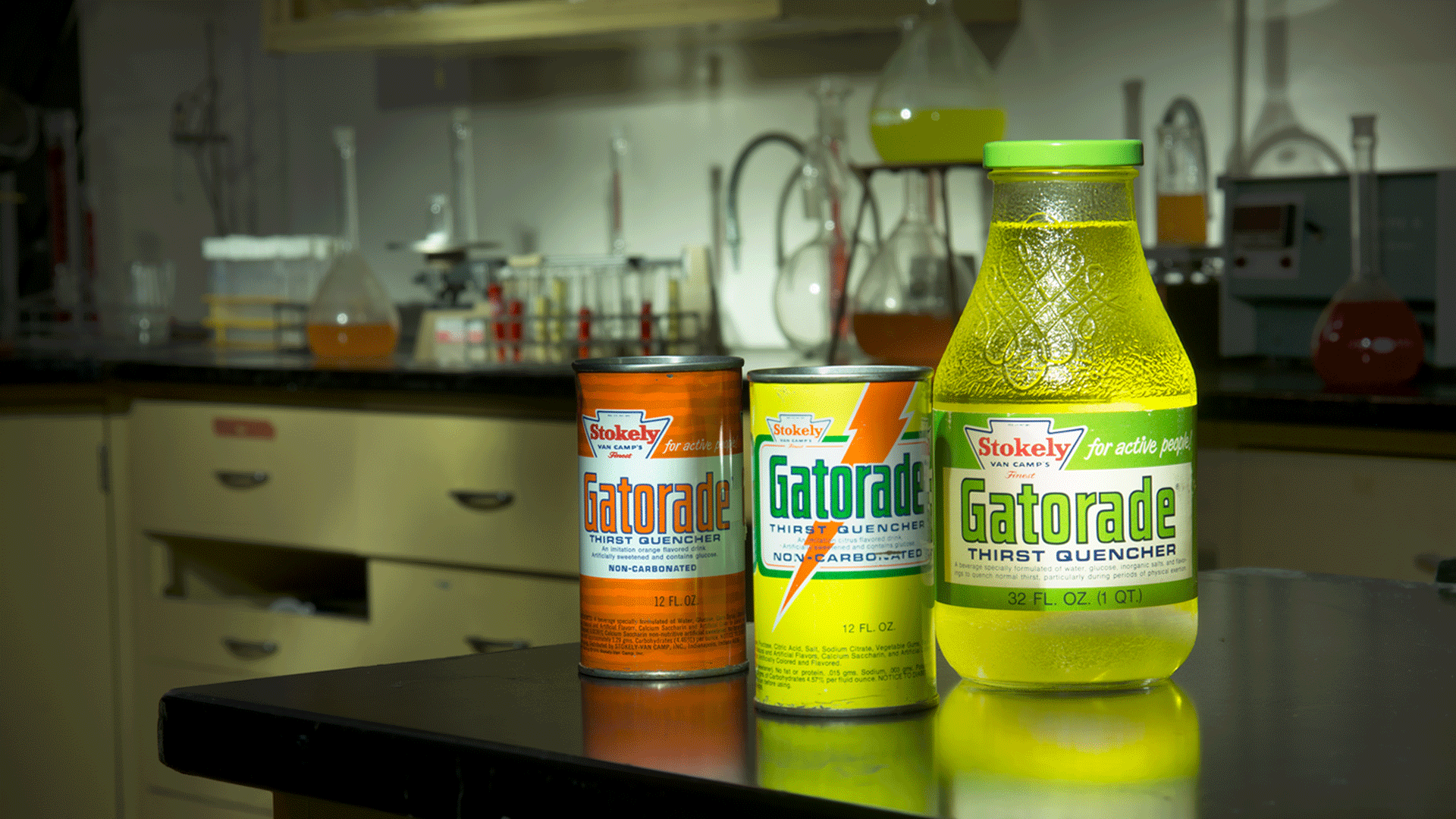
The Spark of Innovation: Gatorade’s Foundational Year and Its Branding Implications
The story of Gatorade begins not in a corporate boardroom or a marketing brainstorm, but on the sweltering football fields of Gainesville, Florida. In 1965, the University of Florida Gators football team was grappling with severe dehydration and heat-related illnesses during practices and games. This critical challenge prompted Dr. Robert Cade and a team of researchers at the university to investigate why their athletes were struggling so profoundly in the humid Florida heat. Their findings led to a groundbreaking realization: athletes were losing vital electrolytes through sweat, and water alone wasn’t enough to replenish them effectively. From this scientific inquiry, a solution emerged, and with it, a brand destined for global recognition.
A Necessity-Driven Origin Story: The 1965 Invention
The invention in 1965 was a direct response to a physiological need. Dr. Cade and his team formulated a concoction of water, electrolytes (sodium and potassium), carbohydrates, and phosphate. The initial blend, reportedly not delicious, was designed purely for efficacy. This origin story — rooted in scientific research and driven by a genuine need to improve athlete safety and performance — provided Gatorade with an immediate and powerful brand narrative. It wasn’t a product invented for profit; it was a solution discovered through science. This authenticity became a cornerstone of its brand identity, differentiating it immediately from conventional beverages. The date 1965, therefore, is crucial as it anchors the brand in its scientific, problem-solving heritage.
Crafting a Brand from a Scientific Breakthrough
The genius of Gatorade’s early branding lay in its ability to translate a complex scientific breakthrough into a relatable and aspirational benefit. The formulation’s ability to “rehydrate and replenish” became the core message. This wasn’t just another sugary drink; it was a scientifically engineered performance enhancer. This positioning allowed Gatorade to carve out a unique niche, distinct from soft drinks and even plain water. Its scientific foundation offered an authoritative edge, making it trustworthy to athletes and coaches. The brand wasn’t just selling a drink; it was selling an advantage, a competitive edge derived from empirical evidence.
The Power of Naming and Identity: “Gatorade”
The name “Gatorade” itself is a masterclass in direct, evocative branding. It directly links the product to its origin: developed for the Florida Gators. This immediate association provided an organic, powerful endorsement from its inception. The name is memorable, easy to pronounce, and instantly communicates a connection to high-performance athletics. This simple, yet brilliant, naming convention helped establish a strong corporate identity from day one, associating the brand with strength, agility, and competitive spirit. It transformed a scientific solution into a tangible, recognizable identity that resonated with its target audience.
From Lab to Locker Room: Early Brand Strategy and Market Penetration
The journey from a university lab experiment to a nationally recognized brand was swift and strategic. The initial success with the University of Florida Gators provided an immediate, real-world case study that became the bedrock of Gatorade’s early marketing efforts. This organic adoption and subsequent performance improvement among the Gators were arguably the most powerful marketing tools the brand could have wished for.
The University of Florida Gators: An Organic Endorsement
The Florida Gators’ remarkable turnaround season in 1966, often attributed in part to the new “Gatorade,” served as an unparalleled, unsolicited endorsement. Other college and professional teams quickly took notice. This word-of-mouth, performance-driven adoption was a marketer’s dream. It validated the product’s efficacy in the most credible arena possible: professional sports. This early success solidified Gatorade’s brand positioning as an essential tool for athletic performance, bypassing traditional advertising channels initially and building trust through genuine results. It demonstrated the power of a strong case study in launching a new brand.
The Beverage of Champions: Positioning for Performance
From its inception, Gatorade was strategically positioned not as a casual refreshment, but as a critical component of an athlete’s regimen. This high-performance positioning was crucial. It wasn’t about quenching thirst generally, but about optimizing physical output and recovery. This allowed the brand to command a premium price point and appeal to a niche yet influential market segment. The brand’s messaging consistently reinforced this idea, associating itself with peak physical condition, perseverance, and victory. This early brand strategy laid the groundwork for its eventual dominance in the sports drink market.
Overcoming Early Hurdles: Branding a Novel Product Category
Introducing a product like Gatorade in 1965 wasn’t without its challenges. There was no existing “sports drink” category. Consumers were accustomed to water, juice, or sugary sodas. Gatorade had to educate its audience about the need for electrolyte replenishment and the benefits of its unique formulation. This required meticulous brand messaging that articulated its scientific basis in an understandable way. Early marketing focused on testimonials and highlighting the physiological benefits, essentially creating the demand for a product category that hadn’t previously existed. This pioneering effort demonstrated exceptional brand leadership and vision, turning an unknown concept into an indispensable item for athletes.
Evolution of a Hydration Empire: Sustaining Brand Relevance Over Decades
Since its invention in 1965, Gatorade has undergone significant evolution, yet it has remarkably maintained its core brand identity and market leadership. The brand’s ability to adapt its messaging, diversify its product line, and leverage strategic partnerships has been key to its enduring success. It’s a testament to robust brand stewardship and an understanding of dynamic consumer needs.

Adapting the Brand Narrative for New Generations
While the core message of scientific hydration for athletes remains, Gatorade’s brand narrative has subtly shifted over the decades to resonate with new generations. From focusing purely on scientific efficacy, it evolved to embrace themes of aspiration, pushing limits, and celebrating the journey of an athlete. Marketing campaigns have featured iconic athletes, linking their peak performance directly to Gatorade, making the brand synonymous with athletic greatness and individual achievement. This ability to refresh its narrative without abandoning its roots has kept the brand relevant and aspirational.
Product Diversification and Brand Extension
Gatorade’s brand evolution also includes smart product diversification. Starting with a single formula, the brand has expanded into various lines like Gatorade Thirst Quencher (its flagship), G Series (covering before, during, and after activity), Gatorade Zero Sugar, G Endurance Formula, and even protein bars and chews. Each new product line extends the brand’s reach while staying true to the core promise of athletic performance and recovery. This careful brand extension strategy has allowed Gatorade to capture different segments of the athletic market and combat emerging competitors, ensuring its corporate identity remains synonymous with comprehensive sports nutrition.
Strategic Marketing and Sponsorships: Reinforcing Brand Leadership
Gatorade’s marketing strategy has consistently involved high-profile sponsorships with major sports leagues (NFL, NBA, MLB) and individual athletes (Michael Jordan, Serena Williams, Lionel Messi). These partnerships are not just advertisements; they are brand statements. They reinforce Gatorade’s position as the authentic, trusted choice for elite athletes. The visual of athletes dousing their coaches with Gatorade after a victory has become an iconic cultural phenomenon, a powerful, organic endorsement that transcends traditional advertising and deeply embeds the brand in sporting culture. This strategic investment in brand visibility and association is critical for maintaining its leadership position.
The Enduring Legacy: Lessons in Brand Longevity and Leadership
More than half a century after its invention in 1965, Gatorade stands as a towering example of brand longevity and category dominance. Its journey offers profound insights into what it takes to build, sustain, and grow a globally recognized brand.
The Power of Authenticity and Purpose
Gatorade’s enduring strength lies in its unwavering commitment to its original purpose: scientifically formulated hydration for athletes. This authenticity, born from its necessity-driven invention, has allowed the brand to maintain trust and credibility. In a market often saturated with fleeting trends, Gatorade’s scientific foundation and consistent purpose have provided a stable anchor for its corporate identity, making it a reliable choice for generations of athletes.
Innovating Within Core Identity
While Gatorade has introduced new flavors, formulas, and product formats, it has always done so within the confines of its core brand identity as a performance enhancer. Innovation has served to strengthen the brand, not dilute it. This disciplined approach to product development ensures that every new offering aligns with the overarching brand promise, reinforcing rather than confusing the consumer perception of Gatorade.
A Case Study in Category Creation and Dominance
The story of Gatorade, from its invention in 1965, is arguably the quintessential case study in category creation. It didn’t just enter a market; it created one. By identifying an unmet need and providing a scientifically valid solution, it established the sports drink category and has maintained a dominant leadership position within it. This demonstrates the immense power of a pioneering brand, where the first mover with a truly innovative product can shape an entire industry for decades to come.
Corporate Identity and Brand Stewardship: The Role of Ownership Changes
The journey of Gatorade from a university experiment to a global powerhouse also highlights the importance of consistent brand stewardship through changes in corporate ownership. Initially licensed to Stokely-Van Camp in 1967, it was later acquired by Quaker Oats in 1983, and then became part of PepsiCo in 2001. Each acquisition presented a challenge and an opportunity to either strengthen or dilute the brand’s core identity.
From Stokely-Van Camp to Quaker Oats to PepsiCo
Each change of ownership brought new resources, marketing muscle, and distribution networks. Stokely-Van Camp initiated the commercialization; Quaker Oats significantly expanded its market reach and invested heavily in marketing; and PepsiCo leveraged its global scale and immense beverage portfolio to solidify Gatorade’s international presence and further diversify its product lines. Despite these corporate shifts, the fundamental brand promise and scientific heritage of Gatorade have been meticulously preserved and amplified.

Protecting Brand Equity Through Acquisitions
The success of Gatorade through multiple ownership changes underscores the critical importance of protecting brand equity. Acquirers understood the immense value embedded in the Gatorade name, its scientific credibility, and its strong association with athletic performance. This meant investing in continued research and development, maintaining consistent quality, and strategically marketing the brand to reinforce its core attributes. The brand’s distinct corporate identity has been safeguarded, allowing it to transcend mere product status and remain a powerful, enduring icon in the global beverage landscape.
In conclusion, the simple question “what year was Gatorade invented?” unlocks a rich tapestry of brand strategy, innovation, and market development. The 1965 genesis of Gatorade wasn’t merely the creation of a drink; it was the birth of a brand that would exemplify how scientific insight, clear purpose, and consistent messaging could forge an unbreakable link between a product and its promise, ultimately creating an enduring legacy that continues to inspire and hydrate athletes worldwide.
aViewFromTheCave is a participant in the Amazon Services LLC Associates Program, an affiliate advertising program designed to provide a means for sites to earn advertising fees by advertising and linking to Amazon.com. Amazon, the Amazon logo, AmazonSupply, and the AmazonSupply logo are trademarks of Amazon.com, Inc. or its affiliates. As an Amazon Associate we earn affiliate commissions from qualifying purchases.